The Honest Truth About Hip Abductor Machine Results for Glute Growth
Walk into any commercial gym at 6:00 PM, and you will see a line forming for the "good girl/bad girl" machines. It’s a staple in modern leg day routines, fueled by social media influencers promising an hourglass figure. But there is a massive gap between marketing claims and physiological reality. You want to know if **hip abductor machine results** are actually worth the time you spend waiting for the equipment, or if you are just spinning your wheels.
The answer isn't a simple yes or no. It depends entirely on whether you are chasing strength, stability, or a specific aesthetic change to your hip structure. Let’s break down the mechanics, the muscle fiber recruitment, and what you can realistically expect.
Key Takeaways: What to Expect
- Targeted Isolation: The machine primarily targets the gluteus medius and minimus, muscles often neglected by squats and lunges.
- Aesthetic Limitations: While it can build muscle mass on the side of the hip, it cannot change your pelvic bone structure or magically erase hip dips.
- Stability Gains: Strong abductors prevent "knee valgus" (knees caving in), significantly improving your heavy squat performance.
- Volume Matters: These smaller muscle groups respond better to metabolic stress (high reps/drop sets) than low-rep strength work.
The Anatomy of the Movement
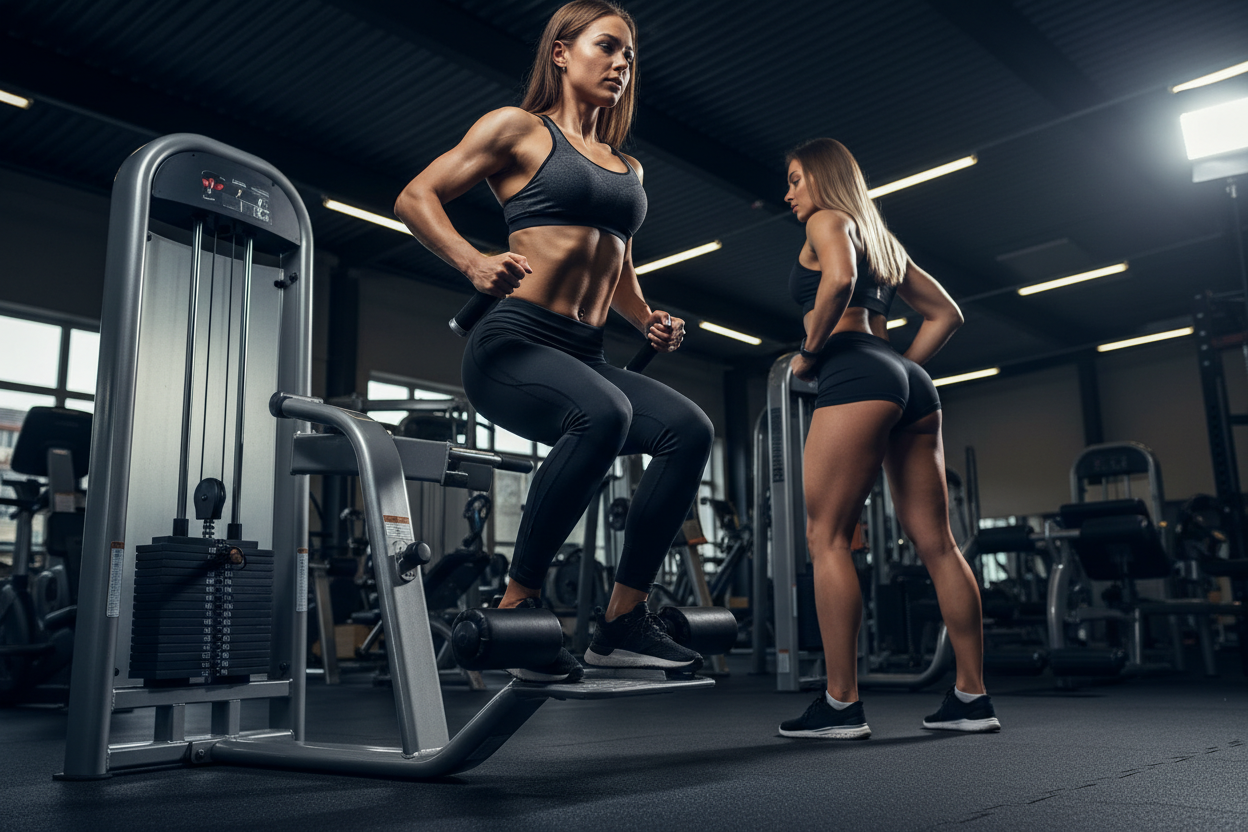
To understand the results, you have to understand the engine. The hip abductor machine forces you to move your legs away from the midline of your body against resistance. This movement pattern bypasses the massive Gluteus Maximus (the main butt muscle) and isolates the upper, outer quadrant of the glute.
Gluteus Medius and Minimus
These are your stabilizers. When you stand on one leg, these muscles fire to keep your pelvis from tipping over. When you sit in the machine and push out, you are taking stability out of the equation and forcing these fibers to contract purely for movement. This is why the burn feels so different—and often sharper—than a deadlift.
Aesthetic Expectations vs. Reality
This is where most people get confused. Can you actually widen your hips?
Technically, yes, but with a caveat. You cannot widen your pelvis bone. However, hypertrophy (muscle growth) of the gluteus medius adds physical mass to the side of the hip. This can create the visual illusion of a curvier silhouette. If you are consistent, abductor machine results will manifest as a firmer, rounder look at the top of the glutes/side of the hip.
However, do not expect this machine to fill in "hip dips" entirely. Hip dips are largely determined by the height of your femur relative to your pelvis. Muscle can help mask it, but it won't change your skeletal architecture.
The Hidden Benefit: Knee Health and Squat Depth
If you don't care about aesthetics, you should still use this machine. Weak abductors are the primary cause of knee pain in runners and lifters. When these muscles are dormant, your knees cave inward during squats or lunges. This puts torque on the ACL and meniscus.
By strengthening the abductors, you create a stronger "wall" on the outside of your hip. This allows you to push your knees out effectively coming out of the hole in a squat, leading to heavier lifts and safer joints.
How to Optimize Your Technique
Most people load the stack and swing their legs using momentum. That is a waste of time. Here is how to tweak the execution for maximum fiber recruitment:
The "Lean" Technique
You may have seen people leaning forward off the backrest. This isn't just bro-science. Leaning forward slightly increases the stretch on the glute fibers and often allows for a greater range of motion. Sitting completely upright tends to recruit more of the piriformis and can sometimes feel like it's straining the hip flexor rather than the glute.
Tempo Control
The abductors are endurance muscles. They recover fast, but they need tension. Avoid bouncing at the bottom. Push out explosively (1 second), hold the peak contraction (1 second), and control the weight on the way back in (3 seconds). If the weight plates clang together between reps, you are moving too fast.
My Training Log: Real Talk
I want to be transparent about my own history with this machine. Early in my lifting career, I avoided it because I thought it was a "waste of time" compared to squats. I was wrong, but I learned the hard way.
When I finally incorporated it to fix a squat plateau, the first thing I noticed wasn't the muscle growth—it was the bruising. If you are actually moving heavy weight with high intensity, the pads on these machines can be brutal. I vividly remember the specific, sharp pressure on the outer thigh, right above the knee, digging in during the last few reps of a drop set. It feels like the pad is trying to roll your IT band.
There is also the "waddle." The first time I truly took abductions to failure, walking to the water fountain felt like walking on ice. My stabilizers were so fried that my hips felt loose and wobbly. That specific sensation—where you feel like you've lost fine motor control of your stride—is my benchmark now. If I can walk perfectly normal immediately after a set, I know I didn't push hard enough.
Conclusion
The hip abductor machine is not a magic wand for an hourglass figure, but it is an essential tool for complete glute development and pelvic stability. Use it at the end of your leg day as a high-repetition finisher. Focus on the squeeze, control the negative, and ignore the burn. The results will follow the effort.
Frequently Asked Questions
Does the hip abductor machine burn hip fat?
No. Spot reduction is a myth. Doing abductions will strengthen and build the muscle underneath the fat, but it will not specifically burn the fat layer on your hips. Caloric deficit and nutrition control that.
Is the machine better than banded walks?
For hypertrophy (growth), yes. The machine provides a consistent resistance curve and allows for progressive overload with heavier weights, whereas bands have a limited resistance ceiling.
How often should I use the hip abductor machine?
The gluteus medius recovers relatively quickly. You can train it 2 to 3 times per week, ideally after your compound movements like squats or deadlifts.