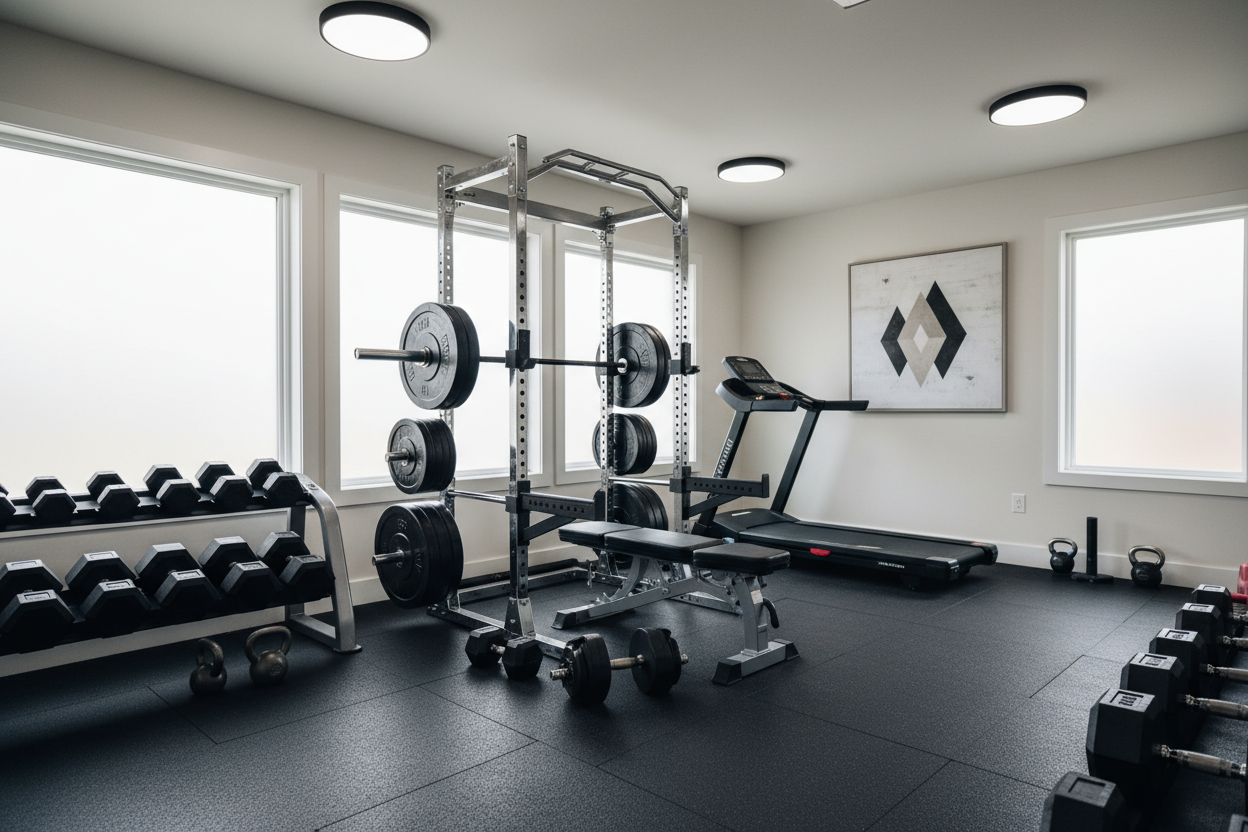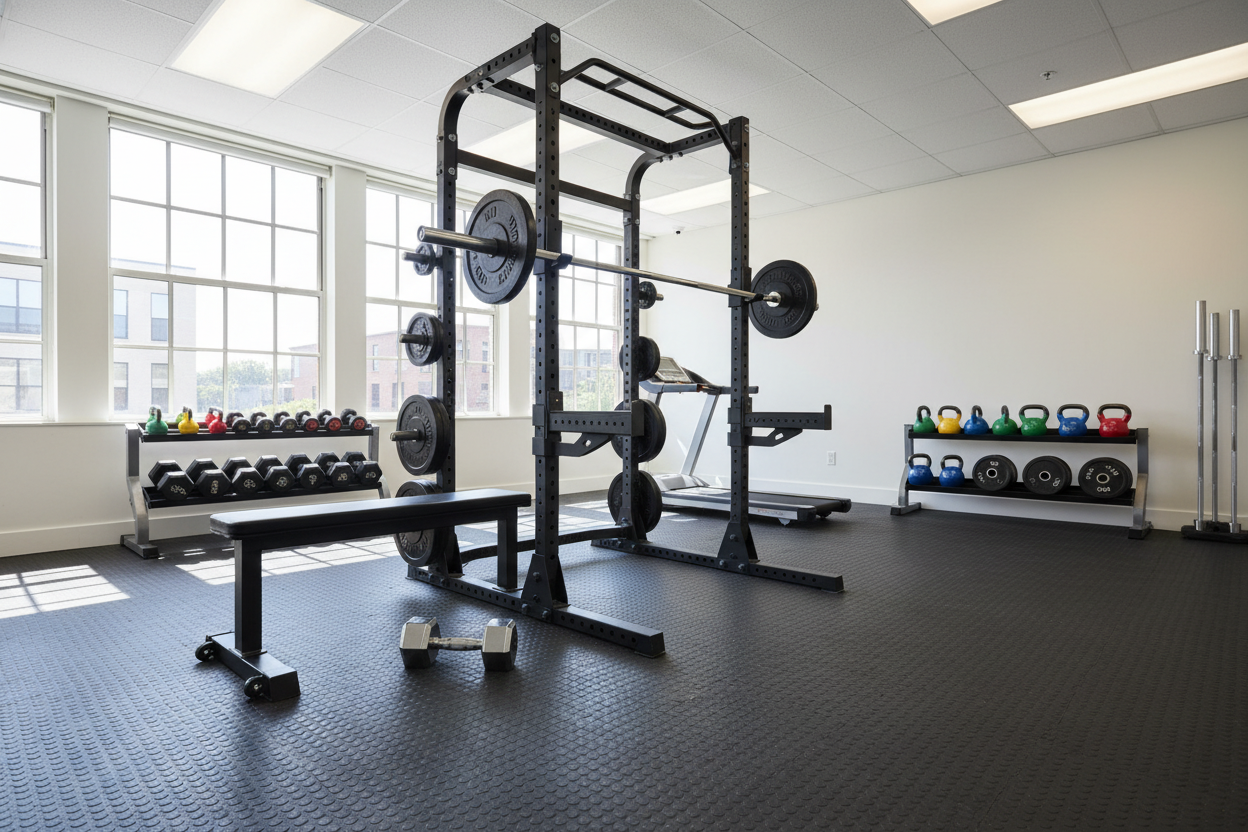
Why Your Exercise Equipment Weights Are Probably Lying to You
I was stuck at a 225-lb bench press for three months. Every Tuesday, I’d lay down, unrack the bar, and feel like I was fighting a lopsided battle. One side always felt like it was dragging through wet cement while the other felt snappy. I blamed my form, my rotator cuff, and my sleep. I never thought to blame my exercise equipment weights.
Then I bought a digital scale. I started weighing my plates—the cheap, 'Olympic' iron I’d scored off a local classifieds site. My jaw hit the rubber flooring. One '45-lb' plate weighed 43.2 lbs. Its partner on the other side? 47.8 lbs. I wasn’t benching 225; I was benching a lopsided 221 with a nearly 5-lb discrepancy between my left and right arms. No wonder my progress stalled.
- Most budget iron plates have a weight tolerance of 5% to 10%, meaning a 45-lb plate can vary by nearly 5 lbs.
- Machined plates and calibrated discs are the only way to ensure 100% accuracy, but they come with a premium price tag.
- Inconsistent gym weights equipment can lead to muscle imbalances and 'phantom' plateaus in your programming.
- You can fix budget gear by weighing each plate once and marking the true weight with a paint pen.
The Day I Realized My 45s Weren't Actually 45 Pounds
The frustration of a plateau is real, but a plateau caused by bad math is just insulting. When I finally put my gear on the scale, I realized I had been 'PR-ing' on some days and 'under-loading' on others without knowing it. That 4.6-lb difference between my plates might not sound like much to a casual lifter, but when you're working at 90% of your max, it’s the difference between a clean rep and a failed set.
I spent weeks thinking my left tricep was just weaker. In reality, I was asking it to do more work every single session. If you’ve ever felt like the bar is tilting for no reason, stop checking your grip and start checking your plates. It’s the most overlooked variable in a home gym setup.
Why So Much Iron is Wildly Inaccurate
Most of the 'bargain' iron you find at big-box stores is sand-cast. They pour molten iron into a mold, let it cool, and slap some grey paint on it. There is zero post-processing. If the mold was slightly off or the iron cooled unevenly, you get a plate that is '45-ish' pounds. These manufacturers usually have a 5% tolerance, which is a massive window when you're stacking multiple plates.
If you want accuracy, you have to look at machined plates. These are cast slightly heavy and then a machine lathe shaves down the back or the rim until it hits the target weight. For the real nerds, check out this Name Of Weights The Definitive Guide To Gym Equipment Terminology to see how these differ from competition-grade calibrated discs, which use lead plugs to get within grams of the stated weight.
How to Weigh Your Gear Without Going Crazy
You don’t need a laboratory-grade scale to fix this. A decent digital bathroom scale works, though a luggage scale with a hook is often easier for plates. Weigh every plate in your gym once. Take a silver paint pen and write the actual weight—down to the decimal—right on the face of the plate. It’s not pretty, but it’s honest.
When you know your '45' is actually a 44.2, you can pair it with another light plate to keep the bar balanced. People often ask if Free Weight Exercise Equipment Is It Worth The Home Gym Space when it's this inaccurate. The answer is yes, but only if you're willing to account for the 'junk' factor of budget iron. If you have the space, keep the iron for the heavy stuff and use the paint pen method to stay sane.
Do You Actually Need Calibrated Plates?
Look, if you're just doing curls and rows, a 2-lb swing doesn't matter. But if you're chasing a 400-lb squat or prepping for a powerlifting meet, accuracy is mandatory. You can't follow a percentage-based program if your '85% load' is actually 82% one day and 88% the next. Consistency is the driver of adaptation.
Beyond the plates, your environment matters. Pairing accurate weights with a stable, high-quality Gxmmat Adjustable Weight Bench ensures that your mechanics stay consistent. If the bench wobbles and the weights are lopsided, you're just begging for an injury. Save the calibrated plates for your primary barbell movements and use the cheap stuff for your accessory work.
Upgrading to Bumpers That Actually Hit the Mark
If you're tired of the 'iron lottery,' it might be time to switch to bumpers. High-quality Gxmmat Bumper Plate Sets are often manufactured with much tighter tolerances than old-school cast iron. Because they use virgin rubber or urethane over a steel core, the density is more controlled.
Plus, they don't clank like a 1920s factory every time you set the bar down. When you buy a set that actually weighs what it says on the tin, your programming finally starts to make sense again. No more 'heavy' days that were actually just 'bad plate' days.
FAQ
How much weight discrepancy is normal?
For standard cast iron, expect a 2-3% variance. For 'economy' iron, I've seen as high as 10%. If a 45-lb plate is more than 2 lbs off, I usually consider it a manufacturing defect.
Do dumbbells have the same issue?
Absolutely. Cheap rubber hex dumbbells are notorious for being off by a pound or two. Always weigh your 'matching' pairs to make sure they actually match.
Should I return inaccurate plates?
If you bought them new and they are more than 5% off, yes. Most reputable brands will replace a plate that is wildly outside their stated tolerance. If you bought them used, just break out the paint pen and deal with it.