What a good shoulder and trap workout actually looks like at home
I remember the first time I tried to pull a 400-pound rack pull in my old garage. My traps felt absolutely nothing, but my hands felt like they were being crushed by a hydraulic press. I spent months chasing massive shoulders and traps by just adding more plates to the bar, but my grip was always the first thing to give out. It’s a frustrating cycle: you want the yoke, but your forearms are the bottleneck.
If you have been scrolling through forums at midnight trying to figure out how to get bigger shoulders and traps, you have probably realized that most advice is just 'do more overhead presses.' But for those of us training at home with limited gear, we have to be smarter. A truly good shoulder and trap workout isn't about the heaviest weight you can move; it is about making sure the right muscles are doing the work before your hands quit on you.
Quick Takeaways
- Pre-exhaustion ensures your delts and traps fail before your grip does.
- Isolation movements should come before heavy compound lifts in this protocol.
- Chest-supported movements eliminate the 'cheat' momentum that ruins trap growth.
- High-volume, explosive movements like seated cleans are superior for how to build shoulders and traps.
The Grip Bottleneck Ruining Your Yoke
It is the same story every Monday. You load up the bar for heavy shrugs, your ego is high, and by rep four, the bar is slipping out of your palms. You are left wondering how to get big shoulders and traps when you cannot even hold the weight long enough to feel a deep contraction. Most exercises for sculpted shoulders are failing because lifters prioritize the number on the plates over the actual tension on the lateral and posterior deltoids.
When you go too heavy, too soon, your body finds a way to compensate. You start using your hips to pop the weight up, or your lower back starts arching to help with the shrug. This is the fastest way to stay small and get injured. To get massive shoulders and traps, you have to accept that your grip is a weak link. If you do not have a pair of high-quality straps—or even if you do—the sheer fatigue of holding heavy iron often ends the set before the traps have even reached their growth threshold. We need a way to bypass this limitation.
Pre-Exhaust: The Secret to Massive Shoulders and Traps
If you want to know how to get massive shoulders and traps, you have to understand the pre-exhaustion principle. Normally, we do heavy presses first. But by the time you get to your isolation work, your nervous system is fried. Instead, we are going to fatigue the lateral and rear heads of the deltoid with lighter, high-tension movements first. This ensures that when we finally move to the 'big' lifts, the shoulders are already at 80% capacity.
This is the secret to how to get huge shoulders and traps without needing a 500-pound deadlift. When your shoulders are pre-fatigued, a 135-pound overhead press feels like 225. Your traps are forced to work harder to stabilize the weight because the primary movers are already tired. This method saves your joints and ensures that your grip—which is still fresh because you started with lighter dumbbells—is not the reason you stop a set. It’s a total shift in how to get bigger shoulders and traps without needing a commercial gym's worth of machines.
The No-Nonsense Blueprint
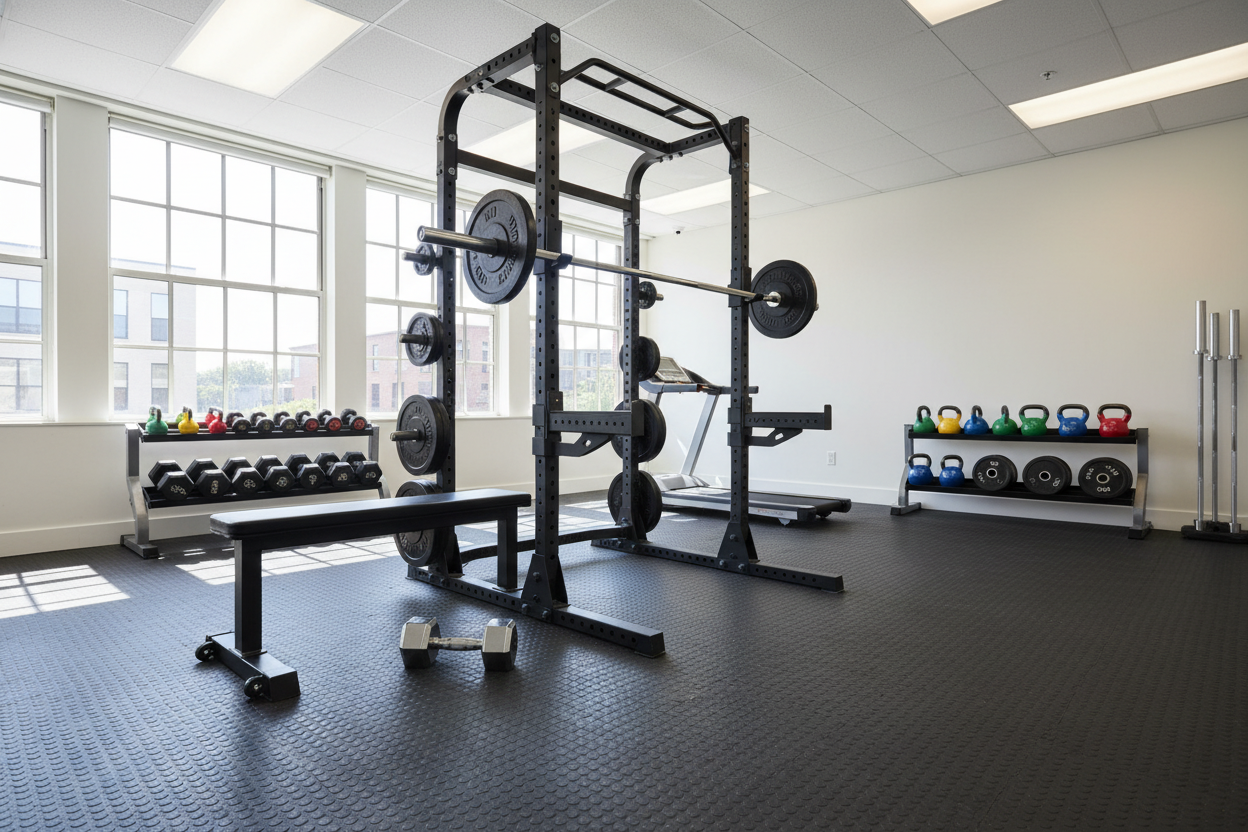
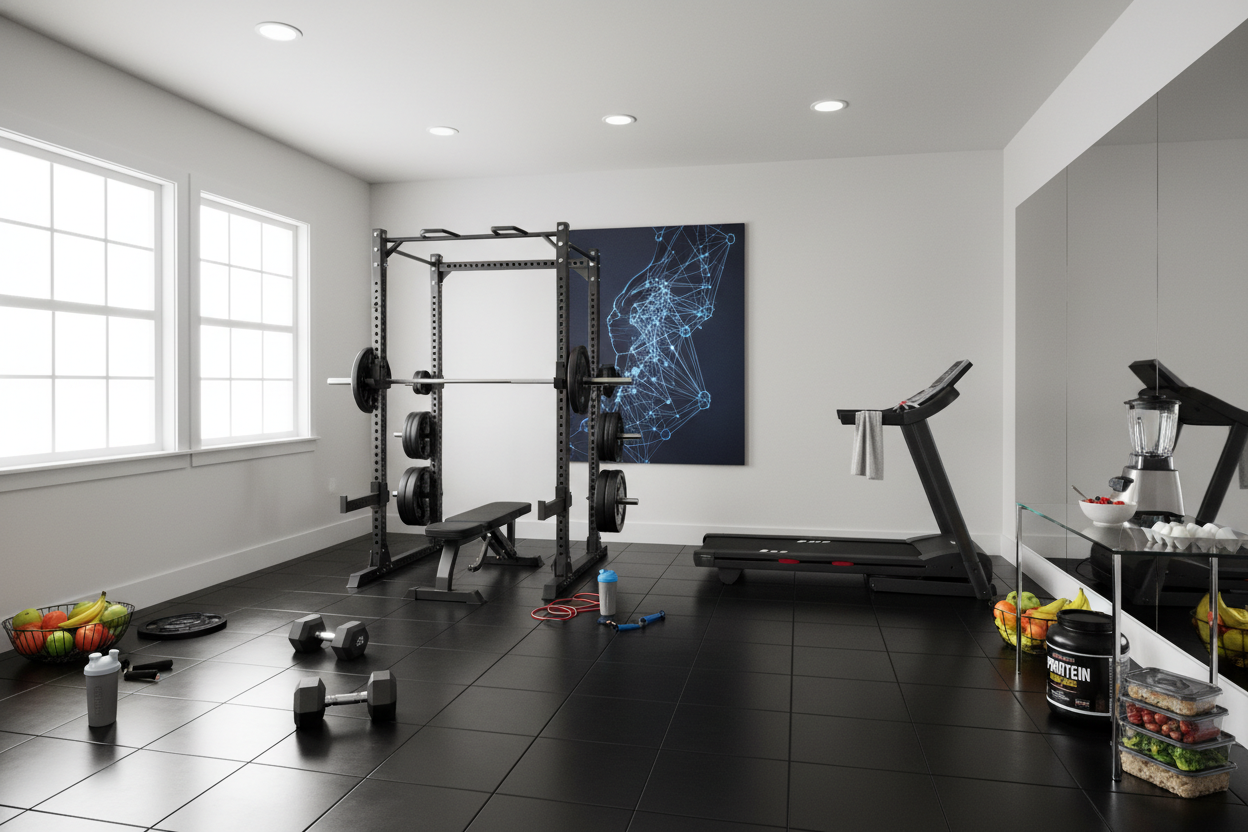
You do not need a massive rack or a cable crossover to make this work. In fact, most of my best growth came from a simple weight set and bench in a 10x10 space. This routine focuses on time under tension and explosive movements that force the upper back to react. We are targeting the lateral delts, the rear delts, and the upper/middle traps in a specific sequence that builds that '3D' look.
Movement 1: The Chest-Supported Dumbbell Row (High Angle)
Set your incline bench to about 60 degrees. Lay chest-down and let your arms hang. Instead of pulling the weights to your hips like a standard row, you are going to pull them wide, keeping your elbows out. This hits the rear delts and the mid-traps with surgical precision. Because your chest is supported, you cannot use momentum. It is a pure, isolated burn. This is a foundational step in how to get big shoulders and traps because it builds the thickness that most people lack from only doing presses.
Movement 2: The Seated Dumbbell Clean
This is an old-school gem for how to build shoulders and traps. Sit on the edge of the bench, lean forward slightly, and explosively 'clean' the dumbbells to your shoulders using a shrug and external rotation. It’s a power move that targets the traps and lateral delts simultaneously. I highly recommend having solid gym flooring for home workout sessions like this, because when you hit true failure on these, you are going to want to drop those weights without cracking your concrete foundation.
Movement 3: The Strict Overhead Press (With a Pause)
Now that your delts are screaming, grab your barbell or heavy dumbbells. We are doing strict presses, but with a catch: a mandatory one-second pause at the bottom (at the collarbone). This kills the stretch reflex. You cannot bounce the weight. This forces the pre-exhausted muscles to generate force from a dead stop. This is how to get huge shoulders and traps—by making light weight feel incredibly heavy through strict mechanical disadvantage.
Stop Bouncing Your Shrugs
If I see one more person at the gym doing 'chicken neck' shrugs with 405 pounds, I’m going to lose it. Bouncing the weight with your calves does nothing for your traps. To actually build that yoke, you need a three-second eccentric (lowering) phase. You should feel the traps stretching under the weight. Strict control is the only way to ensure the traps are actually doing the work.
While some people look for how to get big shoulders at home using only bodyweight, the reality is that the traps need load. But they need controlled load. If you cannot hold the weight at the top for a full second and lower it slowly, it is too heavy. Period. Swallow your pride, drop the weight by 30%, and watch your traps actually start to grow for the first time in years.
Personal Experience: My Trap Plateau
For two years, I hit heavy deadlifts every week and wondered why my traps were flat. I thought my grip was strong because I could hold a heavy bar, but I realized I was just 'surviving' the set, not 'training' the muscle. I switched to this pre-exhaustion protocol and stopped using straps for six months. My traps finally popped because I was forcing them to stabilize throughout the entire range of motion, rather than just hanging onto a bar for dear life. My biggest mistake was thinking that 'heavy' always meant 'better.' It doesn't.
FAQ
Do I need a barbell for a good shoulder and trap workout?
No. You can do this entire routine with dumbbells and an adjustable bench. In fact, dumbbells allow for a better range of motion and more natural rotation, which is often better for shoulder health.
How often should I train shoulders and traps?
Twice a week is the sweet spot for most home lifters. This allows for enough volume to trigger hypertrophy without overtaxing your central nervous system or your rotator cuffs.
Should I use straps for this workout?
Try to avoid them for the pre-exhaustion movements. Use them only on the final set of your heaviest movement if your grip is truly failing, but the goal is to build that functional grip strength alongside your traps.