Why Your shoulder and trap exercises Are Giving You a Stiff Neck
I spent three years trying to build a 'yoke' using nothing but heavy barbell shrugs. Every Tuesday morning, I’d load up four plates, grind out 10 reps of what looked like a seizure, and wonder why my neck felt like it was in a vice for the next 48 hours. My traps weren't growing, but my chiropractor's bank account certainly was.
Most shoulder and trap exercises fail because they treat these muscles as separate entities. In reality, your upper back and delts are designed to function as a single, powerful unit. If you're tired of a stiff neck and zero growth, it's time to ditch the isolation fluff and start moving some real weight.
- Ditch the heavy, jerky shrugs to save your cervical spine.
- Focus on explosive compound movements like high pulls.
- Use heavy carries for massive time under tension.
- Widen your grip on rows to protect your rotator cuffs.
The Problem With Standard 'Yoke' Days
Most guys treat traps like an afterthought. They’ll spend an hour doing lateral raises and front raises, then tack on three sets of heavy barbell shrugs at the end. The problem? By the time you get to the traps, your nervous system is fried, and you end up using body English to move the weight. This usually leads to those sharp, stabbing neck spasms rather than actual hypertrophy.
You don't need to overcomplicate the foundation. I've seen people try to do twenty variations of the 3 best exercises for shoulders before they even touch a heavy pull. It's overkill. When you over-isolate the small muscles of the shoulder, you lose the ability to load the entire girdle with the weight necessary to trigger growth.
Stop Isolating: How the Delts and Upper Back Actually Work Together
Your body doesn't think in terms of 'delts' and 'traps.' It thinks in terms of movement. When you pick up something heavy off the ground or pull it toward your chin, your traps stabilize the scapula while your delts move the humerus. They are a team.
If you want that thick, powerful look, you need movements that force these muscles to coordinate under load. Straight up-and-down isolation movements like the standard shrug often miss the middle and lower fibers of the traps, leaving you with a weird, hunched look instead of a dense upper back.
The best exercises for shoulders and traps (That Aren't Shrugs)
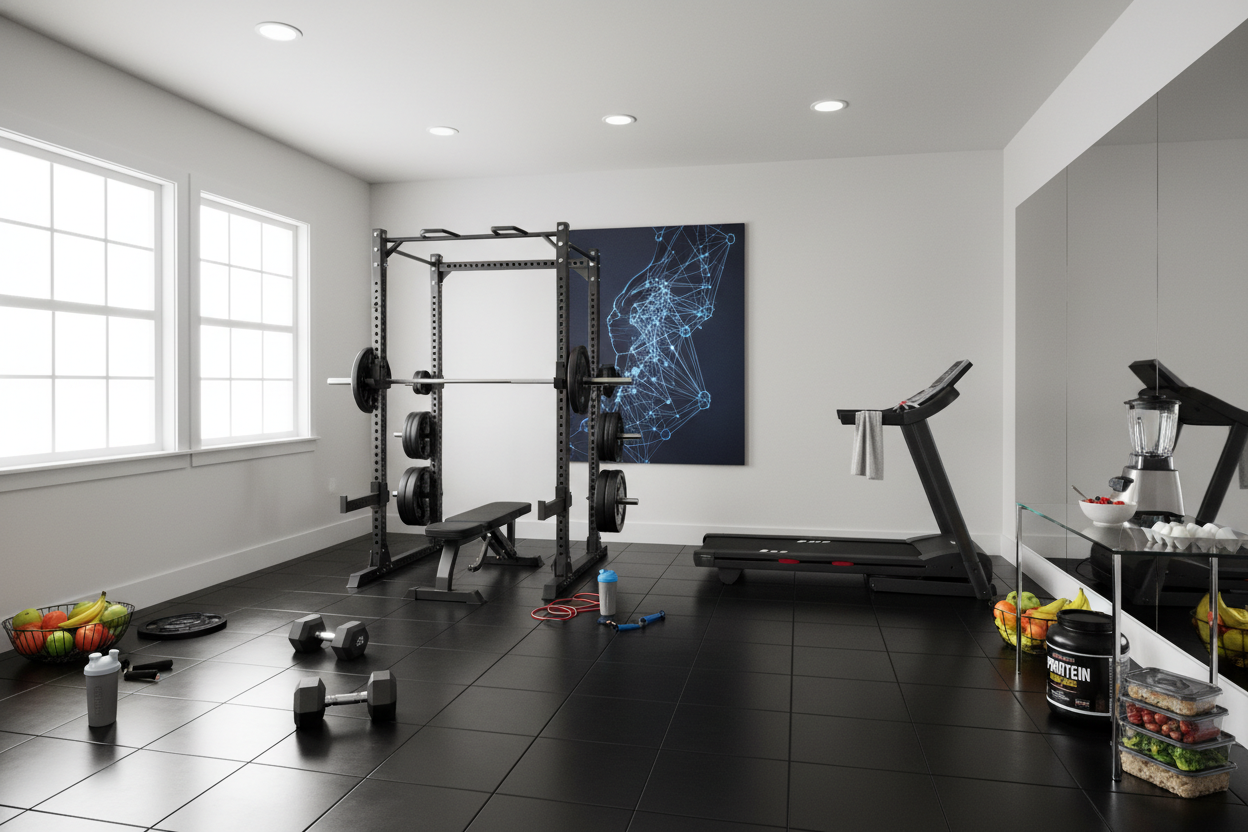
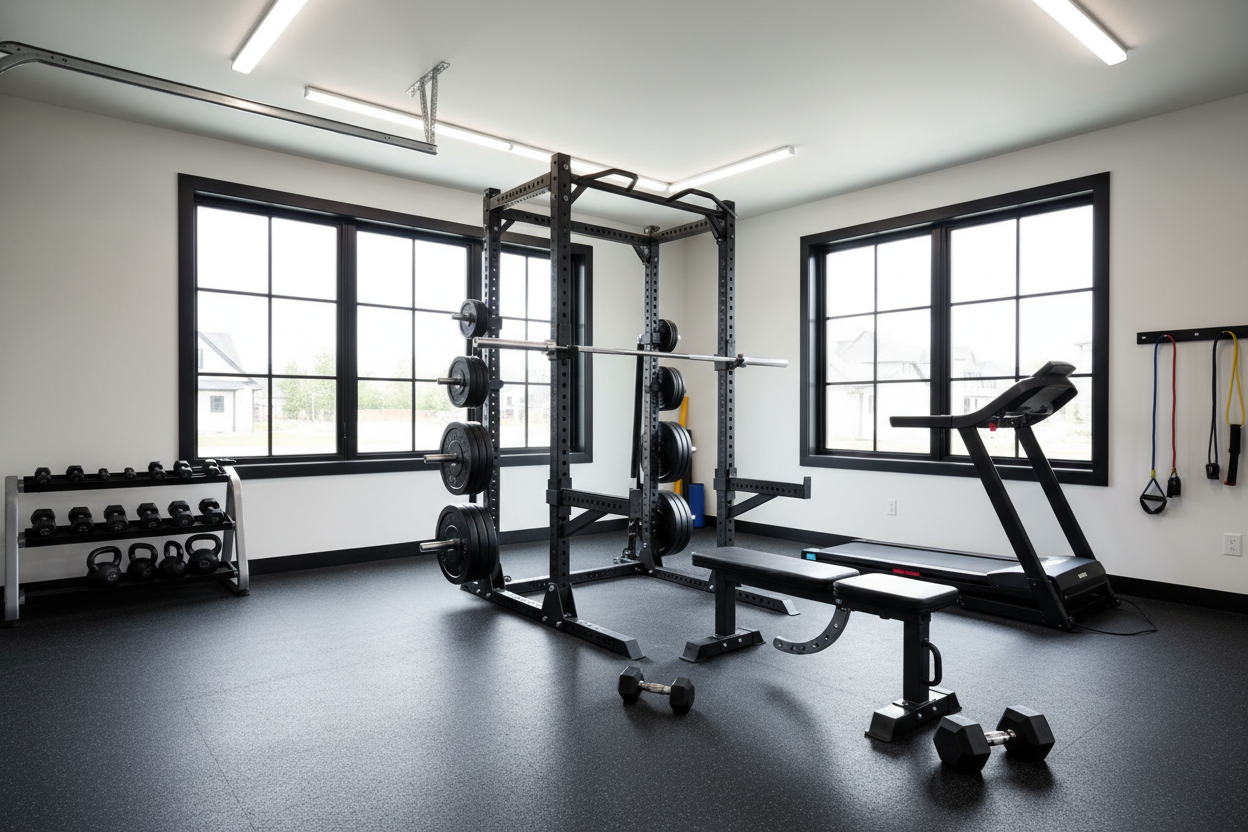
To build a real yoke, we’re going to focus on three movements that prioritize explosive power and extreme time under tension. These are the staples I’ve used in my own garage gym to actually see progress.
Movement 1: The Snatch-Grip High Pull
This is the single most effective movement for building massive traps and rear delts. By using a wide 'snatch' grip, you force the upper back to work through a much larger range of motion. It’s explosive, meaning you’re hitting those high-threshold motor units that isolation moves just can't touch.
You don't need a fancy Olympic lifting platform for this. A standard weight set and bench is all you need to get started. Keep the bar close to your body, drive with your hips, and pull the bar to chest height. The 'catch' at the top is where the trap growth happens.
Movement 2: Heavy Farmer's Carries
Nothing builds stability and mass like holding heavy stuff and walking with it. Farmer’s carries provide a unique stimulus: isometric tension under a moving load. Your traps are screaming just to keep your arms in their sockets while your shoulders stabilize the weight.
I usually go as heavy as my grip allows. When my hands finally give out, I’m glad I have a thick 6X8Ft Exercise Mat on my floor. Dropping 100-lb dumbbells on bare concrete is a great way to crack your foundation; having that rubber cushion saves your gear and your floor.
Movement 3: The Wide-Grip Upright Row
The upright row gets a bad rap for causing shoulder impingement, and if you do them with a narrow grip and your elbows way above your ears, the critics are right. But if you take a grip outside shoulder width, it becomes a lateral delt and upper trap powerhouse.
Keep the bar close to your chest and only pull until your elbows are level with your shoulders. This 'wide' path opens up the shoulder joint, sparing your rotator cuff while absolutely torching the side delts. It’s the missing link in most shoulders and traps workout routines.
Putting It Together: The best shoulders and traps workout
You don't need to do this every day. Twice a week is plenty if the intensity is high. Here is how I program it:
- Snatch-Grip High Pulls: 5 sets of 3-5 reps (Go heavy and explosive).
- Farmer's Carries: 4 sets of 40 yards (Use a weight that makes you want to quit at 30 yards).
- Wide-Grip Upright Rows: 3 sets of 10-12 reps (Focus on the squeeze at the top).
If you're already following a solid split, like the best workout for shoulders and chest, I recommend slotting this yoke-specific work on your 'pull' day or a dedicated accessory day. Don't try to smash these heavy pulls right after a max-effort bench press session; your stabilizers will be too toasted to keep your form clean.
My Personal Experience
I used to be the guy doing 500-lb rack pulls just to 'feel' my traps. All I felt was a pinched nerve in my neck that sidelined me for a month. When I finally swallowed my pride and switched to high pulls and carries, my neck pain vanished. My traps actually started to pop out from under my t-shirts. The lesson? More weight on an isolation move isn't better than the right weight on a compound move.
FAQ
Can I do these with dumbbells?
Yes, especially the carries and upright rows. For high pulls, a barbell is better for the explosive 'hip drive' aspect, but heavy dumbbell snatches are a decent substitute.
Will high pulls hurt my shoulders?
Not if you use your hips. If you try to 'muscle' the weight up using only your arms, you're going to have a bad time. The power comes from the lower body; the traps just finish the movement.
How often should I train traps?
Traps are incredibly resilient. You can hit them 2-3 times a week, but since they are involved in almost every back and shoulder movement, watch out for signs of overtraining like a chronically stiff neck.