Forget the Pink Weights: The Real Best Exercises for the Elderly
I walked into a local community center last month and saw a row of people in their 70s waving bright pink plastic ribbons. It made my blood boil. We’ve been conditioned to think that once you hit 65, your body becomes a piece of fragile china. That’s a lie that leads straight to the nursing home. The best exercises for the elderly aren't light aerobics or seated arm circles; they are the same movements that build athletes, just scaled for the person in front of you.
- Strength is the ultimate insurance policy for independence.
- Compound movements beat isolation machines every single time.
- If you lose the ability to get off the floor, you lose your freedom.
- Resistance training is the only way to stop bone density loss.
Why Are We So Afraid to Let Older Folks Actually Lift?
Most 'senior fitness' classes are a total waste of time. They focus on 'staying active' rather than 'getting stronger,' which is a massive distinction. Sarcopenia—the age-related loss of muscle—doesn't care about your seated toe-taps. To fight it, you need intensity. The best senior exercises require actual resistance to stimulate the nervous system and keep those bones from turning to chalk.
I’ve seen trainers spend 30 minutes doing 'balance drills' on a foam pad when the client can't even perform a proper hinge. If you want better balance, you need stronger glutes and a more stable core. You don't get that from waving ribbons; you get it from picking things up. We need to stop babying the elderly and start training them like the resilient humans they are.
What Is the Number One Exercise for Seniors?
People ask me all the time: 'what is the best exercise for seniors?' My answer is always the same. It’s the one that keeps you off a toilet riser. The sit-to-stand is the ultimate marker of independence. In the gym world, we call this a box squat. If you can't sit down and stand up under control, you're looking at a future of assisted living.
I’ve seen 80-year-olds go from needing a walker to walking unassisted just by mastering this one pattern. Truly, the box squat is the best exercise for elderly folks because it protects the knees while forcing the hips to do the heavy lifting. It’s functional, it’s safe, and it’s the highest-yield movement in existence for anyone over 60.
The 10 Best Exercises for Seniors (That Build Real Strength)
When building a routine, I look for 'bang-for-your-buck' movements. We want the 10 best exercises for seniors that cover every major movement pattern: pushing, pulling, hinging, and carrying. These aren't just gym exercises for elderly people; they are life-saving skills.
- 1. Box Squats (The king of lower body movements).
- 2. Farmer’s Carries (Grip strength is a massive mortality predictor).
- 3. Wall or Incline Push-ups (Maintaining upper body push power).
- 4. Seated Cable or Band Rows (Crucial for posture).
- 5. Deadbird/Kettlebell Hinge (Teaching the hips to load).
- 6. Step-ups (Building single-leg stability).
- 7. Glute Bridges (Waking up the posterior chain).
- 8. Overhead Press (Keeping shoulder mobility).
- 9. Bird-Dogs (Core stability without spinal flexion).
- 10. Dead Hangs (Decompressing the spine and building grip).
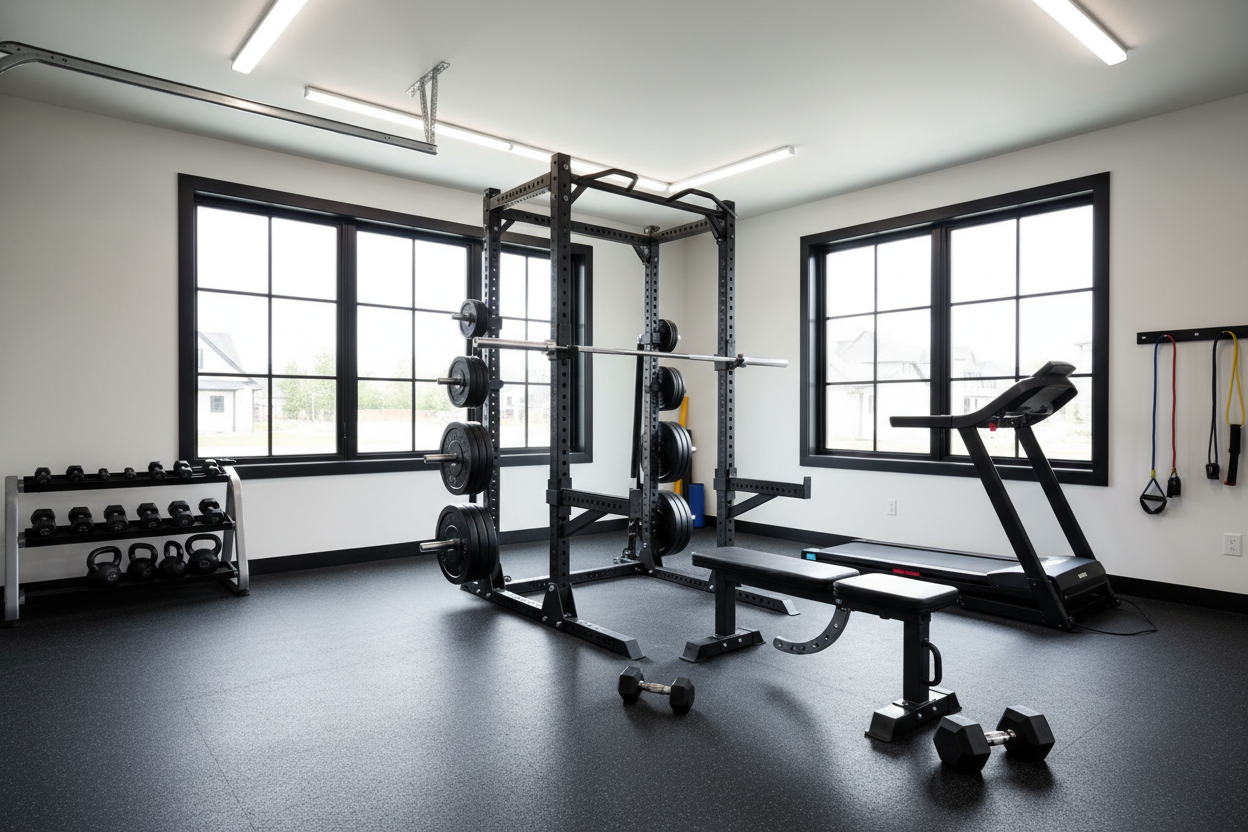
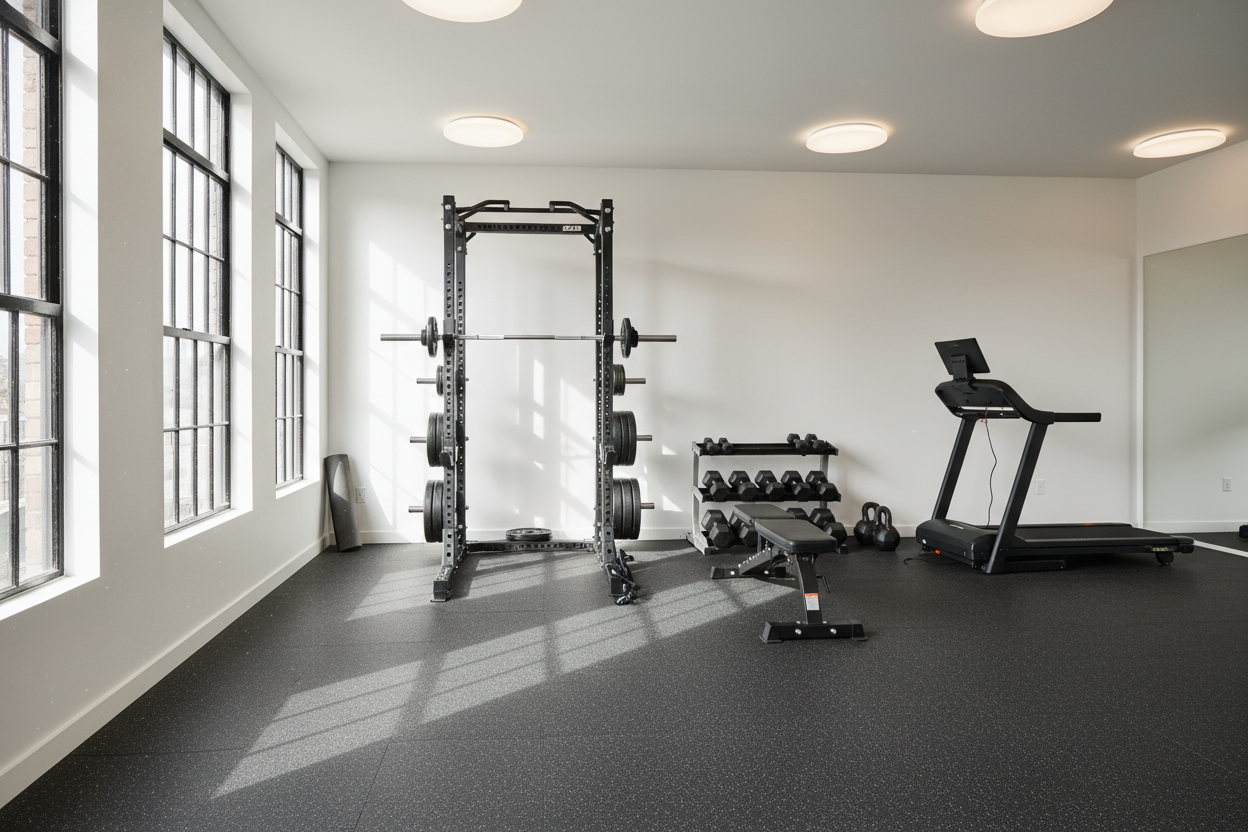
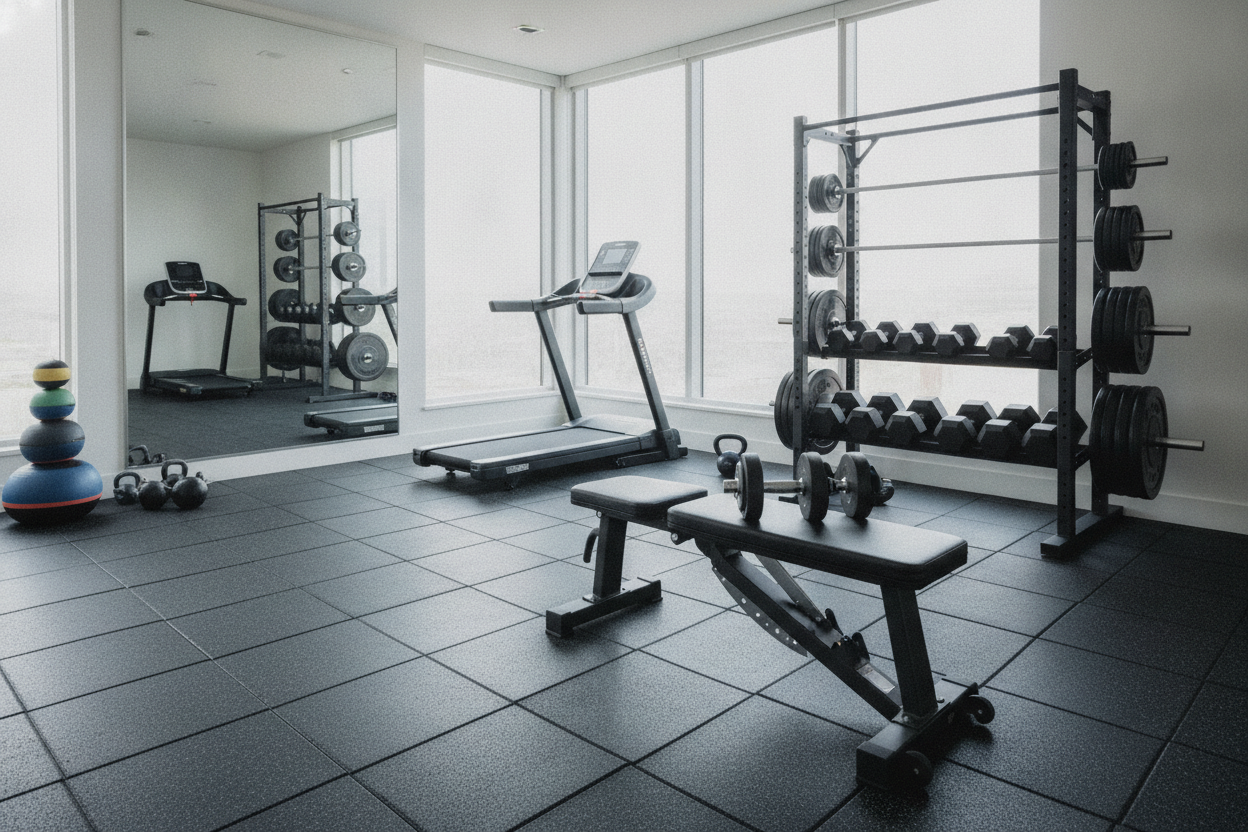
You don't need a $5,000 commercial setup to do this. You just need some basic, high-quality gear. If you're looking for the best exercise equipment to get started, a pair of adjustable dumbbells and a sturdy bench will cover 90% of these movements.
Setting Up a Safe Space for Gym Exercises for Elderly Relatives
If you’re setting up a training space for an aging parent, skip the fancy machines. They take up too much room and lock the body into unnatural paths. Instead, focus on the floor. A slippery hardwood floor or a bunch of loose rugs is a hip fracture waiting to happen. You need a dedicated, high-traction zone for gym exercises for elderly folks.
I always recommend a large exercise mat for home gym use to create a 'safe zone.' Specifically, a 6x8ft exercise mat is the sweet spot. It provides enough footprint for them to do farmer's carries or step-ups without worrying about catching a toe on the edge of the mat. It also provides enough cushion for joints if they need to get down for bird-dogs or bridges.
Ditch the Chair: A Better Way to Age
Moving into your 70s and 80s shouldn't be a slow fade into a recliner. It should be an active defense of your capabilities. Strength training is the only biological retirement plan that actually pays dividends in the form of mobility and cognitive health. Stop looking for the 'easy' way out and start lifting things. Your future self will thank you for the muscle you built today.
My Biggest Training Mistake
I tried training my 72-year-old dad a few years back. I was way too cautious. I gave him 5-lb dumbbells and focused on 'safety' because I was terrified he'd hurt himself. He got bored in two weeks and quit. When we tried again a year later, I handed him a 25-lb kettlebell for deadlifts. He loved it. He felt powerful. My mistake was assuming he was fragile. Don't make that mistake with yourself or your parents.
FAQ
What is the number one exercise for seniors?
The box squat. If you can't get off a chair without using your hands, you're losing the battle for independence. Master the squat first.
Is walking enough exercise for seniors?
No. Walking is great for heart health, but it does nothing to stop the loss of muscle mass or bone density. You need resistance training.
How many days a week should an older adult lift?
Two days a week is usually the sweet spot. It provides enough stimulus to grow while allowing for the longer recovery times that come with age.