Why Your Cable Exercise for Glutes Feels Completely Useless
I spent years scrolling through social media watching people do endless variations of cable kickbacks, only to try them myself and feel absolutely nothing but a dull ache in my lower back. It is a common frustration. You see the pump, you see the effort, but when you step up to the machine, it feels like you are just moving air or, worse, fighting the machine rather than your own muscles. If you are struggling to see progress, it is likely not your anatomy—it is your setup.
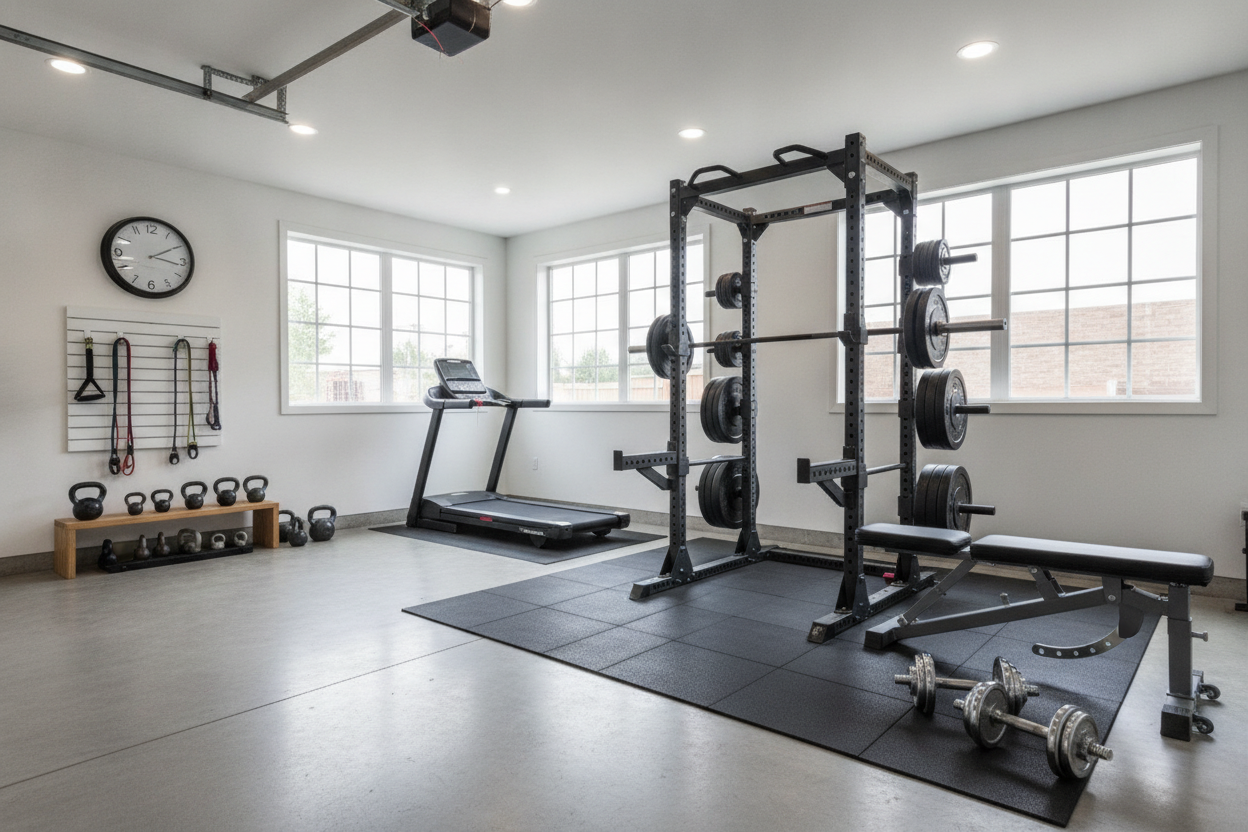
Finding the right cable exercise for glutes isn't about finding the most exotic movement; it is about mastering the physics of leverage and stability. Most people treat the cable machine like a toy, but if you treat it like a primary builder, the results change fast. I have tested dozens of configurations in my own garage gym, and the difference between a wasted set and a massive pump usually comes down to three inches of foot placement and a solid grip.
Quick Takeaways
- Stability is the foundation of force—if you are wobbling, your glutes aren't working.
- The cable pull-through is the king of heavy loading for the posterior chain.
- Stop standing upright; a forward lean is mandatory for proper hip mechanics.
- Floor traction is the most underrated variable in cable training.
The Real Reason Your Cable Glute Workouts Are Failing
The biggest mistake I see? A total lack of bracing. When you perform a glute exercise with cable machine setups, the weight is trying to pull you out of position. If your core is soft and your stance is narrow, your body will instinctively recruit your lower back and hamstrings to keep you from falling over. The glutes get left in the dust because they are too busy trying to stabilize your spine.
Most gym-goers also ignore the line of pull. If the cable is pulling from an angle that doesn't align with the direction your glute fibers run, you are just spinning your wheels. You need to stop mimicking influencers who prioritize aesthetics over mechanics. Real muscle engagement requires a rigid torso and a path of resistance that forces the hip into deep extension under load.
Stop Standing Straight Up: The Stability Fix
If you are standing perfectly vertical during your cable booty workout, you are killing your leverage. To actually move heavy weight, you need to create a closed-loop system. This means grabbing the machine frame or a heavy bench with both hands. By anchoring your upper body, you allow your hips to become the sole pivot point for the movement.
When you are locked in, you can push far more weight—often double what you could handle while standing free. This level of stability mimics the locked-in feel of a dedicated commercial leg machine, turning a simple cable tower into a powerhouse for hypertrophy. Without that anchor, you are limited by your balance, not your strength.
The One Cable Exercise for Glutes You Should Be Loading Heavy
If I could only pick one movement, it is the cable pull-through. This is the ultimate glute exercise with cable machine setups because it allows for massive progressive overload. Unlike kickbacks, which can get awkward once the stack gets heavy, the pull-through is basically a standing hip thrust. It teaches you how to hinge properly while keeping constant tension on the glutes at the bottom of the rep.
I recommend using a long rope attachment and standing far enough away that the weights don't touch the stack at the bottom. This move is a perfect addition to a full body workout using cable machine programming because it hits the hamstrings and glutes without the systemic fatigue of a heavy barbell deadlift. Just remember: it is a hinge, not a squat. Reach your butt back toward the wall behind you until you feel a deep stretch, then snap your hips forward.
How to Actually Do Cable Kickbacks Without Wasting Time
If you are going to do a glute cable raise or kickback, stop setting the pulley at the very bottom. Most people have the cable at floor level, which creates a weird, jerky tension. Instead, move the pulley up to about knee height. This aligns the cable with the natural arc of your leg as it moves back and out.
Also, check your ankle straps. The cheap, thin ones that come with most home gyms are garbage. They shift, they dig, and they break. Get a pair of heavy-duty, padded cuffs that stay put. When the strap is secure, you can actually focus on driving your heel back rather than wondering if the Velcro is about to fail mid-rep. Keep the weight heavy enough that you struggle at 10 reps, but light enough that your hips stay square to the machine.
Your Feet Are Sliding (And It Is Ruining Your Pull)
Floor traction is the silent killer of cable glute exercises. I have worked out in garages with slick epoxy floors, and trying to do a heavy pull-through or kickback is a nightmare. If your feet are sliding forward even a fraction of an inch, your brain will shut down the power output to the glutes to prevent you from falling. It is a survival mechanism.
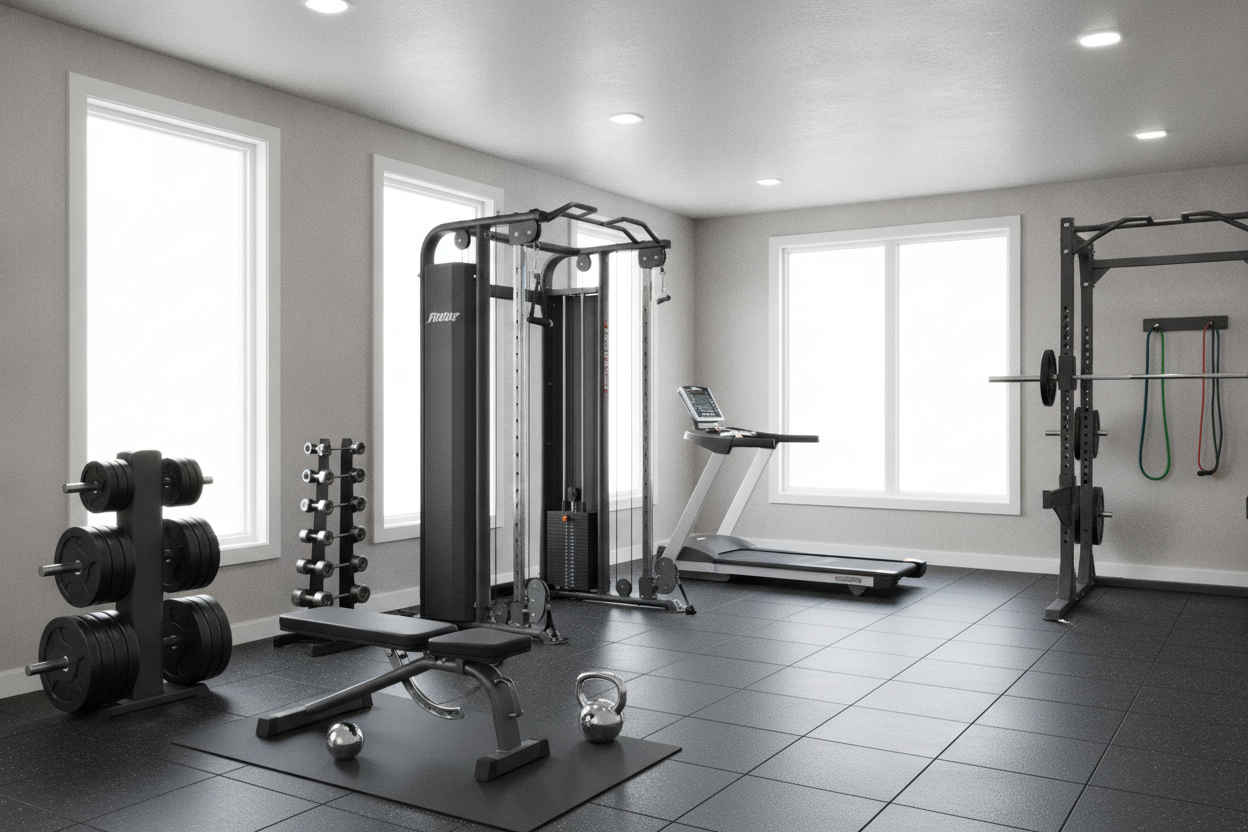
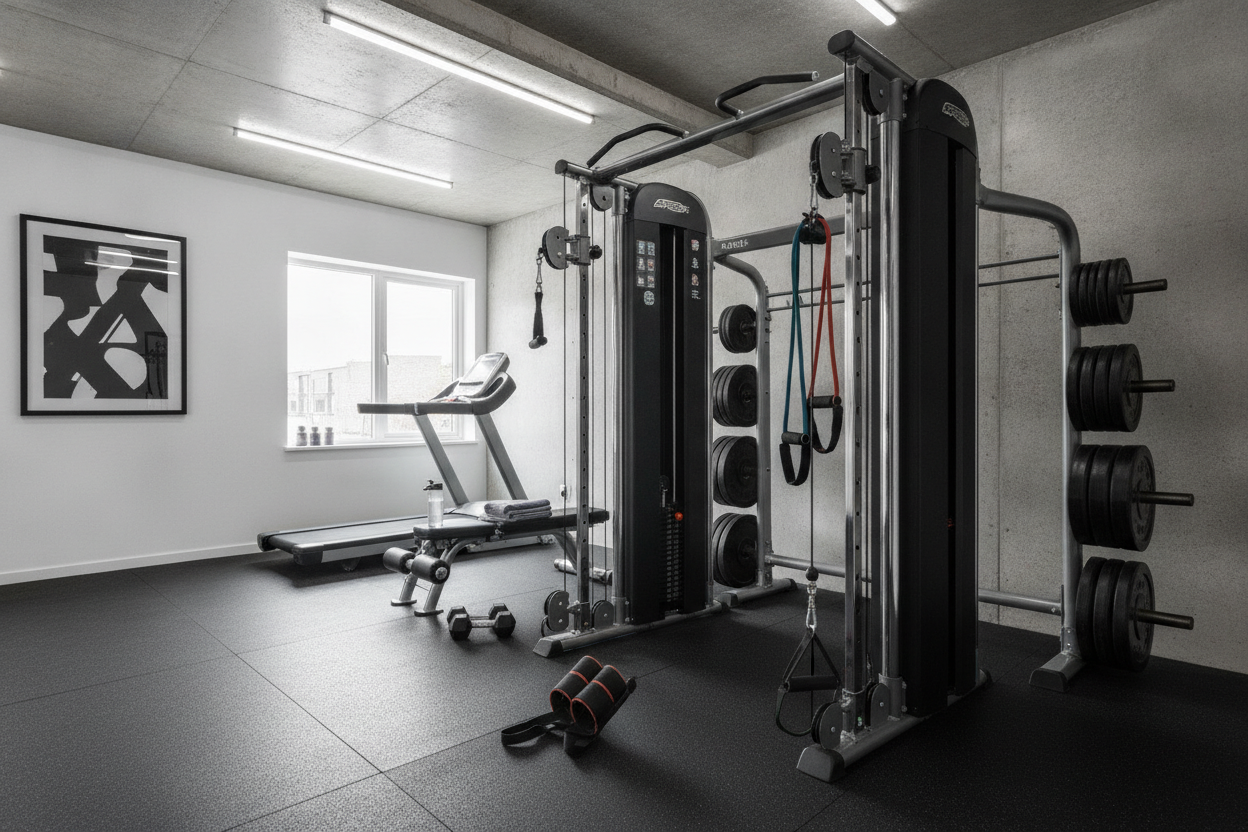
If you are serious about loading up, you need a high-traction surface. Upgrading to quality gym flooring for home workout setups is the easiest way to instantly increase your strength on the cable machine. When your feet are glued to the floor, you can drive through your heels and put 100% of that energy into the cable stack.
Personal Experience: The Ankle Strap Incident
I learned the hard way about cheap equipment. About three years ago, I was testing a high-volume glute workout on a budget cable tower. I was using a pair of bargain-bin ankle straps. On my third set of heavy kickbacks, the D-ring literally bent open, and the strap whipped back and hit the cable tower with a sound like a gunshot. I nearly did a face-plant into the rack. Since then, I don't mess around with flimsy attachments or unstable setups. If the gear doesn't feel solid, you will never have the confidence to lift the weights required for real growth.
FAQ
Can cables build as much glute mass as a barbell?
Yes, especially for isolation. While the barbell hip thrust is the king of total weight, cables provide constant tension that you just can't get with free weights. Use both for the best results.
Why do I feel cable glute exercises in my lower back?
You are likely over-extending your spine at the top of the movement. Focus on keeping your core tight and stopping the movement once your glute is fully contracted. More range of motion isn't better if it comes from your lumbar spine.
How often should I do a cable booty workout?
The glutes can handle a lot of volume. Two to three times a week is the sweet spot for most people, provided you are rotating between heavy compound movements and higher-rep cable isolation work.