The Only Way Circuit Training With Machines Actually Works
It is 5:30 PM on a Monday. You have exactly 45 minutes to get in, get sweaty, and get out before life calls. You want to try circuit training with machines because you heard it is great for metabolic conditioning, but the gym looks like a riot just ended. Every selectorized station is occupied by someone staring at their phone or doing three-minute rest intervals.
Trying to claim five different machines in a commercial gym is a recipe for a fistfight. I have been that guy trying to 'save' a lat pulldown with a water bottle while I ran over to the leg press, only to find my bottle on the floor and a group of teenagers taking over. It does not work. To make machine circuit training actually effective, you have to stop thinking like a bodybuilder and start thinking like a tactician.
- Efficiency is King: Use pin-loaded stacks to change resistance in under two seconds.
- The Single Footprint Rule: Anchor your circuit to one piece of equipment to avoid losing your spot.
- Constant Tension: Machines provide a resistance curve that free weights cannot match during high-heart-rate sets.
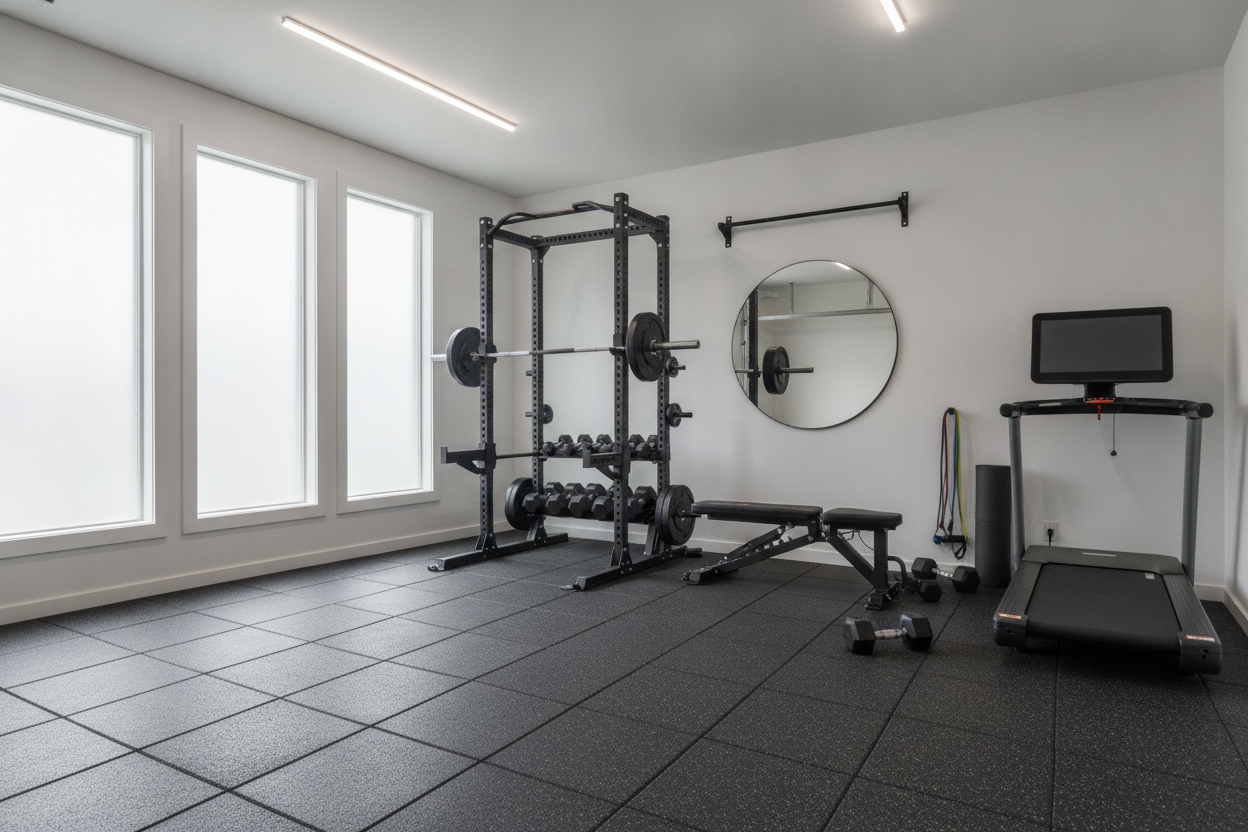
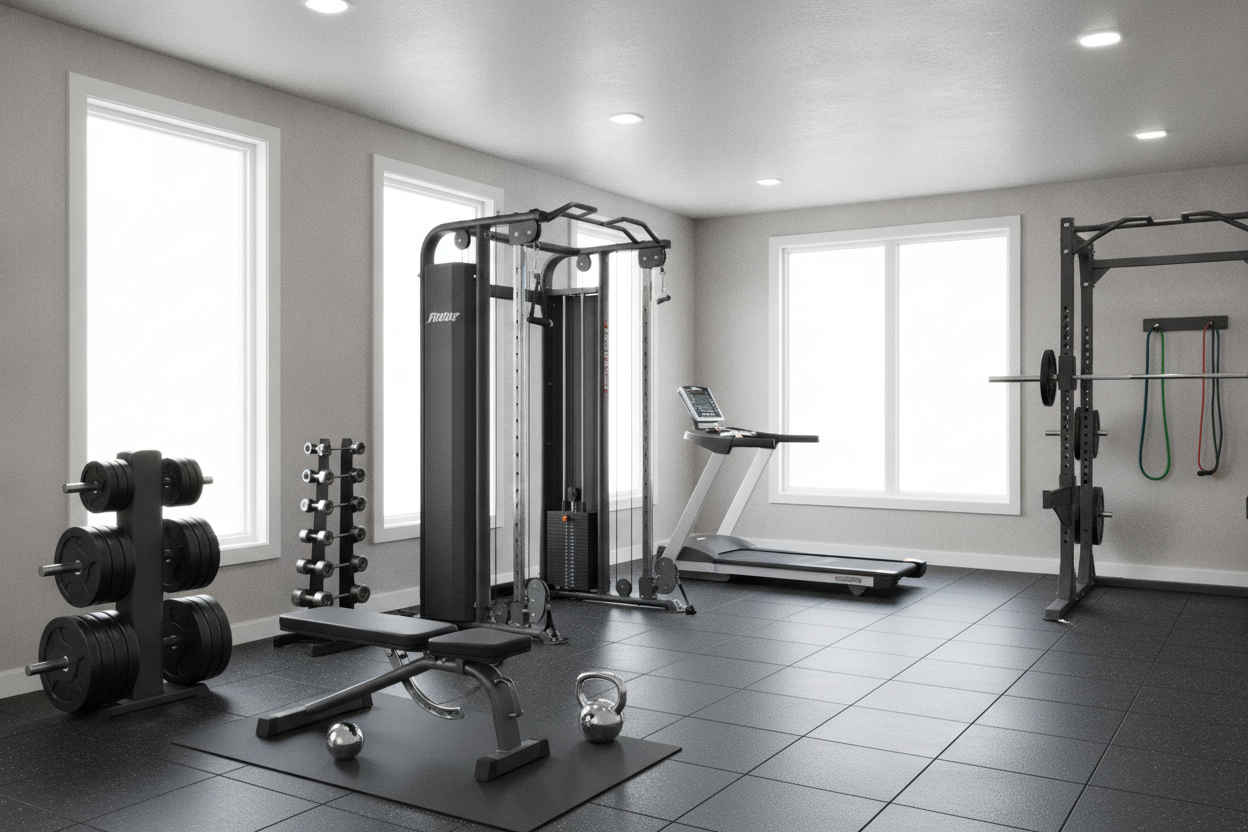
- Garage Gym Logic: Avoid massive multi-stack units unless you have a literal warehouse.
The Logistics Nightmare of the Commercial Gym
The biggest hurdle to machine circuit workouts is the 'territory' problem. Most plans you find online suggest jumping from a chest press to a seated row to a leg extension. In a real-world gym, that is impossible. By the time you finish your chest press and walk twenty feet to the row, someone has already hopped on. You lose your pump, your heart rate drops, and your 30-minute workout turns into an hour of frustration.
If you are going to run a circuit, you need to be able to see all your equipment from one standing position. This is why I tell my clients to stop roaming. Roaming is for people with home gyms and no kids. For the rest of us, we need a strategy that keeps us glued to one spot so we can actually maintain the intensity required for a metabolic circuit.
Why Pin-Loaded Stacks Beat Free Weights for Metcon
I love a heavy barbell as much as anyone, but for circuit training with equipment, pins beat plates every time. When you are gasping for air mid-circuit, the last thing you want to do is fumble with spring collars or lug 45-lb plates across the room. With a selectorized stack, you move a pin and you are ready. This allows for 'mechanical drop sets' where you can go from a heavy movement to a lighter one with zero downtime.
There is also the safety factor. When fatigue sets in during a high-intensity circuit, your form with dumbbells might get sloppy. Machines provide a fixed path of motion. This means you can push to absolute failure without worrying about a 50-lb hex bell crashing onto your toes or your lower back rounding during a row. You get the stimulus without the systemic risk.
The 'Single Station' Rule for High-Paced Sets
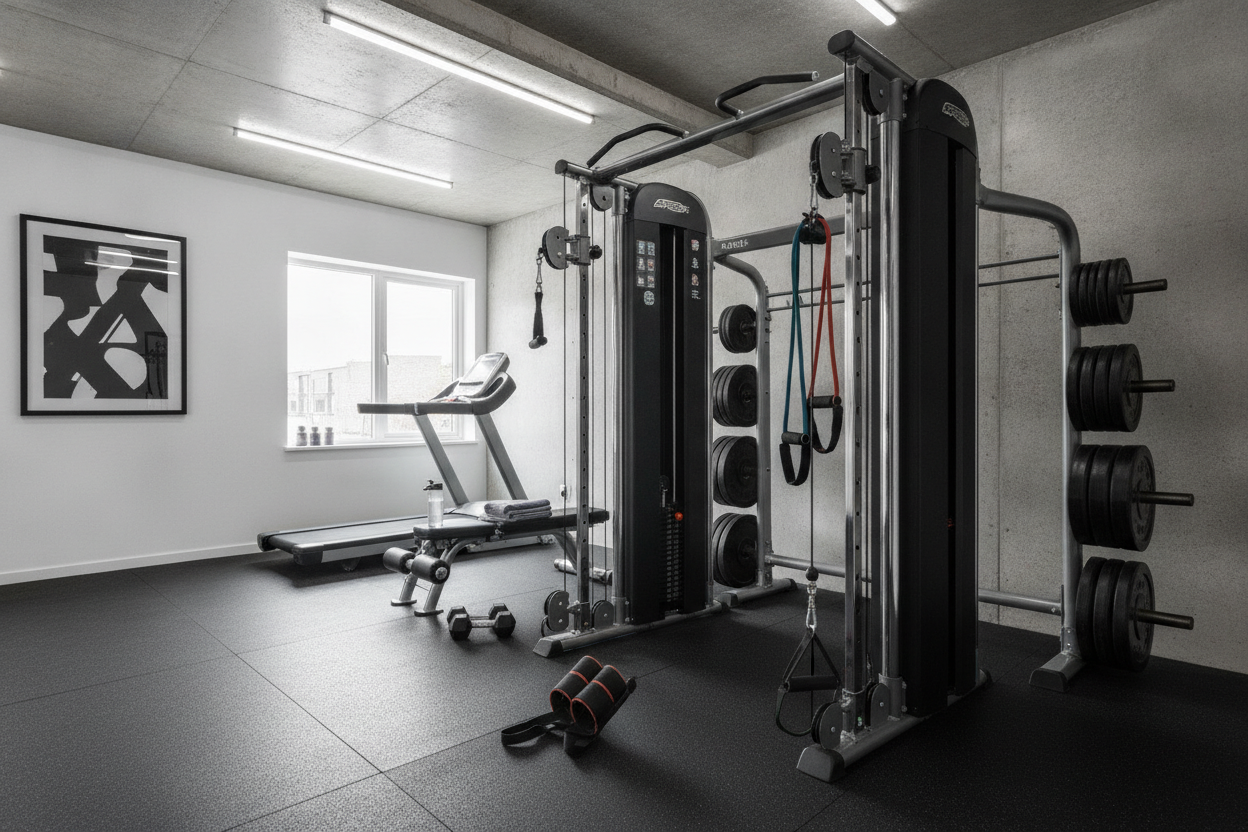
The secret to successful circuit training with weight machines is the Single Station Rule. You pick one versatile piece of equipment—usually a Dual Adjustable Pulley (DAP) or a functional trainer—and you stay there. A good cable tower allows you to hit chest, back, shoulders, and legs without moving more than two feet in any direction.
By staying at one station, you maintain 'ownership' of the space. You can move the pulleys from high to low in seconds. It is the only way to keep your heart rate in the target zone without getting interrupted by someone asking 'how many sets you got left.' If you are using a cable stack, the answer is always 'I am almost done,' because your transitions are so fast.
A Brutal 15-Minute Cable Tower Routine
Here is a circuit I personally use when the gym is packed. Set the weight to something you can handle for 15 reps with good form. Do these four moves back-to-back with zero rest. Repeat for five rounds.
- Cable Chest Press: Stand facing away from the tower, handles at chest height. Punch forward.
- Single-Arm Cable Row: Lower the pulley to waist height, face the tower, and pull. Keep your core tight.
- Cable Goblet Squat: Use the bottom pulley with a rope attachment. Hold it at your chin and squat deep.
- Face Pulls: Move the pulley to forehead height and pull toward your ears to torch the rear delts.
The beauty of this is the transition time. You spend more time under tension and less time walking. By the third round, your lungs will be burning, and you have not moved more than a yard.
Blending Iron With Cables for Maximum Efficiency
If you want to kick things up a notch, bring one pair of dumbbells over to your cable station. This hybrid approach is where circuit training with dumbbells really shines. You can use the cable for your primary 'heavy' movements and the dumbbells for explosive work like thrusters or lunges.
For example, do a set of cable lat pulldowns followed immediately by dumbbell goblet lunges. This keeps the footprint small but increases the total work capacity. You are not hogging the rack, and you are not hogging the machines. You are just one person in a corner getting more work done than the guy hogging the bench press for forty minutes.
Can You Actually Do This in a Garage Gym?
I get asked all the time if people should buy those massive 4-stack commercial units for their home. My advice? Don't. Unless you are training three people at once, buying dedicated circuit training equipment like a multi-station jungle is a massive waste of square footage. They are heavy, expensive to ship, and a nightmare to assemble.
In a garage gym, space is your most valuable currency. A solid functional trainer with a 2:1 ratio gives you everything you need for a machine circuit without taking up half the floor. I once bought a used 5-station unit for a steal, and I regretted it within a week. It was a dust magnet that made it impossible to park my car or move my power rack. Stick to a compact, high-quality cable tower and a few select free weights.
FAQ
Is machine circuit training as good as free weights?
For fat loss and conditioning, yes. For absolute 1-rep max strength, no. It is a tool for a specific job: high-intensity volume in a short window of time.
How do I know if the machine is high quality?
Look at the pulleys. If they are plastic and feel 'gritty' when you pull, skip it. You want aluminum pulleys and coated cables for that smooth, consistent drag that makes machine work effective.
Can I do this every day?
I would not. Machine circuits are taxing on the central nervous system if you go to failure. Stick to 3 days a week and focus on recovery in between.