Why Your 500lb Deadlift Means Nothing for Strength in Sports
I spent three years chasing a 500-pound deadlift in my garage, convinced it would make me a terror on the local rugby pitch. I bought the stiffest power bar I could find, cranked the volume, and ground out singles until my eyes bled. Then Saturday came. I was slow, I couldn't turn, and a 190-pound kid out-jumped me by six inches. That’s when I realized my obsession with strength in sports was actually making me a worse athlete.
Quick Takeaways
- Raw gym strength is static; athletic strength is dynamic and high-velocity.
- Rate of Force Development (RFD) matters more than your 1-rep max.
- Traditional powerlifting focuses on 'closed' skills, while sports require 'open' skill reactivity.
- Training for speed and rotation is the bridge between the rack and the field.
The Brutal Truth About Being 'Gym Strong'
We’ve all seen the guy who can squat a house but moves like he’s wearing a suit of medieval armor. In the garage gym community, we tend to fetishize the big three—squat, bench, and deadlift. While these movements build a necessary foundation, they are inherently slow. A max-effort squat takes two to three seconds of grinding. In a game, you have about 0.1 to 0.2 seconds to produce force before the opportunity is gone.
If you only train slow, you become slow. Your nervous system learns to grind, not to snap. Chasing a massive squat without any plyometric or speed work is a recipe for a high vertical jump... into a brick wall. You’re building a massive engine but forgetting to install the transmission that actually turns those horses into speed.
What is the Actual Definition of Strength in Sport?
The definition of strength in sport is the ability to produce the right amount of force, in the right direction, at the right time. It’s not about the total weight on the bar; it’s about how quickly you can recruit motor units to solve a physical problem. Whether that's exploding off the line or bracing for a tackle, it's a different beast than a controlled gym lift.
When we look at a strength sport definition, we’re usually talking about Powerlifting, Weightlifting, or Strongman. In those worlds, the weight is the only metric. However, a true strength in sport definition for an athlete includes Force Production, Rate of Force Development (RFD), and eccentric absorption. If you can’t absorb the force of a jump, you’re going to blow an ACL. If you can't produce force instantly, you're just a slow guy with big quads.
Why Speed Beats Raw Weight Every Time
Power is Force multiplied by Velocity. If you increase force (weight) but your velocity drops to a crawl, your power output actually decreases. This is why I stopped doing 'grinder' sets of five and started focusing on triples at 60% of my max, moved with maximum intent. You want to train your central nervous system to fire everything at once, like a shotgun blast, rather than a slow-burning fuse.
How to Shift Your Garage Setup for Athletic Power
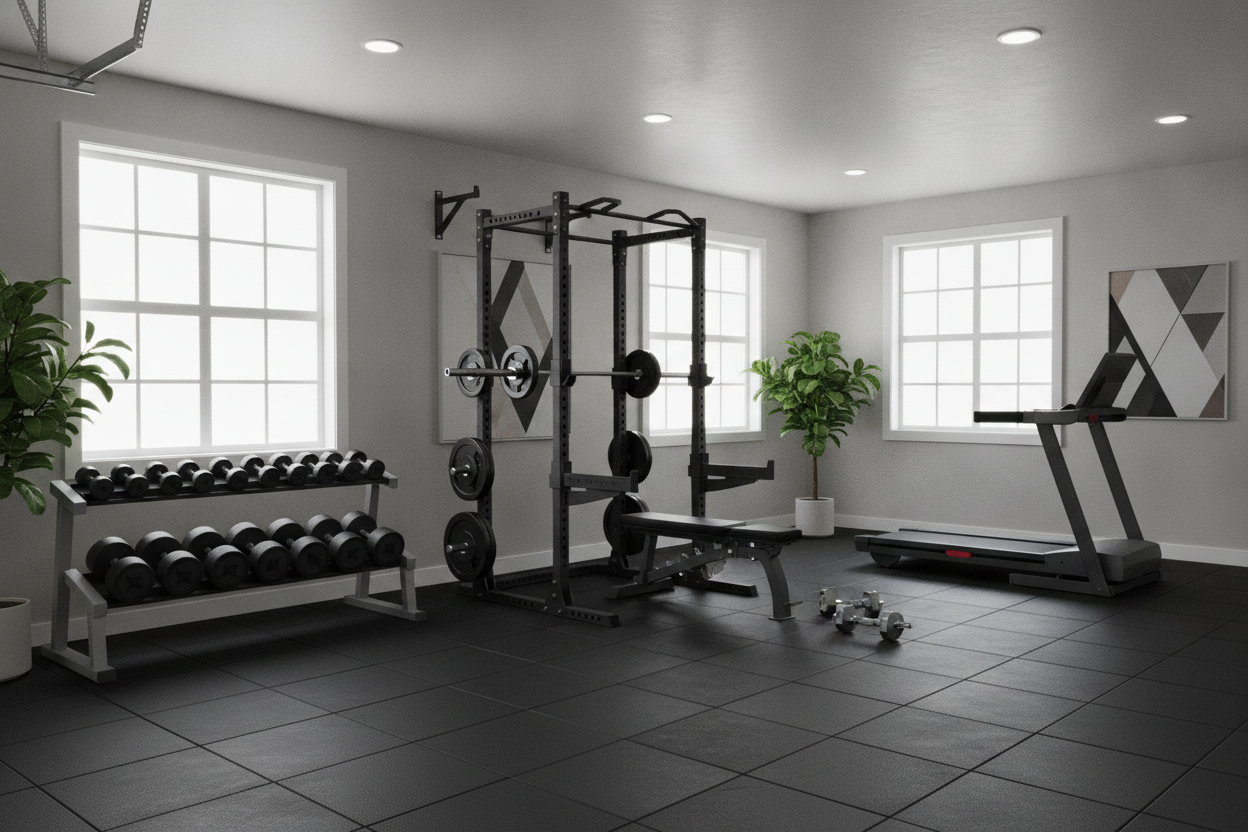
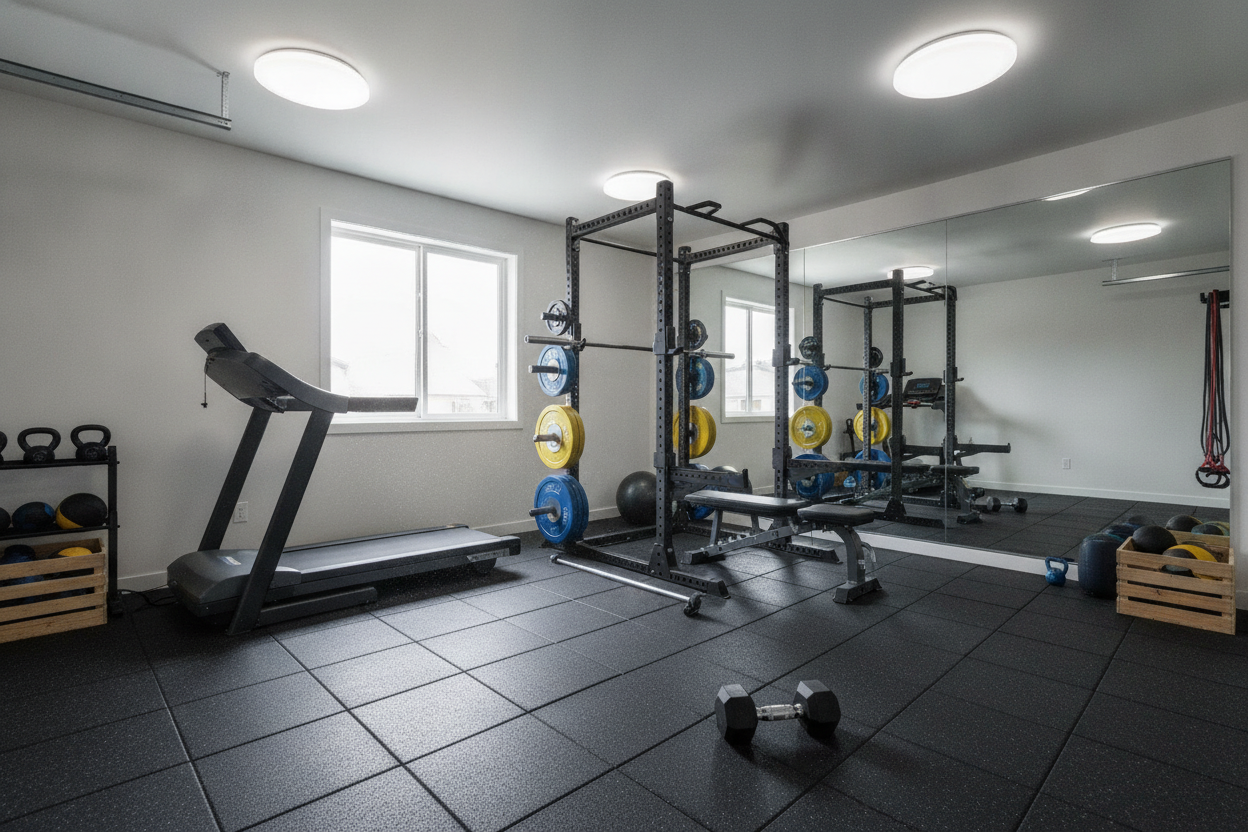
If your gym is just a rack and a flat bench, you’re missing the tools that build real-world twitch. You need to audit your strength equipment to ensure it allows for more than just up-and-down movement. I’m talking about landmine attachments for rotational power and open space for medicine ball slams. Rotation is the 'hidden' plane of motion that most garage lifters ignore until they pull a' oblique trying to swing a golf club.
Don't just buy more iron. Invest in strength training accessories like heavy resistance bands and plyo boxes. Bands are elite for 'accommodating resistance,' which teaches you to accelerate through the entire lift rather than decelerating at the top. A set of 50-lb bands attached to your squat rack will do more for your 40-yard dash than another 100 lbs of plates ever will.
Building Legs That Actually Move Fast
Stop thinking of your legs as pillars and start thinking of them as springs. To move fast, you need stiff ankles and reactive hips. Traditional bodybuilding-style leg days might give you the aesthetic, but they often lack the kinetic chain integration needed for sprinting. For a deep dive into the mechanics, you should check out The Science Of Exercising Thighs For Strength And Definition to understand how muscle architecture impacts performance.
Athletic leg training involves unilateral work like rear-foot elevated split squats and lateral lunges. Most sports happen on one leg at a time. If you only ever train with both feet glued to the floor, you'll feel like a fish out of water the moment you have to cut or change direction at high speed. You need to be able to put force into the ground at awkward angles, not just perfectly symmetrical ones.
The 3 Rules for Training Like an Athlete at Home
- Move the bar fast: If the weight is slowing down significantly, the set is over. Focus on bar speed, not just completion.
- Train in 3D: Add rotational work and lateral movements. Your body isn't a forklift; it needs to twist and slide.
- Jump before you lift: Prime your nervous system with 3-5 sets of box jumps or broad jumps before you touch the barbell.
My Worst Training Mistake
I once spent an entire winter doing nothing but heavy 'slow' lifting, thinking I’d come out like a beast in the spring. The first day back on the field, I tried to make a sharp cut and my brain sent the signal, but my legs didn't respond. I felt heavy, sluggish, and ended up with a nasty grade 2 hamstring strain. I had the force, but I had zero 'snap.' Now, I never go a week without sprinting or jumping, no matter how much I want to just chase a new PR on the bar.
FAQ
Is powerlifting bad for athletes?
Not at all, but it's a tool, not the destination. Use it to build a base of force, then spend the rest of your time learning how to use that force quickly.
What's the best equipment for 'explosive' strength?
Medicine balls and a sturdy wall. Nothing beats throwing an object as hard as possible to train total-body power without the joint stress of a max-effort lift.
How often should I do plyometrics?
Twice a week is plenty for most. It’s high-intensity for your nervous system, so treat jumps with the same respect you give a heavy deadlift session.