My Rule for Injury Prevention: Working Out Made Super Simple
I remember the day I realized my six-day 'pro' split was actually a one-way ticket to a physical therapist's office. I had a spreadsheet with 45 different exercises, three different types of bicep curls, and a leg day that lasted two hours. My knees felt like they were filled with crushed glass, and my progress had stalled harder than a rusted-out truck. That's when I realized that working out made super simple isn't just for beginners—it’s the only way to stay in the game for the long haul.
- Complexity is the enemy of consistency and joint health.
- Mastering five fundamental movements beats 50 mediocre ones.
- Less variety often leads to better technical proficiency and safety.
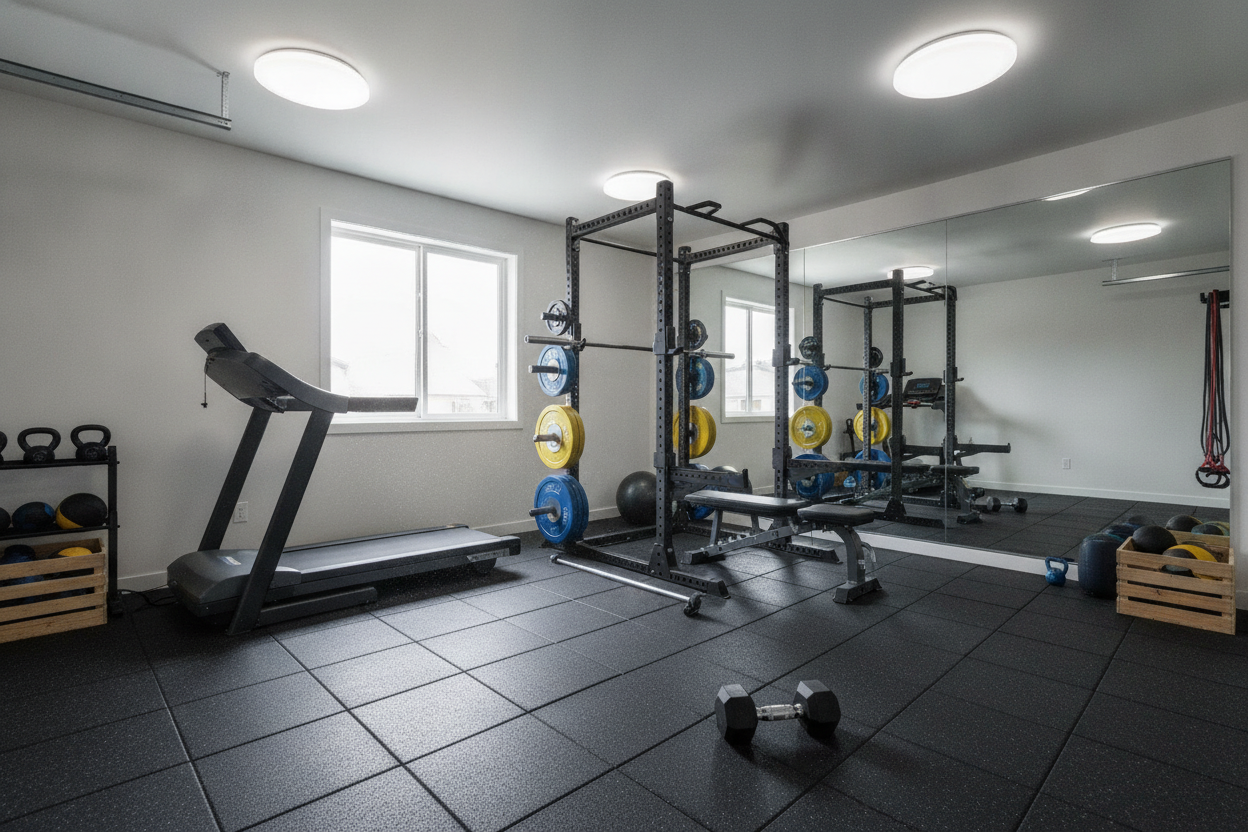
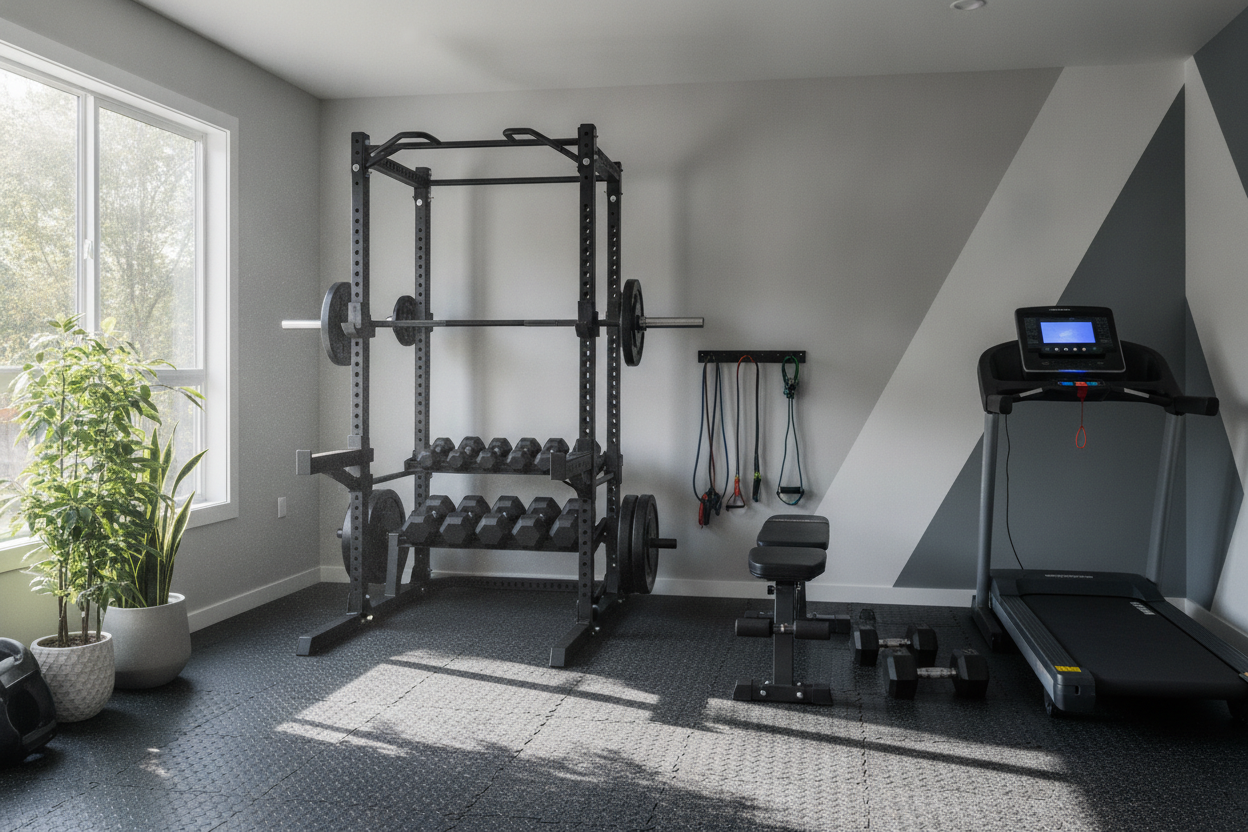
- A home gym doesn't need 20 machines to get you strong.
Why We Overcomplicate Fitness (And How It Ruins Our Joints)
We’ve been sold a lie that 'muscle confusion' and endless variety are the keys to growth. In reality, that complexity just creates decision fatigue. When you have 12 exercises to get through, you start rushing. You cut corners on your form just to finish the set. That’s how you end up with a nagging shoulder impingement or a lower back that screams every time you tie your shoes.
I see guys in garage gyms trying to replicate commercial gym circuits in a 10x10 space. They’re tripping over dumbbells and trying to do weird cable crossovers with a setup that isn't built for it. This scattergun approach makes it impossible to track real progress. If you can't remember what weight you used last week because you did five different variations, you aren't training—you're just exercising. And usually, you're exercising your way into an injury.
The Real Secret to Prevention: Working Out Made Super Simple
The best injury prevention strategy isn't a 30-minute foam rolling session; it's doing fewer things exceptionally well. When you strip the fat off your program, you can actually focus on the mechanics of the movement. You start noticing the subtle shift in your hips or the way your lats engage during a pull. This hyper-focus is the foundation of prevention working out made super simple.
If you are just starting out, your first month of working out should be about three things: showing up, moving correctly, and leaving the gym feeling better than when you walked in. You don't need a periodized block or a peaking phase. You need to learn how to brace your core. By keeping the menu small, you master the movements faster, which means you can safely add weight sooner without your form breaking down under pressure.
Stop Wrecking Your Legs with Fancy Accessories
I love a good leg day, but the 'accessory' trap is real. I’ve seen people spend thirty minutes on different variations of leg extensions and curls, only to wonder why their patellar tendons are inflamed. These isolation machines often put sheer force on the joint in ways that don't happen in real life. If your goal is longevity, you need to stop working out quads like this and get back to movements that let your joints move naturally.
A lot of these 'fancy' movements are just fluff that adds fatigue without the functional carryover. If you're training in a home gym, you probably don't have the floor space for a $3,000 leg press anyway. Stick to the movements where your feet are on the ground and your body has to stabilize itself. Your knees will thank you, and your real-world strength will actually show up when you need to move a couch or hike a trail.
Master the Goblet Squat First
Before you ever put a heavy barbell on your back, you need to own the goblet squat. Grab a single kettlebell or a dumbbell—even a 25-lb one will do to start. Hold it against your chest, tuck your elbows, and sit down between your knees. It’s almost impossible to screw up the form because the weight acts as a counterbalance. It teaches you to keep your chest up and your heels down. It’s the ultimate working out made super simple prevention tool for your lower back.
A Bare-Bones Routine That Actually Delivers
You don't need a fancy app or a 20-page PDF. A three-day-a-week full-body routine is plenty for 90% of the population. Focus on a push (overhead press or push-ups), a pull (rows or chin-ups), and a leg movement (squats or lunges). Throw in a carry, like walking with heavy dumbbells for 40 yards, and you’ve covered all the bases. This is working out made super simple at its finest.
Spend 45 minutes in the gym, hit your big movements with high intensity, and go home. This leaves you with enough recovery capacity to actually grow muscle and heal your joints. Most people fail because they try to do too much too soon. They burn out or get hurt in three weeks. If you keep the routine lean, you can stay consistent for three years. That’s where the real results live.
How long should a simple workout take?
If you're focused, you can get a world-class workout done in 30 to 45 minutes. That includes a quick warm-up and your heavy sets.
Do I need a squat rack to start?
Not necessarily. A pair of adjustable dumbbells or a few kettlebells can take you incredibly far before you ever need to bolt a rack to your floor.
What if I get bored with the same exercises?
Boredom is often just a lack of progress. If you are adding a little weight or an extra rep every week, the 'boring' movements become the most exciting part of your day.