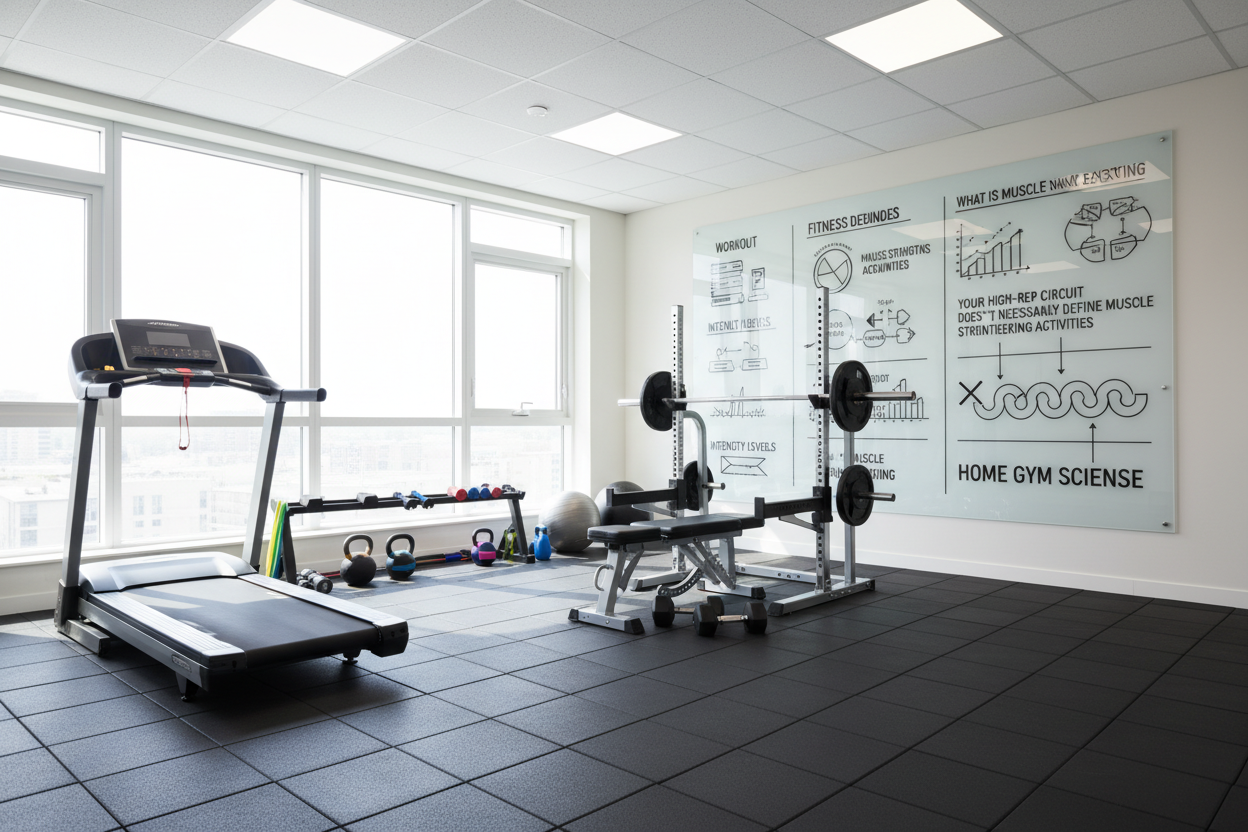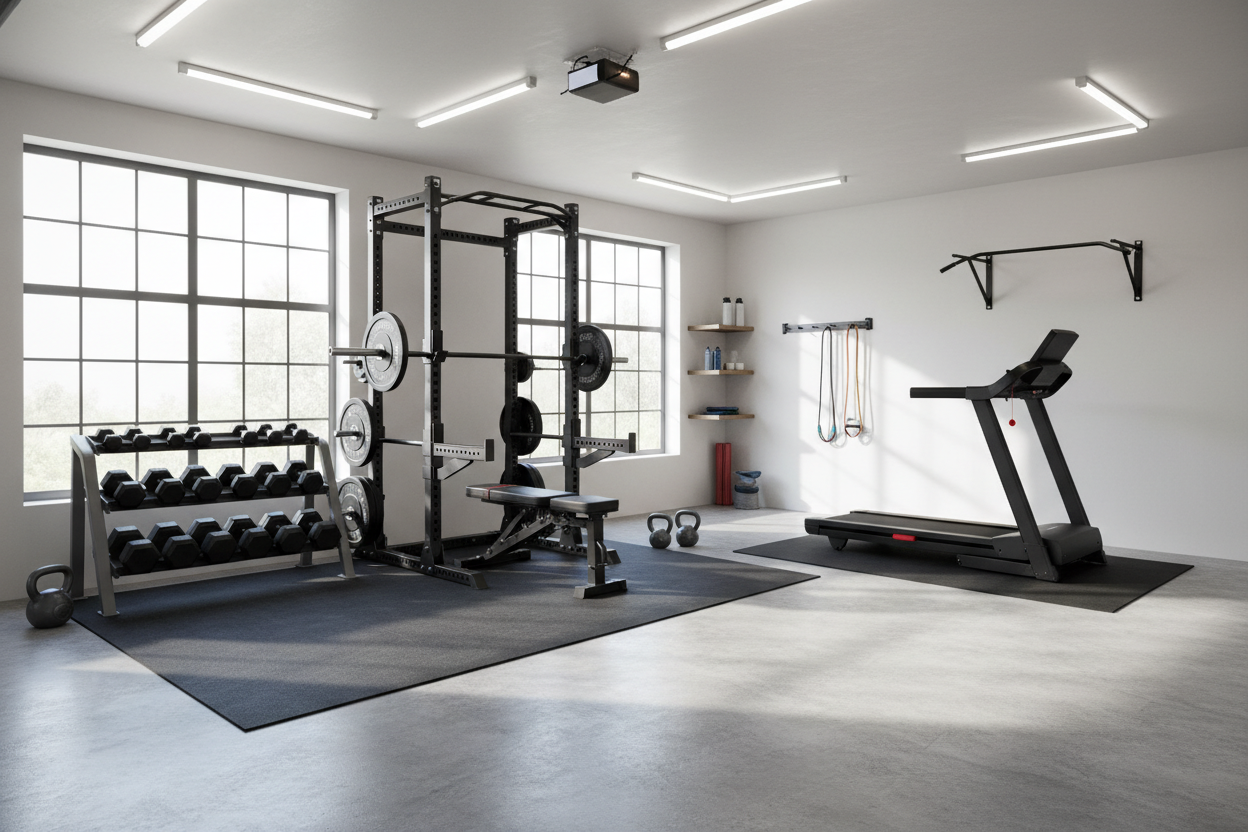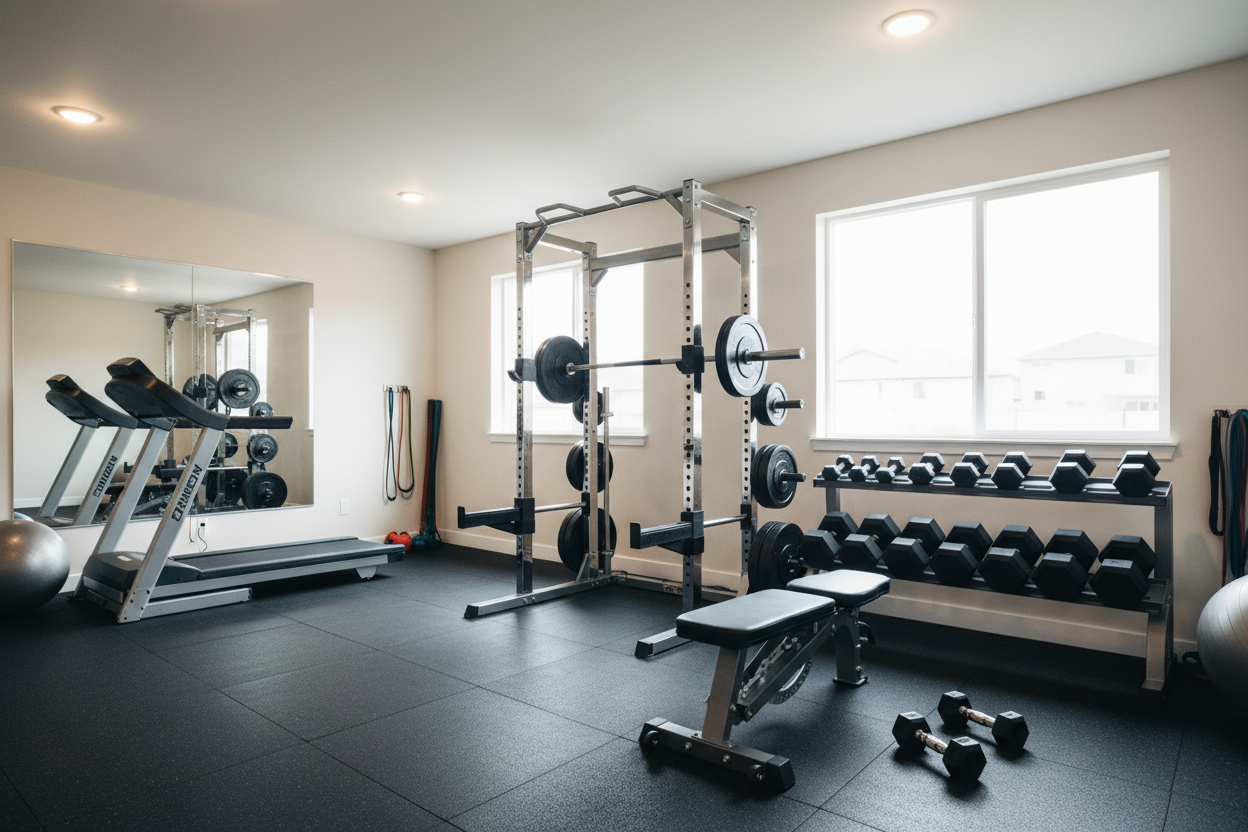
Why Your 30 Day Challenge Upper Body Routine Fails by Week Two
I’ve seen it a hundred times. You wake up on a random Monday, decide you’re finally going to build those 'boulder shoulders,' and download a 30 day challenge upper body PDF from an influencer who looks like they’ve never tasted a carb. By day eight, your front delts feel like they’re being stabbed with a dull screwdriver and your bench press numbers are actually going down. You’re not weak; you’re just following a program designed for a robot.
Quick Takeaways
- Daily max-effort training is a recipe for joint inflammation and CNS burnout.
- The Wave Method uses undulating intensity to keep you training for the full 30 days.
- Horizontal pulling volume should be double your pushing volume to protect your shoulders.
- Floor presses are the safest way to maintain high frequency without shredding your rotator cuffs.
Why the Standard Internet Challenge Fries Your Shoulders
Most internet challenges are designed by people who value 'likes' over longevity. They tell you to do max pushups or heavy overhead presses every single morning for a month. That’s a fast track to the physical therapist's office. Your central nervous system (CNS) isn't a bottomless pit of recovery; it's more like a battery that drains faster than an old iPhone when you're running too many apps.
When you treat an upper body challenge like a daily max-out session, you aren't building muscle—you're just accumulating systemic fatigue. By the time you hit day ten, your form breaks down, your joints swell, and your cortisol levels spike. Real growth happens in the recovery phase, not during the 15th set of sloppy pushups at 11:00 PM.
The Wave Method: How to Actually Survive 30 Days
If you want to survive 30 days of upper body work, you have to embrace undulating intensity. This isn't about being lazy; it's about being strategic. You alternate a 'Heavy' strength day with a 'Light' pump day and an 'Active Recovery' day. This constant waving of the load keeps the blood flowing and the joints lubricated without redlining your recovery capacity.
On those lighter, hypertrophy-focused days, you aren't trying to move the earth. You’re looking for a skin-splitting pump that drives nutrients into the muscle fibers. Think of it as a high-volume arm and shoulder workout at home where the goal is blood flow, not a personal record. This approach allows you to hit the 30-day mark with more muscle mass instead of a chronic shoulder impingement.
Structuring Your 30-Day Upper Body Workout at Home
A successful 30-day upper body workout needs a framework that respects your anatomy. I tell my clients to follow a 2:1 pull-to-push ratio. Most garage gym lifters are 'chest dominant,' leading to that rounded-shoulder, caveman posture. If you're doing a heavy set of dips, you better be doing two sets of face pulls or chest-supported rows to balance the scales.
When you're setting up your heavy upper body strength workout, focus on quality over sheer poundage. Use a 45-lb barbell for your main lifts but don't be afraid to drop to 25-lb plates if your form starts to wobble. A month of perfect reps beats a week of ego-lifting every time. This balance ensures your scapula stays glued where it belongs, preventing the common 'snap-city' injuries associated with high-frequency programs.
Don't Neglect Your Floor Setups
Floor presses are the secret weapon of the home gym elite. By lying flat on the ground, the floor acts as a natural 'dead-stop' for your elbows, cutting out the bottom range of motion where the shoulder is most vulnerable. During an upper body 30 day challenge, this limited range of motion is exactly what you need to keep training through the fatigue.
I’ve found that using a high-density gym flooring for home workout sessions is non-negotiable here. Grinding your triceps into bare concrete or thin carpet is a distraction you don't need when you're trying to lock out 225 lbs. A stable, 7mm or thicker mat provides the grip and cushioning required to turn your garage floor into a legitimate bench press alternative.
What About Your Legs During the Blitz?
You can't just ignore your lower half for a month unless you want to look like a lightbulb. However, you also can't hit heavy back squats three times a week while doing an intensive upper body challenge—your CNS will simply quit on you. The solution is maintenance through isolation.
I suggest utilizing a dedicated lower body strength machine once or twice a week. Using something like a leg press or a hack squat allows you to hammer the quads and hamstrings without the massive spinal loading and core fatigue of a barbell squat. It keeps the legs from shrinking while leaving your energy reserves available for your upper body goals.
Personal Experience: The '100 Pull-ups' Mistake
Years ago, I tried a 30 day upper body challenge that involved 100 pull-ups every single morning. By day 12, I couldn't even reach for a coffee mug without a sharp, electric pain in my bicep tendon. I had to quit training entirely for three weeks just to let the inflammation subside. I failed because I didn't respect the 'wave.' Now, I never train the same movement pattern at 100% intensity two days in a row. If Monday is heavy overhead press, Tuesday is light band pull-aparts. Listen to your joints—they’re smarter than your ego.
FAQ
Can I do this 30 day challenge with just dumbbells?
Absolutely. Just make sure you have a range of weights. If you only have one set of 25-lb dumbbells, you'll need to increase your rep counts or slow down your tempo to keep the intensity high enough for growth.
Will I lose leg muscle during an upper body focus month?
Not if you hit them once or twice a week. Maintenance is much easier than growth. A few sets of isolation work will keep your leg mass intact while you focus on your chest and back.
What if my shoulders start clicking?
Stop. Clicking usually means inflammation or poor tracking. Take two days of active recovery—lots of band work and mobility—and check your push-to-pull ratio. You likely need more rowing and less pressing.