My Exact Weekly Blueprint Using Weights and Cardio for Fat Loss
I remember standing in my garage three years ago, staring at a rusty barbell and a cheap foldable treadmill. I was trying to decide if I should spend my hour chasing a pump or chasing my breath. I ended up doing neither well, just spinning my wheels while my belt stayed on the same notch. Most guys make the mistake of picking a camp, but the reality is that weights and cardio for fat loss work best when they're forced to play nice together.
You don't need a fancy commercial gym membership to pull this off. You just need a plan that doesn't leave you too gassed to hit your heavy sets or too sore to move your feet. I've spent hundreds of hours testing how to sequence these sessions so you actually see your abs without losing your bench press max.
- Lift heavy first to preserve muscle and maximize hormonal response.
- Keep cardio sessions short and intense to avoid the 'skinny-fat' trap.
- Organize your space for fast transitions to keep your heart rate up.
- Prioritize recovery between hybrid sessions to prevent burnout.
Stop Choosing Sides: The Iron vs. Treadmill Debate is Dead
The old-school logic says you either bulk with weights or cut with cardio. That's a trap. If you only do weight or cardio for weight loss, you're leaving progress on the table. Pure cardio often leads to muscle loss in a deficit, leaving you looking like a smaller version of your current self. Pure lifting is great, but unless your diet is 100% perfect, the fat loss will be agonizingly slow.
I've found that cardio and weights to lose weight shouldn't be a 50/50 split. Think of it as an 80/20 relationship. The weights build the metabolic engine, and the cardio tunes it up. When you combine them, you create a massive caloric demand while signaling to your body that it needs to keep its muscle because you're still moving heavy loads.
The 'Heavy First, Hustle Second' Rule
Physiology doesn't care about your feelings. If you run five miles and then try to squat, your central nervous system is already fried. You won't have the stability or power to move real weight. This is why how to combine weight training and cardio for fat loss starts with the barbell. You need your full focus and glycogen stores for those big compound movements.
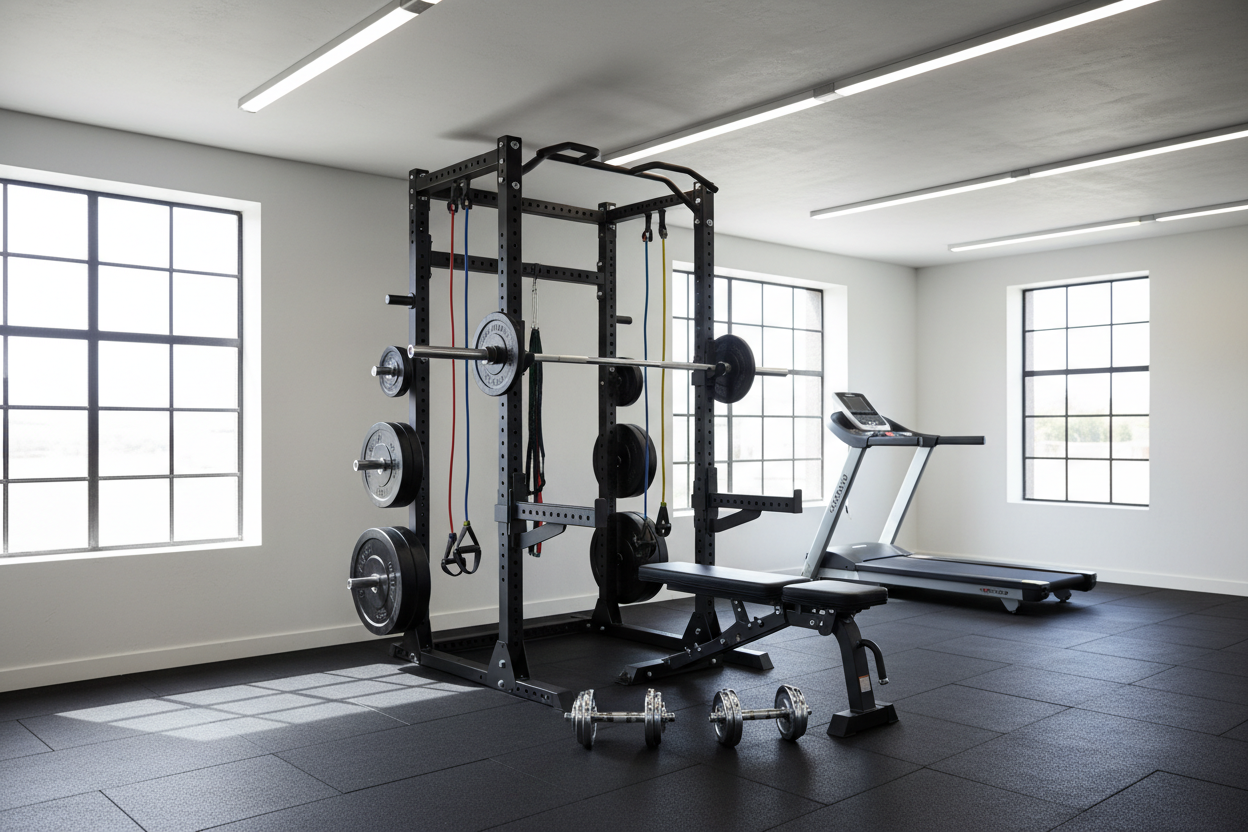
I always start my sessions with a quality weight set and bench. I hit my heavy triples or sets of five first. This ensures I'm maintaining strength levels even while eating in a calorie deficit. Once the heavy work is done, I move into the conditioning. By lifting first, you've already depleted some of your sugar stores, making your body more likely to tap into fat for fuel during the cardio portion.
Why Short, Brutal Finishers Beat Long Jogs
I stopped doing 45-minute treadmill slogs years ago. They're boring, and they tend to make me hungrier than the calories they actually burn. Instead, I use high-intensity finishers. This type of weights and cardio for weight loss preserves muscle mass because the stimulus is closer to sprinting than endurance running.
A 10-minute intense Tabata workout at the end of a lifting session is worth an hour of walking. It creates an 'afterburn' effect where your metabolism stays spiked for hours. I usually grab a pair of 15-lb dumbbells and go through a cycle of thrusters and swings. It's miserable while you're doing it, but the results in the mirror don't lie.
Setting Up Your Garage for 60-Second Transitions
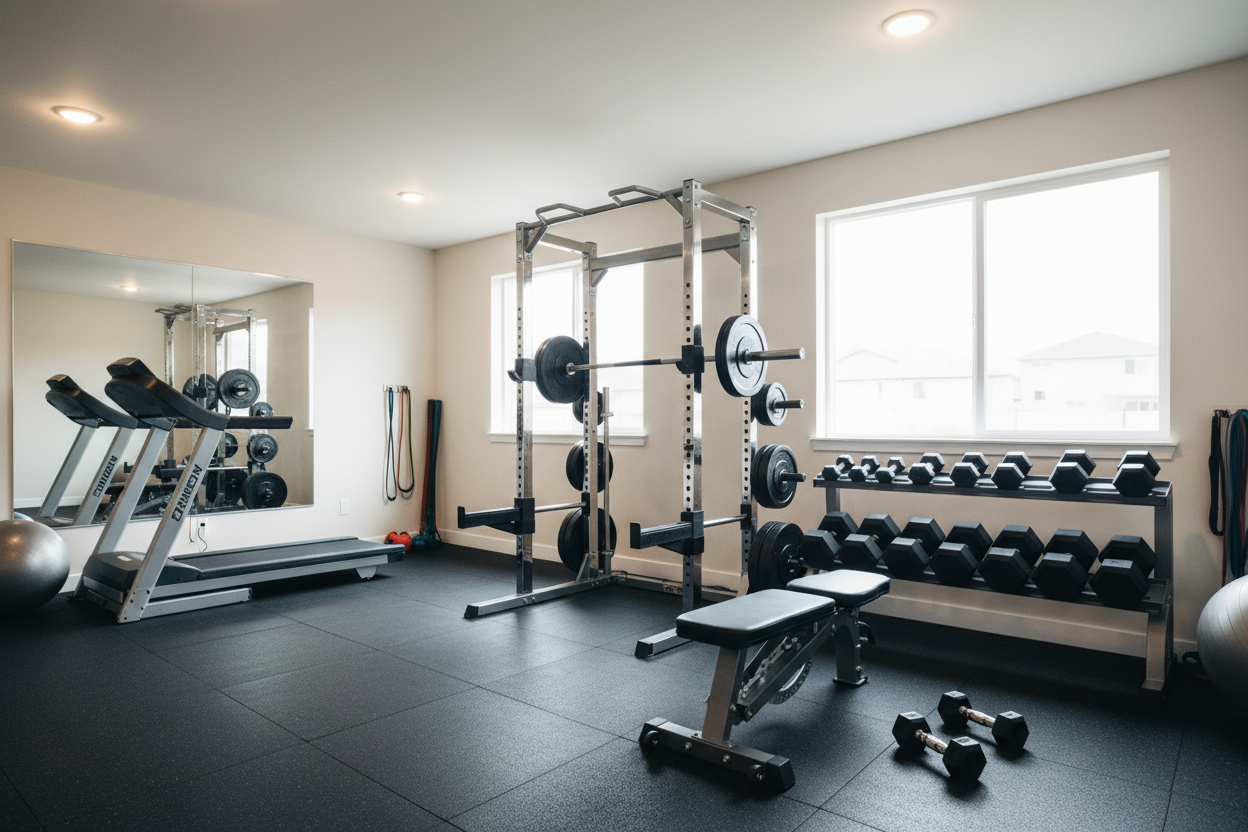
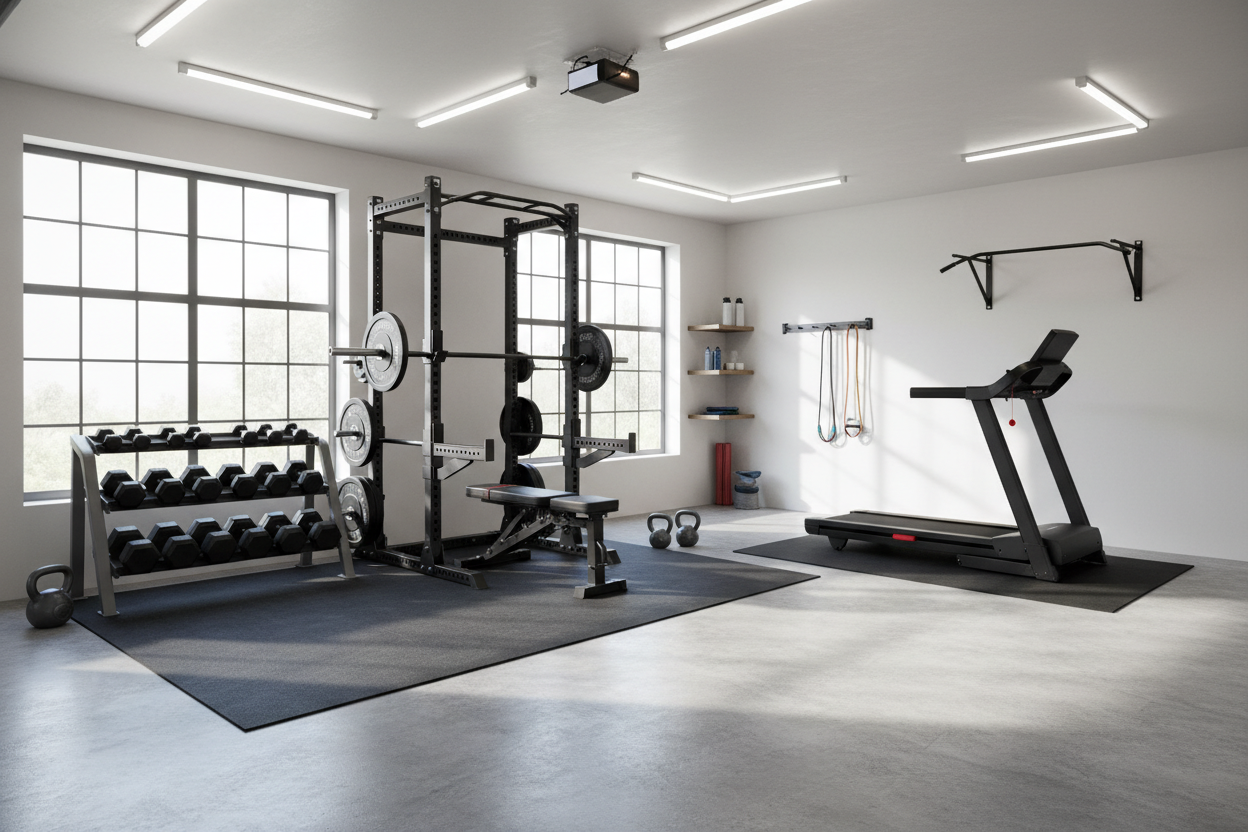
If you have to spend five minutes moving gear to start your cardio, your heart rate drops and the 'hybrid' benefit disappears. You need a layout that allows for immediate action. I keep my rack on one side and a clear 'sweat zone' right next to it. This is where I keep my large exercise mat for cardio. It's the designated spot for burpees, jump rope, or kettlebell work.
Having a dedicated mat saves your joints and your floor. I've dropped heavy kettlebells on bare concrete before; it's loud, it cracks the slab, and it pisses off the neighbors. A thick mat lets you transition from a heavy bench press straight into mountain climbers without thinking twice about the equipment. Speed is your friend when you're trying to maximize weight loss with weights and cardio.
A Sample 3-Day Hybrid Fat Loss Routine
This is a blueprint I've used when I need to lean down for summer without feeling like a weakling. It focuses on cardio and weight training for weight loss by hitting the whole body three times a week.
- Monday: Heavy Squats (5x5), Overhead Press (3x8), followed by 10 minutes of 30-second sprints on a bike or rower.
- Wednesday: Deadlifts (3x5), Weighted Pull-ups (3xMax), followed by an 8-minute AMRAP of kettlebell swings and box jumps.
- Friday: Bench Press (5x5), Barbell Rows (3x8), followed by 4 rounds of 2-minute heavy bag work or shadow boxing.
On off days, I don't just sit on the couch. I'll go for a 20-minute walk. That's the secret to cardio and weight training to lose weight: stay active without overtaxing your recovery. This schedule gives you 48 hours between hard sessions to let your nervous system reset.
Personal Experience: The 'More is Better' Mistake
A few years back, I thought I could outwork a bad diet by doing an hour of heavy lifting followed by an hour of HIIT every single day. Within three weeks, my joints felt like they were filled with glass, and my bench press dropped by 20 pounds. I wasn't losing fat; I was just becoming a smaller, weaker, more tired version of myself. I learned the hard way that intensity beats duration every time. Now, I keep my total gym time under 60 minutes, and my body composition is better than it's ever been.
FAQ
Should I do cardio on rest days?
Keep it low impact. A brisk walk or a light bike ride is fine and actually helps recovery. Avoid high-intensity work on rest days; you need that time for your muscles to repair from the lifting.
Can I do cardio in the morning and weights at night?
You can, but it's tough for most people with a job. If you do split them, try to keep at least 6 hours between sessions. If you have to do them together, always lift first.
How much weight should I use for cardio finishers?
Go light. Use about 20-30% of what you'd usually use for a strength set. The goal here is heart rate and movement quality, not a new personal record.