Why You Keep Quitting Your Beginner Weight Program
I remember staring at a set of plastic-coated, sand-filled dumbbells I bought at midnight on Amazon, wondering why I wasn't ripped yet. We have all been there—scrolling through endless apps, convinced that the next flashy beginner weight program is the one that will finally stick. But then life happens, the 'muscle confusion' gets too confusing, and that expensive gear becomes a very heavy laundry rack.
Quick Takeaways
- Consistency beats intensity every single time; stop switching routines every two weeks.
- Basic compound movements (squat, bench, row) build the foundation you actually need.
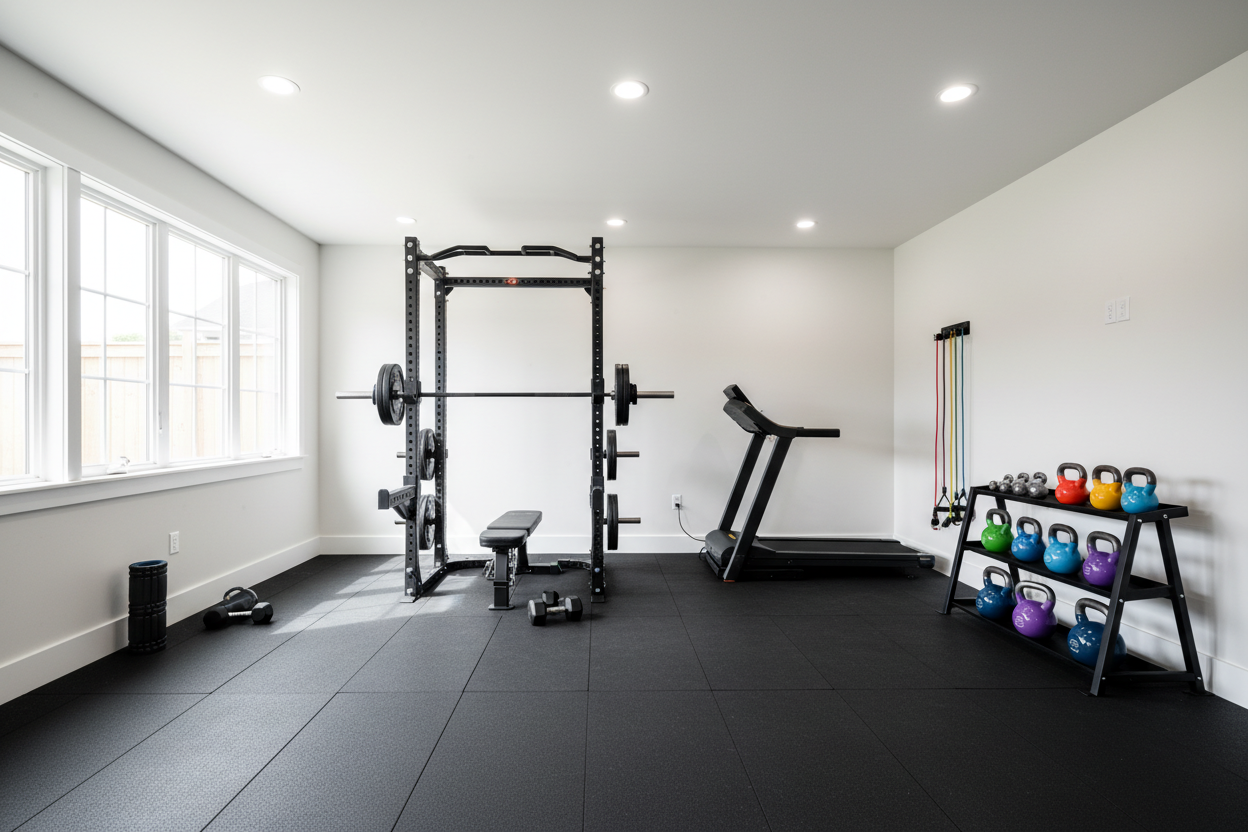
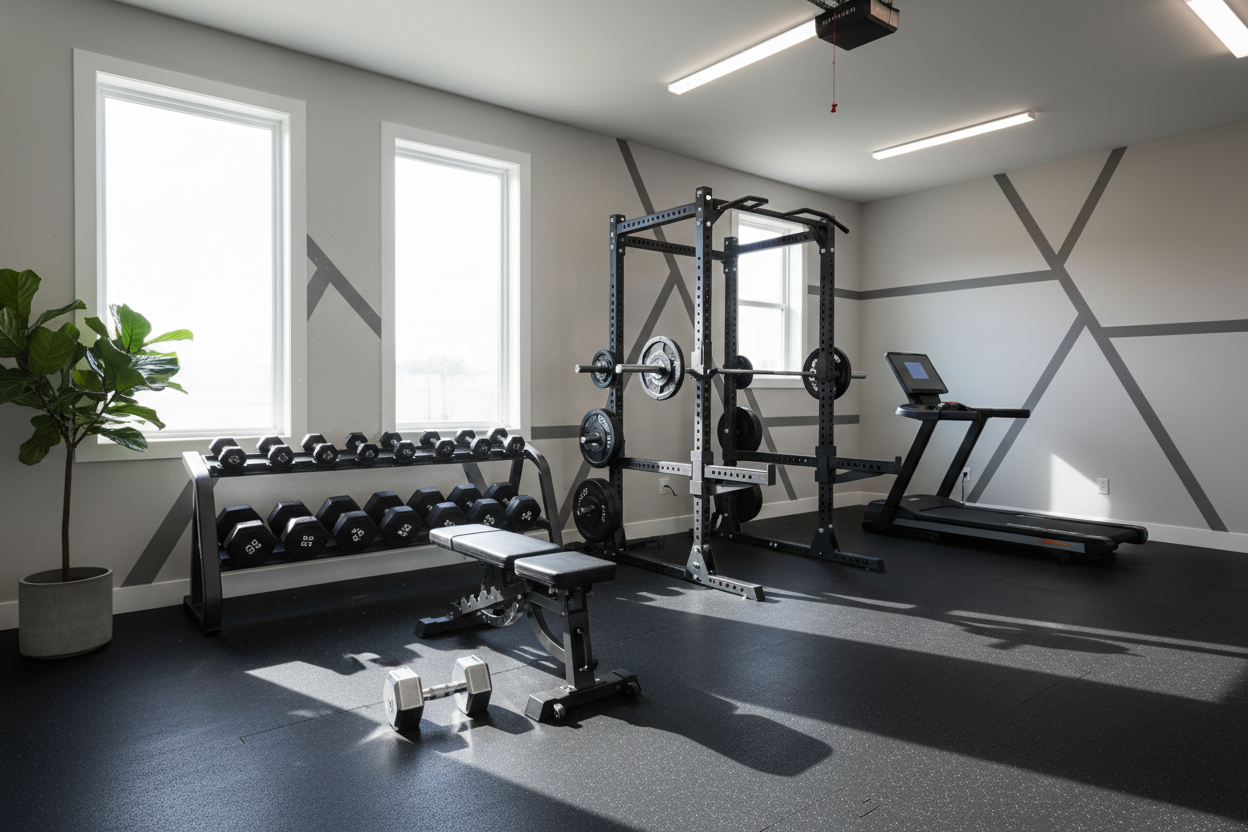
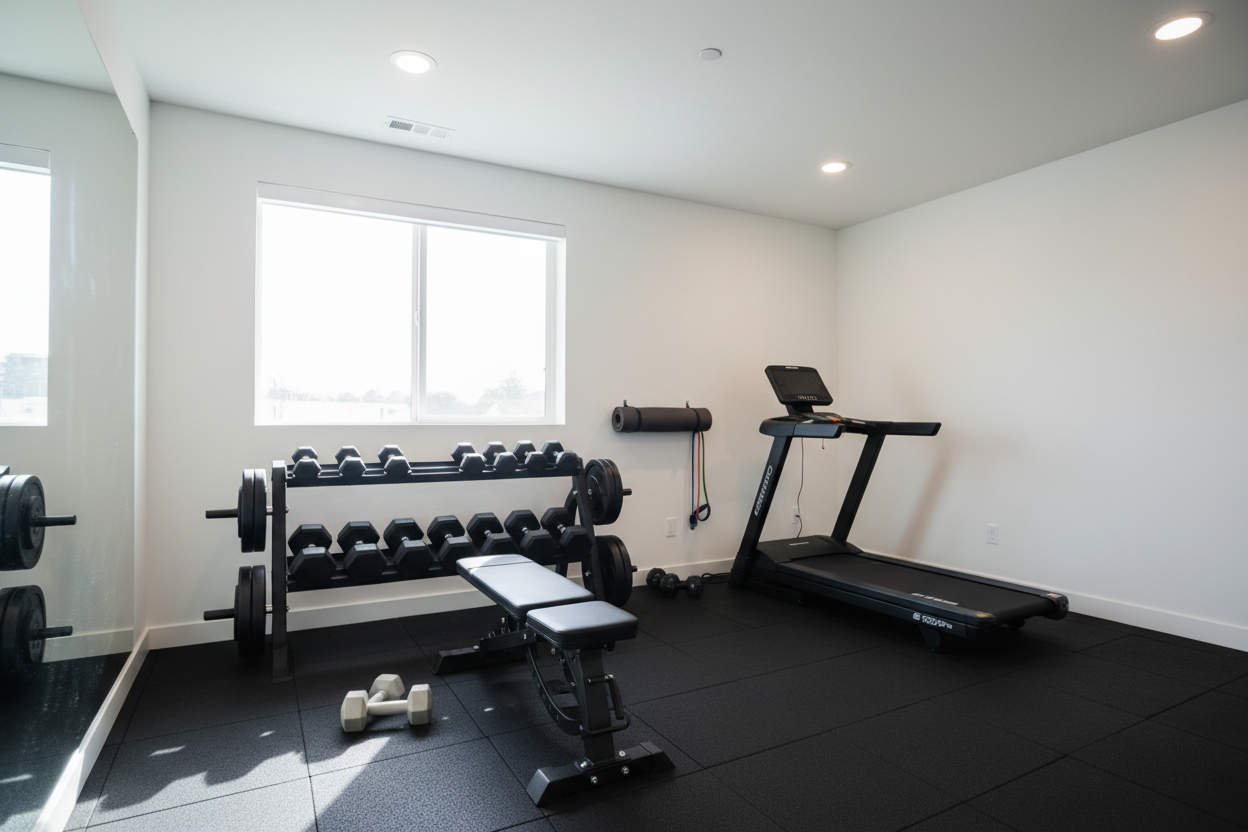
- You do not need a commercial gym membership; a solid bench and some weights are plenty.
- Progressive overload is the only 'secret' to getting stronger.
The Disease of Program Hopping
The biggest enemy of your progress isn't your genetics or your diet; it is your attention span. Most people start beginner weightlifting routines with a fire in their gut, only to extinguish it by day fourteen because they don't have six-pack abs yet. Social media has lied to you, making you think you need a different 'hack' every workout.
I have seen guys spend more time researching the 'optimal' wrist wrap than actually holding a barbell. When you jump from a 5x5 routine to a high-volume bodybuilding split in the same month, your body has no idea what it is supposed to adapt to. You end up being a 'perpetual beginner,' always starting over and never actually lifting anything heavy.
Why the Best Routines Are Actually Incredibly Boring
If your workout feels like a circus act, you are probably doing it wrong. A simple weight training plan should be repetitive. You want to get so good at the basic movements that they feel like second nature. This is where progressive overload comes in—adding five pounds to the bar or doing one more rep than last week.
I tell everyone who asks: stop looking for variety and start looking for small wins. Following The Real 'Weight Lifting For Dummies' Plan I Give My Friends is better than any complex 'pro' routine because it focuses on what works: showing up and doing the work. If you aren't bored, you probably aren't sticking to the plan long enough to see results.
Gearing Up Without Getting Scammed
You do not need a $3,000 power rack and a fleet of cable machines to get started. In fact, over-complicating your space is a great way to feel overwhelmed. When you are looking at Choosing The Best Strength And Weight Training Equipment For Your Goals, focus on the essentials that allow for the most versatility in a small footprint.
The cornerstone of my first garage setup was a solid, dependable bench. I personally used the Gxmmat Adjustable Weight Bench because it handles 600-plus pounds without wobbling like a cheap lawn chair. Pair that with a decent set of adjustable dumbbells or a basic barbell set, and you have a weight training plan for beginners that can take you through your first two years of lifting. Avoid the 'as-seen-on-TV' gadgets; they are just expensive paperweights.
The 3-Day 'No Excuses' Baseline Routine
This is a weights plan for beginners that I’ve used to get dozen of people off the couch. It’s three days a week, full body, and focuses on compound lifts. No fluff, no 15-minute bicep circuits. Just the meat and potatoes.
Day A: Squats (3x8), Bench Press (3x8), Barbell Rows (3x8).
Day B: Deadlifts (1x5), Overhead Press (3x8), Pull-ups or Lat Pulldowns (3x10).
Day C: Repeat Day A or focus on Lunges and Dips.
Keep your rest periods to 90 seconds. If you can complete all reps with perfect form, add 2.5 to 5 pounds next time. I once made the mistake of trying to add 20 pounds a week to my bench press because I was impatient. I ended up with a shoulder impingement that took me out for three months. Take the small jumps; they add up faster than you think.
How to Know When It's Actually Time to Switch
You haven't finished your weight lifting beginner plan just because you're bored. You've finished it when you can no longer add weight to the bar every week. This 'linear progression' usually lasts anywhere from three to six months for most people. If you're still getting stronger on the basics, stay the course.
Don't be the person who quits because they 'plateaued' after one bad sleep or a stressful week at work. A real plateau is when you've hit a wall for three weeks straight despite perfect recovery and nutrition. Only then should you look into more advanced periodization or adding accessory movements to your routine.
FAQ
Do I need to do cardio while on this program?
You can, but don't let it kill your lifting. A 20-minute walk or some light cycling is fine. If you're running marathons, your strength gains will suffer. Pick a primary goal and stick to it.
What if I don't have a barbell?
A weights workout plan for beginners works just as well with dumbbells. Just focus on the same movement patterns: a push, a pull, a hinge, and a squat. The weight doesn't care what shape the handle is.
How long should a workout take?
If you're focused, you should be in and out in 45 minutes. If you're spending two hours in the gym, you're either talking too much or doing too much 'junk volume' that isn't actually making you stronger.