The Real 'Weight Lifting For Dummies' Plan I Give My Friends
I spent twenty minutes last night watching a 'beginner' video where a guy in a pristine studio explained the 'optimal' degree of internal shoulder rotation for a lat pulldown. I almost threw my phone. If you are just starting out, you do not need biomechanics lectures; you need to know which heavy things to pick up so you stop feeling like a noodle. This is the weight lifting for dummies guide I give to my actual friends when they ask me how to start a home gym without going broke or getting hurt.
Quick Takeaways
- Ignore 'optimal' and focus on 'consistent' for the first six months.
- Free weights (barbells and dumbbells) beat machines for building real-world stability.
- You only need four movements: Squat, Hinge, Push, and Pull.
- Stop buying plastic-coated weights; they are literal trash that will crack within a year.
Why Beginner Fitness Content Is Ruining Your Progress
The internet has made starting a workout routine feel like preparing for a NASA launch. We have 'influencers' arguing about 'mind-muscle connection' and 'periodization' before most people can even do five proper pushups. This overcomplication is the enemy. It creates analysis paralysis. You spend three weeks researching the best program and zero minutes actually sweating.
If you want to see results, you have to adopt a bodybuilding for dummies mindset. That doesn't mean you're trying to step on stage in a speedo; it means you're focusing on the basic physics of muscle growth: mechanical tension and progressive overload. You move a weight. Next week, you move a slightly heavier weight or do one more rep. That is 90% of the battle. The rest is just noise designed to sell you supplements you don't need.
I see people worrying about whether they should do high-bar or low-bar squats before they've even felt the weight of a 45-lb bar on their back. It's nonsense. Real weight training for dummies is about showing up to your garage, getting your heart rate up, and making sure you're slightly better than you were last Tuesday. Everything else—the fancy supplements, the compression gear, the $200 shoes—is secondary to the work.
Step 1: Stop Buying Useless Gear
Your first instinct is going to be to buy that shiny 12-in-1 functional trainer you saw on an Instagram ad. Don't. Most of that stuff is made with thin-gauge steel and plastic pulleys that will feel like they're grinding after a month. When you are looking for strength and weight training equipment, you want items that are 'dumb.' Steel doesn't have a software update. Cast iron doesn't care if you drop it.
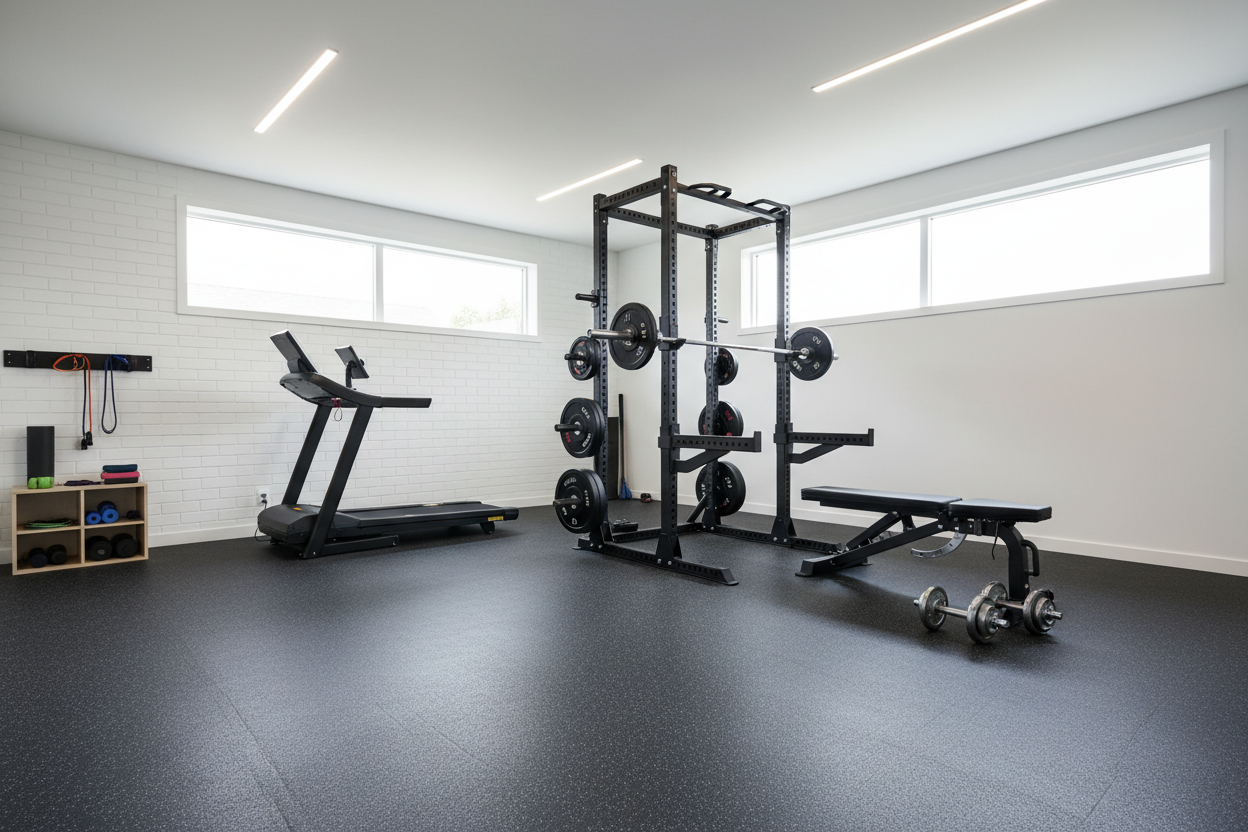
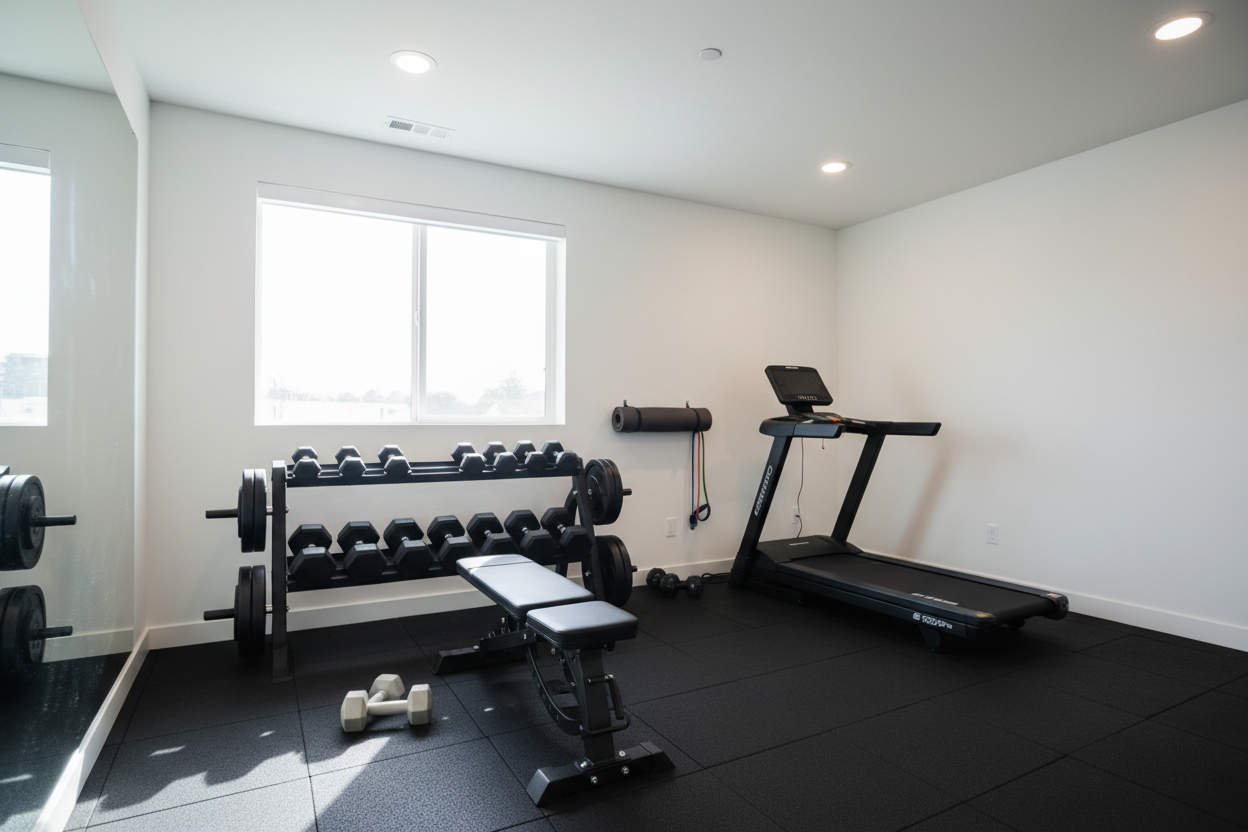
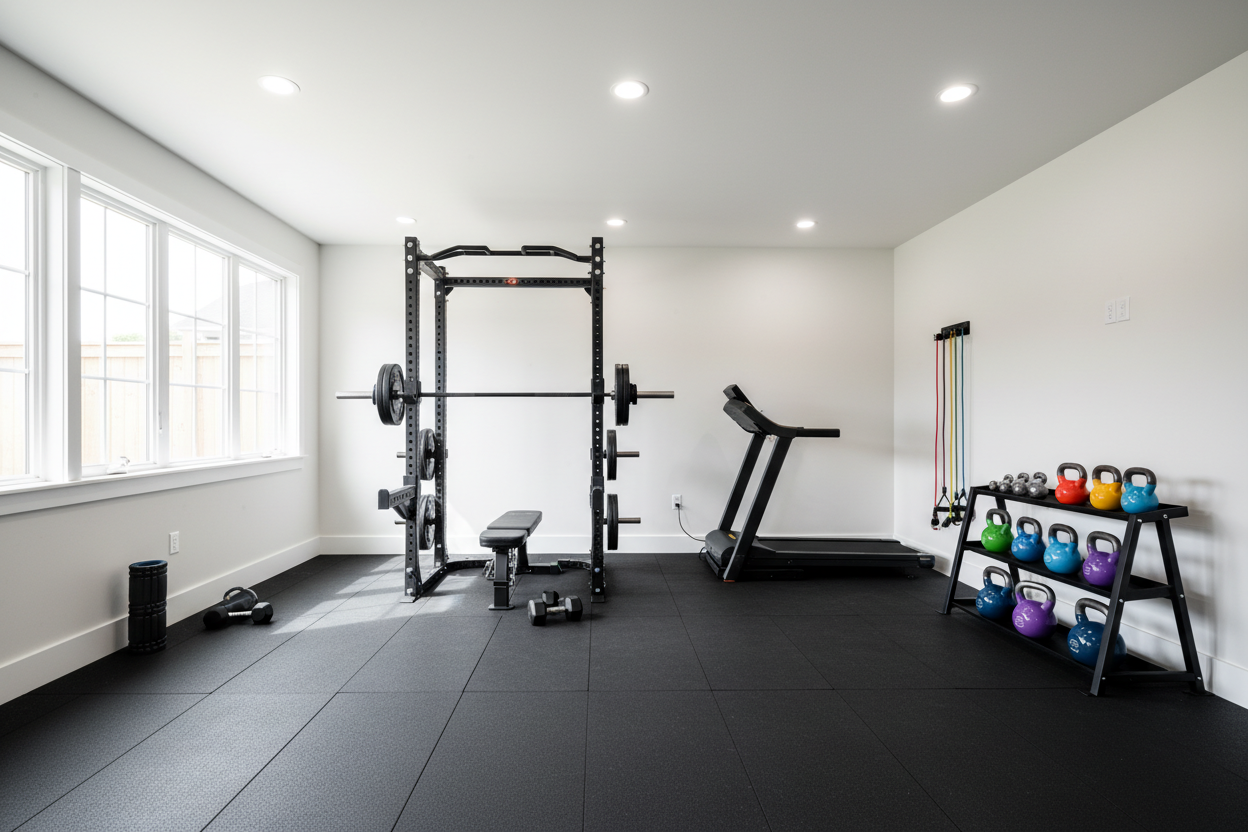
The bare minimum for a home setup is a solid barbell, about 200-300 lbs of iron plates, and a rack. If you're tight on space, a pair of adjustable dumbbells is your best friend. Look for ones that go up to at least 50 lbs; anything less and you'll outgrow them in two months of weight training for dummies level effort. Avoid the 'cement-filled' plastic weights. They are bulky, they leak sand, and they make it impossible to get a good grip.
I always tell people to check the secondary market first. People buy expensive gear in January and sell it for half price in April. But if you're buying new, prioritize the barbell. A cheap bar will bend if you leave weights on it; a decent entry-level Olympic bar (look for one with a 1,000-lb capacity and decent knurling) will last your entire life. Don't get scammed by marketing that promises 'revolutionary' resistance technology. Physics hasn't changed in a few billion years; gravity is still the best coach.
Step 2: The Core Movements Every Beginner Must Master
You can find a thousand different exercises online, but they all boil down to four categories. Master these, and you've mastered weights for dummies. First is the Squat (sitting down and standing up). Second is the Hinge (pushing your hips back, like closing a car door with your butt). Third is the Push (shoving things away from you). Fourth is the Pull (tugging things toward you).
A lot of people start with resistance bands because they're cheap and take up no room. I did that for a while too, but the reality is that bands have the most resistance at the top and almost none at the bottom. It’s why I eventually basic weight training with weights—the constant tension of a physical plate or dumbbell forces your muscles to work through the entire range of motion. It’s harder, which is exactly why it works better.
For the Squat, start with a Goblet Squat holding a single dumbbell at your chest. It forces your back to stay upright. For the Hinge, learn the Romanian Deadlift. Focus on the stretch in your hamstrings, not how low the weight goes. For the Push, start with floor presses if you don't have a bench yet. For the Pull, one-arm rows are the gold standard. These aren't flashy, but they build the foundation that keeps you from getting injured when you start lifting 'real' weight later on.
Do You Actually Need a 'Weight Training For Dummies' Book?
There is a literal weight training for dummies book out there, and honestly, it’s not terrible for learning the names of muscles. But you can't learn to ride a bike by reading a manual, and you can't learn to squat by looking at a diagram. Most people use books as a way to procrastinate. They feel like they're 'working out' because they're reading about it. They aren't.
You are better off filming yourself with your phone and comparing it to a reputable coach on YouTube. Look for 'starting strength' or 'basic barbell' videos. If you really want a book, get one that focuses on programming—how to organize your week—rather than just showing you how to do a bicep curl. But for most, the best 'book' is a cheap notebook where you write down your weights and reps every single session. That data is more valuable than any generic guide.
Step 3: A Dead-Simple Week One Workout Plan
Here is the exact 3-day split I give to anyone starting out in a garage gym. It’s designed to be done on Monday, Wednesday, and Friday. You need about 45 minutes and zero ego. Every exercise is 3 sets of 8 to 12 reps. If you can do 12 reps easily, add 5 lbs next time.
Day A: The Push Focus. Start with Goblet Squats. Then move to the bench press or overhead press. For this, a high-quality adjustable weight bench is essential. You want one that doesn't wobble when you're holding heavy weights over your face. I’ve used the cheap $60 benches before, and they feel like they’re going to fold. Get something with a wide base and a high weight capacity. Finish Day A with some pushups.
Day B: The Pull Focus. Start with Romanian Deadlifts (the hinge). Then do one-arm dumbbell rows. Finish with 'Face Pulls' using a band or a light weight to keep your shoulders healthy. Day B is all about the back of your body—the parts you can't see in the mirror but that actually make you strong.
Day C: Full Body. Do a lighter version of the squat, a different push (like an incline press), and a different pull (like a pull-up or lat pulldown). By the end of the week, you've hit every major muscle group twice. That is the secret sauce. You don't need a 'chest day' or an 'arm day' yet. You need to teach your nervous system how to move under load. Stick to this for 12 weeks. Don't change a thing. Don't add 'extra' work. Just get stronger at these movements.
My Personal Experience: The 'Standard' Mistake
When I first started, I tried to save money by buying 'Standard' 1-inch plates and bars instead of 'Olympic' 2-inch gear. It was the biggest waste of $200 I've ever made. The bar felt like a pool noodle once I put 150 lbs on it, and I couldn't find heavy plates anywhere once I got stronger. I ended up having to sell the whole set for pennies on the dollar and buying the 2-inch gear I should have bought in the first place. Buy once, cry once. Get the Olympic-sized equipment even if you think you'll never be 'that' strong. You will be.
FAQ
Do I need a weight belt as a beginner?
No. A belt is a tool to help you lift 5-10% more weight once you already have a strong core. If you use it too early, you're just masking poor form. Build your 'internal belt' first by learning how to breathe and brace your stomach.
How long should I rest between sets?
For a beginner, 90 seconds to 2 minutes is the sweet spot. You want enough time for your heart rate to settle so your muscles—not your lungs—are the limiting factor on the next set.
Can I lose weight and build muscle at the same time?
Yes, especially in the first six months. This is often called 'newbie gains.' Eat plenty of protein, stay in a slight caloric deficit, and lift heavy. Your body will prioritize using fat stores to fuel the muscle-building process because the stimulus is so new.