Why Trashing Your Muscles Bodybuilding Style Actually Kills Growth
I remember crawling out of my garage at 11 PM after a supposedly legendary leg session, genuinely wondering if I would need crutches to reach the kitchen. My quads felt like they had been tenderized with a sledgehammer, and I wore that pain like a badge of honor. I was convinced that this level of destruction was the only way to build muscles bodybuilding style. I was wrong.
Most of us who train at home fall into this trap. We buy the heavy-duty 11-gauge steel power rack, we load up the 45-lb plates, and we think that if we aren't crippled the next morning, the workout didn't count. But there is a massive difference between stimulating a muscle and simply traumatizing it. Chasing the 'pain' is often the quickest way to stall your progress and stay small.
Quick Takeaways
- DOMS is a sign of connective tissue inflammation, not a direct signal for muscle protein synthesis.
- Excessive damage forces the body to prioritize repair over actual growth.
- Systemic fatigue from heavy barbell compounds often masks local muscle growth.
- Consistency beats intensity; you can't grow if you're too sore to train.
The Big Lie About Waking Up Sore
We have been fed a diet of 'no pain, no gain' since the first time we picked up a rusty dumbbell. The reality is that Delayed Onset Muscle Soreness (DOMS) is a terrible metric for progress. When you evaluate your bodybuilding muscles based on how much they hurt 24 hours later, you are looking at structural damage and inflammation, not necessarily hypertrophy.
I have had some of my best growth phases during periods where I felt 'productive stiffness' rather than agonizing pain. If you are so sore that you have to skip your next scheduled session, you have effectively lowered your weekly training volume. In the world of hypertrophy, volume is king. By overdoing the damage, you are trading three effective workouts for one 'hard' one that leaves you sidelined on the couch. It is a bad trade every single time.
Tissue Damage Is Not a Hypertrophy Metric
There are three main drivers of muscle growth: mechanical tension, metabolic stress, and muscle damage. For decades, we thought damage was the big one. We thought you had to 'tear the muscle to grow it back stronger.' Modern science tells a different story. While some damage is inevitable, excessive tearing is actually counterproductive.
When you cause extreme structural damage, your body’s recovery resources are diverted. Instead of using amino acids and calories to build new muscles in bodybuilding, your system is frantically trying to patch the holes you just punched in your existing tissue. It is like trying to add a second story to a house while the foundation is on fire. You want to provide enough stimulus to trigger a growth response, but not so much that your body spends the next five days just trying to get back to baseline.
Why Home Gym Junkies Overdo Barbell Fatigue
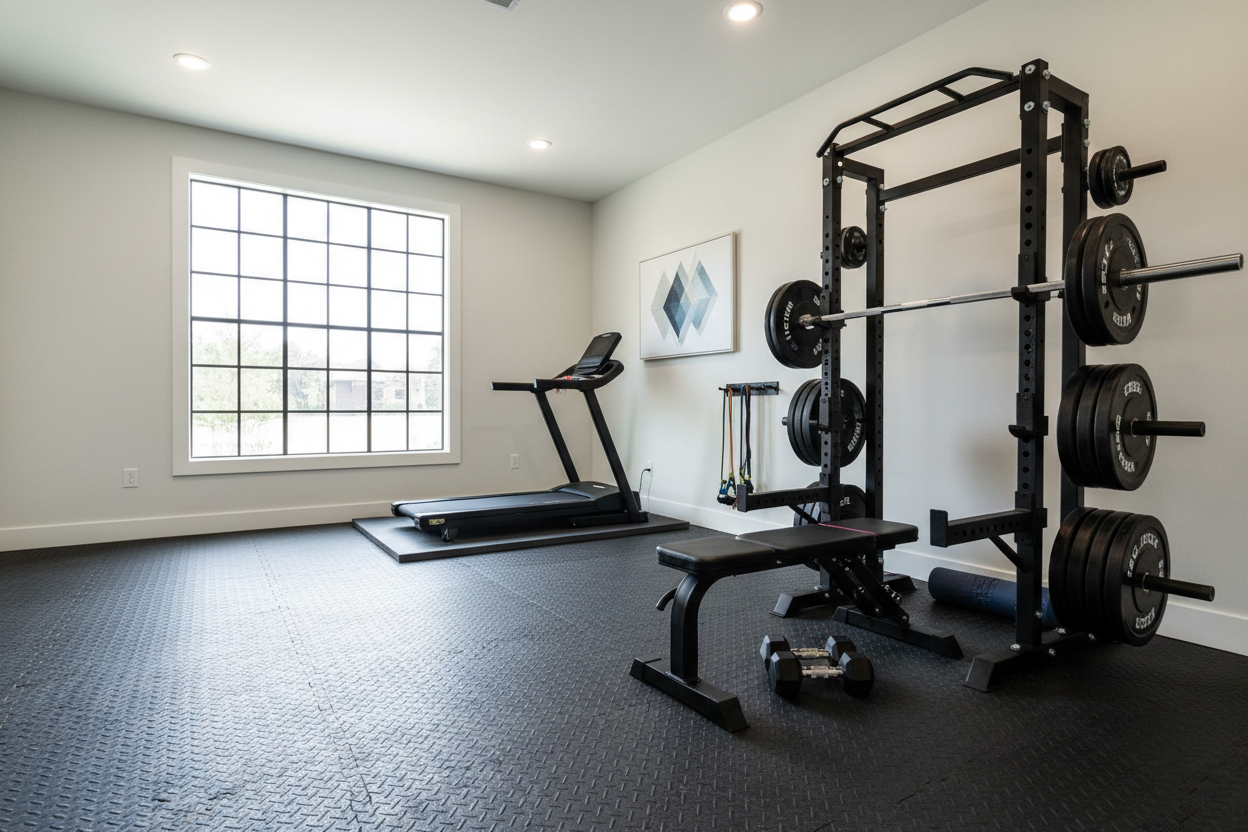
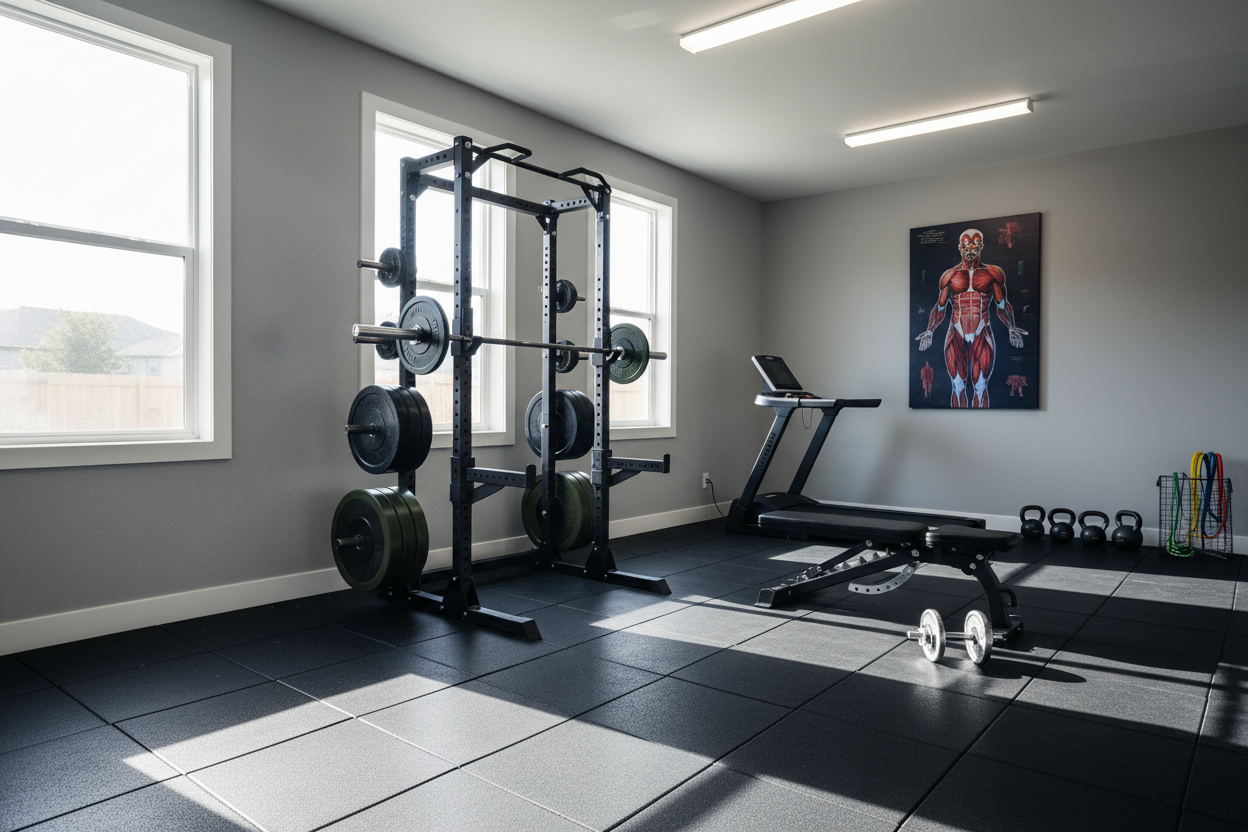
If you are training in a garage, you probably don't have a line of 15 different ISO-lateral machines. You have a barbell, maybe some adjustable dumbbells that go up to 80 lbs, and a rack. Because our equipment is limited, we tend to lean heavily on the big compounds. We do set after set of heavy back squats or deadlifts, thinking we are smashing our bodybuilding muscles.
The problem is systemic fatigue. A heavy set of five on the deadlift fries your central nervous system (CNS) long before it fully exhausts your hamstrings. To maximize your muscle gains top gym equipment for bodybuilding should be used to isolate the muscle, not just rack up systemic fatigue. If you are always chasing that 'totally trashed' feeling using only a barbell, you are likely burning out your CNS and your joints before your actual muscles have reached their growth potential. I have seen guys plateau for years because they refuse to swap a heavy barbell row for something more stable that actually targets the lats.
Training Legs Without Needing a Wheelchair
Leg day is the worst offender for the 'trash your muscles' mentality. We have all seen the videos of pros being carried out of the gym. In a home gym, without a leg press or a hack squat, we often resort to high-rep barbell squats to 'feel the burn.' This usually results in lower back fatigue and a week of walking like a penguin.
Understanding leg anatomy bodybuilding the science of bigger lower body gains proves that mechanical tension beats literal muscle tears every time. Instead of doing sets of 20 squats until you puke, try slowing down the eccentric phase. Use a 3-second descent on a split squat or a goblet squat. You will find that you can achieve a massive growth stimulus with half the weight and a fraction of the joint-crushing damage. You want your quads to grow, not your knee surgeons bank account.
The Actual Sweet Spot for Next-Day Recovery
So, how should you actually feel? Ideally, 24 hours after a session, you should feel a slight stiffness in the target muscle. It should feel 'full' or 'pumped,' and maybe a little tight when you stretch it. You should definitely not feel like you’ve been in a car wreck. If you can't perform a basic bodyweight squat without wincing, you went too far.
In my own training, I realized I was overdoing it when my strength started dipping. I was 'working harder' than ever, but my logbook showed I was lifting less weight each week. I scaled back the intensity, stopped two reps short of total failure on my big lifts, and focused on the mind-muscle connection. My growth exploded. Listen to your body, not the 'hardcore' memes on Instagram. Consistency in the garage is what builds a physique, not one-off sessions of self-destruction.
Personal Experience: The 1,000-Rep Mistake
A few years back, I got it into my head that I needed to do a '1,000-rep arm day' to break a plateau. I used a pair of 25-lb dumbbells and just kept going until my biceps felt like they were literally going to burst. I couldn't straighten my arms for a week. I didn't gain an ounce of muscle; in fact, I lost strength because I couldn't train upper body for ten days. It was a classic example of ego-driven training that ignored how biology actually works. Now, I focus on heavy, controlled sets of 8-12 and I've never been bigger.
FAQ
Is it possible to grow without any soreness?
Yes. Many elite bodybuilders rarely get sore because their bodies are highly adapted to the stimulus. As long as you are adding weight or reps over time, you are growing.
What should I do if I am too sore to train?
Do some light active recovery. Walk for 20 minutes or do some very high-rep, low-weight movements to get blood flowing to the area. Don't try to power through a heavy session if your form is compromised by pain.
Does more protein help with DOMS?
Protein helps with muscle repair, but it won't magically erase the pain of a session that was 300% over your recovery capacity. Sleep and hydration are just as important for managing the inflammatory response.