Why Tracking Exercise by Body Part Is a Trap for Home Lifters
I remember sitting in my freezing garage at 11 PM, staring at a printout of a 'Pro Bodybuilder Chest Day.' I had a basic rack, a barbell, and a pair of adjustable dumbbells that went up to 50 lbs. Half the exercises on that list required a cable crossover or a pec-deck machine. I spent twenty minutes trying to rig up resistance bands to a squat rack just to hit my 'inner chest.' It was a mess, and it was a waste of time.
Trying to micromanage your exercise by body part when you're training in a 400-square-foot space is the fastest way to kill your progress. You don't have the luxury of a warehouse full of single-station machines, and honestly, you don't need them. The 'isolation' mindset is a commercial gym relic that doesn't translate to the raw, heavy training that actually works at home.
Quick Takeaways
- Isolation exercises require machines you probably don't own.
- Barbells and dumbbells are inherently 'full-body' because of stabilization needs.
- Movement patterns (Push, Pull, Hinge, Squat) are more effective than muscle-group splits.
- Your floor and rack stability matter more than 'inner bicep' curls.
- Stop overcomplicating the anatomy and start moving heavy weight.
The Commercial Gym Mindset Doesn't Work in a Garage
Bodybuilding magazines and 'fit-fluencers' have spent decades training us to think about the body as a collection of 20 different Lego pieces. They want you to believe that if you don't do a specific isolation move for your rear delts, they'll simply disappear. In a commercial gym with a $100k equipment budget, that's fine. You can hop from the lateral raise machine to the cable station without thinking.
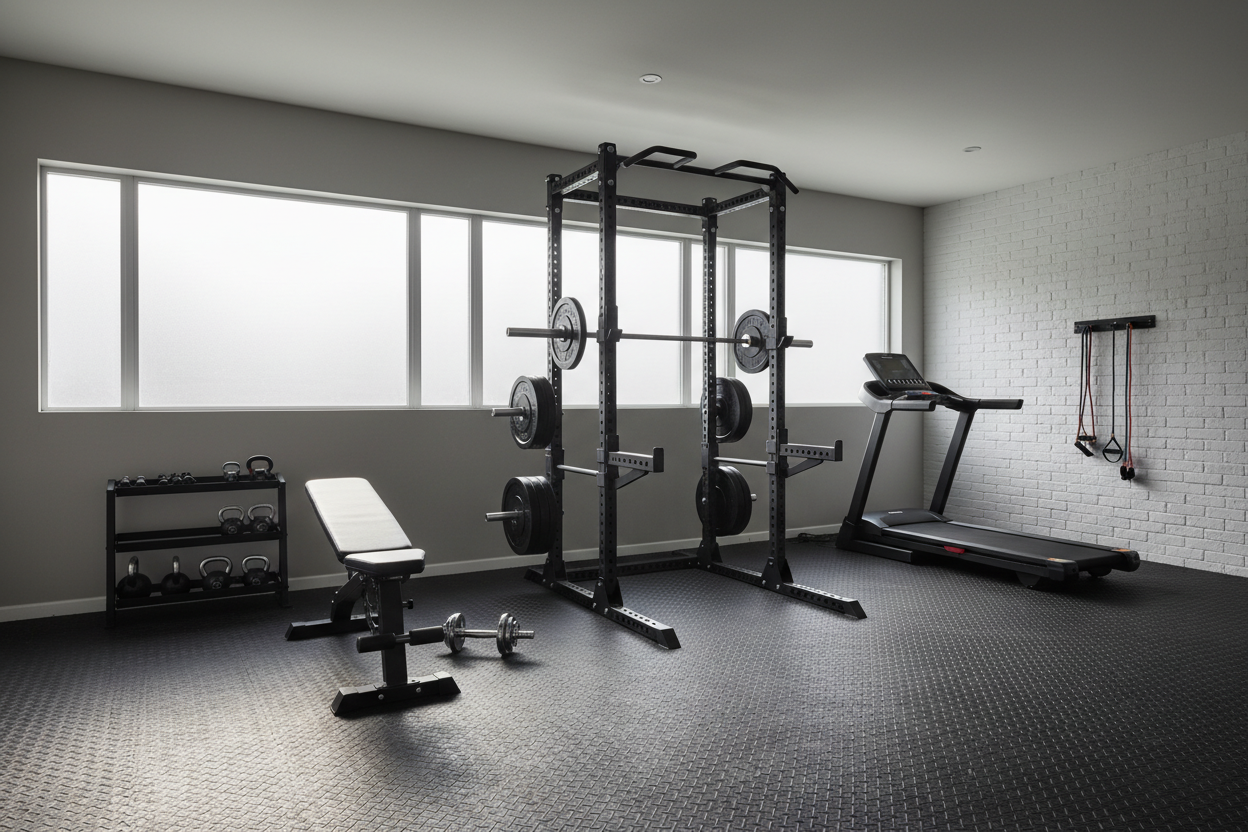
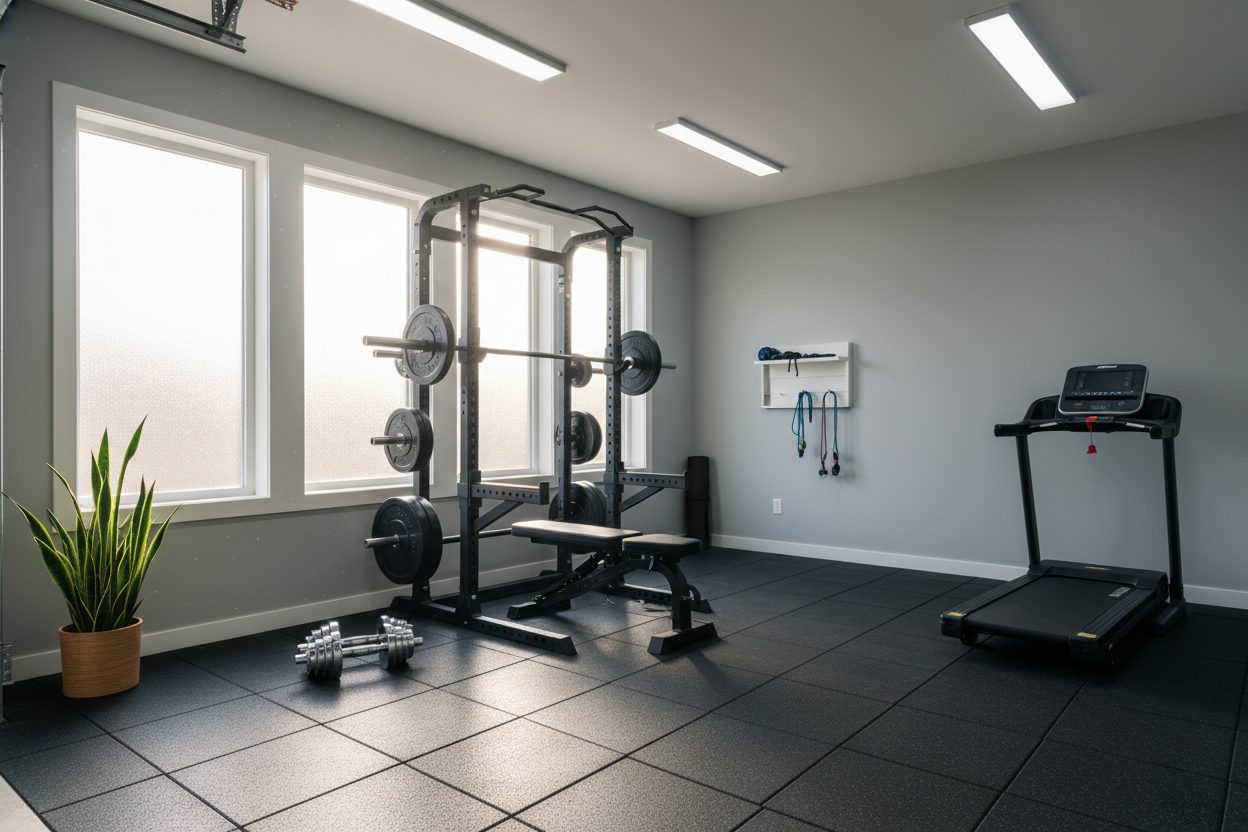
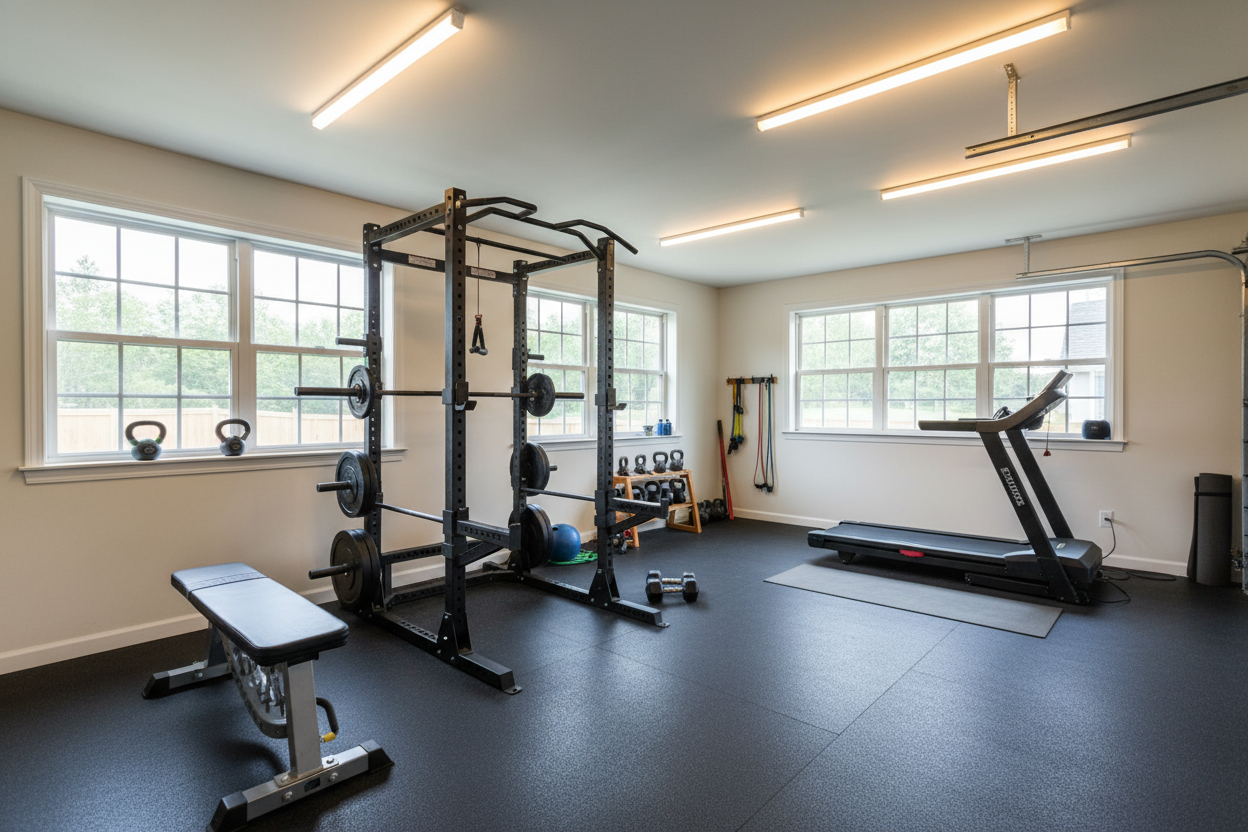
In a garage gym, true isolation is a myth. Most of us are working with a power rack, a bench, and maybe some iron plates. When you try to force a strict 'part of body' routine with limited gear, you end up with awkward setups that feel like a middle-school science project. You spend more time moving pins and adjusting benches than you do actually lifting. A heavy set of overhead presses will do more for your shoulders than three different 'hacked' isolation moves using a door-frame pull-up bar.
Why Free Weights Ruin the Isolation Illusion
The moment you step away from a machine and pick up a barbell, the idea of isolating a single muscle dies. If you're doing a standing overhead press, your delts are the prime movers, but your core is bracing like crazy to keep your spine from snapping, and your glutes are squeezed to provide a base. You can't just check a box on an Exercise Body Parts List The Definitive Guide For Hypertrophy and pretend only one muscle worked.
This is actually your biggest advantage as a home lifter. Because you're forced to use free weights, every lift becomes a full-body event. Even a heavy dumbbell row requires a massive amount of stability through your legs and torso. Trying to ignore that systemic fatigue just to follow a 'back day' split is a recipe for burnout. Your nervous system doesn't care which muscle you're trying to target; it only cares about the total load you're asking it to move.
Stop Searching for Hyper-Specific Part of Body Exercises
I see it every day: people Googling obscure part of body exercises to hit their 'lower chest' or 'outer quad.' Unless you're already squatting 405 for reps, you don't have a 'lower quad' problem—you have a 'not enough muscle' problem. Using a basic dumbbell set to find the perfect angle for an 'inner bicep' curl is a waste of your limited training time.
Instead of hunting for variety, focus on how to exercise all body parts using the big movers. A deep goblet squat with a 50-lb dumbbell is going to build more leg mass than three different variations of a bodyweight leg extension. If you want to Exercise All Body Parts The Definitive Guide For Total Strength, you need to stop thinking about muscles and start thinking about movements. The 'inner chest' won't grow until the whole chest grows, and the whole chest won't grow until you can bench press more than you did last month.
How to Actually Program Workouts for All Body Parts
If you want a framework that works in a garage, throw away the anatomy textbook. You need to structure an exercise for all parts of the body around four main pillars: Pushing, Pulling, Hinging, and Squatting. This is the most efficient way to exercise for all parts of the body without needing a cable crossover machine or a leg press.
A sample 'Total Body' session looks like this: A heavy back squat (Squat), a weighted chin-up (Pull), a floor press (Push), and a kettlebell swing or Romanian deadlift (Hinge). That's it. You've hit your quads, hamstrings, glutes, lats, biceps, chest, and triceps in four moves. By choosing workouts for all body parts that use compound movements, you're forcing your body to adapt as a single unit. This builds a level of 'garage strength' that machine-users can't replicate.
Your Floor Matters More Than Your Training Split
When you stop sitting on machines and start doing heavy, full-body functional lifts, your connection to the ground is everything. I've tried pulling 400 lbs on cheap foam tiles, and it's a nightmare. The foam compresses, your ankles wobble, and the lift feels dangerous. A slipping bench or a soft, squishy floor will ruin a heavy lift faster than a bad program ever could.
If you're serious about heavy compound lifting, get a Large Exercise Mat For Home Gym made of high-density rubber—ideally 8mm to 1/2 inch thick. You need a surface that grips your shoes and doesn't buckle under a 300-lb squat. When your feet are locked into a solid surface, you can actually produce the force needed to grow. Don't spend $500 on a fancy attachment for your rack until you've spent $150 on a floor that won't slide while you're trying to PR.
Personal Experience: The Pec-Deck Fiasco
A few years back, I bought a cheap 'pec-fly' attachment for my 2x2 power rack. I was convinced I needed it to finish off my chest days. It was made of thin steel, the bushings were plastic, and the cables felt like they were coated in sand. I used it twice. It took up three feet of floor space and felt like it was going to snap every time I loaded more than 40 lbs. I eventually sold it for half what I paid and bought a pair of 1.25-lb fractional plates instead. Those plates helped me add 50 lbs to my bench press over the next year. The pec-deck just gathered dust.
FAQ
Do I need cables to train my back?
No. While lat pulldowns are nice, heavy barbell rows and weighted chin-ups are the gold standard for back thickness. If you have a bar and a place to hang, you have everything you need.
Is a full-body split better than a 'Bro Split' for home gyms?
Usually, yes. Since you have fewer machines to 'fry' a muscle, hitting the whole body 3-4 times a week with compound lifts allows for higher frequency and better skill practice on the big lifts.
What is the most important piece of home gym gear?
A solid power rack with a high weight capacity (at least 1,000 lbs) and a quality barbell with decent knurling. Everything else is just an accessory.