Why the Z-Press is the Most Brutal Shoulder Exercise for Strength
I remember the first time I loaded 185 on the bar for a standing overhead press. I thought I was a beast until I caught a glimpse of myself in the mirror. My back was arched like a bridge, and my knees were doing a mini-squat to propel the bar upward. It wasn't a press; it was a circus act. If you actually want a real shoulder exercise for strength, you have to stop the cheating.
Quick Takeaways
- Eliminates leg drive and lower back arching completely.
- Demands high levels of core stability and hip mobility.
- Forces a perfectly vertical bar path.
- Exposes weaknesses that standard standing presses hide.
Your Standing Press is Hiding Weak Delts
Most lifters think they have strong shoulders, but they're actually just good at using momentum. When you stand up to press, your body naturally finds the path of least resistance. You lean back to engage your upper chest, and you use a subtle knee twitch to get the weight moving. It’s a common flaw in a typical dumbbell chest and shoulder routine where the focus is on moving weight rather than building muscle.
By using your legs, you’re bypassing the hardest part of the lift: the start from the clavicles. This creates a false sense of security. You might be putting up 225 lbs, but if 40 lbs of that is coming from your quads and a massive lumbar arch, your delts are lagging behind. This is exactly how shoulder exercises strength plateaus happen.
Enter the Z-Press: The Ultimate Truth Teller
Named after the legendary strongman Zydrunas Savickas, the Z-Press is simple and agonizing. You sit flat on the floor with your legs spread in a 'V' shape, and you press the bar overhead. There is no backrest. There are no feet to drive into the floor. If you lean back, you fall over. If you try to use your legs, they just sit there, useless.
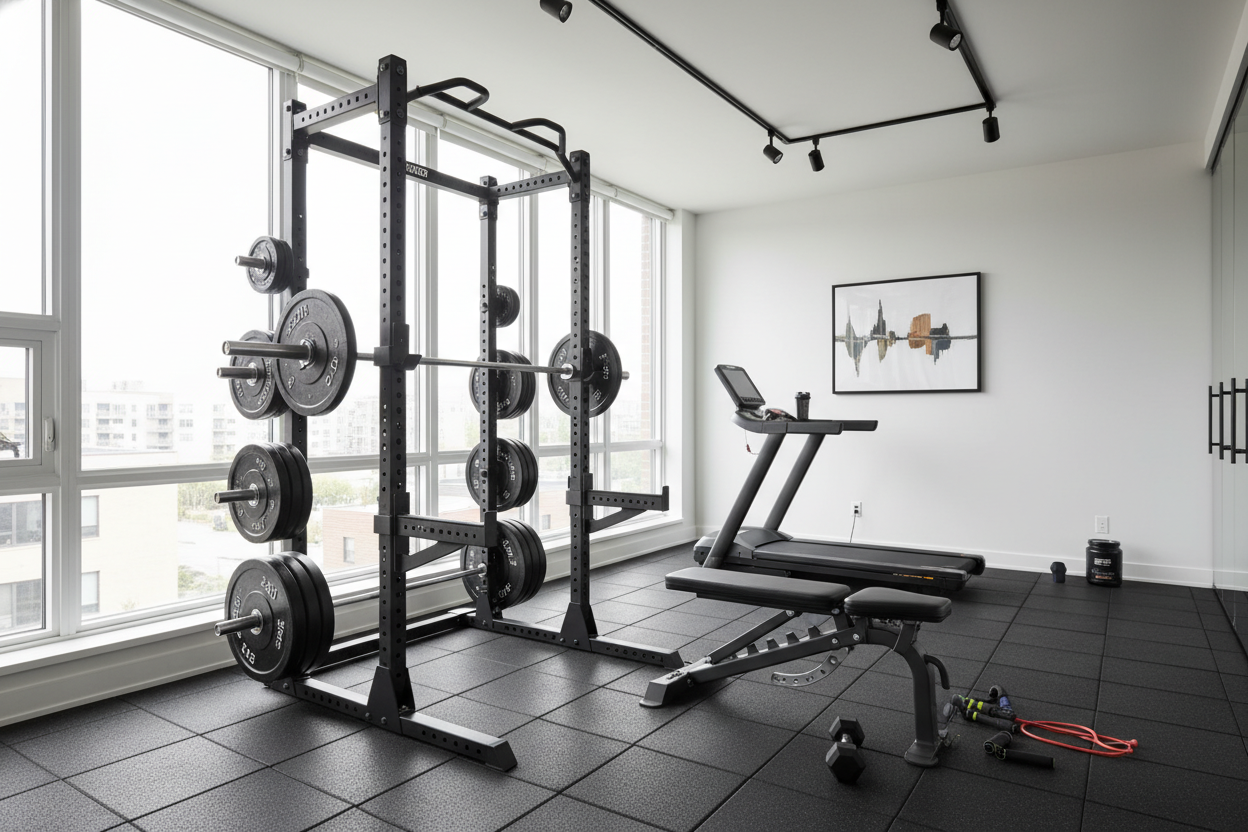
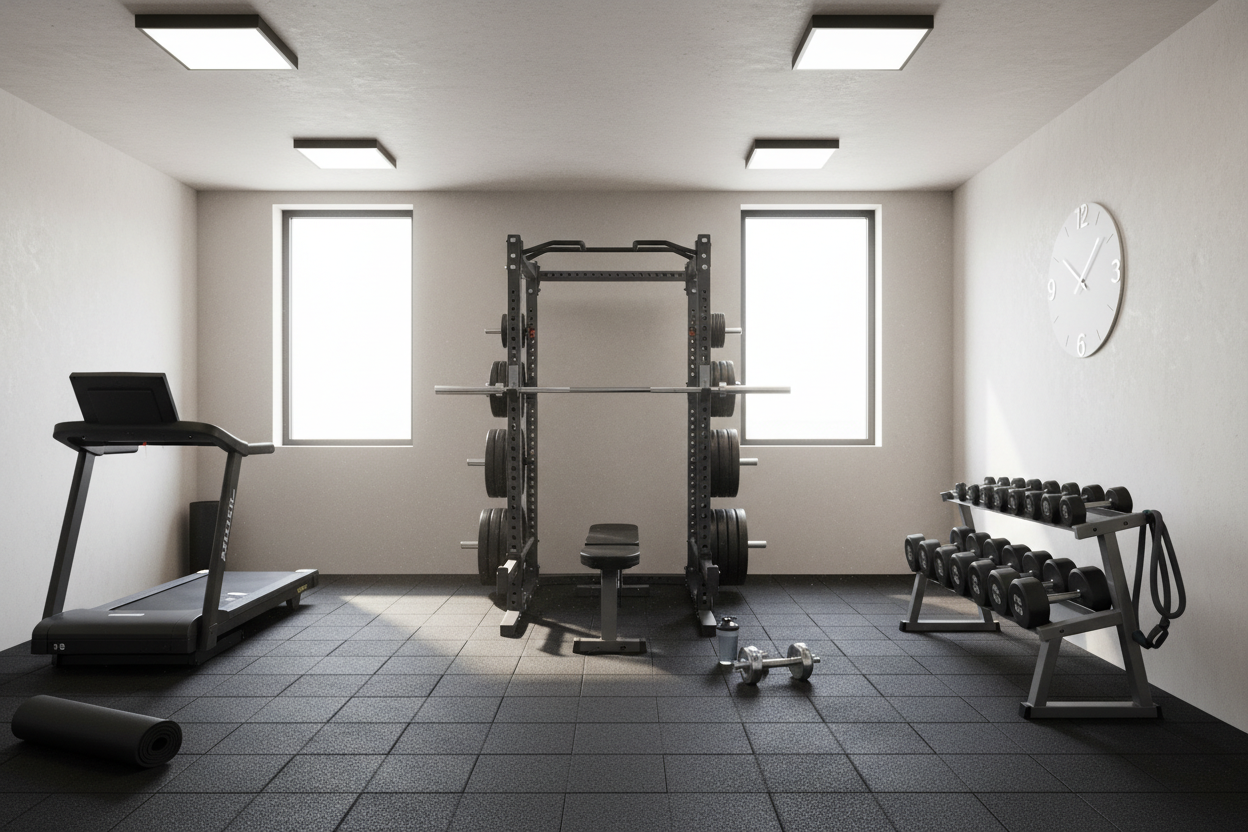
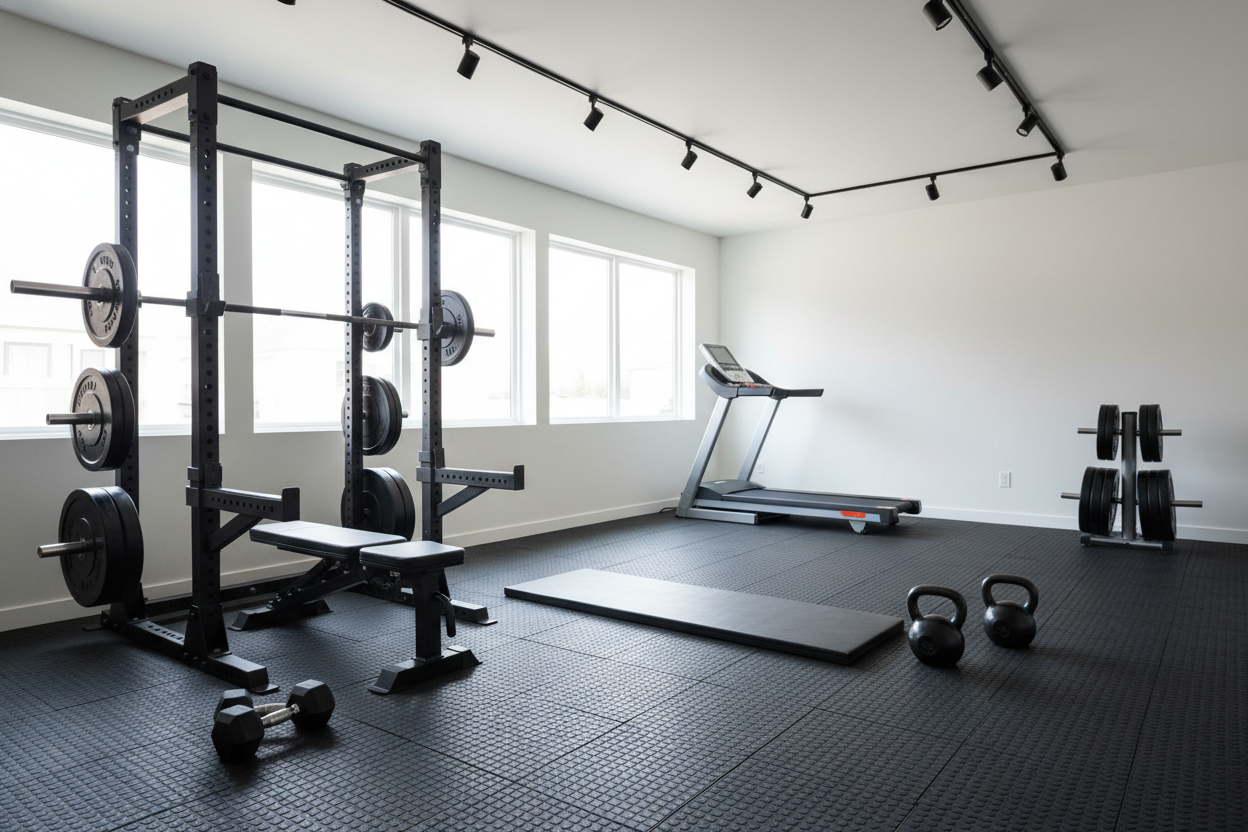
Setting this up on your home workout gym flooring is the quickest way to realize your mobility is probably trash. Without the ability to use your lower body, your shoulders and triceps are forced to do 100% of the work. This strict isolation is what makes it one of the most effective shoulder strengthening workouts you can put yourself through.
How to Build Shoulder Strength Without Cheating
Start by setting the safety pins in your heavy-duty strength equipment at about shoulder height while sitting. Sit on the floor with your legs straight and chest tall. When you unrack the bar, your core has to fire immediately just to keep you from collapsing. This is shoulder resistance training in its purest form.
Keep your heels dug into the floor, but don't try to push with them. As you press, the bar must travel in a tight line past your face. Because you can't lean back, you have to push your head 'through the window' at the top of the rep. This forces your traps and rear delts to stabilize the weight in a way a seated bench press never will. If you want to know how to build shoulder strength, this is the blueprint.
Programming the Z-Press for Maximum Growth
Don't expect to hit your standing press numbers here. Most lifters find they can only move about 60-70% of their usual max. Because the stability requirement is so high, I recommend staying in the 6 to 10 rep range. It’s better to maintain a perfectly upright torso than to grind out a heavy triple with a rounded spine.
I often use strength training accessories like wrist wraps or fractional 1.25 lb plates when programming this. Since the margins for error are so small, jumping up by 10 lbs is usually a recipe for failure. Small, incremental wins are the only way to progress on such a strict movement without compromising your form.
My Personal Experience
I first tried the Z-Press after hitting a plateau on my overhead press for six months. I thought I was strong until I sat down with a measly 95 lbs and almost tipped over backward. I realized my hip flexors were so tight I couldn't even sit upright with my legs straight. It took me a month of mobility work just to get into the starting position comfortably. Once I swallowed my pride and stuck with it, my standing press jumped 15 lbs in eight weeks because my core was finally stable enough to support the weight.
FAQ
Can I do this with dumbbells?
Absolutely. Dumbbells actually make the stability requirement harder because each arm has to work independently. It’s a great way to fix muscle imbalances.
What if I can't sit with my legs straight?
That’s a sign of tight hamstrings and hips. You can slightly bend your knees or sit on a small 1-inch plate to take the tension off, but work on that mobility daily.
Is the Z-Press dangerous for the lower back?
Actually, it's often safer than standing presses because it prevents you from over-arching your lumbar spine. If your core fails, the bar just doesn't move.