Your Search for the Best Bodybuilding Routine Is a Trap
The Four-Week Itch: Why We Program Hop
I’ve spent way too many nights at 2 AM scrolling through forums, convinced that some new 'science-based' split was the missing link to my mediocre chest gains. My garage gym was full of expensive iron, yet I was treating my programming like a social media feed—constantly swiping right on every shiny new object that promised a better bicep peak. The reality is that your search for the best bodybuilding routine is usually just an elaborate form of procrastination. We want the result without the boring, repetitive work of doing the same six lifts for a year.
The 'Four-Week Itch' is a psychological trap. You start a program, the initial excitement carries you through the first 21 days, and then the weights get heavy. The novelty wears off. Suddenly, you see an influencer doing a seated cable row with a unique handle, and you convince yourself your current program is 'unbalanced.' You abandon ship right when your nervous system is finally getting efficient enough at the movements to actually start recruitment for hypertrophy. If you switch programs every month, you spend your whole life in the 'learning the movement' phase and never enter the 'growing from the movement' phase.
Quick Takeaways
- Consistency beats 'optimal' every single time you step into the rack.
- Muscle growth happens in months four through six of a program, not week one.
- Stability is king for hypertrophy; don't fear the machines.
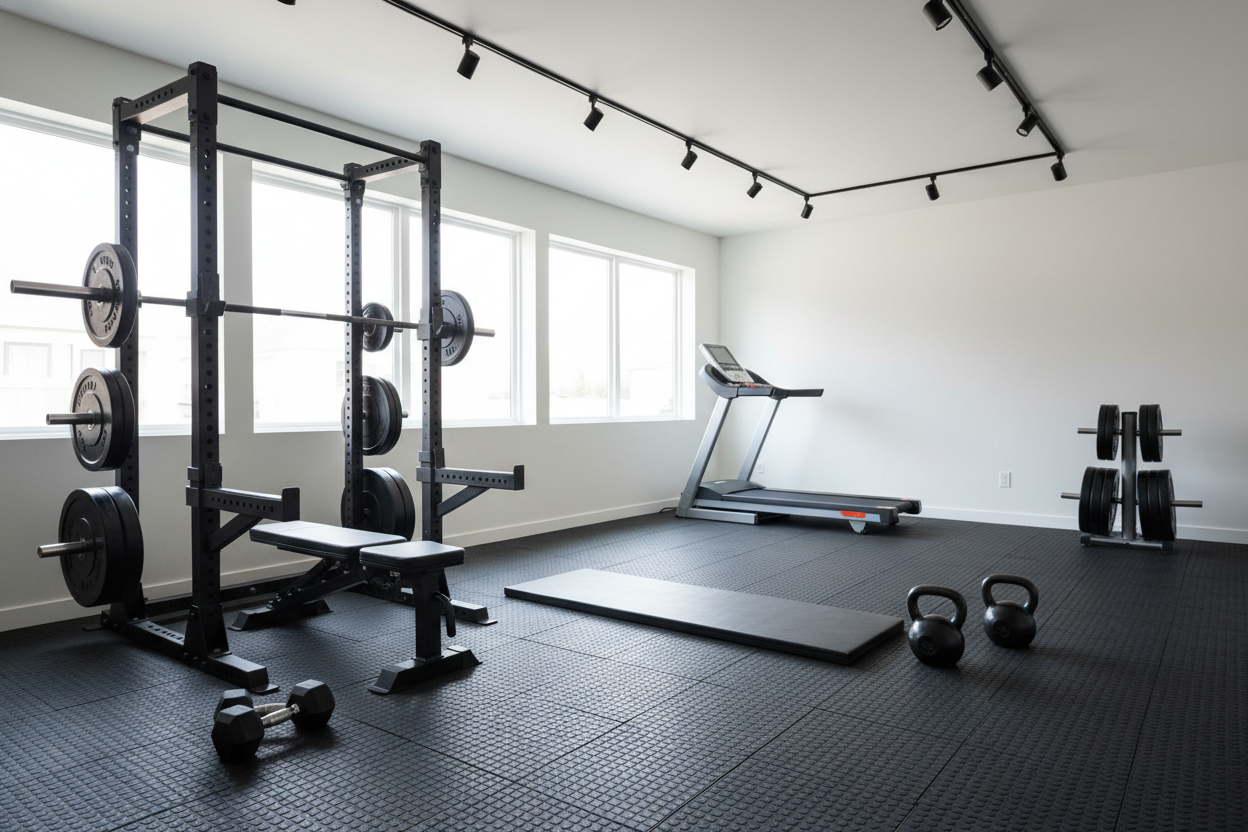
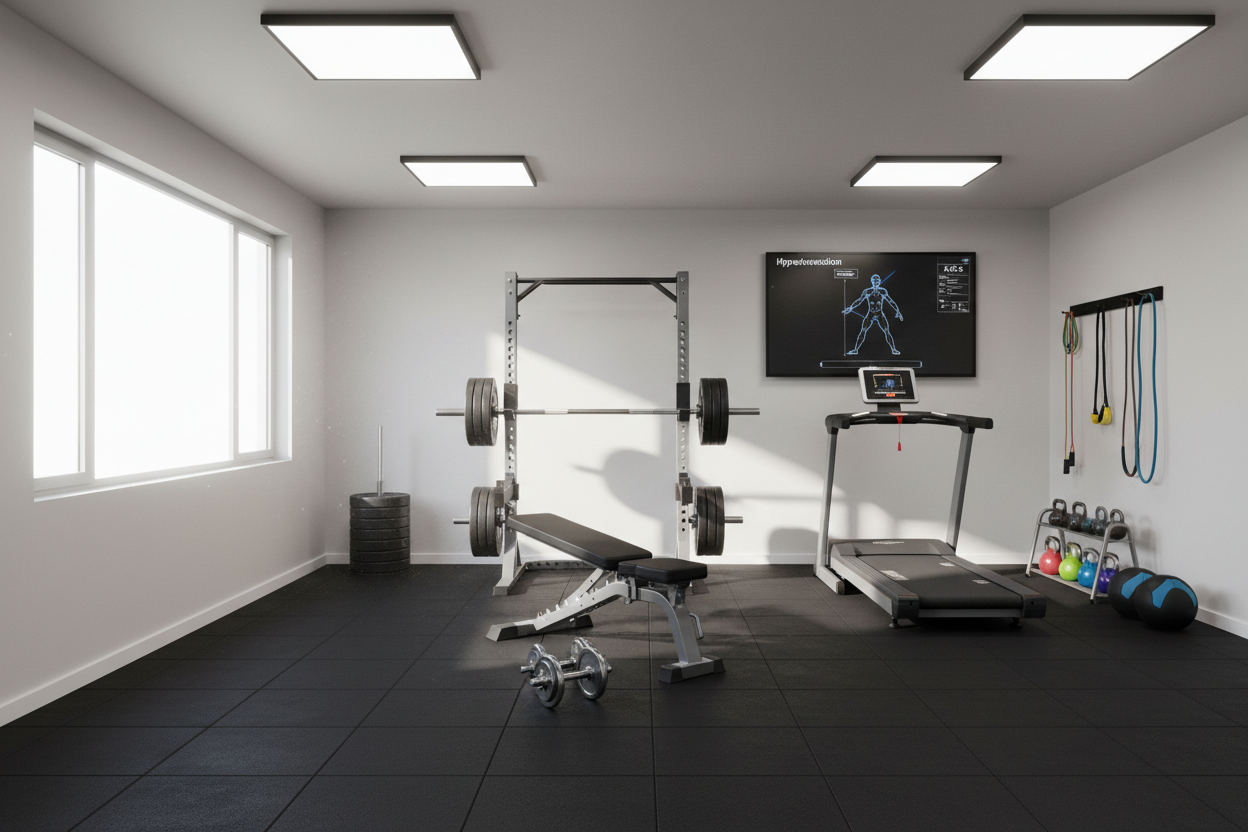
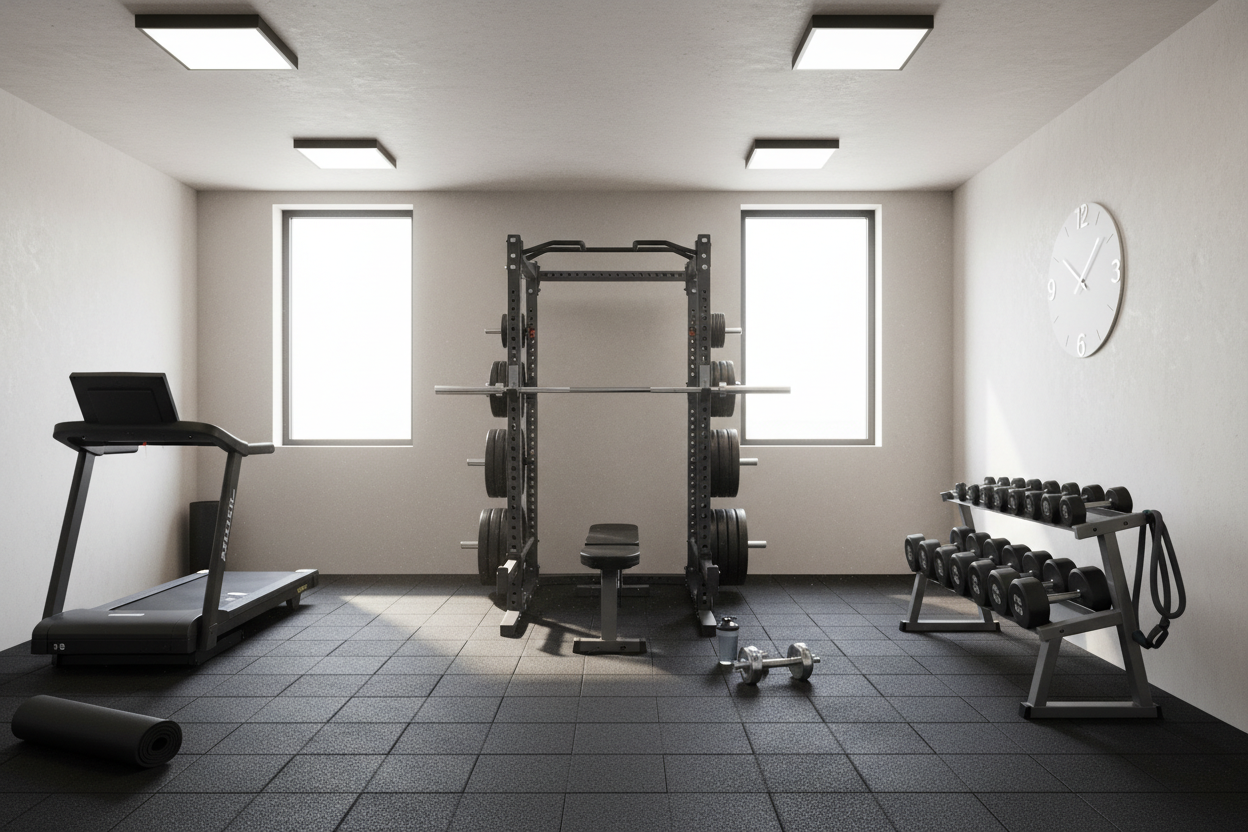
- Your home gym layout dictates how likely you are to actually finish your sets.
- Commit to 16 weeks or don't bother starting.
What Actually Drives the Best Bodybuilding Training
Your muscles don't have eyes. They don't know if you're using a $3,000 selectorized machine or a rusty dumbbell you found on Craigslist. They only understand tension. The best bodybuilding training isn't about 'muscle confusion' or hitting the muscle from 17 different angles in a single session. It’s about taking a stable movement and adding five pounds or one extra rep to it every single week for a year. That’s it. That’s the whole secret that people try to sell you for $99 in a PDF.
In my experience, the biggest mistake home gym owners make is over-valuing 'functional' free weight movements when they really want to look like a bodybuilder. If your goal is pure size, you need to be able to push to absolute failure without your stabilizer muscles giving out first. This is why the best training for bodybuilding actually requires machines or at least high-stability variations. When you’re locked into a path, you can focus entirely on the target muscle. If you’re wobbling around on a Bosu ball or doing standing overhead presses with maximal weight, your core or your balance will often fail before your shoulders do. To grow, you need to remove the guesswork and the wobble.
Stop Blaming Your Split for Bad Execution
People love to argue about whether a PPL (Push/Pull/Legs) or an Upper/Lower split is the best bodybuilder workout. The truth? On paper, a pro’s workout looks almost identical to a beginner’s. The difference is in the execution. A pro isn't just moving weight from point A to point B; they are controlling the eccentric, stopping just short of a lockout to keep tension on the muscle, and taking their sets to a true RPE 10. Most people who complain their routine 'isn't working' are actually just sandbagging their sets.
I’ve watched guys in my own gym circle through five different programs in a year, yet their physique never changes. Why? Because they spend more time adjusting the pins on the rack than they do straining under the bar. If you aren't recording your sets and seeing a measurable increase in intensity or volume over time, the specific split you're using is irrelevant. You could be doing the most scientifically 'perfect' routine ever devised by a PhD, but if your intensity is a 6 out of 10, you’re just doing cardio with weights.
Building a Frictionless Gym Environment
Complex routines often fail in a home gym because of setup time. If your 'best bodybuilding routine' requires you to move your car, unstack three boxes, and spend twenty minutes rigging up a DIY cable crossover, you aren't going to do it on a rainy Tuesday. You need a space that invites heavy, stable lifting. I’ve found that the more I have to 'prep' the floor or the rack, the more likely I am to cut my accessories short. Efficiency is the underrated variable of muscle growth.
One of the best investments I made for my own space was a dedicated, high-grip floor. You need a foundation so you can confidently push to failure on leg days without adjusting your floor space or worrying about your feet sliding during a heavy hack squat. I always recommend getting the best large exercise mat you can find that actually stays put. When you don't have to worry about your equipment shifting, you can put 100% of your mental energy into the contraction. It sounds small, but removing those tiny points of friction is what allows you to stay on a program for the long haul.
The 16-Week Commitment Challenge
I’m challenging you to stop reading the forums. Stop looking at the new 'meta' for hypertrophy. Pick one basic template—something that covers your bases without being overly fancy—and run it for 16 weeks without changing a single exercise. No 'swapping out' the squat for a lunge because you’re bored. No adding three extra sets of lateral raises because you saw a new video. Just do the work. Consistency is a boring, unsexy virtue, but it's the only one that builds a physique.
If you're overwhelmed by the options, keep it simple. Often, the best bodybuilding routine fits on a post-it and focuses on the high-ROI movements. My personal mistake was trying to run a high-volume Bulgarian-style squat program in an unheated garage during a midwest winter. I was so focused on the 'prestige' of the program that I ignored the fact that my joints were screaming. I ended up with tendonitis and zero extra muscle. I finally saw progress when I scaled back to a simple 4-day split and stayed on it for an entire year. That year of 'boring' training did more for my physique than three years of program hopping ever did.
FAQ
How long should I stay on one bodybuilding routine?
At least 12 to 16 weeks. It takes your body several weeks just to adapt to the movements. The real muscle growth happens in the second half of the program when you are truly proficient at the lifts and can push the intensity.
Can I swap exercises if I don't have the right equipment?
Yes, but swap for a similar movement pattern and then stick to that swap for the duration of the program. Don't change it every week. If you don't have a leg press, use a high-bar squat or a Bulgarian split squat and keep it as your primary movement for the full 16 weeks.
What should I do if my progress stalls?
Before you change the routine, check your recovery and your intensity. Are you actually sleeping 7-8 hours? Are you eating enough protein? Are you truly hitting RPE 9 or 10 on your top sets? Usually, the program isn't the problem—the lifestyle around the program is.