Why the Rules for Women and Working Out Are Completely Backwards
I remember walking into a commercial gym a few years ago and seeing the 'women's section.' It was a graveyard of 2lb neoprene weights, pink yoga balls, and rows of elliptical machines. It felt like the fitness equivalent of a kids' menu. If you've ever felt like the advice for women and working out was designed to keep you small and weak, you aren't crazy. You're just being lied to by a multi-billion dollar industry that profits from your lack of progress.
- Women recover faster from high-intensity sets due to estrogen's role in muscle repair.
- Heavy lifting is the most effective way to combat age-related bone density loss.
- 'Toning' is a marketing myth; it is simply building muscle and losing fat.
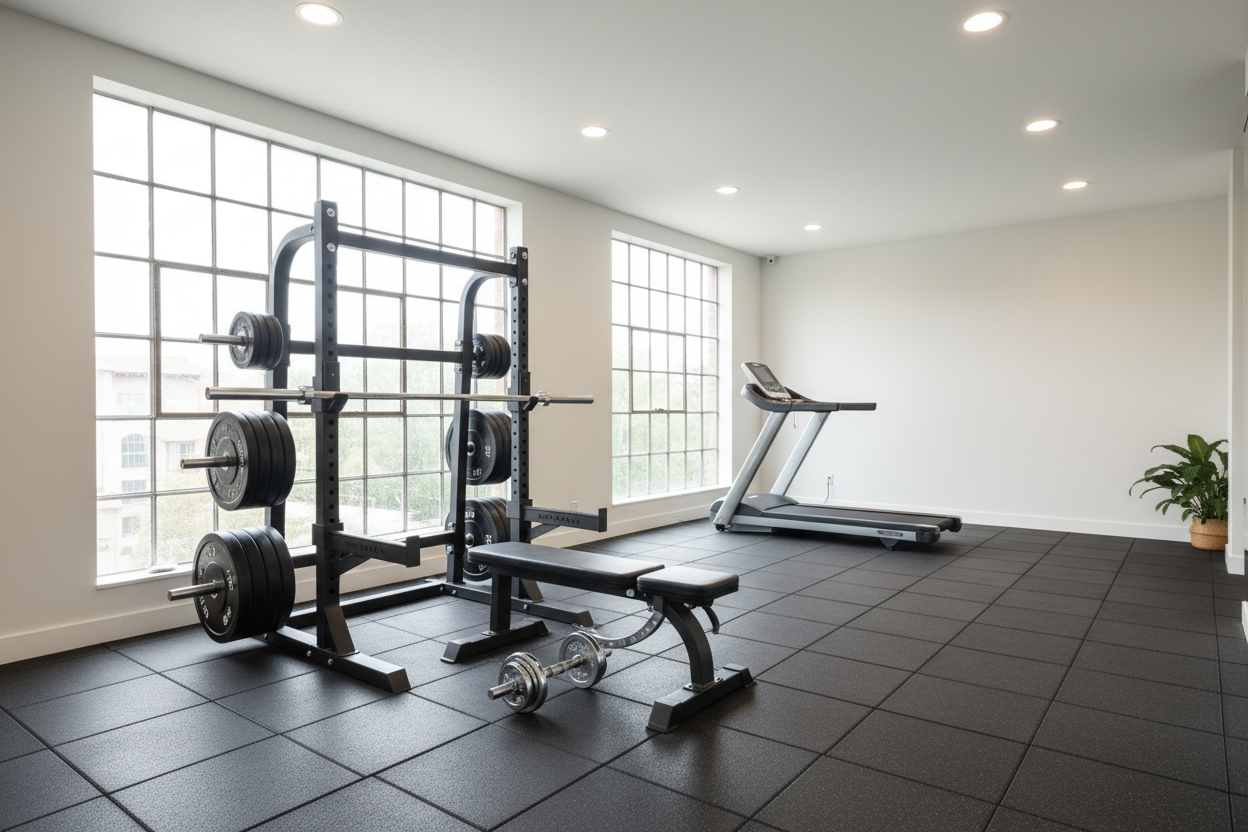
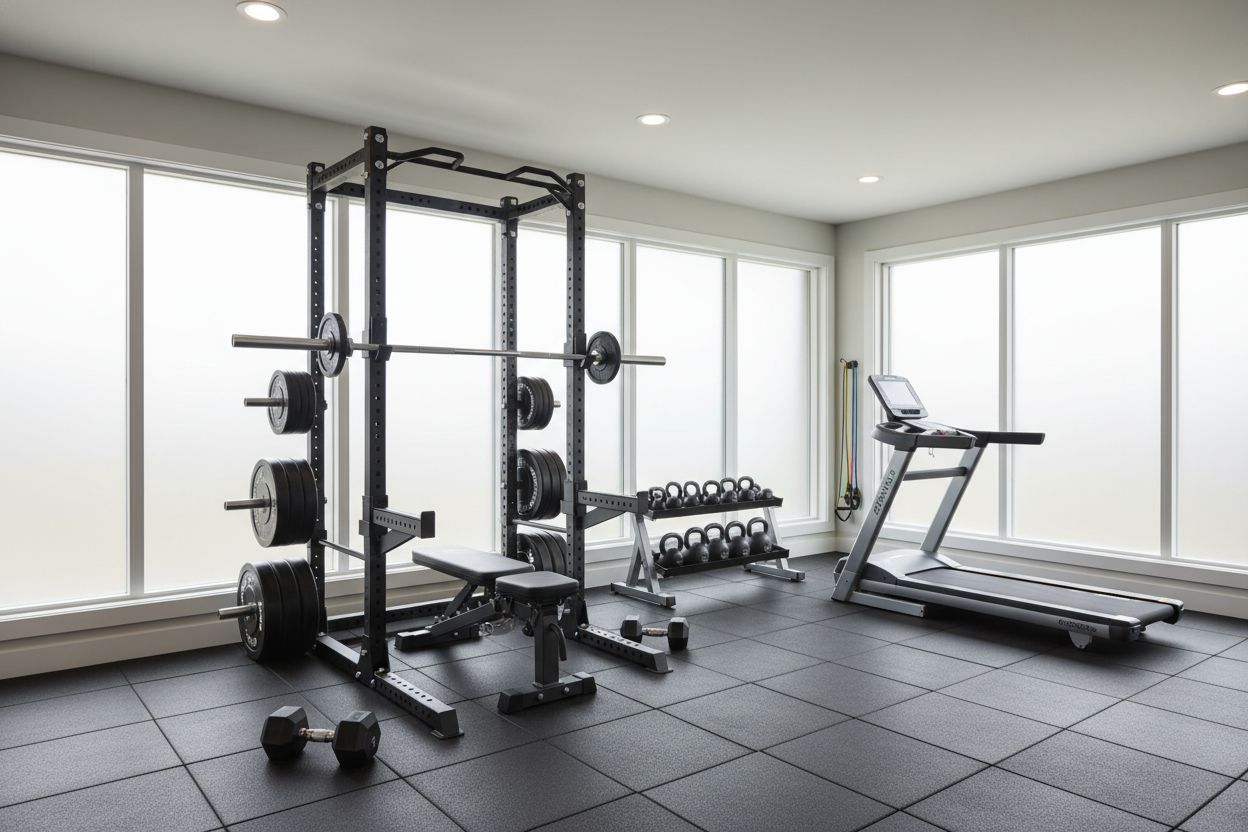
- Home gym setups for women should prioritize racks and barbells over light cardio gear.
The Fragile Female Myth We Need to Kill
Marketing for a woman and exercise usually centers on 'toning'—a word that literally means nothing in physiological terms. It is a soft-sell code for 'don't get too bulky.' This nonsense has set female lifters up for years of frustration, pushing them toward high-rep, low-weight circuits that never provide enough stimulus to actually change body composition. When we treat women and exercise as a delicate pursuit of calorie burning rather than structural strength, we rob them of the very results they’re looking for.
The Biological Truth: Women Benefit More From Exercise Than Men
The irony of the 'fragile' narrative is that women benefit more from exercise than men in several key metabolic ways. Estrogen isn't just a reproductive hormone; it is an anabolic powerhouse that aids muscle repair and protects against muscle damage. Because of this, women who exercise can actually handle higher training volumes and recover faster between sets than their male counterparts. I’ve seen female lifters hit a heavy set of five and be ready to go again in 60 seconds, while the guys are still gasping for air five minutes later. Your physiology is built for work, not for standing on a vibrating platform.
Redefining the Gym Benefits for Woman
Let's talk about the real gym benefits for woman trainees that go beyond the mirror. It is about bone mineral density and joint integrity. As we age, the risk of osteoporosis and sarcopenia (muscle loss) becomes a legitimate threat. Lifting heavy is the only way to signal your body to harden those bones and reinforce the connective tissue. Focusing on a solid leg exercise for women routine isn't just about aesthetics; it is about building a chassis that won't break down when you're 70. You are building armor, not just 'sculpting' lines.
How Women Who Exercise Should Actually Set Up Their Space
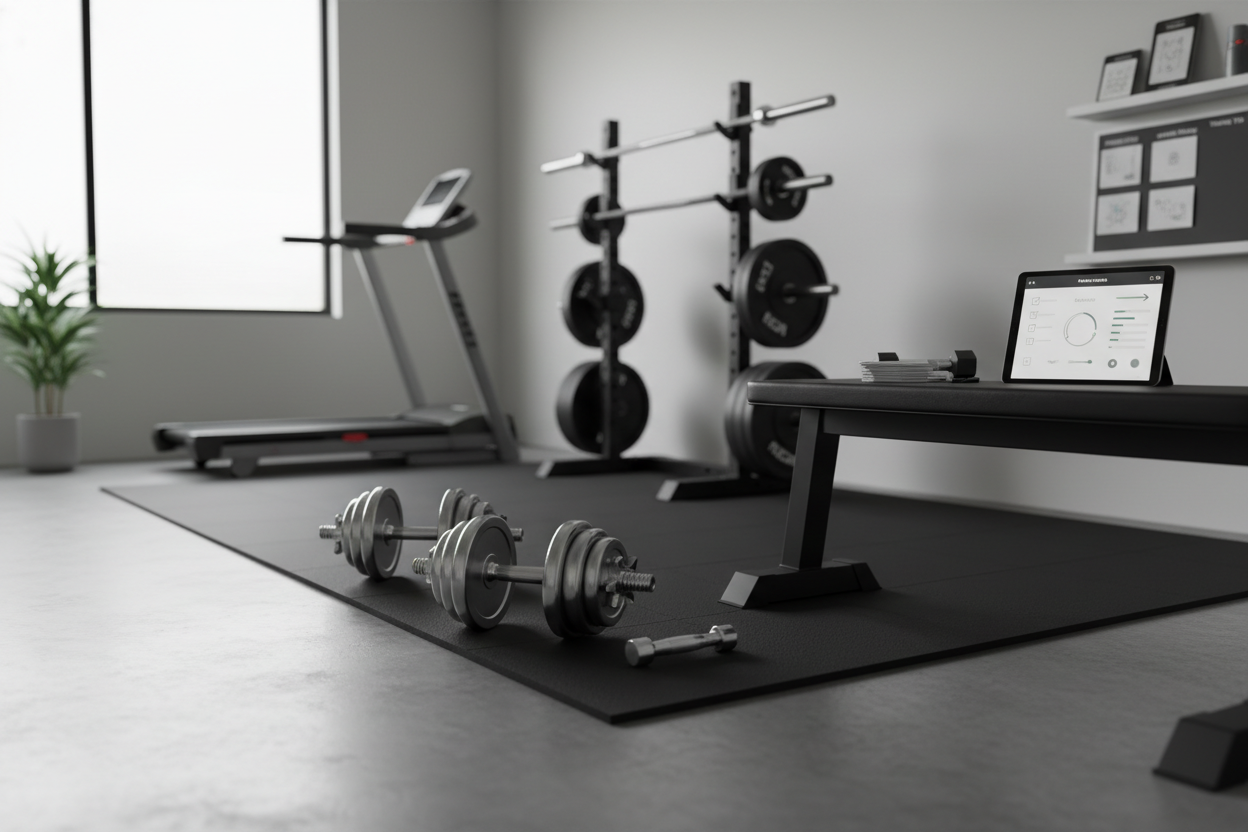
If you're building a home training environment, stop buying 'female-friendly' gear that looks like it belongs in a nursery. You need a rack, a barbell, and a large exercise mat for home gym use that won't slide when you're pulling a heavy deadlift. Most yoga mats are too squishy for real lifting; they kill your stability and eat your power. You want a firm 8mm or 10mm rubber surface that handles 300+ lbs without indenting forever. If your floor feels like a marshmallow, your squats will feel like garbage.
Ditch the Pink Dumbbells for Real Iron
Those 5lb dumbbells are doorstops. You will outgrow them in three weeks if you're actually trying. If you want to see a change in your physique, you need progressive overload. Get a pair of heavy adjustable dumbbells—something that goes up to at least 50lbs per handle. It saves space in a 6x8 ft corner and actually provides the resistance needed for exercise and women to result in real adaptation. If the weight doesn't scare you a little, it probably isn't heavy enough.
The New Rules of Exercise and Women
The manifesto is simple: stop training like you're made of glass. Stop wandering from machine to machine without a plan. Start a structured beginner exercise plan for women that prioritizes the big lifts. Squat, hinge, push, and pull. Do it heavy, do it with intent, and ignore any trainer who tells you to 'be careful' just because of your chromosome pairing. Your body is a high-performance machine that thrives under load.
My Own Training Reality Check
I spent my first two years of training doing 'bootcamp' classes because I was afraid of the barbell. I lost some weight, but I felt weak and my joints always ached. It wasn't until I bought my first 160lb bumper plate set and a power rack that my body actually changed. My biggest mistake was thinking I needed 'special' workouts. I didn't. I just needed to stop treating myself like a cardio-only accessory. Once I started pulling 200lbs off the floor, all those 'problem areas' I was worried about disappeared.
Frequently Asked Questions
Will lifting heavy weights make me look bulky?
No. Most women don't have the testosterone levels to build massive, 'bulky' muscles without specific, years-long supplementation. You'll just look lean and strong.
Do I need a different barbell than a man?
A standard 20kg bar works fine, but a 15kg 'women's' bar has a thinner 25mm diameter which is often better for smaller hands to get a secure grip.
How many days a week should I train?
Start with three full-body sessions per week. Because women recover faster, you can eventually move to four or five days as long as your sleep and protein intake are dialed in.