Stop Treating Your Body Building Exercise Routine Like a Powerlifting Meet
Three years ago, I was the king of my garage gym. I could squat 405 for reps, my deadlift was creeping toward 600, and I had the joint pain to prove it. The problem? I looked exactly the same as I did when I was lifting 100 pounds less. I was following a powerlifting program and calling it a body building exercise routine. I was strong, sure, but I was thick in the wrong places and lacked any of the actual muscle definition I was chasing. I finally had to admit that grinding out heavy singles was doing wonders for my ego but absolutely nothing for my hypertrophy.
Quick Takeaways
- Stimulus over weight: If you can't feel the muscle working, the weight is too heavy.
- SFR is king: Prioritize movements that give high muscle stimulus with low systemic fatigue.
- Recovery is growth: Natural lifters often grow better on 4 days than 6.
- Track the 'How': Tempo and control matter more than just the total poundage.
The Day I Realized Strength Doesn't Automatically Equal Size
I remember hitting a particularly ugly 495-lb deadlift. My back was rounded, my teeth were gnashing, and I felt like my nervous system had been fried in a toaster. I looked in the mirror and realized I didn't look like a bodybuilder; I looked like a guy who was really good at moving weight from Point A to Point B by any means necessary. A true workout for bodybuilding requires a massive ego check. You have to stop caring what the neighbors think when they see you using 30-lb dumbbells for lateral raises instead of swinging the 50s.
The transition from a strength mindset to a bodybuilding training plan is harder than it sounds. It means slowing down the eccentric, pausing at the peak contraction, and actually staying in the 8-12 or even 15-20 rep range. If you have never followed a structured program before and find yourself just 'winging it' with heavy weights, I highly suggest checking out our Workout Hub to see the difference between a strength block and a hypertrophy block.
Why Your 'Heavy' Lifts Are Sabotaging Your Growth
In the world of bodybuilding programming, we talk a lot about the Stimulus-to-Fatigue Ratio (SFR). Every lift you do has a cost. A heavy barbell row might hit your lats, but it also hammers your lower back, your grip, and your central nervous system. If your goal is a bodybuilder workout plan that actually builds a V-taper, you need to ask if that extra 20 pounds on the bar is actually going to your lats or if you're just using momentum to cheat the weight up.
Adding five pounds to the bar every week is the gold standard for powerlifters, but for a bodybuilding fitness plan, it can be a trap. Eventually, the weight gets so heavy that your form breaks down just to keep the progression alive. You stop being a muscle-builder and start being a weight-mover. When your joints start aching more than your muscles, your training programs bodybuilding focus has officially shifted in the wrong direction. You want to fatigue the muscle, not the skeleton.
Swapping Ego Lifts for High-Stimulus Movements
I traded my heavy barbell overhead press for seated dumbbell presses where I could actually control the range of motion. I stopped doing 'cheat' curls and started doing incline dumbbell curls with a strict three-second eccentric. This shift in your bodybuilding workout programs might feel like a step backward because the numbers on your spreadsheet will drop. But the reflection in the mirror will finally start to change.
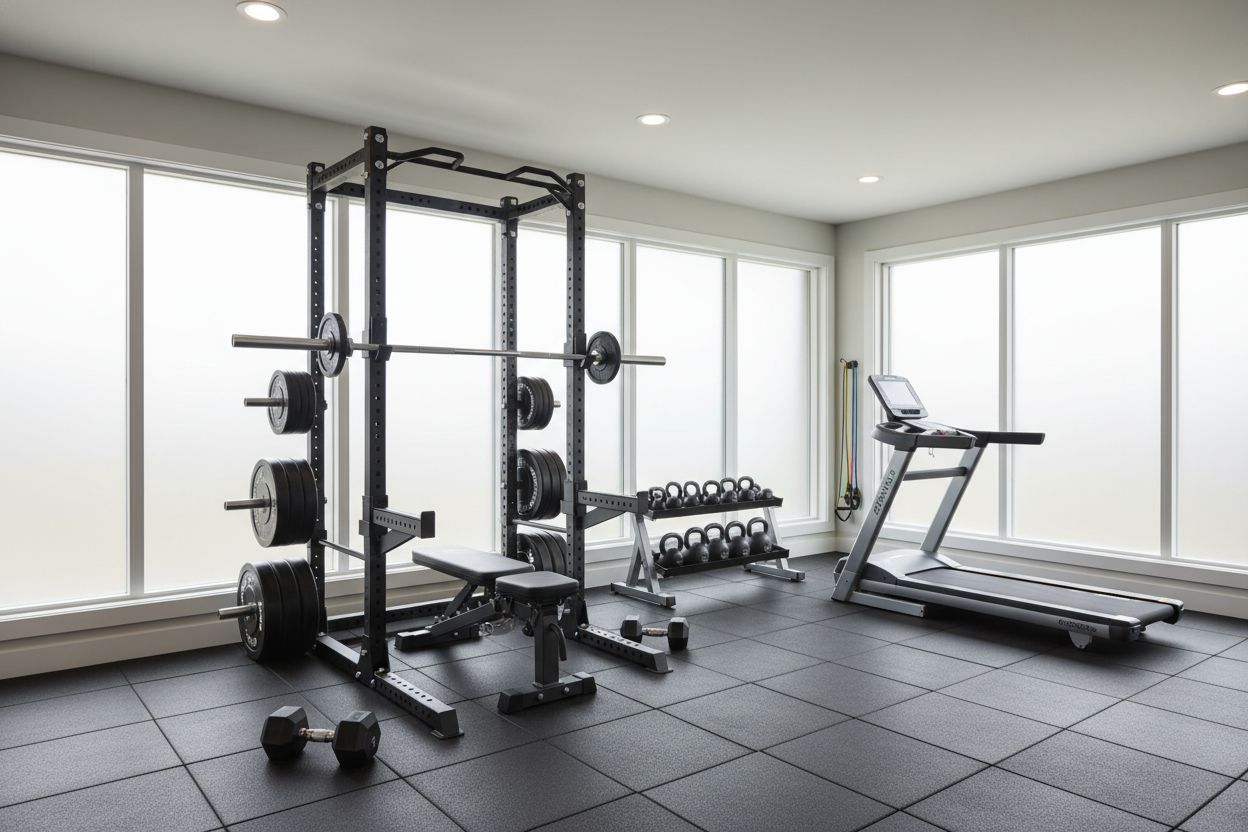
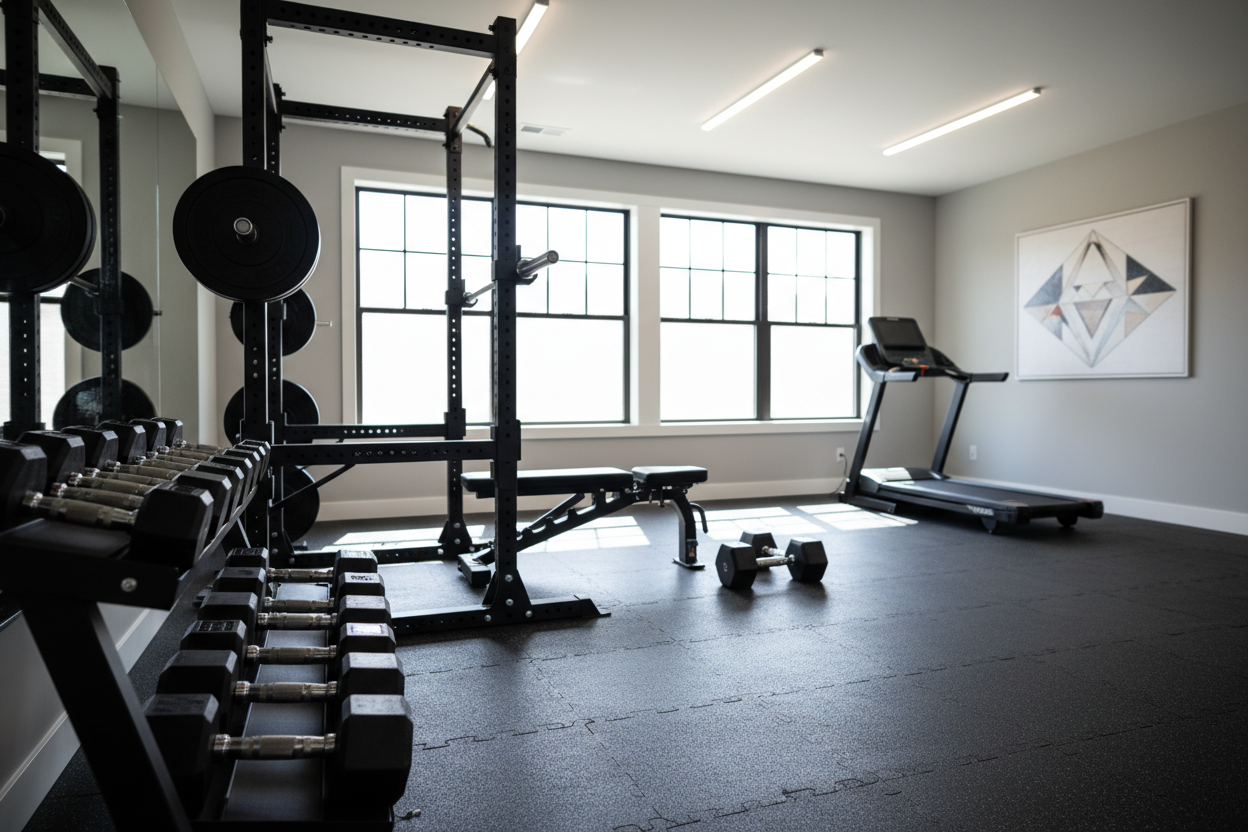
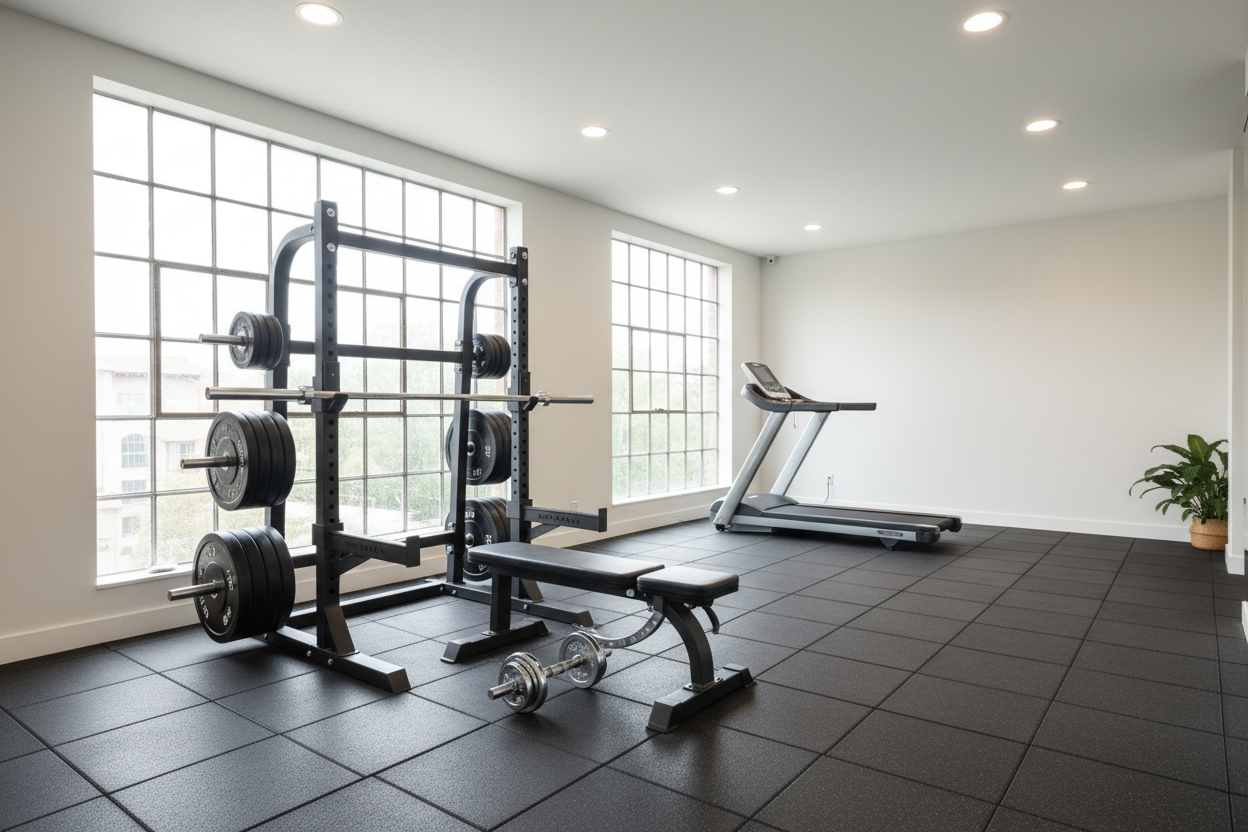
One of the best things I did for my garage setup was creating a dedicated 'failure zone.' When you're running high-intensity bodybuilding lifting programs, you need to be able to take sets to absolute failure without worrying about your floor or your safety. I laid down a 6X8Ft Exercise Mat Yoga Mat Gym Flooring For Home Workout specifically so I could drop heavy dumbbells during a set of drop-sets or extended-reach Bulgarian split squats. Having that 7mm of high-density padding means I can push to that 11th or 12th rep where the growth actually happens, knowing I can ditch the weight safely if my grip gives out before my quads do.
Structuring a Realistic Split for Normal Guys
Most of us aren't professional athletes with 10 hours a day to recover. Following the bodybuilding workout routine of a pro who spends four hours in the gym and sleeps ten hours a night is a recipe for burnout. For the natural garage gym lifter, the best bodybuilding plans usually involve a 4-day or 5-day split. This allows for enough intensity to trigger growth but gives your tissues enough time to actually repair themselves.
I personally found that a 4-day Upper/Lower split outperformed a 6-day 'Bro Split' every single time. Why? Because I could actually bring the heat to every session. When you're training six days a week, session five and six usually end up being half-hearted 'junk volume.' If you're struggling to balance your training with a job and family, check out our guide on How to Schedule Bodybuilding Workout Plans for Busy Lives. A good bodybuilding exercise schedule is one you can actually stick to for six months, not just six days.
Tracking the Right Metrics for Hypertrophy
Stop just tracking weight and reps. If you want a top bodybuilding routine, you need to track the quality of those reps. Did you use a 2-second pause? Was the eccentric controlled? Did you reach a true RPE 9? In my experience, these are the metrics that actually correlate with muscle size. I've seen guys who have the same 'best workout chart for bodybuilding' for three years, but they look better every year because their execution improves.
I spent 12 weeks focusing specifically on tempo over total weight, and the results were eye-opening. You can read about how I Rotated the Best Full Body Workout Bodybuilding Plan for 12 Weeks and why focusing on the squeeze rather than the squeeze-press helped me break a two-year plateau. Your bodybuilding workout planner should have a notes section for 'feel' and 'pump'—those subjective markers are often more important for hypertrophy than the raw numbers.
FAQ
Can I build muscle with just a barbell?
You can, but it's not optimal. A bodybuilding exercise program benefits heavily from dumbbells and cables because they allow for better isolation and a more natural range of motion for your joints. If you're stuck with just a bar, focus on high-rep variations and slow tempos.
How long should a bodybuilding workout take?
If you're training with high intensity, 60 to 75 minutes is plenty. If you're in the gym for two hours, you're likely resting too long or doing too much 'fluff' volume that isn't actually stimulating growth.
Do I need to go to failure on every set?
No. Save absolute failure for the last set of an exercise. Going to failure on your first set of the day creates too much fatigue and will ruin the rest of your bodybuilding training regimen. Aim for 1-2 reps in the tank for most sets.