Why the Best Exercises for Legs at Gym Ignore Half the Machines
I walked into a new 'luxury' club last week and counted six different leg press variations. Six. Most people spend twenty minutes just wandering between them, trying to figure out which one doesn't squeak or which one looks the most 'hardcore.' If you want the best exercises for legs at gym, you need to stop acting like a tourist and start acting like an engineer. You don't need a 20-exercise circuit; you need a handful of movements that allow you to move heavy weight through a full range of motion without your lower back screaming for mercy.
- Focus on Stability: Machines allow you to push closer to failure because you don't have to balance the weight.
- Prioritize Range of Motion: A half-rep on a leg press is just a calf raise for your ego.
- Rest More: Big leg movements demand 3-minute rest periods, not 30-second 'cardio' breaks.
- Unilateral Work: Always include one single-leg movement to fix imbalances.
The Equipment Trap: Why More Machines Ruin Your Focus
The commercial gym floor is a minefield of 'junk volume.' You see people doing three sets on the horizontal leg press, then moving to the 45-degree press, then hitting the cable kickback machine. It's redundant and frankly, a waste of your limited recovery capacity. Narrowing down the best leg exercises at the gym is about understanding your own levers, not trying every shiny piece of plastic in the building.
I’ve wasted years doing 'finisher' machines that did nothing but make me sweat. Real growth happens when you pick one or two primary movers and absolutely master them. Finding The Definitive Guide To The Best Exercise For Legs At Gym is helpful because it reminds you that the 'best' movement is the one you can load progressively for months without getting injured. If a machine feels clunky or hurts your joints, walk away—no matter how many influencers use it.
My Core Roster: The Only 4 Movements You Actually Need
To build a truly best leg gym workout, we are prioritizing stability and the ability to safely push the intensity. I want you to be able to hit failure without worrying about a barbell crushing your windpipe. These four movements cover the quads, hamstrings, and glutes with zero fluff.
1. The Machine Hack Squat: Heavy Quads Without Lower Back Fatigue
The Hack Squat is easily the best leg exercise gym owners ever invested in. Unlike a barbell squat where your lower back or core might give out before your legs do, the hack squat locks your spine against a fixed pad. This allows you to shove your feet lower on the platform to absolutely torch the quads. I personally prefer the models with a linear bearing system—they feel smoother than the ones that pivot on a single bolt. If you aren't hitting depth here, you're missing the point.
2. The Seated Leg Curl: The Undisputed Hamstring King
Most people gravitate toward the lying leg curl because it’s a gym classic. They're wrong. The seated leg curl puts your hamstrings in a more advantageous position because your hips are flexed, stretching the muscle at the top. That extra stretch translates to more mechanical tension and better growth. When I switched from lying to seated curls, my hamstring thickness noticeably improved within eight weeks. Keep your butt pinned to the seat and control the eccentric phase.
3. The Deep Leg Press: Building Mass Safely
The leg press earns its spot in the best leg workouts at gym sessions only if you use it correctly. Stop loading 10 plates a side and moving the sled three inches. Use a weight you can control, bring the platform down until your knees are nearly in your armpits, and keep your heels glued to the plate. If your lower back starts to round off the seat at the bottom, you’ve gone too far. Adjust the seat angle or stop just short of that point.
4. Heavy Walking Lunges: The Ultimate Finisher
After you've been locked into machines, it's time to challenge your stability. Walking lunges are brutal, but they hit the glutes and adductors in a way a press can't. If you're doing these in a dedicated functional area, make sure the surface is forgiving. Using a 6X8Ft Exercise Mat Yoga Mat Gym Flooring For Home Workout style surface is ideal if you're sensitive to knee impact or if the gym floor is slippery. Hold heavy dumbbells and keep your torso slightly leaned forward to bias the glutes.
Structuring the Session: Sets, Reps, and Rest
A best leg workout in gym isn't about doing 20 exercises. It's about doing these four movements with terrifying intensity. I recommend two 'top sets' for each. The first set should be in the 6-8 rep range, and the second in the 10-12 range. Take a full 3 minutes between sets. I know the guy in the stringer tank top says you only need 60 seconds, but if you're actually training heavy, your nervous system needs time to recover so you can produce maximum force again.
What If You're Ready to Ditch the Commute?
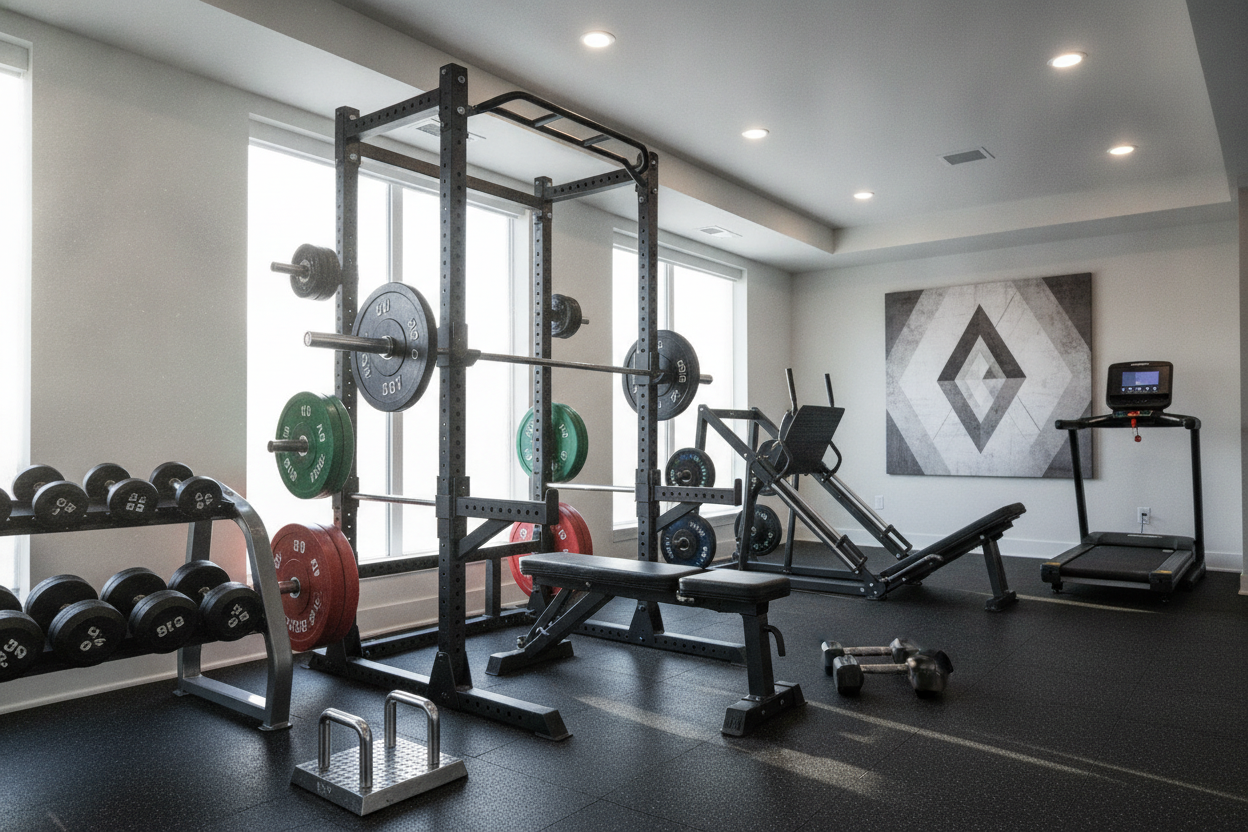
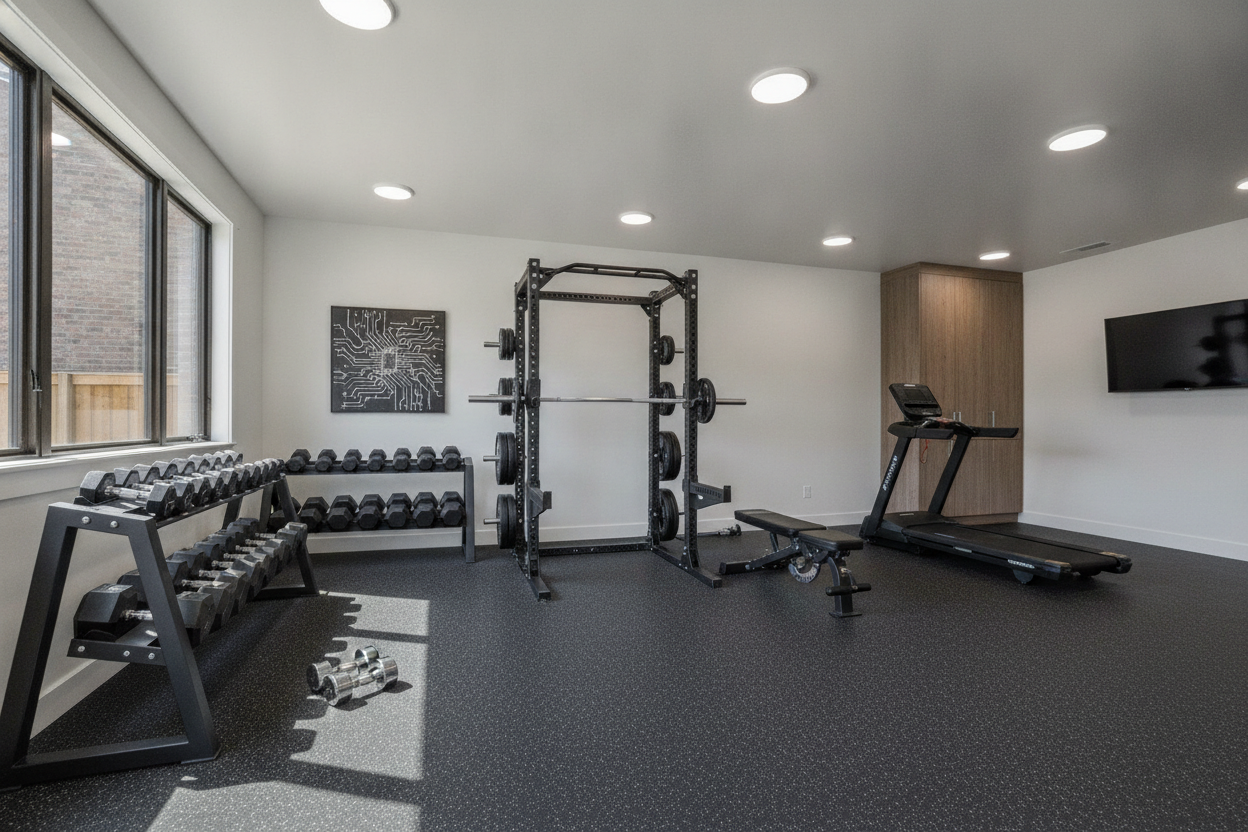
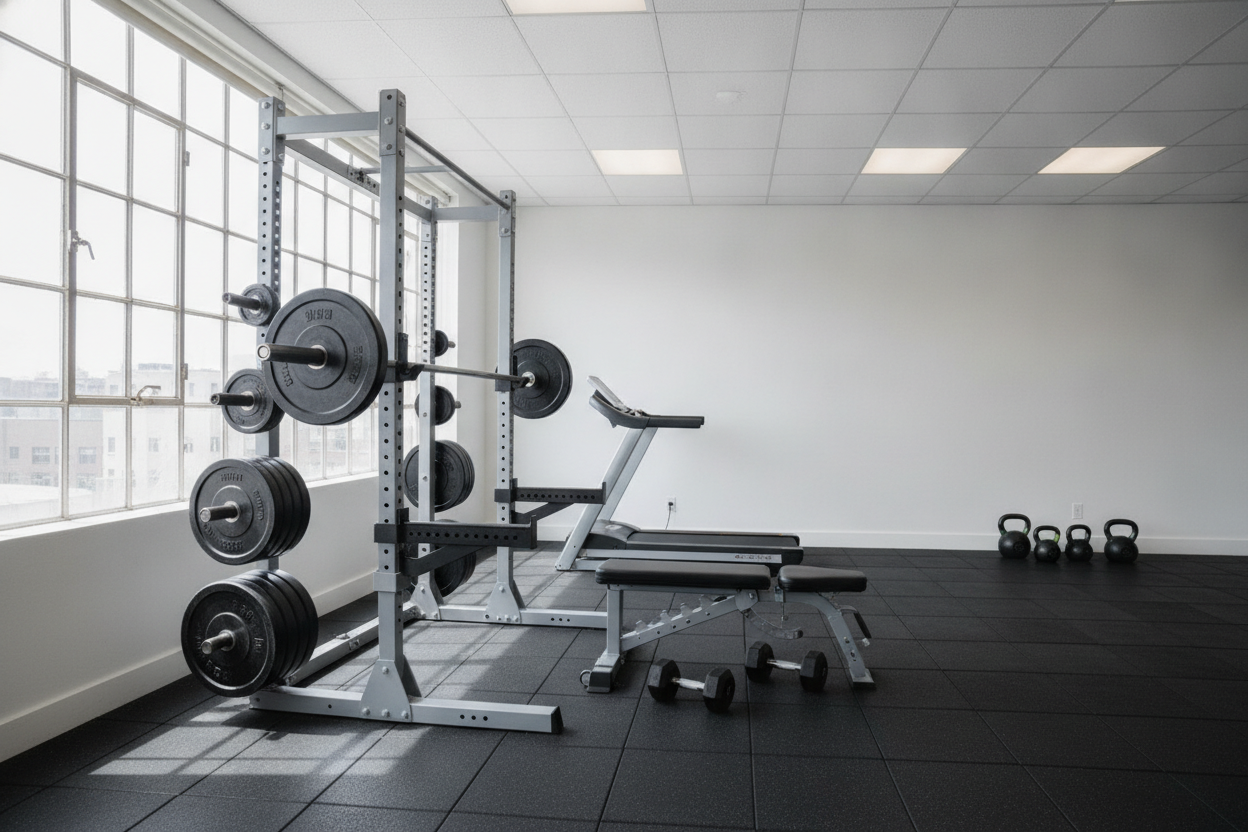
Let’s be real: waiting for the hack squat machine during peak hours is a special kind of hell. If you’re tired of the crowds and the broken cable machines, you might want to Discover The Best At Home Workout Machines For A Complete Home Gym. You don't need a 5,000-square-foot facility; a solid rack or a high-quality functional trainer can replicate most of these movements without the $80 monthly membership fee and the guy filming TikToks in the squat rack.
FAQ
Do I have to do barbell squats for big legs?
No. While the barbell squat is great, many people find better quad isolation and less joint pain using hack squats or leg presses. Your muscles only know tension, not the brand of the bar.
How many days a week should I train legs?
Twice a week is the sweet spot for most. It allows for enough volume to grow but gives your central nervous system time to recover between those heavy sessions.
Should I do cardio before or after leg day?
After, or on a separate day entirely. You want 100% of your glycogen and focus available for those heavy sets of presses and squats.