Why I Ignore 90% of Every Gym Equipment Catalogue
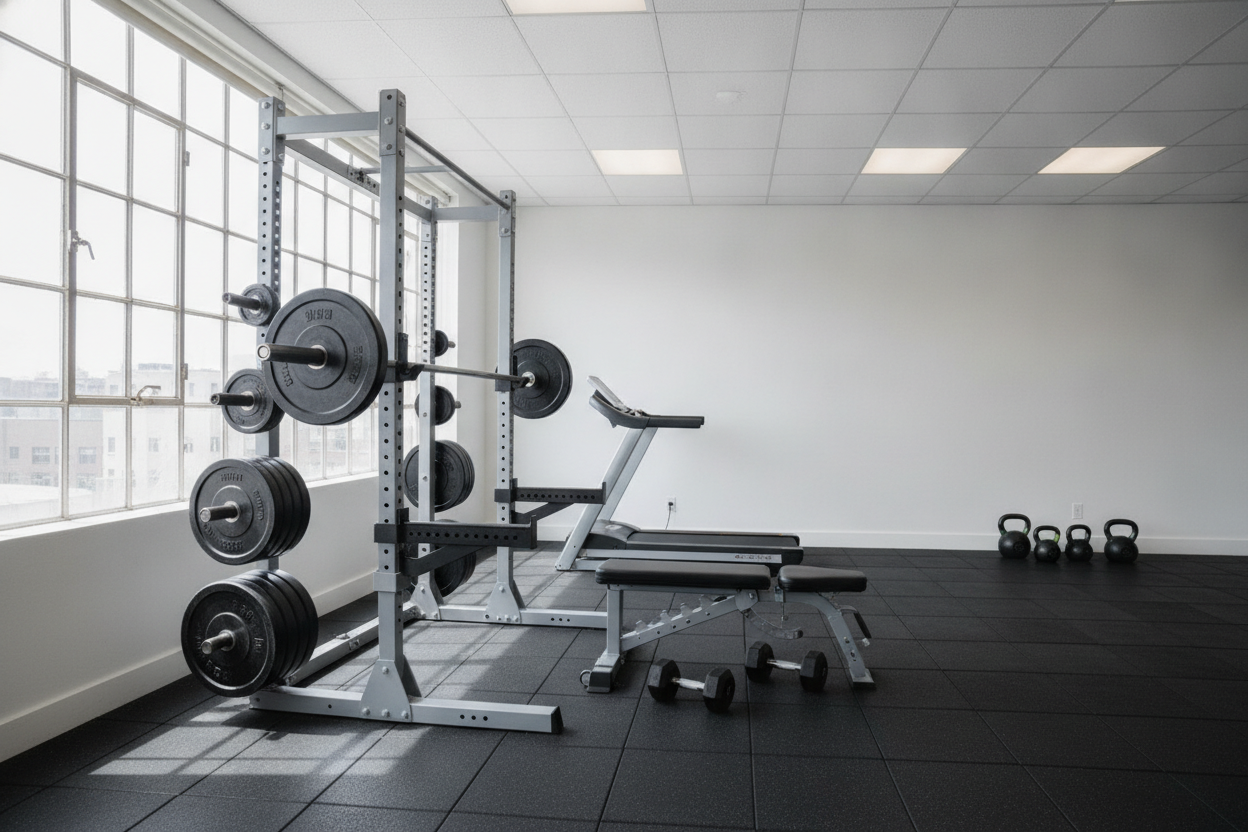
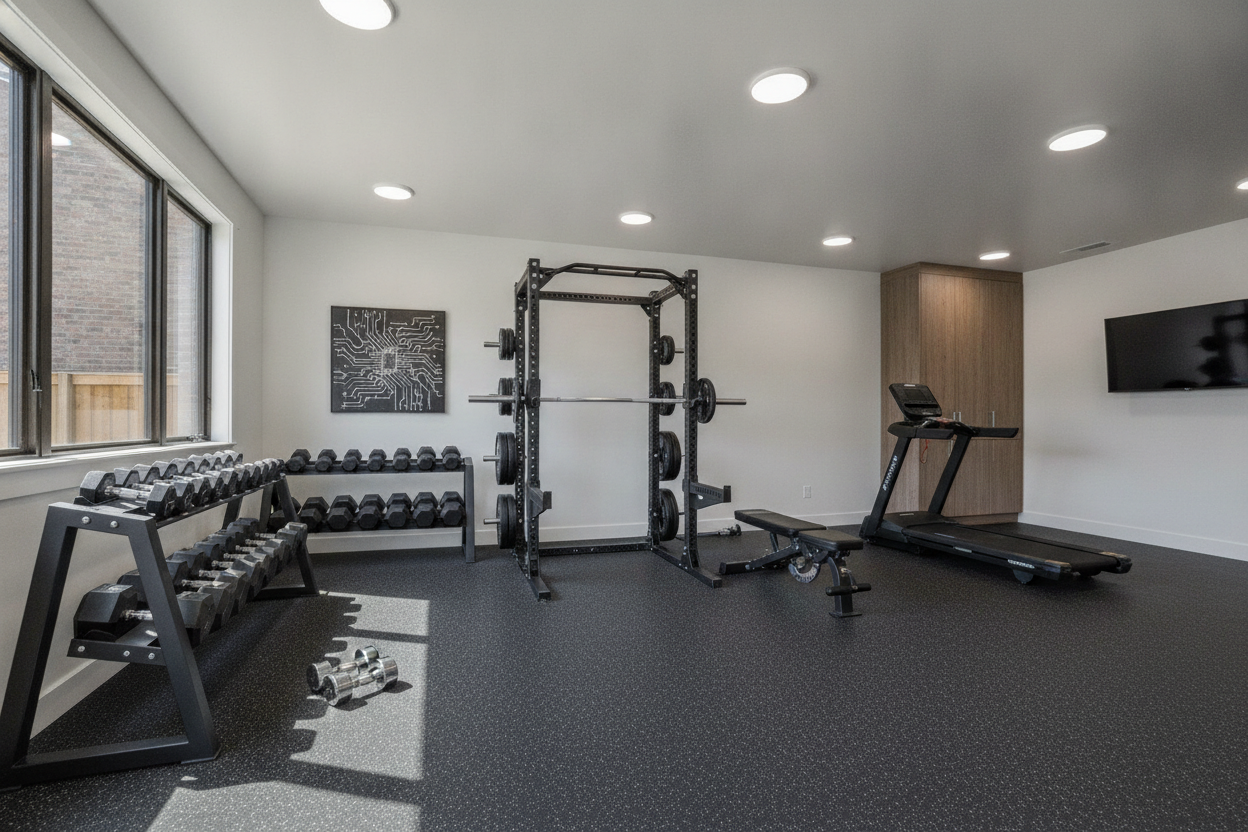
Most people get a new gym equipment catalogue in their inbox and start dreaming about a 20-piece circuit that looks like a commercial health club. I look at it and see a landfill in the making. I have spent a decade building and rebuilding my garage setup, and I have learned that the glossier the page, the more likely the gear is garbage. You do not need a machine for every muscle group; you need a few pieces of steel that will outlive you.
- Focus on the rack, the barbell, and the plates first.
- Ignore any 'multi-functional' tool made primarily of plastic.
- Check the steel gauge (11-gauge is the gold standard).
- Look at the 'boring' pages for the best long-term investments.
The Illusion of Choice in Fitness Catalogs
The average gym equipment catalogue is designed to solve problems you do not have. Brands want you to believe that if you do not have a dedicated pec-deck, a standing calf raise, and a seated row machine, your gains will vanish. It is a classic marketing trap found in every exercise equipment catalogue. They fill pages with specialized machines because machines have high margins and take up space, making your gym look 'complete.'
Real training happens in the gaps between those machines. You do not need 50 different ways to move a weight in a fixed plane. When you see a fitness catalog packed with 'innovative' selectorized equipment, remember that the goal is to sell you a subscription to a lifestyle, not a better squat. Most of that specialized junk will end up as a very expensive laundry hanger within six months.
How I Actually Read a Gym Equipment Catalog
When I crack open a gym equipment catalog, I head straight for the specifications. I am looking for 3x3-inch or 2x3-inch steel uprights and 11-gauge steel. If the catalog does not list the steel thickness, I assume it is thin, 14-gauge junk that will wobble the second you rack 225 pounds. You can build a pro gym with basic exercise fitness equipment if you choose the right foundation.
I skip past the 'lifestyle' photos of people smiling while they use a cable machine. Instead, I look at the weld quality in the close-up shots. I want to see clean, 'stacked-dime' welds, not bird-poop splatters. If an exercise equipment catalog hides the joints of its equipment behind plastic covers, that is a massive red flag. Real durability does not need a decorative shroud.
Spotting the 'Filler' Accessories
Every exercise catalogs spread has a section dedicated to 'essentials' that are anything but. I am talking about those cheap, hollow plastic D-handles, nylon ankle straps that fray after three uses, and 'speed ropes' that are really just thin wire with friction-heavy plastic bushings. These are often used to pad out the value of equipment bundles.
If you see a bundle in a fitness equipment catalog that includes ten different 'bonus' attachments, do the math. You are usually paying a premium for five dollars worth of overseas plastic. Buy your attachments individually from brands that specialize in cable work. Your grip—and your sanity—will thank you when the handle doesn't snap during a heavy set of face pulls.
Do Heavy Plates Justify the Footprint?
The weight equipment catalog section is usually the heaviest—literally. You have to decide between cast iron and bumper plates. Cast iron is thinner, allowing you to stack more weight on the bar, but it is loud and requires a platform if you are deadlifting. Bumpers are quieter and safer for your floor, but they are chunky and can limit how much you can load on a standard sleeve.
I often get asked if a full set of calibrated powerlifting plates is worth the home gym space. For most people, the answer is no. Unless you are competing, standard cast iron or mid-range bumpers will do the job. Do not let a shiny weight equipment catalog convince you that you need competition-grade tolerances for your Tuesday morning garage session.
The Most Ignored Pages: What You Should Actually Buy
The most important pages in a fitness equipment catalog are usually at the very back. They are the ones featuring rubber flooring, storage racks, and maintenance kits. People spend thousands on a rack and then put it on thin foam tiles from a big-box store. That is a mistake. Investing in a high-quality exercise mat gym flooring for home workout setups is the best way to protect your subfloor and your joints.
Storage is the other 'boring' win. A cluttered gym is a gym you will stop using. Look for vertical plate trees and bar holders that keep your gear off the floor. These items do not look cool in a fitness equipment catalog, but they make the difference between a professional-feeling training space and a messy garage. Don't skip the maintenance section either; a bottle of 3-in-1 oil and a plastic bristle brush will keep your barbell knurling from rusting into a smooth, orange mess.
How to Hunt for Real Value (Instead of Marketing Traps)
Price tags in a gym equipment catalog are often 'suggested' retail prices. I never buy at the first price I see. I cross-reference the specs with smaller, enthusiast-focused brands. Often, you can find the exact same 11-gauge steel frame for 30% less because it does not have a famous logo on the side. I also keep an eye out for home gym equipment deals during the off-season—usually summer, when everyone is outside and the warehouses are full.
Avoid the 'New Arrival' section unless it's a revolutionary change in safety. Most 'new' gear is just last year's model with a different powder coat color or a slightly different handle angle. Stick to the classics. A power rack, a flat bench, and a quality barbell have not changed much in fifty years for a reason: they work. Focus on the steel, ignore the stickers, and build a gym that lasts.
My Biggest Catalog Mistake
A few years ago, I fell for a 'total body' cable system in a glossy exercise equipment catalog. It looked sleek and promised to replace my rack and bench. Within two weeks, I hated it. The '50-lb' weight stacks felt like 30 lbs because of the pulley ratio, and the whole unit shook when I tried to do pull-ups. I ended up selling it for a 60% loss on Craigslist. Now, I stick to the basics: heavy steel and simple designs.
FAQ
Is 11-gauge steel really necessary for a home gym?
If you plan on lifting heavy or want the rack to feel rock-solid, yes. 14-gauge is fine for light accessory work, but for squats and benching, 11-gauge is the standard for safety and stability.
Should I buy a gym equipment bundle?
Only if you actually need every single piece. Most bundles include 'filler' items like low-quality jump ropes or thin mats. You are usually better off buying the core pieces separately.
How do I know if a catalog price is a good deal?
Compare the shipping costs. Heavy equipment is expensive to move. A 'cheap' rack in a catalog might end up being more expensive than a premium one once you add the 200-dollar shipping fee.