Why the Average Exercise Equipment Price Is 60% Markup
I remember the first time I felt like a total sucker in this industry. I had just dropped two grand on a 'professional' power rack from a big-name brand, only to visit a local warehouse a month later and see the exact same 11-gauge steel uprights—minus the fancy laser-cut logo—selling for half the price. It turns out the exercise equipment price you see on most retail sites isn't just about the metal; it is about the shiny logo on the uprights and the massive warehouse lease the company is trying to cover.
The reality is that most of the gear you see in flashy Instagram ads is coming from the same handful of factories. When you strip away the branding, the actual gym equipment price is surprisingly consistent across the board. If you know what the raw materials cost, you can stop being a victim of clever marketing and start building a gym that actually holds its value.
Quick Takeaways
- Steel is a commodity; you should be paying for the gauge and the weld quality, not the brand name.
- Cast iron plates should rarely cost more than $1.50 to $2.00 per pound in a normal market.
- Marketing and influencer sponsorships add roughly 20-30% to the retail fitness equipment cost.
- Shipping heavy iron is often the biggest hidden factor in the final price tag.
The Dirty Secret Behind What Gym Steel Actually Costs
Steel is the backbone of the fitness industry, and its price is dictated by global markets, not by how 'hardcore' a brand claims to be. Most high-end racks use 11-gauge steel, which is about 3mm thick. When you look at the gym material price for raw steel, it doesn't fluctuate nearly as much as retail prices do. A 3x3-inch upright made of 11-gauge steel costs a factory a specific amount based on weight. When a legacy brand charges you double for that same steel, they are charging you for their history, not the durability of the metal.
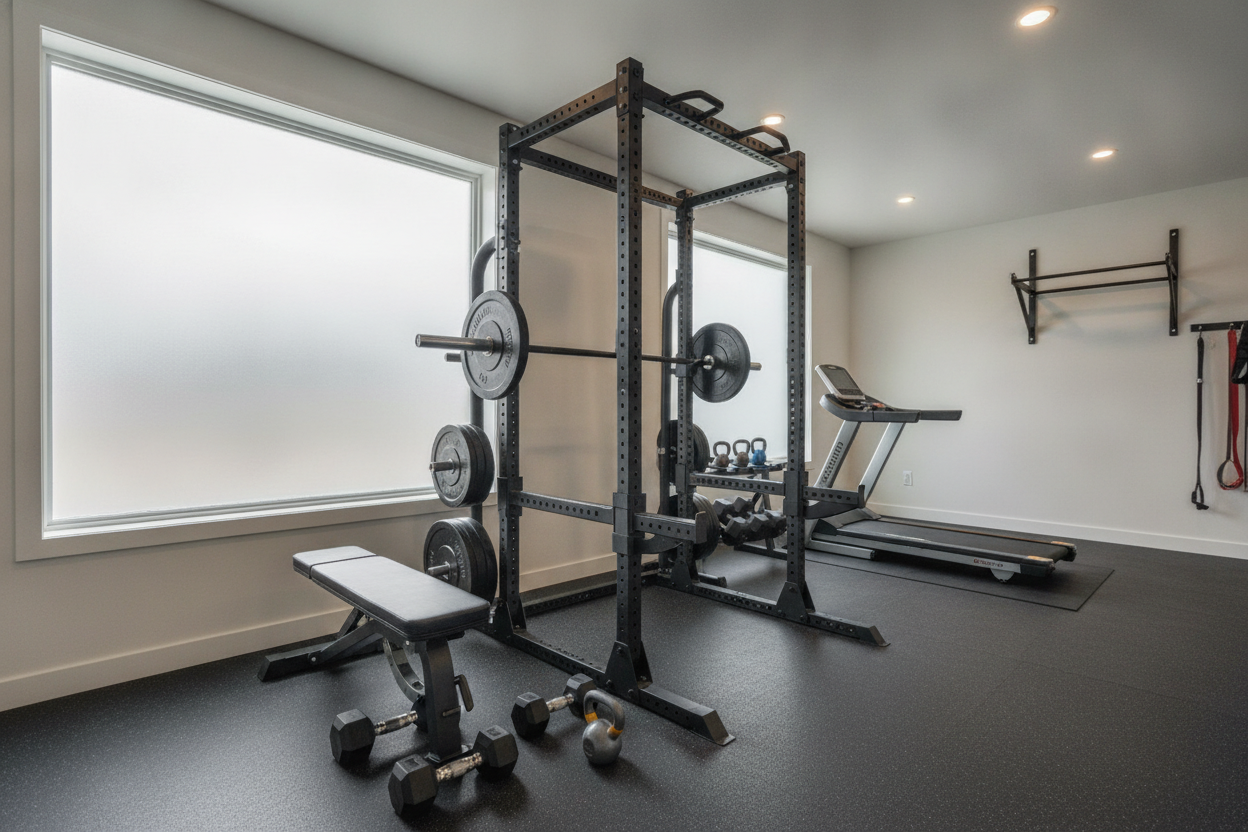
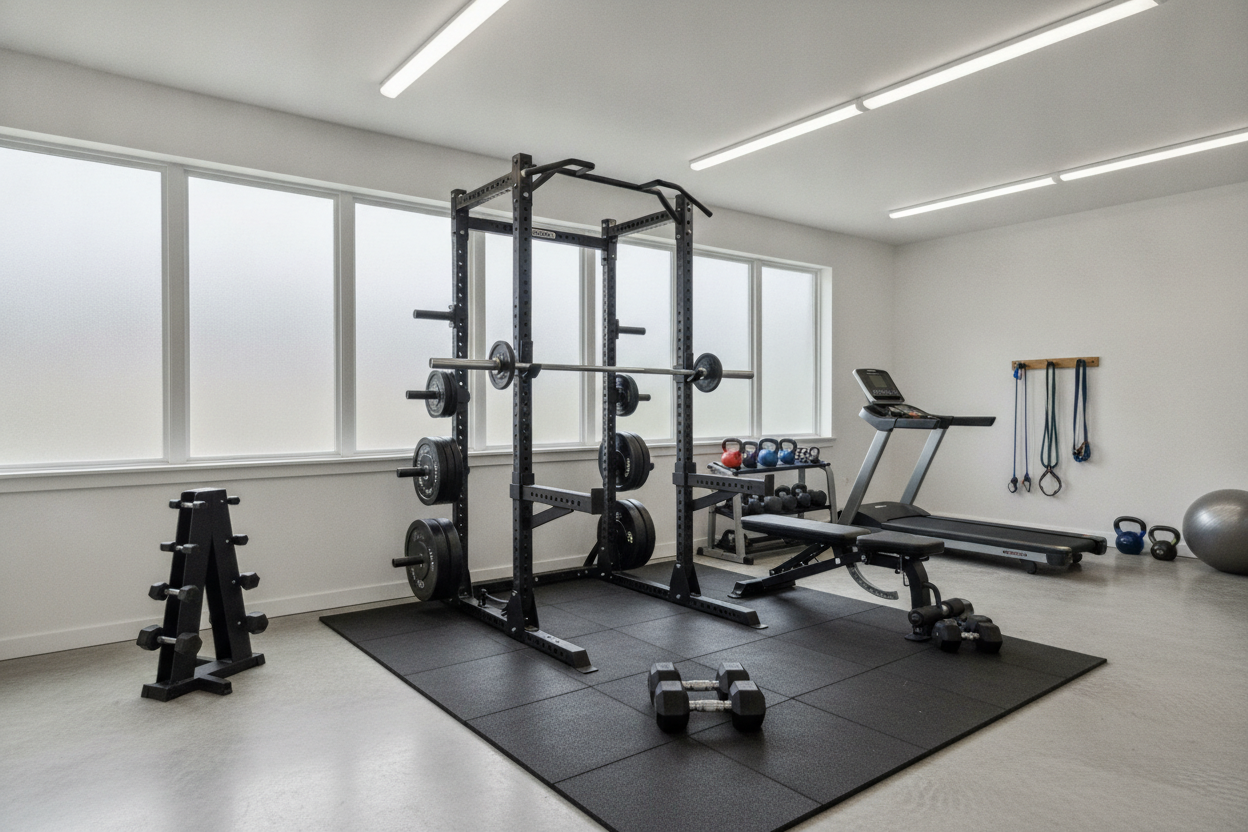
I have personally toured factories where the same assembly line produces racks for three different companies. One sells for $600, one for $900, and one for $1,400. The only difference? The powder coating color and the sticker on the side. This is why the fitness equipment price can be so deceptive. You think you are buying a more stable rack, but you are really just paying for a more expensive paint job. If you see a rack that weighs 300 lbs and another that weighs 300 lbs with the same steel specs, they will perform identically regardless of the brand.
My advice? Look for the 'unbranded' versions of popular designs. If the specs match—11-gauge steel, 1-inch hardware, and a 3x3 frame—the performance will be the same. I once bought a 'budget' rack that survived a 500-lb bar drop without a flinch, while a 'premium' rack I owned previously had worse weld penetration. Don't let a high price tag trick you into thinking the steel is 'magical.'
Breaking Down the Real Gym Equipment Price by Category
To really understand where your money goes, you have to look at the complexity of the build. Some items are just 'heavy metal,' while others involve precision engineering. Knowing the difference helps you decide when to hunt for a deal and when to open your wallet for quality.
Heavy Iron: Racks, Plates, and Dumbbells
Free weights are the ultimate equalizer. A 45-lb plate doesn't care whose name is stamped on it; it just needs to be heavy. The gym equipments rate for standard cast iron is usually the most stable part of the market, though it spiked recently. If you are paying for urethane-coated plates, you are paying for noise reduction and floor protection, which is a legitimate upgrade. However, for standard iron, keep your eye on the price per pound.
I have spent years watching the price of dumbbells gym equipment, and the secret is simple: if you pay more than a certain threshold for basic hex dumbbells, you're funding a marketing campaign. Most gym equipments and prices for dumbbells are dictated by the shipping cost from the foundry to your door. If you can buy local, you instantly shave 30% off the cost because you aren't paying for a freight truck to haul 500 lbs of iron across the country.
Why Gym Machines Cost Triple What They Should
Machines are where the markup gets truly insane. Because they have pulleys, cables, and weight stacks, brands justify a massive hike in the fitness equipment cost. A selectorized lat pulldown might retail for $3,500, but the actual gym machines cost at the factory level is often closer to $800. The rest is eaten up by the complexity of shipping a fully assembled or partially assembled unit and the massive liability insurance these companies carry.
When you buy a machine, you are paying for the 'feel' of the movement. A 1:1 cable ratio feels different than a 2:1 ratio. But don't be fooled—the steel frame of that machine isn't worth $3,000. You are paying for the engineering of the cam and the smoothness of the guide rods. If you can find a brand that uses linear bearings and high-quality cables without the boutique name, you can save thousands without losing a single ounce of muscle-building potential.
How Influencers and Ads Inflate the Prices of Gym Equipment
Customer Acquisition Cost (CAC) is the hidden tax on every barbell you buy. When you see a pro bodybuilder or a famous YouTuber using a specific brand of plates, that brand didn't just give them the gear for free—they likely paid them a five-figure sponsorship fee. That money doesn't come out of the CEO's pocket; it's baked into the price of gym equipment that you pay at checkout.
Marketing usually accounts for 20% to 30% of the final retail price. If a company spends $50,000 a month on Instagram ads, they have to sell a lot of bars to cover that. This is why smaller, 'boring' companies often have better prices. They don't have a team of sponsored athletes, and they don't have a 40-person marketing department. They just sell steel. When you compare the prices of gym equipment, always ask yourself: 'Am I paying for the product, or am I paying for the ad I just clicked on?'
Where to Actually Spend Your Budget (And Where to Skimp)
If you want to build a serious training space without getting fleeced, you need a strategy. You don't need a $5,000 setup to get elite results. You can actually build a pro-level space using basic exercise fitness equipment if you prioritize the items that actually impact your lifting. A barbell and a rack are your foundation—everything else is just an accessory.
One place I never skimp is the foundation. I always tell people to invest in high-quality gym flooring for home workout before they even buy their first plate. Why? Because dropping a 45-lb plate on bare concrete will crack your foundation and ruin your plates. Proper flooring protects your investment. It is one of the few items where the price is directly tied to the density and quality of the rubber, making it worth every penny.
For everything else, keep your eyes peeled for home gym equipment deals that pop up during the off-season. Brands often overstock and need to clear warehouse space, which is when the 60% markup starts to disappear. Buy your heavy iron during these sales, and you’ll end up with a gym that looks like a million bucks but cost you a fraction of that. Stop paying for the logos and start paying for the iron.
FAQ
Is 11-gauge steel really better than 14-gauge?
Yes, but it depends on what you're doing. If you're squatting 500+ lbs, you want the stability of 11-gauge (3mm). If you're a casual lifter, 14-gauge is fine, but the price should be significantly lower. Don't pay 11-gauge prices for 14-gauge steel.
Why are dumbbells so expensive to ship?
It is all about the 'dead weight.' Shipping companies charge based on volume and weight. Since dumbbells are small but incredibly heavy, they require specialized handling and heavy-duty packaging so they don't break through the box and destroy the delivery truck.
Should I buy used gym equipment?
Absolutely. Iron doesn't expire. If you can find used plates or a rack on a local marketplace, you can often get them for 50% of the retail price. Just check for cracks in the welds and significant rust on the barbell sleeves.