Why the 7-Day Gym Workout Plan Woman Influencers Push Fails
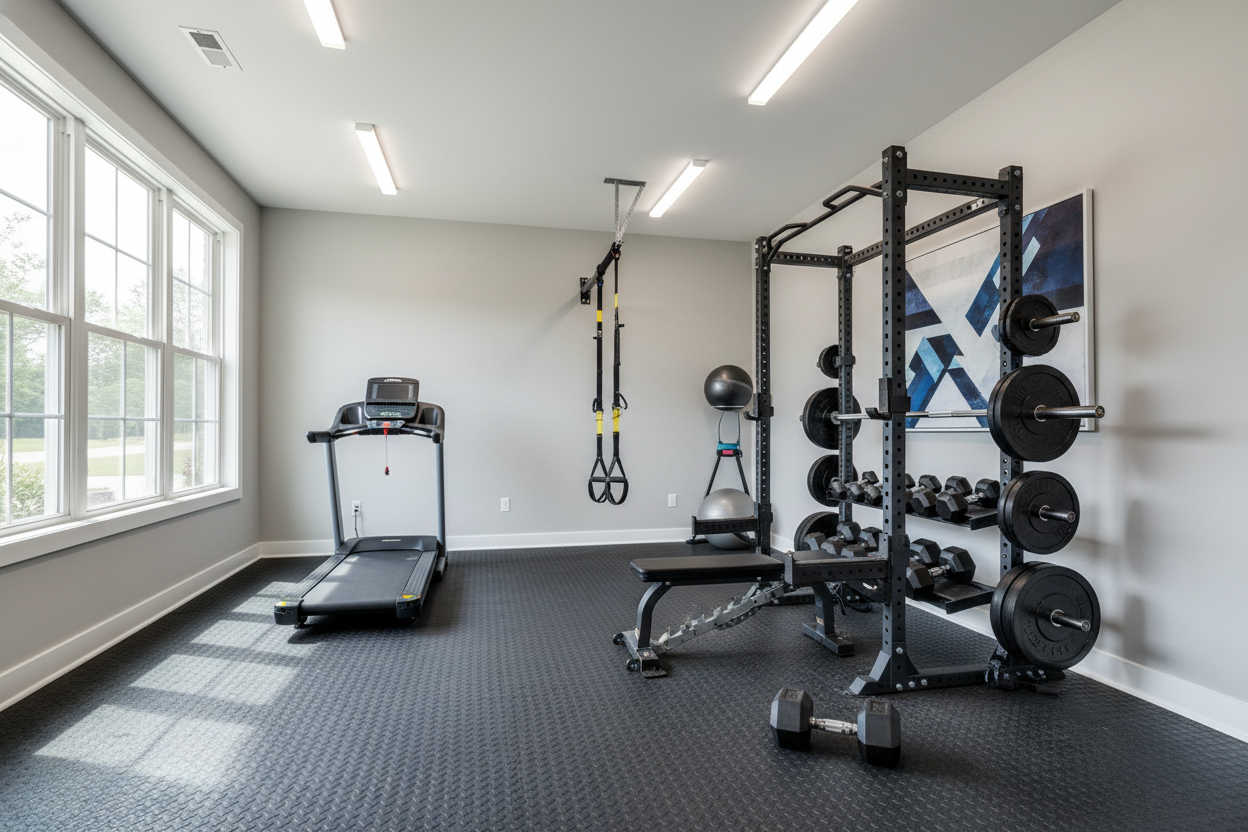
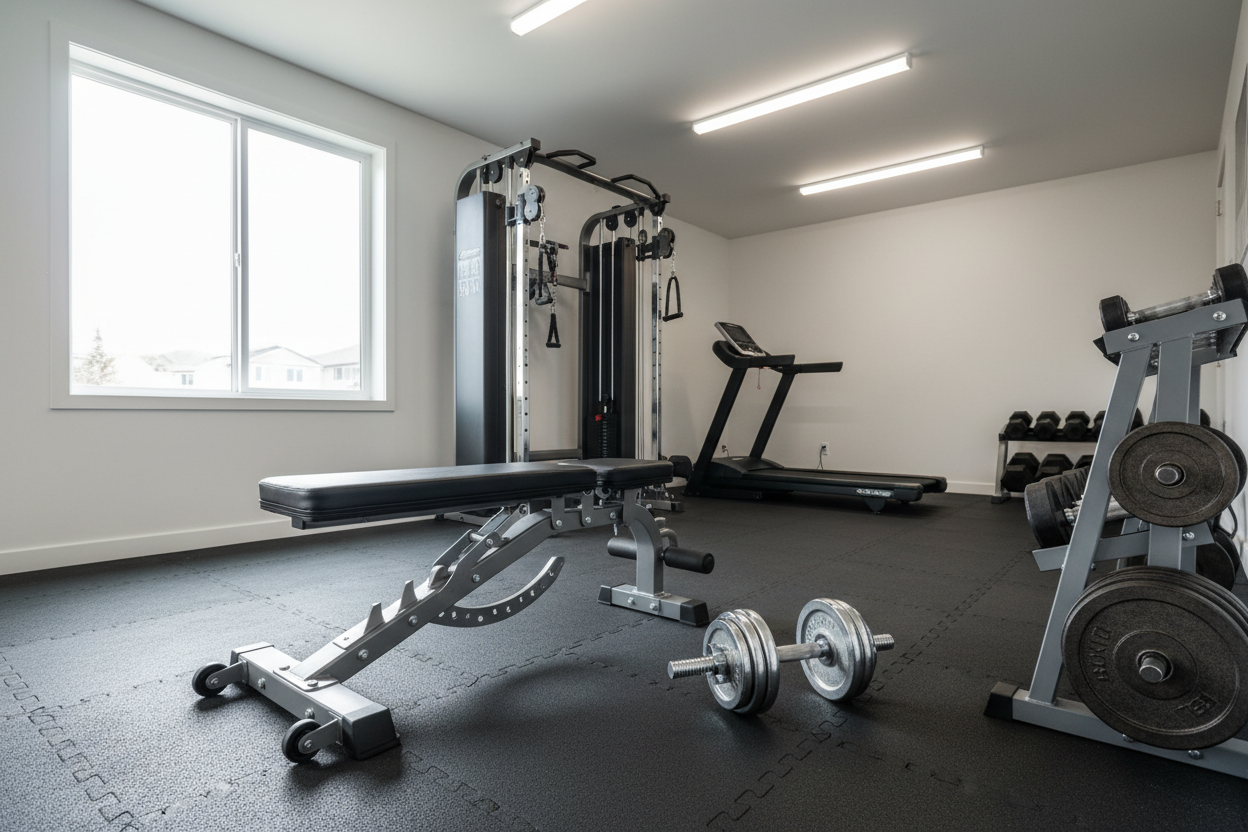
I’ve spent the last decade in my garage gym, surrounded by iron and the distinct smell of horse stall mats. I’ve seen every fitness fad come and go, but the most persistent—and annoying—one is the 'no days off' mentality. You’ve seen the posts: a 7-day gym workout plan woman influencers claim is the secret to a toned physique, usually filmed in a high-end commercial gym with lighting that costs more than my power rack.
Here is the truth from someone who has actually torn a rotator cuff trying to be a hero: your muscles don't grow while you're under the bar. They grow while you're asleep or sitting on your couch. If you’re grinding seven days a week without a strategic break, you aren’t building a better body; you’re just building a massive debt of fatigue that your central nervous system (CNS) eventually will call in.
Quick Takeaways
- Lifting heavy 7 days a week leads to CNS burnout and stalled progress.
- Active recovery is not 'laziness'—it is a physiological necessity for muscle repair.
- A sustainable '7-day' plan should only include 3-5 days of high-intensity resistance training.
- Zone 2 cardio and mobility work are the secret weapons for longevity.
Why Lifting Seven Days a Week is a Terrible Idea
Your CNS is like a battery. Every time you hit a heavy set of squats or deadlifts, you’re draining that battery. Unlike your phone, you can’t just plug yourself in for twenty minutes and hit 100% again. High-intensity lifting every single day keeps your cortisol levels spiked, which actually makes it harder to lose body fat and easier to lose your mind.
I’ve been there. I once tried a high-volume squat program every day for a month. By day 14, my grip strength was shot, my sleep was trash, and I was getting 'brain fog' during my warm-ups. If you are a natural lifter, your body needs 48 to 72 hours to fully recover from a localized bout of intense training. Pushing through that isn't 'discipline,' it's a fast track to a physical therapy appointment.
How to Actually Survive a Full Week of Movement
If you absolutely must do something every day to stay sane, you have to redefine what a 'workout' looks like. You can't treat every session like a CrossFit Games final. I break my week into 'High Output' and 'Low Output' days. This keeps the habit alive without destroying my joints.
On High Output days, I’m moving plates and chasing PRs. On Low Output days, the goal is blood flow, not fatigue. If you’re looking for a structured way to balance these intensities, check out the Workout Hub for routines that actually respect your recovery capacity.
Integrating a 7 Day Cardio Workout Plan for Active Recovery
This is where most people get it wrong. They hear 'cardio' and think they need to be sprinting until they see stars. A smart 7 day cardio workout plan focuses on Zone 2 effort—brisk walking, light cycling, or a steady pace on the elliptical where you can still hold a conversation.
This type of movement increases blood flow to the muscles you've damaged during lifting, helping to clear out waste products without adding more systemic stress. Just don't overdo it. I’ve written before about my cardio and muscle building workout plan, which explains why running a 5K immediately after a heavy leg day is a great way to kill your gains.
A Realistic Weekly Split That Won't Wreck Your Joints
Forget the 'every day is leg day' nonsense. A sustainable 7-day structure for most women looks something like this:
- Monday: Lower Body (Strength focus)
- Tuesday: Upper Body (Push/Pull)
- Wednesday: Active Recovery (30-45 mins Zone 2 cardio)
- Thursday: Lower Body (Hypertrophy/Volume focus)
- Friday: Upper Body & Core
- Saturday: Long Active Recovery (Hiking or a long walk)
- Sunday: Mobility & Deep Stretching
This split gives you four days of hard lifting—plenty to see serious muscle definition—while ensuring your joints aren't taking a pounding seven days straight. It’s about being a pro, not a martyr.
Setting Up Your Home Space for Real Recovery
If your 'recovery day' consists of sitting on a hard kitchen chair, you aren't doing it right. You need a dedicated space to actually move. I’ve found that if I don't have a clear spot on the floor, I skip my mobility work entirely.
I personally use a 6X8Ft Exercise Mat Yoga Mat because it’s large enough to actually sprawl out on. Standard yoga mats are too small for real dynamic stretching; you end up with your hands on the cold floor or your knees on the carpet. Having a dedicated 48-square-foot 'recovery zone' makes the boring stuff like foam rolling actually happen.
Stop Letting the Calendar Dictate Your Gains
The biggest mistake I see is people sticking to a rigid schedule when their body is screaming for a break. If you didn't sleep, your kid is sick, or work is a nightmare, your 'Heavy Lower Body' day should probably become a 'Nap and a Walk' day. The weights will still be there tomorrow. Longevity is the only metric that actually matters in the long run.
FAQ
Can I do cardio every day?
Yes, as long as it's low intensity. Walking is the most underrated recovery tool in existence. Just don't turn every walk into a weighted rucking session if you're already lifting heavy four times a week.
How do I know if I'm overtraining?
Watch for the 'red flags': resting heart rate is higher than usual, you're irritable, you can't fall asleep despite being exhausted, or weights that usually feel light feel like lead. If two or more of these hit, take two full days off.
Is 3 days of lifting enough for a woman?
Absolutely. If those 3 days are high-intensity full-body sessions with a focus on progressive overload, you can see better results than someone doing 6 days of 'fluff and buff' workouts.