Stop Doing Sit-Ups: Testing the Built With Science Abs Workout PDF
I have spent the last decade in my garage, surrounded by rusty plates and the lingering smell of stall mats. For years, my 'core work' was just five minutes of half-hearted crunches after heavy squats. It did absolutely nothing for my aesthetics or my lower back health. I finally decided to put the built with science abs approach to the test to see if Jeremy Ethier’s lab-coat-style programming actually holds up when you are training in a cold garage without a personal trainer hovering over you.
Quick Takeaways
- Focuses on weighted progressive overload rather than endless high-rep sets.
- Prioritizes 'bottom-up' movements to finally target the lower abdominal region.
- Requires some creative equipment substitutions if you do not own a cable machine.
- The PDF is exceptionally clean, data-heavy, and cuts through the usual fitness fluff.
The Problem with Your End-of-Workout Core Routine
Most lifters treat abs like an afterthought. You finish a brutal set of deadlifts, your central nervous system is fried, and you toss in 100 sloppy crunches just to say you did them. That is garbage volume. It is a waste of time that produces zero hypertrophy. If you want a midsection that looks like it was carved out of granite, you have to treat it like any other muscle group on your frame.
The reality is that your abs are a muscle group that responds to tension, not just flailing your torso around. Throwing in high-rep bodyweight moves at the end of a session when you are already exhausted is the fastest way to see zero results. You need an evidence-based approach that respects the anatomy of the trunk if you actually want to see those blocks pop through your shirt.
What Makes 'Built With Science Abs' Actually Different?
Ethier’s entire philosophy is rooted in biomechanics. Most 'ab moves' you see on Instagram are just hip flexor exercises in disguise. If you feel your hip creases burning more than your stomach, you are doing it wrong. The built with science abs protocol focuses heavily on posterior pelvic tilt—the act of tucking your tailbone to ensure the rectus abdominis is actually doing the heavy lifting.
The program differentiates between spinal flexion and core stability. On my active recovery days, I might opt for a lower-intensity killer abs core with a pilates ball session to keep things moving. However, when I am following the Built With Science protocol, the goal is pure, high-tension muscle fiber recruitment. It is about quality over quantity, every single time.
Unpacking the Built With Science Abs Workout PDF
When you download the built with science abs workout pdf, the first thing you notice is the lack of 'fluff' exercises. There are no star jumps or standing side bends. It focuses on the 'Big Rocks': the weighted cable crunch for the upper abs and the reverse crunch for the lower abs. These movements allow for actual progressive overload. You can track your weight and reps just like you do with your bench press.
I found the instructions for the reverse crunch to be the most valuable part of the guide. Most people just swing their legs, but the PDF breaks down the 'rolling' motion of the pelvis that is required to hit the lower fibers. It is a subtle technical shift that makes a massive difference in how the workout feels the next morning. Some of the cues feel a bit overly analytical when you are mid-set, but they prevent you from cheating with your momentum.
How to Adapt the Protocol for a Barebones Garage Gym
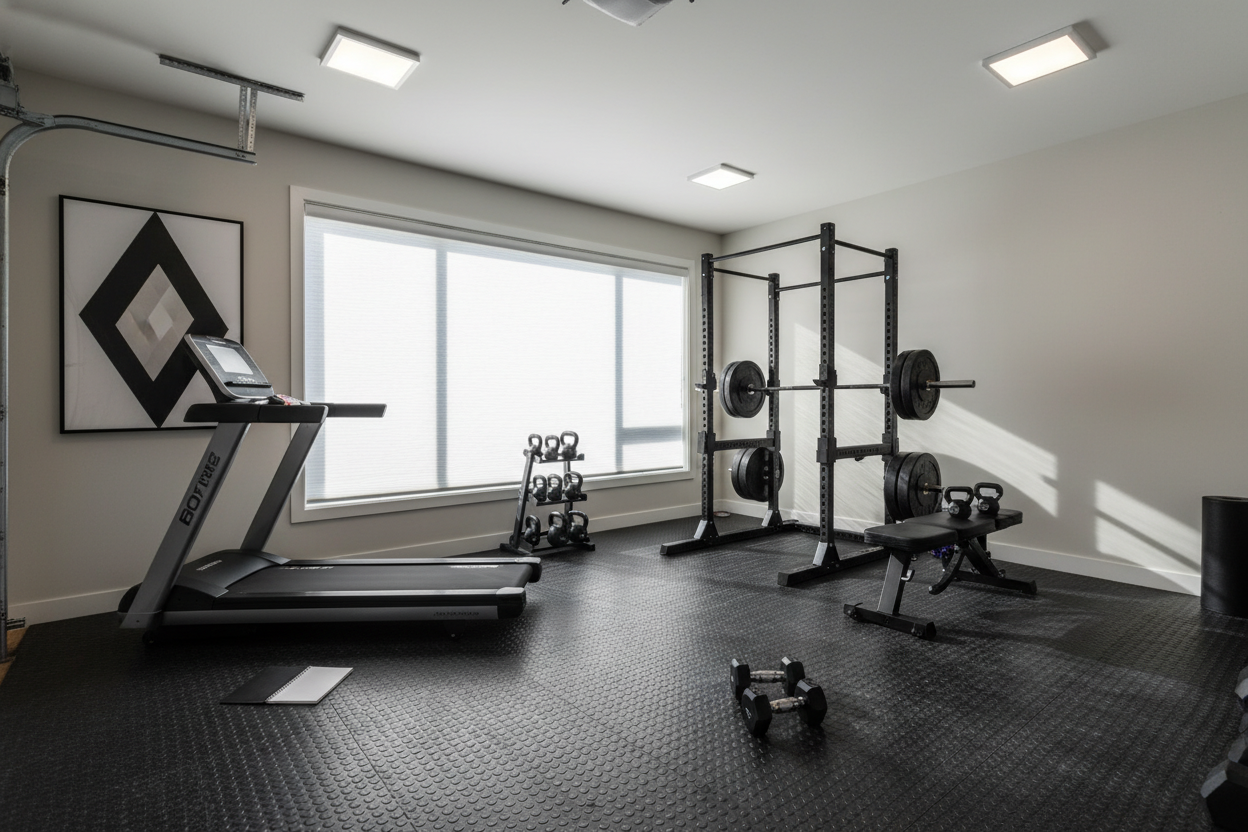
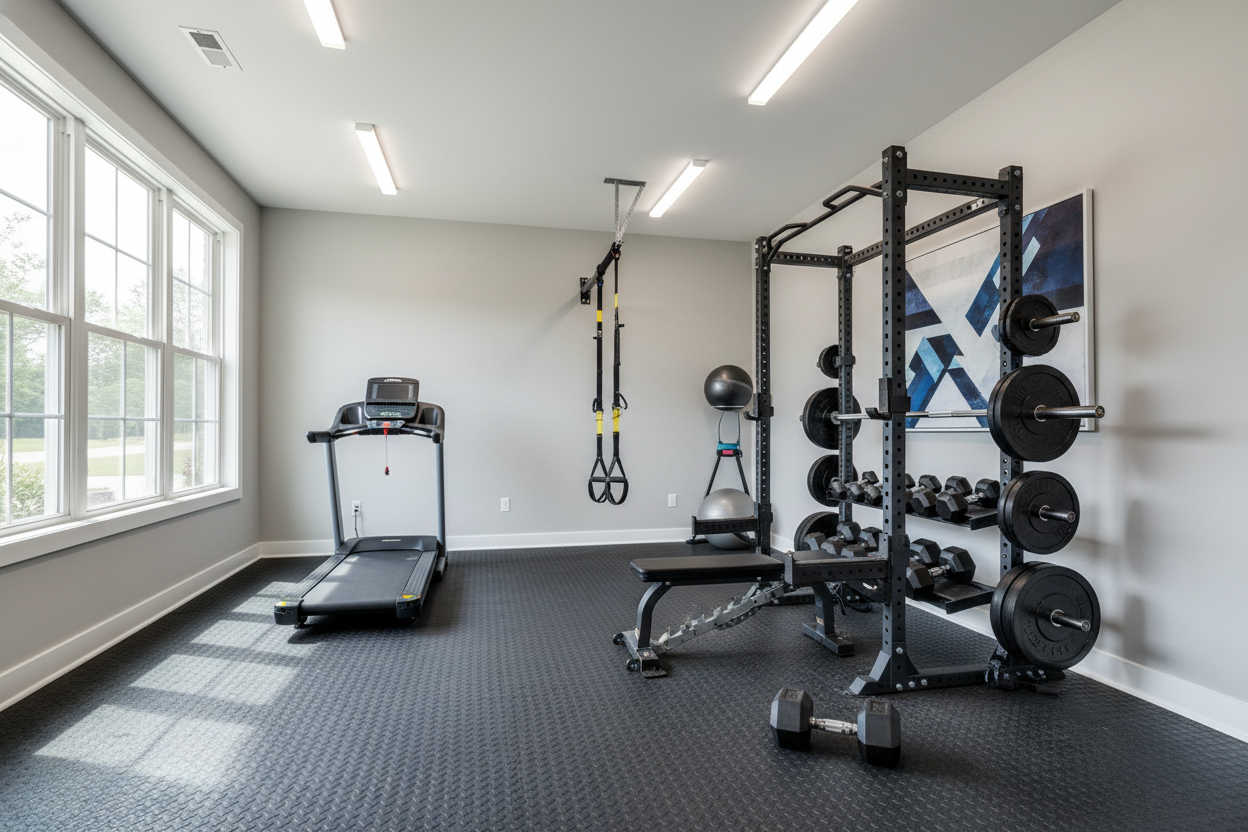
The main hurdle with science-based programs is that they often assume you are training in a commercial gym with a $3,000 cable crossover. In my garage, I had to get creative. For the weighted crunches, I looped a heavy resistance band over my power rack’s pull-up bar. It is not a perfect weight curve, but it gets the job done. For the floor-based work, do not even think about doing this on bare concrete.
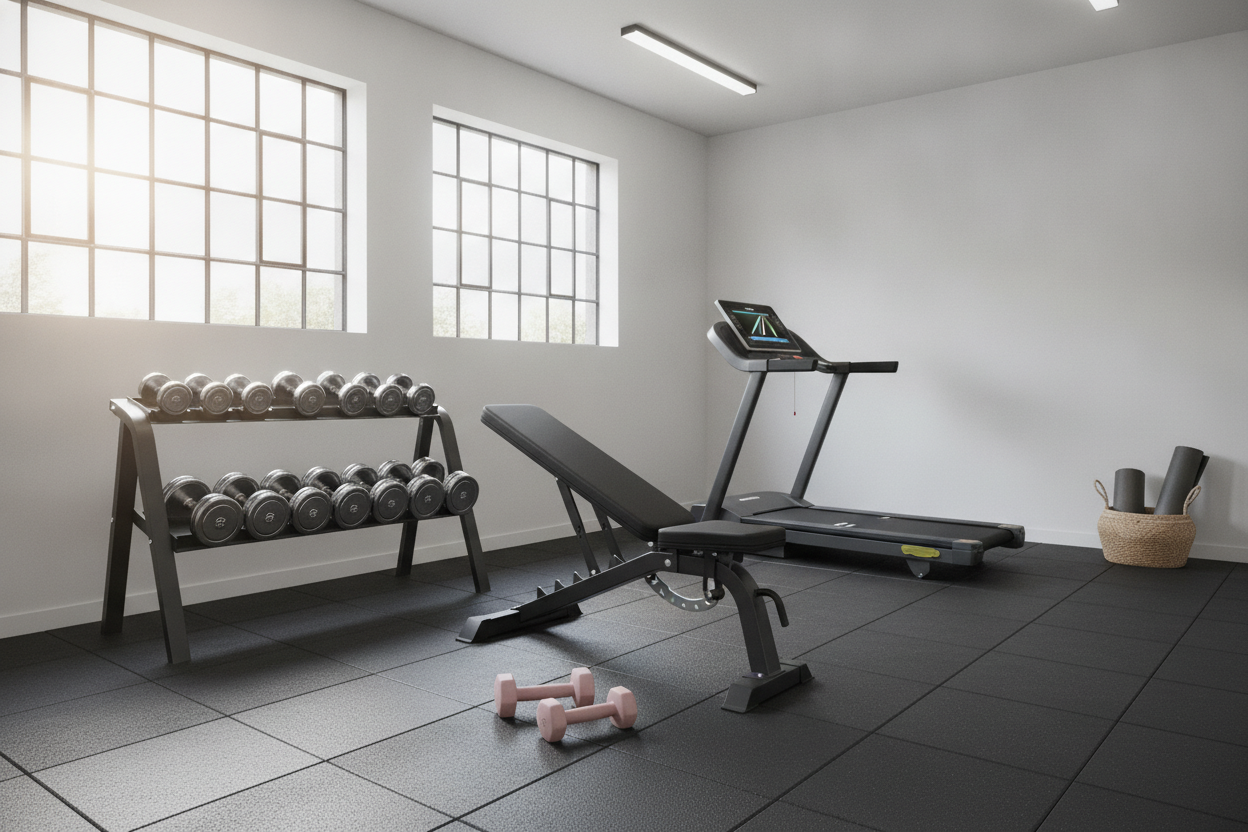
Performing high-intensity reverse crunches requires you to drive your lower back into the floor. If you are training on a hard surface, you are going to bruise your tailbone long before you exhaust your abs. Investing in proper gym flooring for home workout is a non-negotiable here. I use a thick mat that provides enough grip so I am not sliding around while trying to maintain that crucial posterior pelvic tilt.
The Verdict: Does Science Beat Heavy Squats for Core?
I used to be in the camp that believed 'heavy squats are all you need for abs.' I was wrong. While compound lifts build a thick, stable trunk, they do not provide the specific hypertrophy needed for that deep, etched look. This protocol fills the gaps that squats and deadlifts leave behind. It is the difference between having a strong core and having a core that actually looks strong.
If you are tired of guessing which exercises actually work, this analytical approach is worth the effort. It takes the guesswork out of the equation and replaces it with physics. For more gear reviews and tested programming breakdowns, I usually head over to the Workout Hub to see what else is worth the limited space in my home gym.
Personal Experience: My Biggest Mistake
When I first started this routine, I tried to ego-lift the weighted crunches. I was using way too much weight and letting my hip flexors take over the movement. My lower back started to ache, and my abs felt nothing. I had to swallow my pride, drop the weight by 40%, and focus on the 'crunching' sensation. Once I mastered the mind-muscle connection, the growth finally followed. Slow down your eccentrics; that is where the magic happens.
FAQ
Do I need a gym membership for this?
Not necessarily, but you will need resistance bands or dumbbells to add weight to the movements. Bodyweight alone will only take you so far before you hit a plateau.
How long does the workout take?
If you are following the rest periods in the PDF, you can wrap it up in about 15 to 20 minutes. It is meant to be an efficient, high-intensity addition to your main lifting days.
Will this give me a six-pack if my diet is bad?
No. You can have the strongest abs in the world, but if they are covered by a layer of insulation, nobody will see them. This program builds the muscle; your kitchen habits reveal it.