Why Real Low-Impact Strength Exercises Don't Use Pink Dumbbells
I remember waking up after a 'heavy leg day' and feeling like my knees were filled with shards of glass. I was 28, not 80. I thought I had to choose between being strong and being able to walk down stairs without wincing. Most people hear low-impact strength exercises and picture a suburban living room, a yoga mat, and those neoprene-coated pink dumbbells that weigh less than a venti latte. They are wrong.
- Impact is about ground reaction force, not the weight on the bar.
- Eccentric loading (the lowering phase) often causes more joint pain than the lift itself.
- Sleds are the ultimate 'cheat code' for heavy legs with zero knee pain.
- Machines are not 'cheating' when you are training around an injury.
What 'Low-Impact' Actually Means Under the Bar
Real low impact resistance exercises are not about reducing intensity; they are about fixing mechanics. If your feet never leave the ground, you have already eliminated the massive shock of landing. A 400-lb deadlift is technically 'low impact' because there is no jumping or foot-striking involved.
We are looking to remove the jarring forces that chew up cartilage, not the tension that builds muscle. When we talk about low-intensity strength training, we are usually talking about controlling the speed of the movement. Slow down the eccentric, stop bouncing the bar off your chest, and suddenly that 'heavy' weight feels a lot friendlier on your connective tissue.
The Light Weight Myth: Why 2lb Dumbbells Won't Save Your Knees
If you think lifting 2lb weights for 100 reps is 'saving' your joints, you are actually making things worse. Weak muscles mean your joints have to do all the stabilizing. You need low-impact strength training that actually challenges the muscle fiber. Using the right equipment for resistance training allows you to load the muscle safely without the 'slop' of cheap gear.
Progressive overload is still the law of the land. If you don't provide enough stimulus, your tendons and ligaments stay brittle. The goal is to find the heaviest weight you can move with perfect, pain-free form. For most of us, that's a lot more than two pounds.
My Go-To Low-Impact Strength Exercises for Real Muscle
I have spent a decade trial-and-erroring my way through injuries. These movements are the ones that stayed in my program when the heavy cleans and box jumps had to go. They provide maximum tension with minimum orthopedic cost.
Heavy Sled Pushes and Pulls
I have pushed a heavy sled until my lungs burned and my quads were screaming. The next day? My knees felt better than they did before the workout. Sleds have no eccentric phase—you just push. There is no weight crashing down on you, which makes it the king of low-intensity weight training that still builds massive power.
Floor Presses and Pin Squats
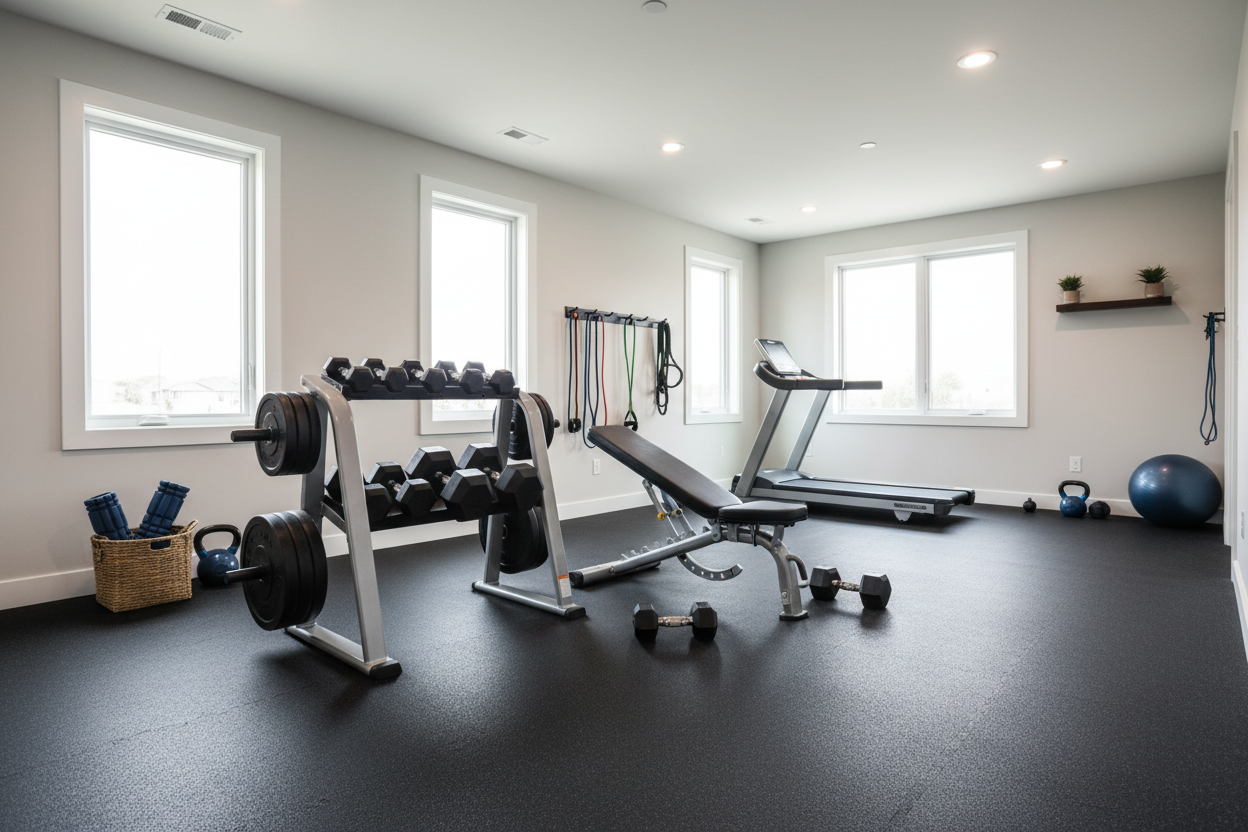
If your shoulders scream during a standard bench press, stop touching your chest. Laying on the floor limits the range of motion and stops the humerus from digging into the joint capsule. If you want more versatility, a rock-solid adjustable weight bench set to a slight incline can often bypass impingement issues that flat benches aggravate.
Pin squats do the same for the lower body. By starting the lift from a dead stop on the safety pins, you eliminate the 'bounce' at the bottom that usually causes hips and knees to flare up. It is pure concentric drive.
Strategic Machine Isolation Work
I used to be a barbell snob until I tore my labrum. Now, I love weight lifting machines. They provide a fixed path of motion, so you do not have to waste energy (and joint integrity) stabilizing a shaky bar. You can take a leg press or a chest press to absolute failure without worrying about a bar crushing your windpipe. It is the safest way to reach the intensity needed for muscle growth.
Setting Up Your Space for Joint-Friendly Gains
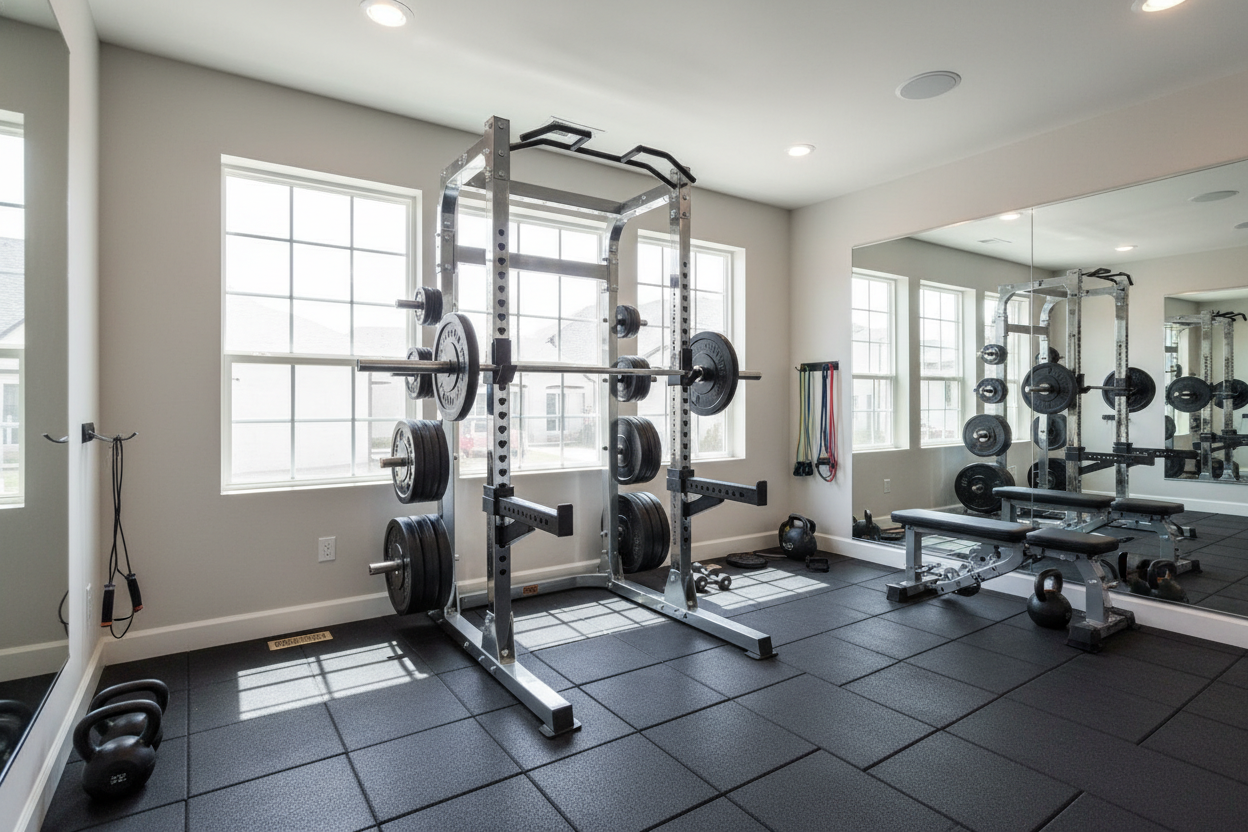
Building a joint-friendly gym does not mean buying a Pilates reformer. It means getting smart with strength training accessories like heavy-duty resistance bands and lifting straps. Bands allow you to change the resistance curve so the weight is lightest where your joints are most vulnerable (the bottom of the lift).
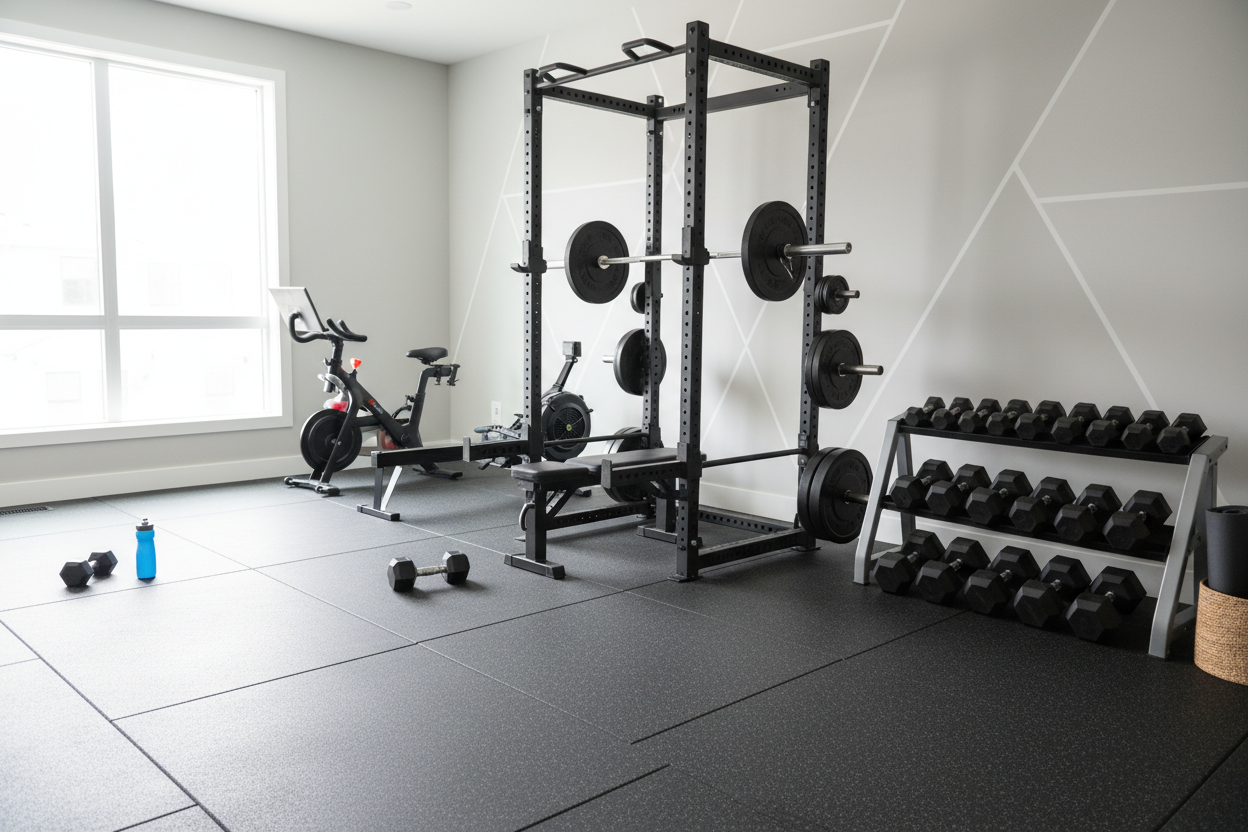
I also recommend a thick floor mat. Even if you aren't jumping, having a bit of compression under your feet during heavy standing presses makes a world of difference for your lower back. Invest in gear that stabilizes the load so your muscles can do the work without your joints paying the tax.
Personal Experience: The Ego Trap
I once tried to 'power through' a hip tweak by doing heavy Bulgarian split squats because a YouTuber said they were essential. I ended up sidelined for three months. The mistake wasn't the exercise; it was the ego. I should have swapped to a belt squat or a sled. Now, if a movement feels 'sharp' in the joint, I pivot immediately. There is always a low-impact alternative that is just as hard.
FAQ
Is weightlifting low impact?
Yes, provided you aren't performing Olympic lifts (snatches/cleans) or jumping. Standard squats, presses, and deadlifts are low-impact because your feet stay in contact with the floor.
Can I build muscle with low impact training?
Absolutely. Your muscles don't know if you're jumping or pushing a sled; they only respond to tension and metabolic stress. High intensity doesn't require high impact.
What is the best low impact cardio?
Weighted sled pulls or a high-incline walk on a treadmill. Both build leg strength and cardiovascular capacity without the joint-pounding of running.