How to Run a HIT Bodybuilding Routine Without Machines
I remember watching Dorian Yates' 'Blood and Guts' for the first time in a dimly lit garage. The raw intensity and the idea of doing just one 'working set' to absolute failure was intoxicating. I immediately tried to replicate it with a rusty barbell and zero safety gear. It was a disaster that ended with me nearly pinning my neck under 225 pounds.
Running a hit bodybuilding routine at home is a different beast than doing it in a commercial gym. You don't have the luxury of a leg press or a Smith machine to keep the weight on a fixed track when your muscles start to quit. You have to be smarter, grittier, and much more focused on your setup if you want to see those high-intensity gains without a trip to the ER.
Quick Takeaways
- Safeties are mandatory: Never train to failure on compound lifts without pin-pipe safeties or spotter arms.
- Pre-exhaustion is your best friend: Use isolation moves first to tire the muscle so you don't need dangerous loads on the big lifts.
- Intensity over volume: One set means 100% effort, not 'kind of hard' effort.
- Recovery is non-negotiable: If you aren't resting 48-72 hours between sessions, you aren't doing HIT.
The Mentzer Delusion: Why Home Gym HIT Usually Fails
Mike Mentzer and Dorian Yates didn't just walk into a room and lift heavy. They used highly specialized machines designed to provide constant tension and safety at the point of failure. When you try a hit weight training routine with a barbell in your garage, the physics change. Free weights have a strength curve; they get easier or harder depending on the joint angle.
The danger of a high intensity bodybuilding program at home is the 'sticking point.' In a machine, if you fail, you just let the stack down. With a barbell squat, if you fail at the bottom, the weight is coming down on you. Most home lifters end up cutting their sets short because they are subconsciously afraid of the weight, which defeats the entire purpose of HIT muscle training.
To make this work, you have to stop thinking like a powerlifter and start thinking like a technician. You aren't trying to move the most weight; you are trying to create the most muscular fatigue. That means slower tempos and zero momentum.
Swapping Cams for Barbells: The Setup You Actually Need
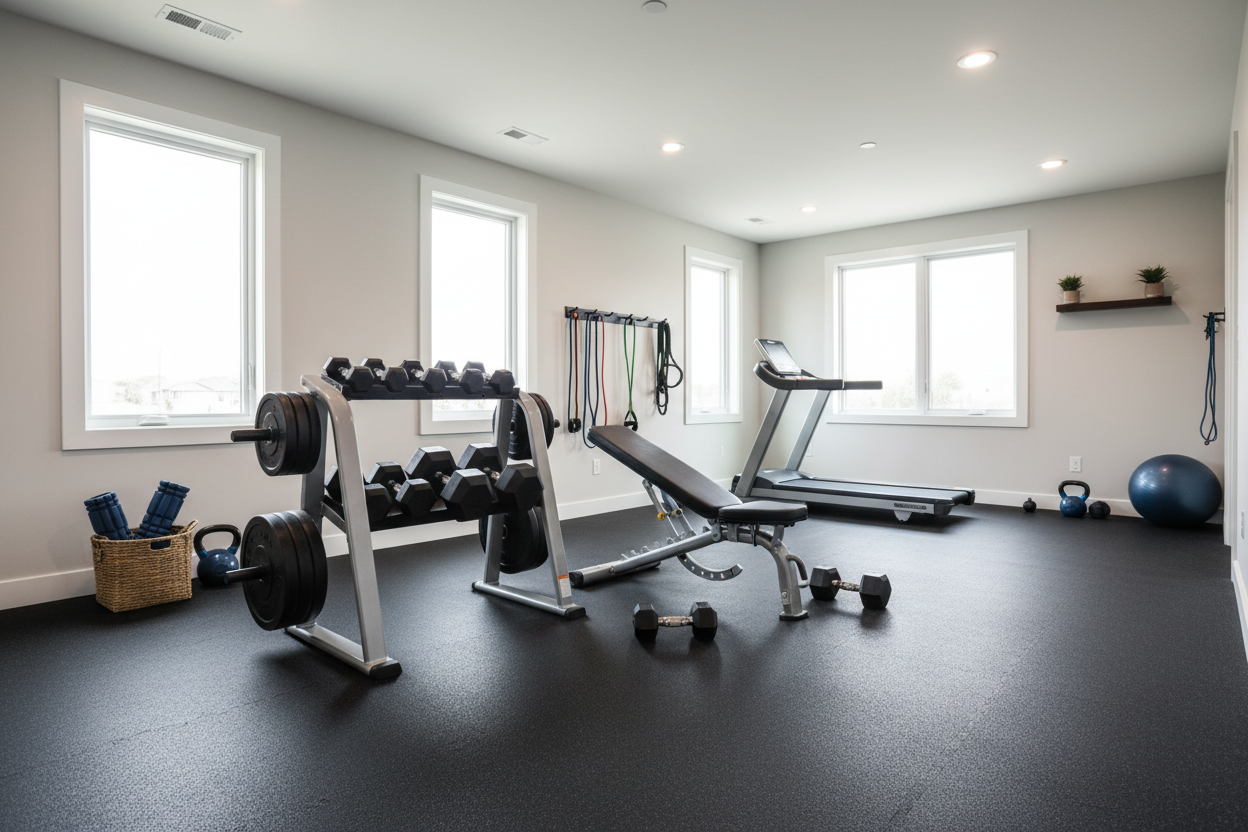
If you're going to push your body to the limit alone, your equipment is your only spotter. I've seen guys try to do HIT on cheap, wobbling benches, and it's a recipe for a shoulder injury. You need a heavy-duty adjustable weight bench that doesn't budge when you're grinding out that final incline press rep. Look for a bench with at least a 1,000-lb capacity and a wide tripod base.
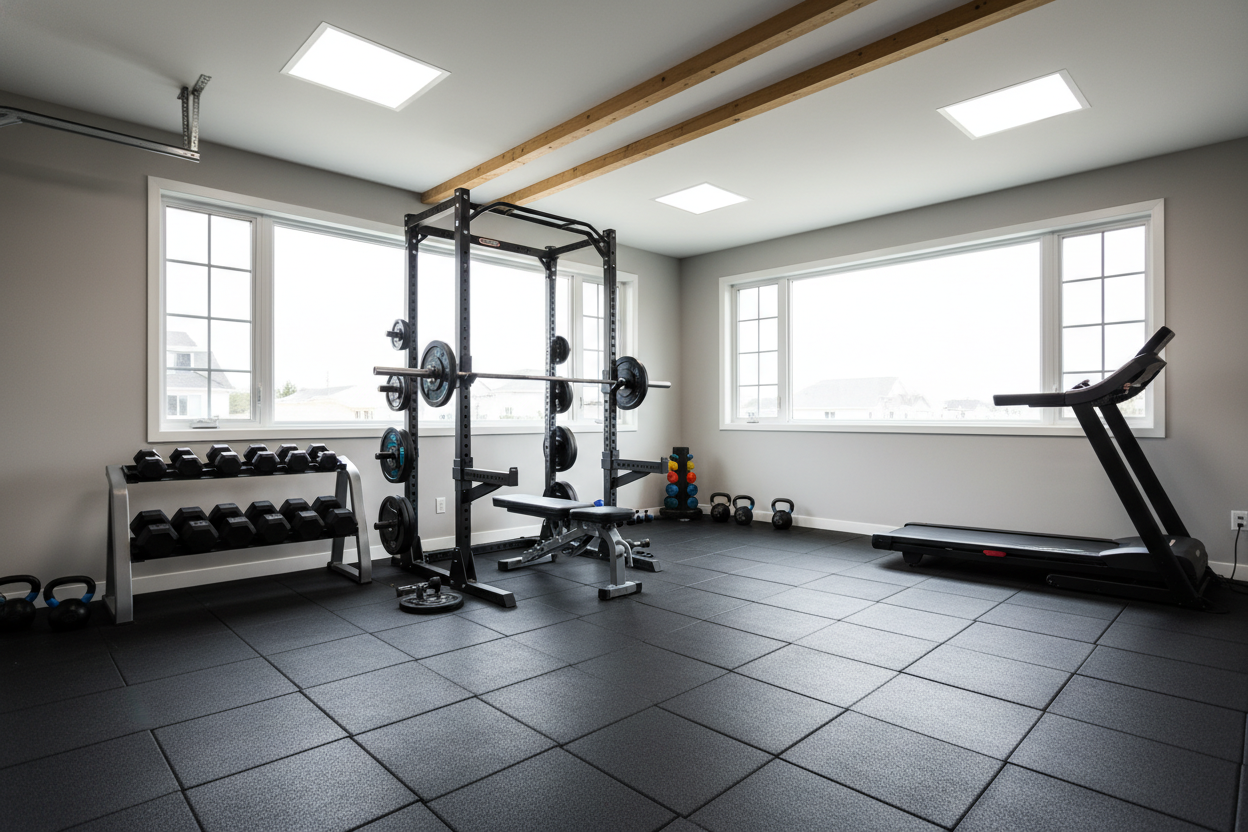
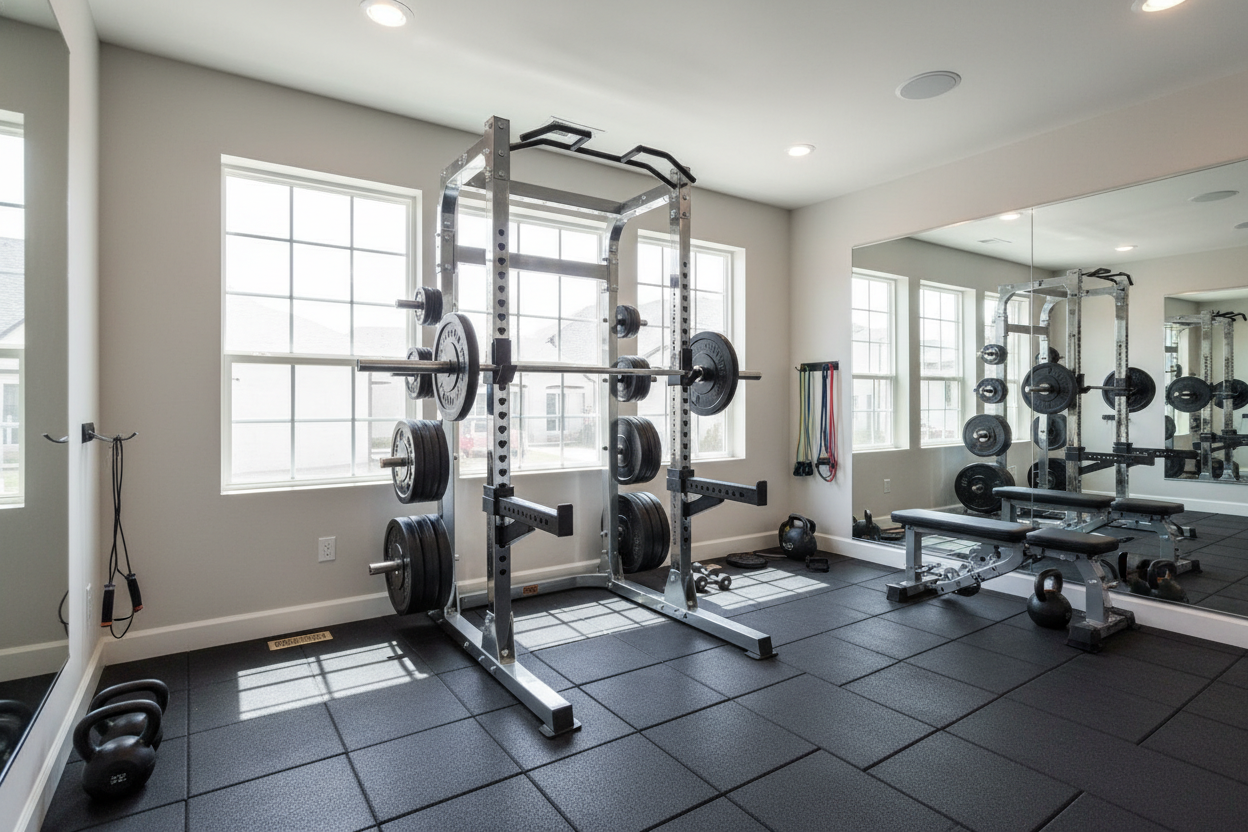
The centerpiece of a safe home HIT setup is the rack. I don't care how strong you think you are; you will eventually fail a rep unexpectedly. Investing in a power rack weight bench package ensures you have 11-gauge steel safeties catching the bar when your quads give out. I prefer flip-down safeties because they are easier to adjust quickly between sets.
Don't overlook the small stuff either. You need collars that actually lock. When you're shaking during a hit bodybuilding workout, the last thing you need is a 45-lb plate sliding off the end of the sleeve.
The Free Weight HIT Bodybuilding Routine (Garage Edition)
Since we don't have a row of Nautilus machines, we use 'pre-exhaustion' to make our hit weight training workout effective. This involves doing an isolation movement immediately followed by a compound movement. It ensures the target muscle fails before your secondary muscles (like triceps or lower back) do.
Try this chest sequence: Perform one set of Dumbbell Flyes for 10-12 reps to failure, focusing on the stretch. Then, with zero rest, go straight into a Bench Press. Because your chest is already fried, you'll reach failure with much lighter weight on the bar, making it significantly safer for your joints and your garage floor.
For legs, try sissy squats or Bulgarian split squats to failure before moving to the main barbell squat. This 'pre-tiring' method is the secret to making a hit program bodybuilding style work in a limited space. You get the intensity of a 400-lb squat while only having to balance 225 lbs.
Chasing the Burn Safely on Isolation Lifts
Isolation work is where you really sculpt the muscle, but without cables, it’s harder to keep tension. Many people miss out on the benefits of machine weight training because they don't know how to manipulate dumbbells. To fix this, use mechanical drop sets.
When doing lateral raises, start with a weight you can do for 8 clean reps. When you can't do another full rep, shorten the range of motion and do 'partials' from the bottom. This extends the set and forces the muscle to work through the fatigue. It’s agonizing, but it’s how you trigger growth without needing a $3,000 cable crossover machine.
Keep your tempos strict. I recommend a 3-second eccentric (lowering) phase. Gravity is free; don't let it do the work for you. If you're swinging the weights, you're just doing cardio with heavy objects.
Recovery: The Hardest Part of This Heavy-Duty Style
The biggest mistake I see is people trying to do a hit bodybuilding routine six days a week. You will burn out your central nervous system in fourteen days. This style of training is a massive shock to the system. If you aren't feeling a bit of dread before your workout, you probably aren't training hard enough to justify the low volume.
Most of my successful HIT phases involved training only three days a week. If you find yourself hitting a plateau or feeling constantly lethargic, you might need to pivot to a full body weight training workout routine with more moderate intensity for a few weeks to let your joints recover. HIT is a tool, not a life sentence.
Eat more than you think you need. True high-intensity training creates a massive demand for repair. If you're in a steep calorie deficit, HIT will just break you down without building you back up.
Personal Experience: The Roll of Shame
A few years back, I was convinced I could do a rest-pause set on the flat bench without my rack's safety pins. I was on my third 'mini-set' and my triceps just shut off. I had to roll 275 pounds down my ribcage and onto my hips to get out. It bruised my ego and my midsection. Since then, I never train to failure without checking my safety height first. Equipment isn't just about the lift; it's about the confidence to fail without consequence.
Frequently Asked Questions
Is one set really enough to build muscle?
Yes, but only if that set is taken to absolute muscular failure. If you have another rep in the tank, you haven't finished the set. Most people fail mentally before they fail physically.
Can I do HIT with just adjustable dumbbells?
Absolutely. In fact, dumbbells are often safer for HIT because you can just drop them if your form breaks down. You just need enough weight to stay in the 6-12 rep range.
How do I know if I'm recovering enough?
Watch your strength. If you can't add a rep or five pounds to the bar compared to your last session, you haven't recovered. Take an extra day off.