Why Pink Dumbbells Ruin Back and Shoulder Exercises for Women
I remember the first time I walked into a commercial gym. A trainer handed me a pair of 3-lb neoprene dumbbells and told me they were for 'toning' my arms so I wouldn't get 'too big.' I spent months doing hundreds of reps, feeling a light burn but seeing absolutely zero change in the mirror. It was frustrating and, frankly, a waste of my time. That is when I realized the fitness industry treats back and shoulder exercises for women like a delicate art project instead of the heavy-duty construction job it actually is.
- Toning is a physiological myth; muscle definition requires growth and low body fat.
- Heavy compound lifts are the fastest way to build a strong, athletic V-taper.
- The back and delts are large muscle groups that need significant mechanical tension.
- Progressive overload—adding weight over time—is non-negotiable for results.
The 'Toning' Lie We've Been Sold for Decades
The word 'toning' is a marketing term, not a physiological process. You cannot 'tone' a muscle; you can only grow it or shrink it. When you pick up those 5-lb weights and do 50 reps, you are mostly training muscular endurance, not hypertrophy. If you want those sculpted shoulders and a defined back, you have to give the muscle a reason to change. That reason is heavy resistance.
Most women are terrified of the 'bulky' look, but building that kind of mass takes years of specific caloric surpluses and high-intensity training. By sticking to feather-light weights, you are stalling your progress before it even begins. A dedicated shoulder and back workout for women needs to challenge the nervous system. If you aren't struggling to finish your last two reps of a set, the weight is too light. Period.
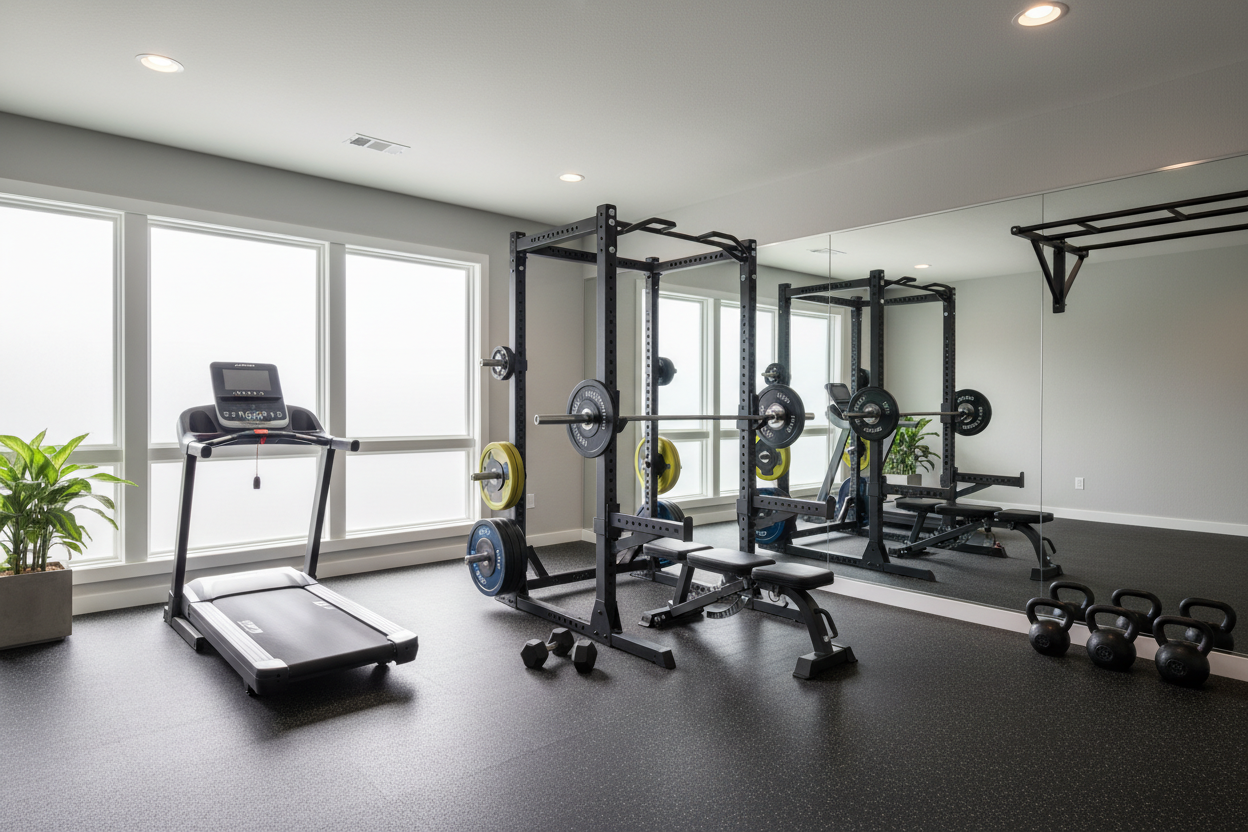
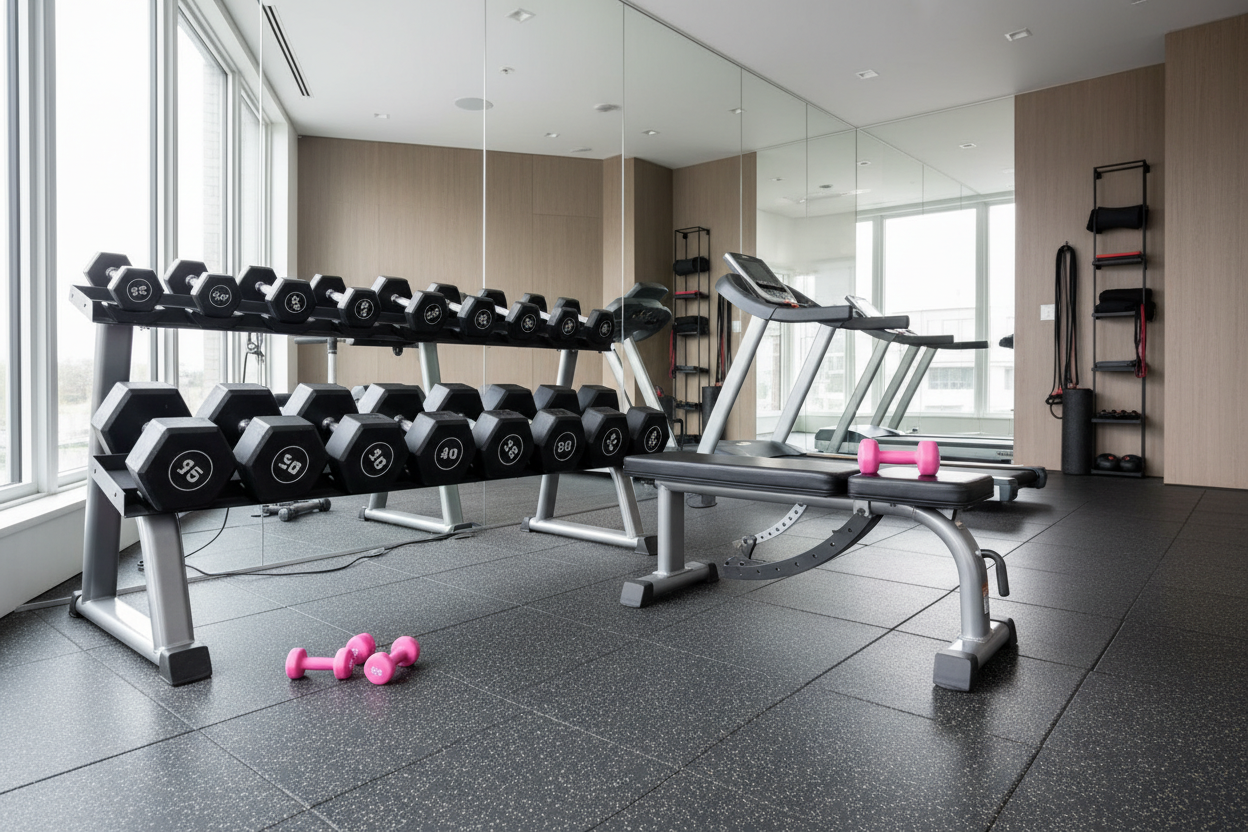
I have spent years testing everything from resistance bands to high-end cable machines. The most effective tool for change remains the same: heavy iron. When you stop chasing the 'burn' and start chasing the 'weight,' your body starts to transform. You stop looking 'skinny-fat' and start looking athletic. It is a mental shift as much as a physical one, and it starts by putting down the pink dumbbells and heading for the power rack.
Why Your Upper Posterior Chain Demands Heavy Iron
Your back is not one muscle; it is a complex network of lats, rhomboids, traps, and erectors. These are some of the largest and most powerful muscles in your body. Treating them with the same intensity you'd use for a bicep curl is a mistake. To see real width and thickness, you need to move weight that forces these muscles to work in unison. This is where a heavy back and shoulder workout becomes the foundation of your training.
The deltoids—your shoulder muscles—are equally demanding. They consist of three heads: anterior, lateral, and posterior. While isolation moves have their place, the meat of your progress comes from heavy pressing. This creates mechanical tension that triggers muscle protein synthesis. Band pull-aparts are great for warm-ups, but they will never build the 'capped' shoulder look that defines an athletic physique. You need to load the spine and push against gravity.
Progressive overload is the secret sauce. If you did 10 reps at 65 lbs last week, you should aim for 11 reps or 70 lbs this week. Without this constant pressure to adapt, your muscles will stay exactly the size they are now. Your posterior chain is designed to pull and carry heavy loads; don't insult it with weights that weigh less than your handbag.
The 5 Core Back and Shoulder Exercises for Women
Forget the complicated cable crossovers and the 15-step warm-ups. If you want to maximize your time in the garage, you need to focus on the big movers. These five back and shoulder exercises for women are the only ones you truly need to build a powerful upper body. You can find deep dives on form for all of these over at our complete workout hub.
- Barbell Rows: The king of back thickness.
- Strict Overhead Press: For boulder shoulders and core stability.
- Pull-ups (or Lat Pulldowns): To build the width that makes the waist look smaller.
- Dumbbell Snatches: For explosive power and trap development.
- Face Pulls: The essential 'prehab' move for shoulder health.
Heavy Dumbbell Rows (Ditch the 5-Pounders)
The single-arm dumbbell row is often butchered. I see women using 10-lb weights and swinging their torsos like a pendulum. To do this right, grab a weight that actually feels heavy—try 25 or 30 lbs to start. Brace your off-hand on a bench, keep your back flat like a table, and pull the weight toward your hip, not your chest. Think about pulling with your elbow, not your hand. If you aren't fighting to keep your form perfect by rep eight, go heavier.
The Strict Overhead Press
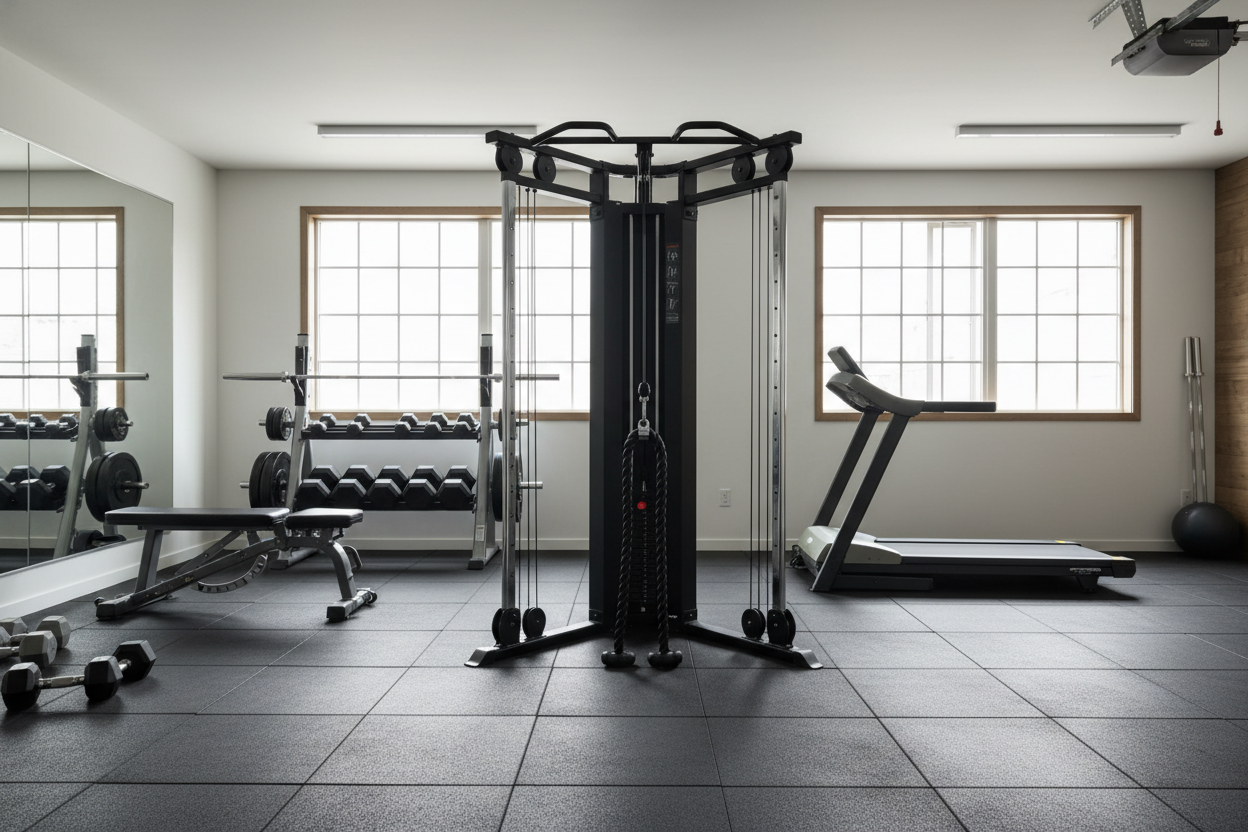
Standing while you press a barbell or heavy dumbbells overhead is a total-body experience. It forces your core to stabilize your entire spine while your delts do the heavy lifting. I prefer standing over seated because it prevents you from leaning back into a bench and turning it into an incline chest press. When you are pressing heavy, you need a solid base, which is why I always recommend back and shoulder workout women lifters invest in grippy gym flooring to prevent any slipping during the lift.
Putting It Together: A Routine That Actually Works
You don't need to live in the gym to see results. A solid back and shoulder workout for females should happen twice a week, allowing for recovery in between. Here is a sample three-week block I’ve used with great success. Start with your heaviest compound move while you are fresh, then move into your accessory work. Focus on the quality of the contraction rather than just moving the weight from point A to point B.
Monday could be your 'Heavy Press' day, focusing on the overhead press and pull-ups. Thursday could be your 'Heavy Pull' day, focusing on barbell rows and face pulls. This frequency allows you to hit the muscles often enough to trigger growth without frying your central nervous system. If you want to build the hourglass look, you must prioritize these upper body sessions just as much as your leg days.
Remember to track your lifts. I use a simple notebook to log every set and rep. When I look back at my logs from two years ago, I see that my 'heavy' weights then are now my warm-up weights. That is the only way to know you are actually getting stronger and not just spinning your wheels.
Stop Fearing the 'Bulky' Linebacker Look
Let's address the elephant in the room: the fear of looking like a linebacker. I have been lifting heavy for over a decade, and I still don't look like a mass monster. What I do have is a visible V-taper, better posture, and shoulders that don't ache after a day of yard work. A shoulder and back workout female lifters commit to will result in an athletic silhouette, not accidental bulk. It takes a massive amount of food and specific supplementation to get 'huge.'
Heavy lifting actually makes you look smaller and tighter because muscle is more dense than fat. By building your back and shoulders, you create the illusion of a narrower waist. It is the most effective way to change your body shape without relying on endless cardio. Plus, the confidence you get from being able to bench press your own body weight or do a set of strict pull-ups is worth more than any number on a scale.
My Personal Lesson in Ego Lifting
I once tried to jump from 25-lb dumbbells to 40s on a row because I was impatient. My form went out the window, I jerked my shoulder, and I couldn't train for three weeks. The lesson? Go heavy, but go smart. Heavy is relative to *your* current strength. If you can't control the eccentric (the lowering phase), the weight is controlling you. Respect the iron, and it will respect you back.
FAQ
Will heavy back exercises make my waist look wider?
Actually, the opposite is true. By widening the lats and shoulders, you create a taper that makes your waist look smaller by comparison. It is the classic 'hourglass' strategy.
How many days a week should I train back and shoulders?
Two days a week is plenty for most people. This allows for 48-72 hours of recovery between sessions, which is when the actual muscle growth happens.
Do I need a barbell, or can I just use dumbbells?
Dumbbells are great for identifying imbalances, but barbells allow you to load more total weight. For the best results, use a mix of both in your routine.