The exact cable pull through shoulders setup for stubborn rear delts
I spent three years flailing around with 15-pound dumbbells in my garage, wondering why my rear delts looked like flat pancakes while my traps were doing all the heavy lifting. My lower back would usually give out before my shoulders even felt a pump. If you are tired of the 'swing and pray' method of reverse flys, it is time to get surgical with the cable pull through shoulders setup.
The problem with traditional dumbbell work is the physics. At the bottom of a fly, there is zero tension. At the top, it is so heavy you end up shrugging the weight. By moving to a cable, we fix the resistance curve and keep those stubborn rear deltoids under fire for the entire set. It is a setup I stole from the powerlifting world's glute training and modified for upper body hypertrophy.
Quick Takeaways
- Constant tension throughout the entire range of motion.
- Significantly less lower back fatigue compared to bent-over dumbbell flys.
- Easier to find a 'mind-muscle connection' by using a rope attachment.
- Perfect for high-volume finishers at the end of a pull day.
Why Your Rear Delts Are Stubborn (And Why Flys Aren't Helping)
Most home gym lifters treat rear delts as an afterthought. We grab some light plates, bend over, and flap our arms. The issue is that dumbbells only provide peak tension when your arms are parallel to the floor. The rest of the movement is basically wasted energy. Plus, the moment you get tired, your traps and rhomboids take over the party.
I realized this after years of plate-chasing. I actually swapped upright rows for a cable shoulder pull variation for my side delts and noticed immediate growth because the tension was constant. The rear delts are no different. They need time under tension, not just heavy, jerky loads that rely on momentum to get the weight moving from a dead stop.
What is a Shoulder Cable Pull Through?
When you hear 'pull through,' you probably think of guys swinging a rope between their legs to build their glutes. A shoulder cable pull through uses the same basic body position—hinged at the hips—but shifts the mechanics entirely. Instead of using your glutes to snap your hips forward, your lower body stays static.
You are essentially performing a horizontal abduction movement while bent over, using the cable to pull your arms back and wide. Because the cable is pulling from behind you and between your legs, the rear delt has to work to keep the weight from snapping your arms forward. It turns a clunky isolation move into a smooth, sweeping motion.
How to Actually Execute Cable Pull Through Shoulders
Set your cable pulley to the lowest setting. Attach a long rope—the standard 27-inch ropes work, but if you have a 36-inch version, use it for the extra range. Stand facing away from the machine, reach between your legs, and grab the rope with a neutral grip (palms facing each other).
Walk out a few feet until the weight stack is off the pins. Hinge at the hips until your torso is nearly parallel to the floor. This is your starting position. Instead of pulling 'up,' think about sweeping your hands out to the walls. Keep a slight bend in your elbows, but do not let that angle change. You want to finish with your hands in line with your shoulders, forming a 'Y' or a 'T' shape. Squeeze for a second, then fight the cable on the way back down.
Don't Turn This Into a Sloppy Lat Pullover
The most common mistake I see in my own training sessions is letting the lats take over. If you start pulling the rope straight down toward your knees, you’ve just turned this into a weird, standing lat pullover. Your triceps will also try to help if you start extending your elbows at the top. Keep the arms fixed.
If you feel your lats engaging too much, widen your sweep. Imagine there is a glass wall in front of your hands and you are trying to wipe it clean. If you pull 'down,' you’re using back. If you sweep 'out,' you’re hitting the rear delts. Also, keep your head neutral. Don't look up at the mirror; look at the floor about three feet in front of you to keep your spine happy.
No Pulleys? How to Hack It at Home
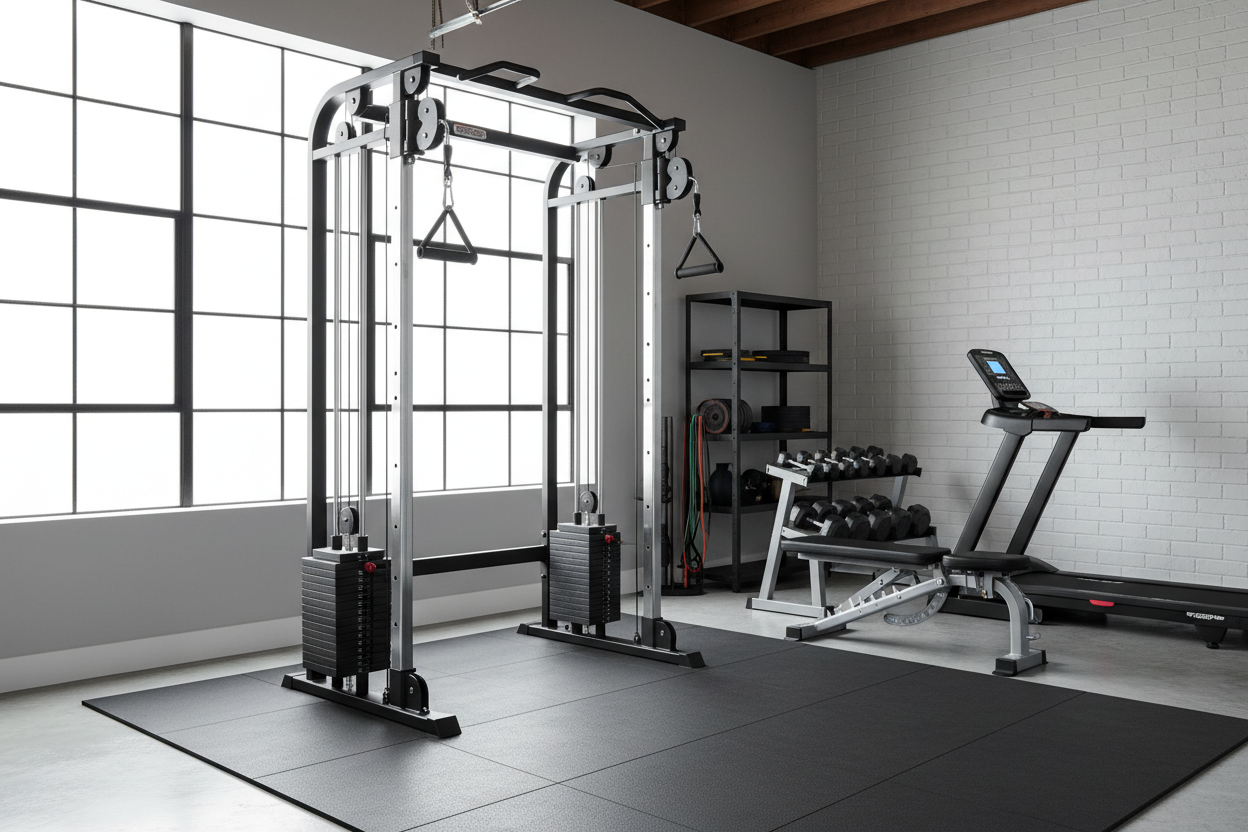
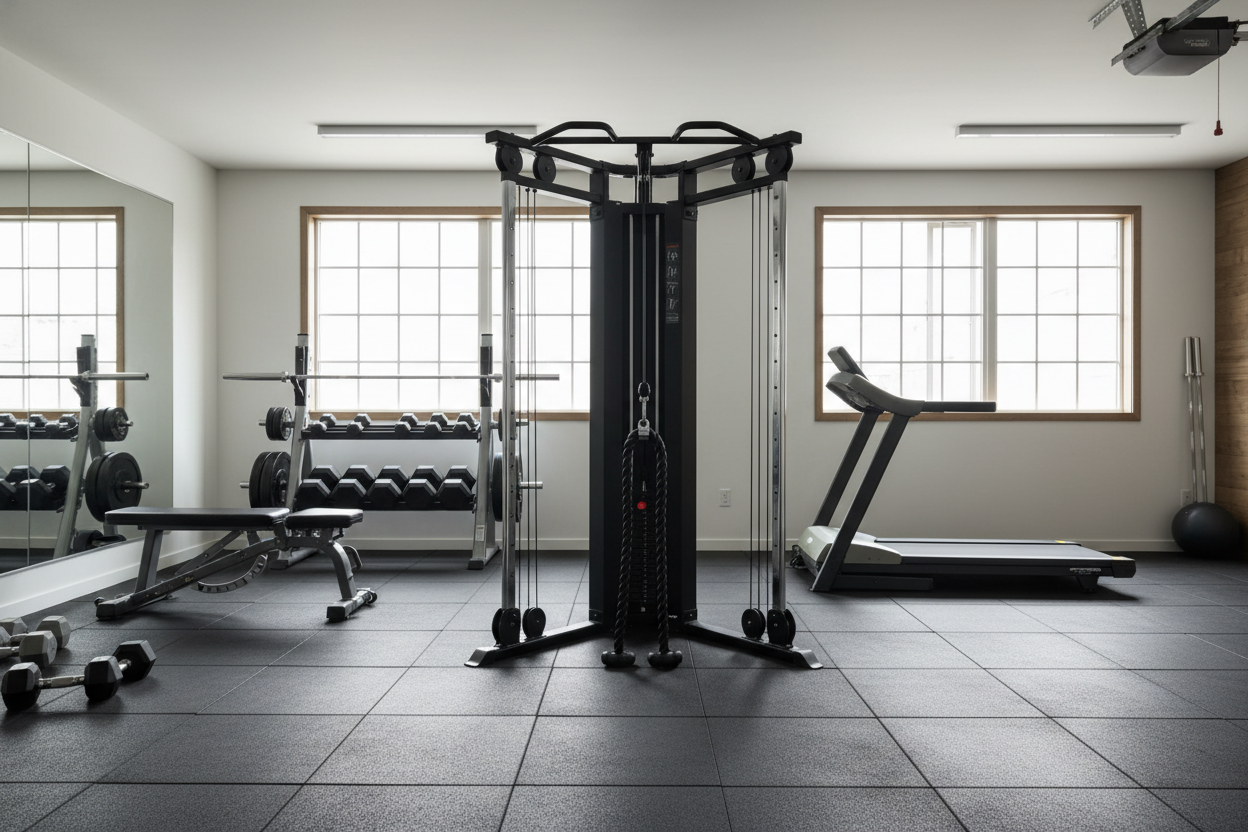
I get it—not everyone has a $2,000 functional trainer in their basement. If you are working with a basic rack and some free weights, you can still mimic this tension. You can anchor a heavy resistance band to the bottom of your rack and perform the same movement. The tension won't be as linear as a cable, but it beats dumbbells.
Another solid option for those with limited gear is the cable pull through with dumbbell variation. While it doesn't offer the exact same vector as a cable, using a single dumbbell held with both hands in a deep hinge can help isolate the posterior chain and shoulders if you focus on the 'outward' swing rather than the 'upward' pull. It's a gritty fix for a minimalist setup.
Personal Experience: My Rear Delt Wake-up Call
I used to ego-lift 35-pound dumbbells on reverse flys. My rear delts were non-existent, but my mid-back was thick. It wasn't until I dropped the weight by 50% and moved to the cable pulley that I actually felt the muscle 'burn' people talk about. The first time I did these, I used the 10-lb plate on the stack and my shoulders were on fire within 12 reps. It’s humbling, but it works.
FAQ
Is this better than face pulls?
It is different. Face pulls involve more external rotation and trap involvement. The shoulder cable pull through is a truer isolation for the posterior deltoid head because it removes the rowing component.
What rep range works best?
Don't go heavy here. Stay in the 12-20 rep range. You want to accumulate metabolic stress in the muscle, not test your 1-rep max on a small shoulder muscle.
Can I use a straight bar instead of a rope?
You can, but it limits your range of motion because the bar will hit your legs. The rope allows your hands to move independently and sweep wider, which is key for delt activation.