Why Most Stretches for Inflexible Guys Feel Impossible
I remember the first time I tried a 'beginner' yoga video. The instructor, who looked like she was made of pipe cleaners, casually sat on the floor with her legs out straight and folded her torso flat against her thighs. I tried to sit up straight and my lower back started screaming immediately. I wasn't even stretching yet; I was just trying to exist in a seated position. If you have spent any significant time under a barbell, you know the struggle of finding stretches for inflexible lifters that don't feel like a torture device.
Standard mobility guides are a trap for the chronically stiff. They assume you have a baseline level of range of motion that most 250-pound guys who squat three times a week simply do not possess. You don't need a Zen master; you need a garage gym veteran who understands that your hamstrings are basically made of old fan belts.
Quick Takeaways
- Stop sitting on the floor—use benches and racks to bring the stretch to you.
- Guarding is a neurological reflex that stops your progress; props help turn it off.
- Hold stretches for 2 minutes at a low intensity (4/10) rather than 30 seconds of agony.
- Consistency is the only way to overcome the 'gorilla posture' caused by heavy pressing.
The Problem With 'Beginner' Mobility Guides
Most 'beginner' tutorials are written by people who have been flexible their entire lives. They tell you to touch your toes, but they don't tell you what to do when your hands stop at your mid-shins and your spine starts rounding like a scared cat. For the truly stiff, a basic hamstring stretch isn't a stretch—it's a battle against gravity and your own anatomy.
When you can't even sit up straight on the floor without your hip flexors cramping, you aren't actually improving your mobility. You're just reinforcing bad patterns. We need to stop pretending that every lifter can drop into a deep pigeon pose on day one. If you've been focused on moving heavy iron, your body has prioritized stability over range of motion. That's a feature, not a bug, but it means we need a different starting point.
Stop Fighting the Floor (Why You Need Props)
The biggest hurdle for the inflexible is a phenomenon called 'guarding.' This is your nervous system's way of slamming on the brakes. If your brain feels like you're about to tip over or snap a tendon, it will make the muscle tighter to protect the joint. You can't stretch a muscle that is actively trying to keep you from falling.
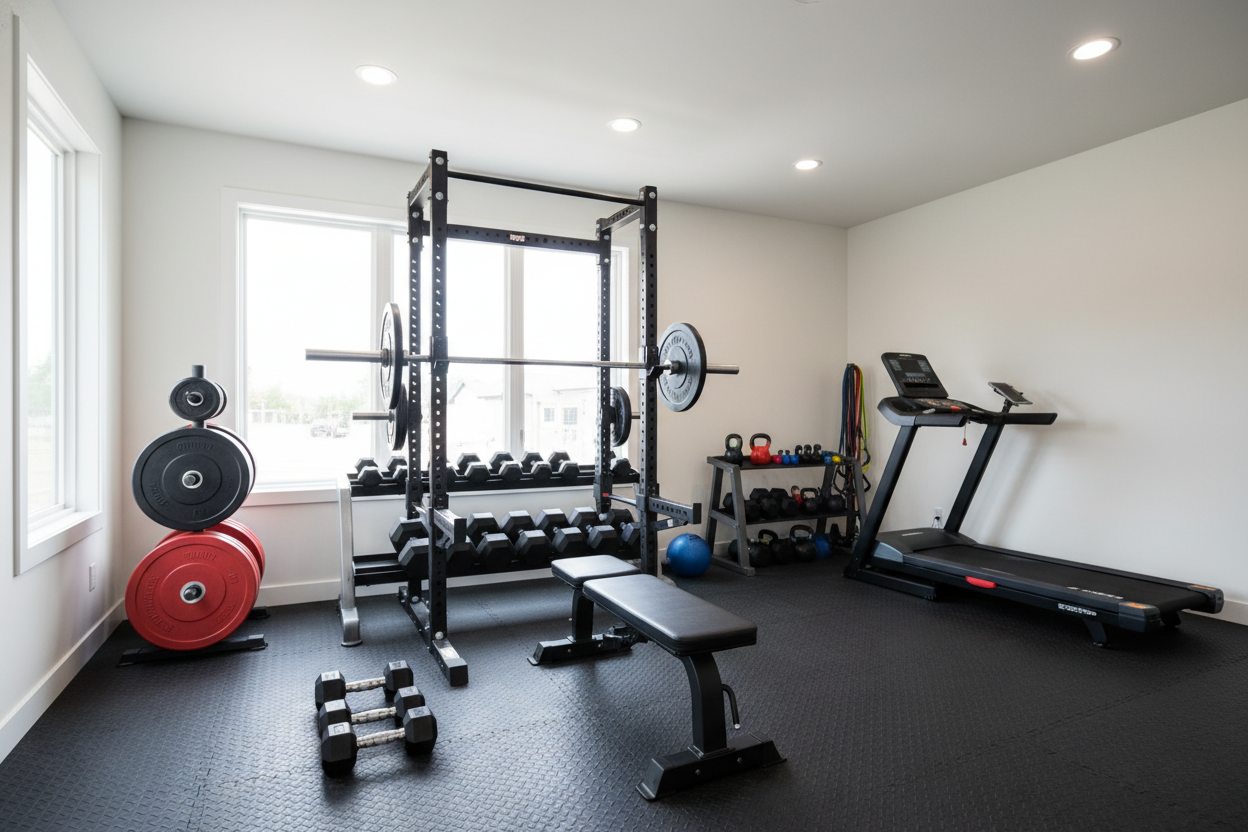
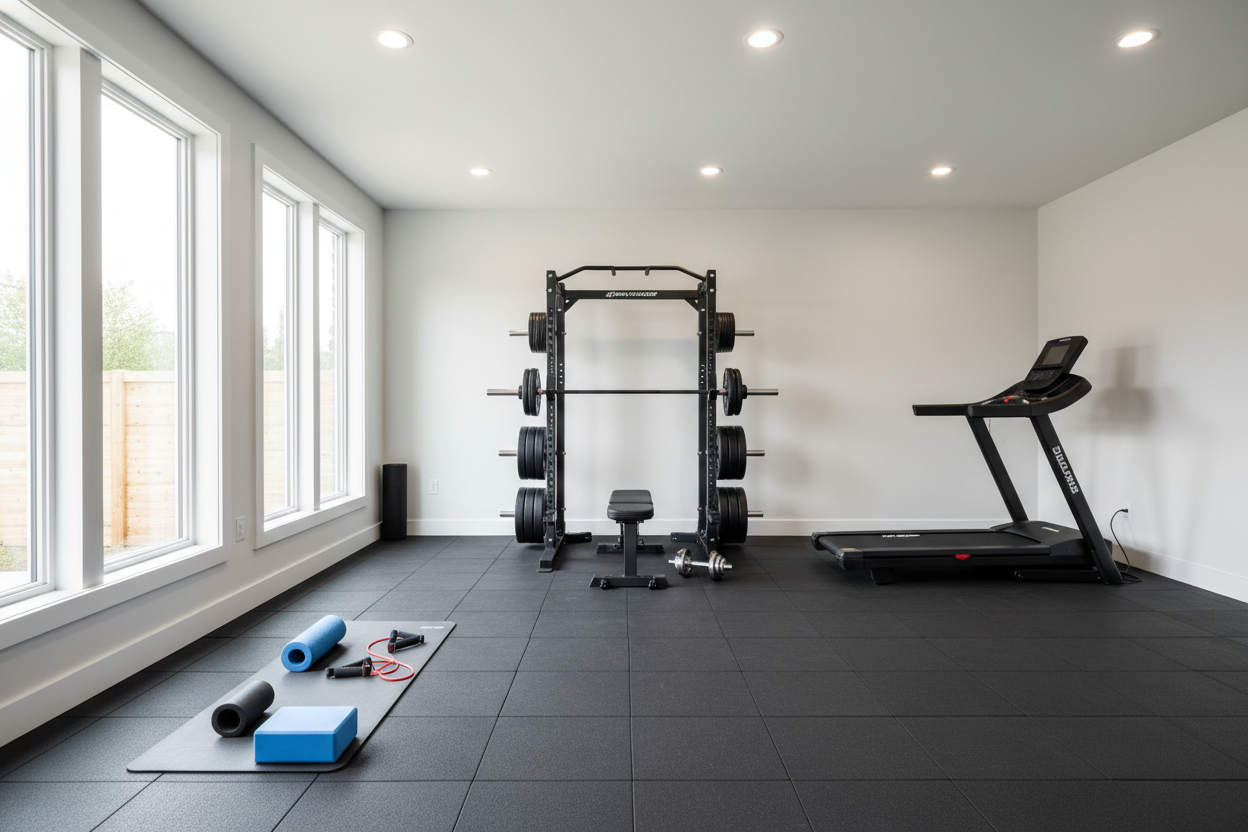
This is where props come in. Instead of wrestling with your own balance on a cold concrete floor, use a 6x8ft exercise mat to provide a stable, cushioned base. Having that extra real estate means you aren't constantly adjusting your position. When your body feels supported—whether by a thick mat, a weight bench, or a power rack—your nervous system finally gets the memo that it's safe to let go. You want to relax into the position, not fight it.
The 3 Lower Body Stretches for the Inflexible That Actually Work
Forget the floor-based stuff. We are going to use your equipment to make these stretches for the inflexible actually productive. First up is the Bench-Supported Hamstring Stretch. Instead of reaching for your toes, stand up and put one heel on your weight bench. Keep your chest high and lean forward from the hips. By being upright, you take the strain off your lower back and actually hit the hamstrings.
Second, try the Rack-Assisted Deep Squat. Grab the uprights of your power rack (3x3 steel is best for this) and sit back into a squat. Use your arms to keep your torso upright. This allows you to get your hips lower than they’d normally go without your heels lifting or your back rounding. It’s a massive win for ankle and hip mobility.
Finally, the Elevated Couch Stretch. Most guys find the standard version on the floor impossible. Instead, put your back foot up on a bench or a stack of bumper plates. This reduces the extreme knee flexion and allows you to actually feel the stretch in your quads and hip flexors without feeling like your kneecap is going to pop off.
Un-Gluing Your Upper Body Without Popping a Shoulder
Heavy benching and hours at a desk create a 'caved-in' chest that is a nightmare for shoulder health. Most people try to fix this with aggressive doorway stretches that just end up pinching the front of the shoulder. You need to focus on opening the ribcage and the pec minor without forcing the joint into a bad spot.
Utilize your power rack for effective stretches for tight pecs by placing your forearm against the upright at eye level and gently rotating away. This hits the muscle fibers without jamming the humeral head into the socket. If you're dealing with that gnawing ache between your shoulder blades, you're likely dealing with overstretched rhomboids and locked-down lats. Incorporating targeted stretches for pain in shoulder blade will help reset that upper back tension that makes overhead pressing feel so restricted.
The Only Rule for Getting Less Stiff Over Time
You didn't get this stiff in a week, and you won't fix it in a week. The secret isn't intensity; it's duration. I used to pull on my muscles like I was trying to start a lawnmower, but that just triggered more guarding. Now, I aim for a 4 out of 10 on the 'discomfort scale' and stay there for a full two minutes. This allows the fascia to actually adapt.
Consistency beats a 90-minute yoga session once a month. Spend ten minutes after your lifting session using these prop-assisted movements. If you can stay relaxed and breathe through the nose, you'll see more progress in a month than you have in the last three years of occasional toe-touching attempts.
Personal Experience: The 'Hot Yoga' Disaster
I once let a girlfriend talk me into a hot yoga class. I was the biggest guy there and easily the stiffest. I was too proud to use the foam blocks they offered, so I spent 60 minutes trembling, sweating, and probably micro-tearing my hamstrings. I walked out tighter than when I walked in. That was the day I realized that 'modifying' a stretch isn't cheating—it's the only way to actually get a result if you have a lifter's build. Now, I use my 11-gauge power rack as my primary stretching partner, and my joints have never felt better.
FAQ
How long should I hold a stretch?
Aim for two minutes per position. It takes about 90 seconds for your nervous system to stop fighting the stretch and for the deeper tissues to actually begin to yield. Short, 20-second bursts are fine for a warm-up, but they won't change your baseline flexibility.
Should I stretch before or after I lift?
Save the long, static holds for after your workout. You want your muscles to be warm, and you don't want to temporarily decrease your power output right before a heavy set of squats. Dynamic movement first, deep stretching last.
Why do I feel a stretch in my back when I'm trying to hit my hamstrings?
That is a sign you are 'compensating.' Your hamstrings are so tight that your body is rounding the lower back to find the range of motion you're asking for. This is exactly why you should use a bench to elevate your foot—it keeps your spine neutral so the tension stays on the muscle you're actually targeting.