Why Most Free Bodybuilding Information Sets Beginners Up to Fail
I spent three hours last night watching a guy in a neon stringer explain why my bicep peak is flat because I am not doing 'supinated cable pulses' at a specific 42-degree angle. This is the current state of bodybuilding information online. It is a loud, contradictory mess of over-complicated garbage designed to sell you a PDF or a proprietary pump formula you do not need.
If you are trying to navigate the bodybuilding process for the first time, you are likely drowning in noise. One influencer tells you to eat 4,000 calories; another says 'maingaining' is the only way to stay in bodybuilding shape. It is enough to make you want to sell your rack and take up competitive knitting. Let's cut the crap and look at what actually builds muscle when you are training in a garage or a basement.
- Ignore 90% of what you see on TikTok; it is engagement bait, not science.
- Prioritize stable surfaces and heavy compound movements over 'fancy' angles.
- Recovery is a variable you control, not an afterthought.
- Consistency for 12 weeks beats a 'perfect' plan followed for 12 days.
The Internet is Ruining Your Attention Span (And Your Gains)
The modern bodybuilding step-by-step guide is usually just a vehicle for an algorithm. We have reached a point where 'new' information is valued more than 'effective' information. Beginners get stuck in analysis paralysis, searching for the ultimate introduction to bodybuilding instead of just picking up a heavy barbell and moving it ten times.
I have been there. I used to spend more time tweaking my spreadsheet than actually sweating. I would see a pro bodybuilder doing some weird behind-the-neck lat pull-down and assume that was the 'secret' I was missing. It wasn't. The secret is that there are no secrets. When you learn about bodybuilding from people who are just trying to stay relevant, you end up with a program that is 10% effective and 90% distraction.
How to Build a BS Detector for Fitness Advice
To be a good bodybuilder, you need a high-functioning filter. If an influencer is claiming they gained 20 pounds of lean mass in a summer while staying shredded, they are either lying about their 'natty' status or their timeline. Either way, their advice is useless to you. Most bodybuilding 101 for beginners content ignores the reality of human biology in favor of selling supplements.
Look for coaches who talk about 'progressive overload' and 'adherence' more than 'muscle confusion.' If the advice seems too complicated to explain to your grandmother, it is probably marketing fluff. Once you stop chasing the 'magic' pill, you can finally get bodybuilding working for you by focusing on the boring stuff that actually adds inches to your frame.
The 3 Boring Truths Behind the Bodybuilding Process
If you want to learn bodybuilding, you have to accept that the underlying biology hasn't changed since the 1970s. Arnold and Zane didn't have apps, yet they built physiques that still set the standard today. The bodybuilding process relies on three pillars: mechanical tension, a caloric surplus, and progressive overload. That is it.
Mechanical Tension Always Beats Fancy Angles
TikTok loves 'growth hacks,' but your muscles only understand tension. Pushing a muscle close to failure with a stable foundation is the only way to trigger hypertrophy. I have seen guys trying to do one-legged squats on a Bosu ball to 'engage the core.' It is a waste of time. You cannot generate maximum force if you are wobbling.
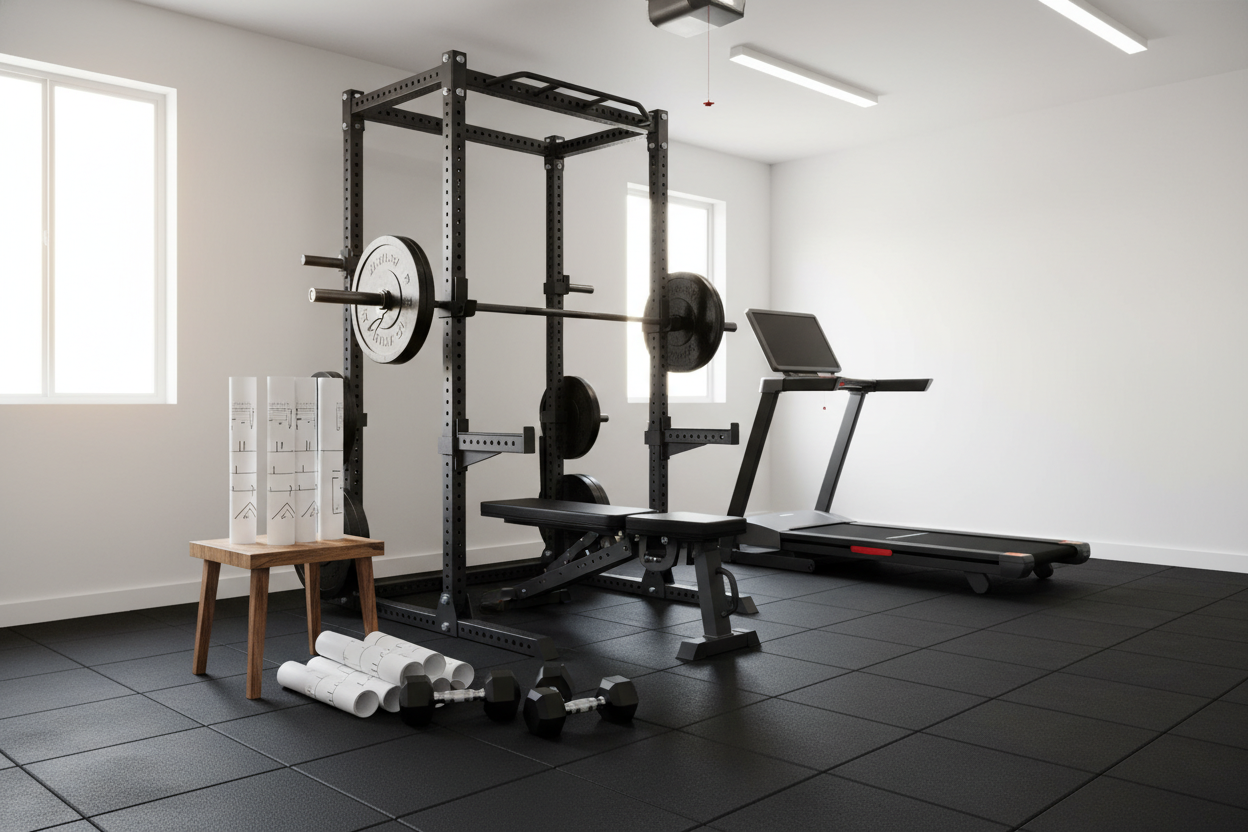
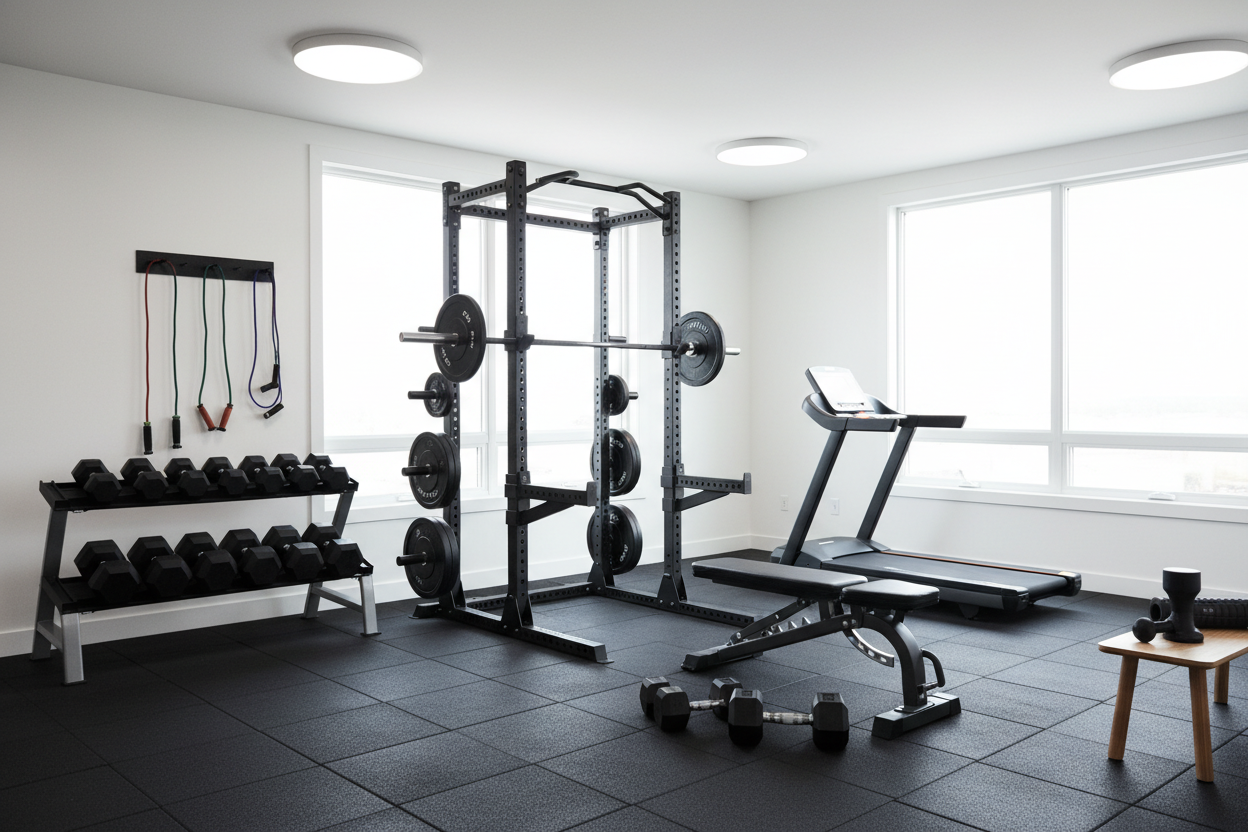
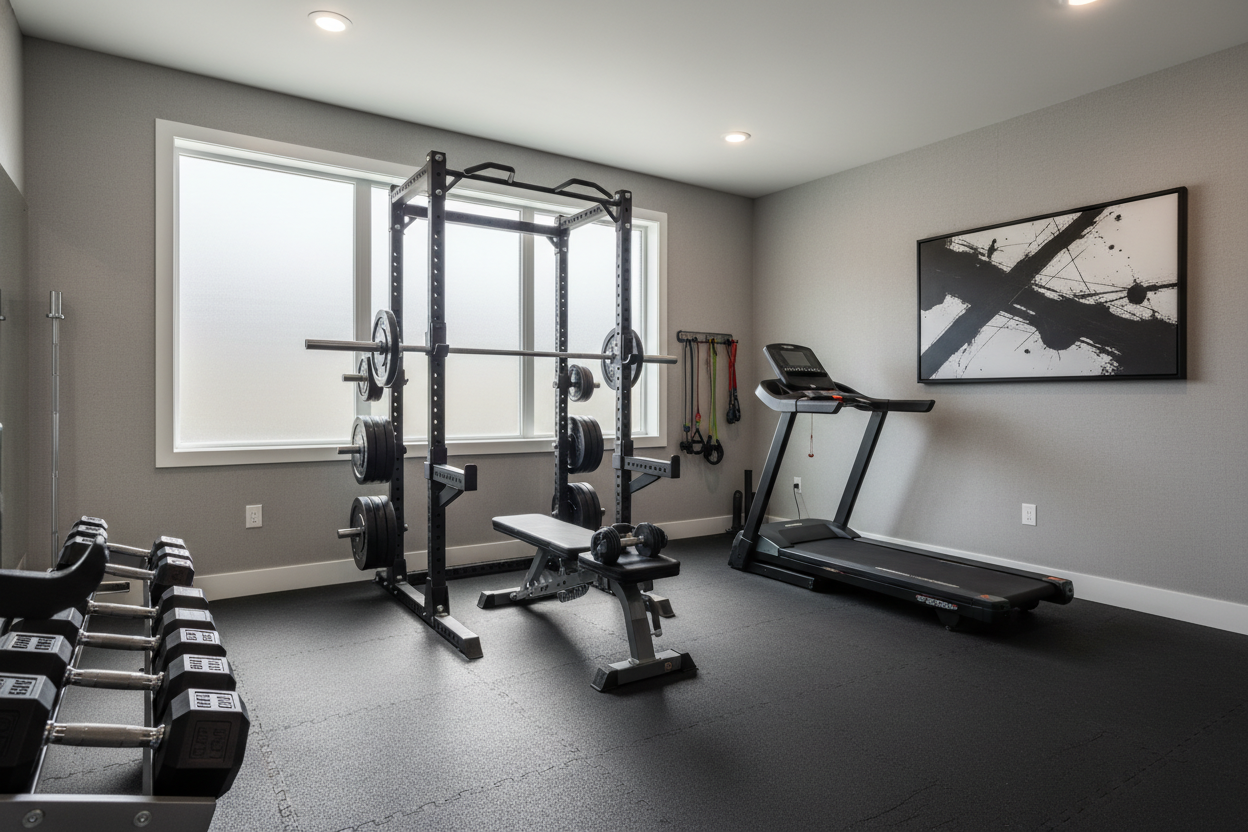
This is why I tell people to stop lifting on bare concrete or squishy carpet. Having stable gym flooring for home workouts is a literal requirement for safety and performance. When your feet are locked into a high-density surface, you can actually drive through the floor on a heavy set of squats without worrying about a slip or a loss of balance. Stability equals force.
Your Recovery is More Important Than the Perfect Split
Everyone wants to know how to be a good bodybuilder by picking the 'perfect' 6-day PPL split. Here is the reality: if you have a job, a family, and a life, you probably cannot recover from six days of high-intensity training. You grow while you sleep, not while you are lifting.
I wasted a year trying to follow a pro-level high-volume plan. I felt like a zombie, my joints ached, and I didn't gain a pound of muscle. I made more progress when I switched to a 3-day full-body routine. You need to schedule bodybuilding workout plans that respect your recovery capacity. A 3-day plan you hit with 100% intensity is infinitely better than a 6-day plan you do half-heartedly because you are burnt out.
Where Should You Actually Go to Learn Bodybuilding?
If you want to learn how to do bodybuilding the right way, stop looking at 'fitspo' accounts. Look for evidence-based coaches who cite clinical studies or veteran lifters who have trained for 20+ years without a major injury. People like Eric Helms, Greg Nuckols, or the old-school logic of Bill Pearl. They don't offer 'hacks'; they offer principles.
When you i bodybuilding (the act of training for hypertrophy), you are playing a long game. The best resources will teach you about exercise selection based on your specific limb lengths and joint health, not what looks coolest on a 15-second Reel. This is a complete guide to bodybuilding: find a movement that doesn't hurt, get really strong at it over a full range of motion, and eat enough to support that growth.
Time to Put the Blinders On and Get to Work
The biggest things to know about bodybuilding are often the least exciting. It is about doing the same eight exercises for years, not weeks. It is about eating the same boring meals when you'd rather have pizza. It is about the discipline to stay off your phone and stop looking for a 'better' program every Tuesday.
Pick a basic program—something like a 4-day Upper/Lower split. Buy the basic gear you need to stay stable and safe. Then, put the blinders on. Stop reading bodybuilding information for the next 12 weeks and just execute. I promise you, the results of 12 weeks of focused, 'boring' work will beat 12 weeks of 'innovative' nonsense every single time.
FAQ
How long does it take to see results?
If your nutrition is dialed in, you will see 'pump' changes in two weeks, but real tissue growth takes 8-12 weeks of consistent training. Don't judge a program by the first month.
Do I need expensive machines?
No. You can build a world-class physique with a barbell, dumbbells, and a rack. Machines are great for isolation, but they are the icing, not the cake.
How do I know if a source is reliable?
If they are trying to sell you a 'fast' solution or a specific supplement 'required' for the program, walk away. Reliable sources focus on effort and time.