How to Run Daily Workout Plans Without Wrecking Your Joints
I remember waking up at 5 AM for a month straight, trying to hit a high-volume powerlifting split six days a week with zero wiggle room. By week three, my elbows felt like they were filled with crushed glass and my morning coffee couldn't even touch the brain fog. We’ve all been there—scrolling through social media, seeing 'no days off' influencers, and deciding that our current three-day split is for hobbyists. But if you are looking for daily workout plans, you need to understand that the human body isn't a machine; it's a biological system that requires a strategic approach to recovery.
Quick Takeaways
- High-frequency training requires a 'High-Low' intensity rotation to prevent CNS burnout.
- Joint health is the primary bottleneck for daily training, not muscle soreness.
- A successful full workout schedule includes dedicated days for mobility and active recovery.
- Equipment layout matters—if it takes 20 minutes to set up for a stretch, you won't do it.
The Trap of the Seven-Day Grind
Most people searching for an example of workout program variety fall into the trap of thinking every session needs to be a 'leave it all on the floor' event. This is the fastest way to hit a wall. When you train seven days a week at high intensity, your Central Nervous System (CNS) never actually resets. You’ll notice your grip strength starts to fade, your sleep quality drops, and that 225-lb bench press—which used to be a warm-up—suddenly feels like a refrigerator.
Joint pain is the other silent killer. Muscles recover relatively quickly because they have a massive blood supply. Tendons and ligaments? Not so much. If you’re hitting heavy triples every day, you’re creating micro-tears in connective tissue that simply don't have time to knit back together. I’ve seen guys with 500-lb deadlifts who can’t reach their overhead cabinets because they refused to program a deload. Don't be that guy.
What a Sustainable Full Workout Schedule Actually Looks Like
To train every day without ending up in physical therapy, you have to embrace the High-Low model. This means you follow a day of heavy loading with a day of 'blood flow' work. I’m a huge advocate for full body workout plans because they allow you to hit a muscle group frequently without absolutely obliterating it in a single session. Instead of doing 20 sets of legs on a Monday, you might do 5 sets of squats on Monday, some light lunges on Wednesday, and hinges on Friday.
This distribution of volume keeps the systemic fatigue low. You also have to be honest about recovery times. Even the most effective leg workout is going to require at least 48 hours of recovery before those tissues are ready for another max-effort load. A sustainable full workout schedule isn't about doing the same thing every day; it's about alternating the stimulus so your joints can breathe.
A Realistic Example of a Workout Plan for Everyday Lifters
If you want to stay in the gym daily, you need a template that manages fatigue like a bank account. You can't overdraw every day and expect not to go bankrupt. This is a prime example of a workout program that prioritizes longevity. We focus on 'filling the gaps' on the off-days rather than just adding more weight to the bar. For more specific templates, you can always check out our workout hub, but the logic remains the same: move every day, but don't crush yourself every day.
Monday to Sunday Breakdown (An Example of Workout Routine Structuring)
- Monday: Heavy Lower Body (Squat/Hinge focus) + Core.
- Tuesday: Low-intensity steady state cardio (30 mins) + Upper body mobility.
- Wednesday: Heavy Upper Body (Push/Pull focus).
- Thursday: Active Recovery. Think long walks, light sled pulls, or yoga.
- Friday: Moderate Full Body (Hypertrophy focus—higher reps, lower weight).
- Saturday: Conditioning or 'Fun' work. Kettlebell flows or odd object carries.
- Sunday: Full Mobility and Prehab. Focus on the ankles, hips, and T-spine.
This is a perfect example of a workout routine that keeps the habit of daily movement alive without forcing you to redline your heart rate seven days a week. You’re only doing 'heavy' work twice a week, which is plenty for 95% of the population to see massive strength gains.
Setting Up Your Space for High-Frequency Training
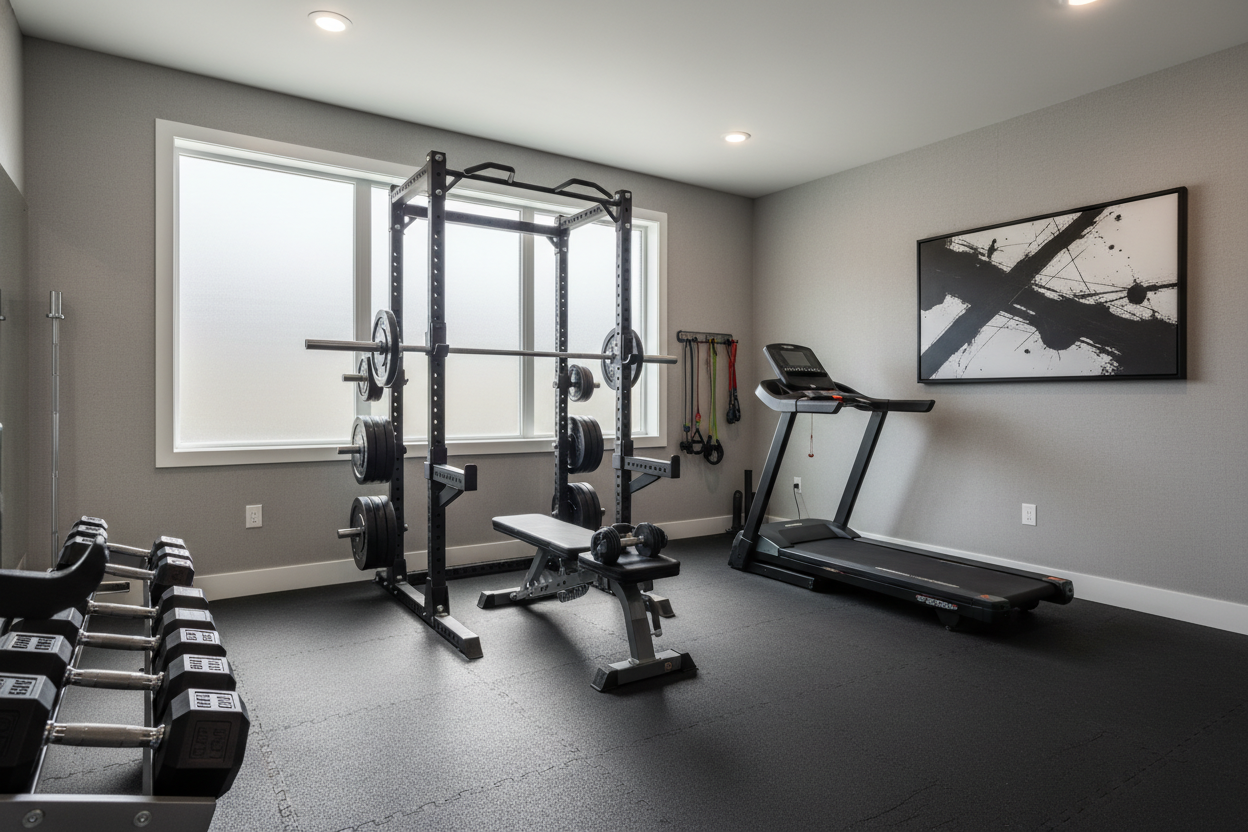
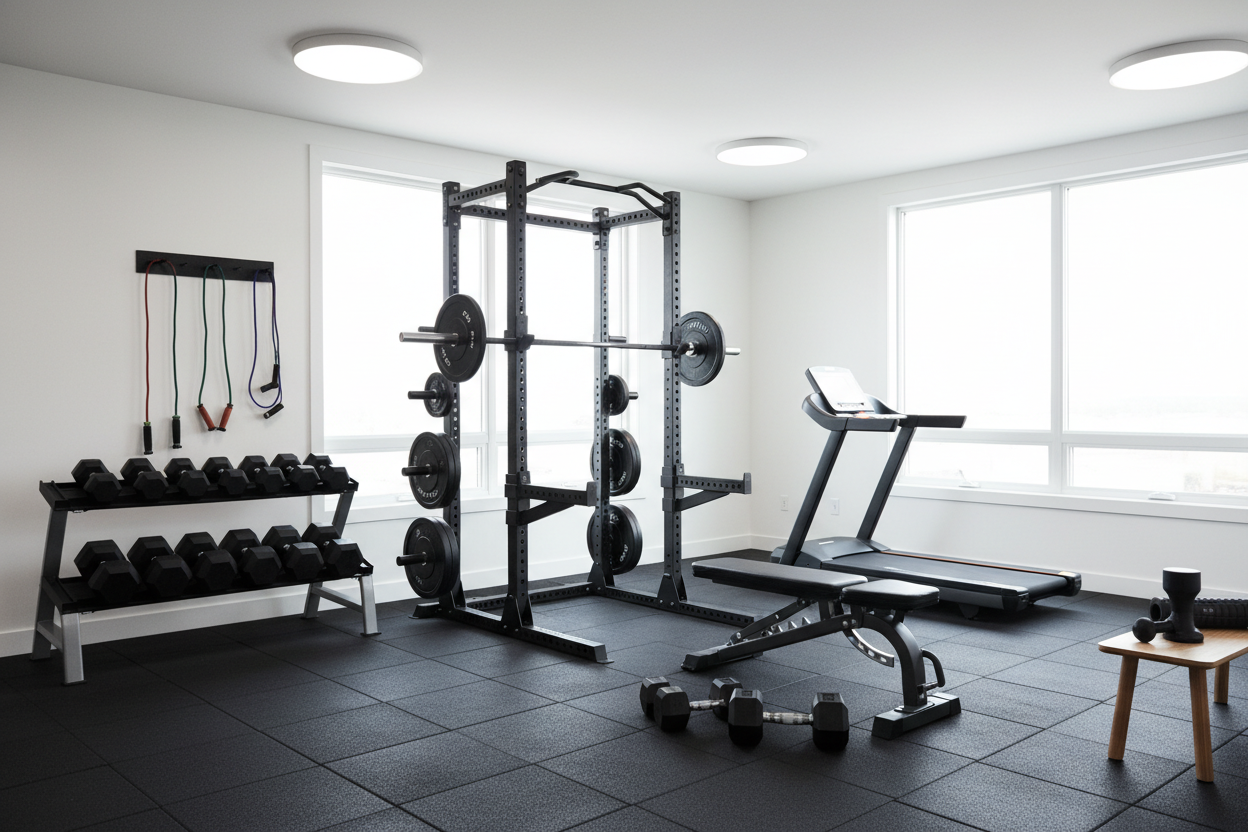
If you’re training daily, your environment needs to be friction-free. I used to keep my foam roller tucked behind a stack of bumper plates, and guess what? I never used it. If you want to succeed with a high-frequency plan, you need a dedicated recovery zone. I recommend keeping a 6x8ft exercise mat unrolled and ready to go at all times. Having that dedicated floor space means you can transition from your final set of presses straight into your mobility work without rearranging the whole garage.
Durability matters here too. If you’re on that mat every single day, cheap foam will compress and tear within months. Look for something with a high-density top layer that can handle both bare feet and the occasional dropped kettlebell. My own mat has survived three years of daily abuse, salt from my sweat, and the occasional spilled protein shake. It’s the foundation of my recovery routine.
When to Finally Take a Complete Rest Day
Even with the best plan, life happens. Stress at work or a bad night’s sleep can tank your recovery capacity. If your morning resting heart rate is 10-15 beats higher than your baseline, or if your grip feels weak on a weight you usually warm up with, take the day off. A 'daily' plan is a goal, not a suicide pact. True progress comes from the workouts you can recover from, not just the ones you finish.
Personal Experience: The 'Squat Every Day' Disaster
A few years ago, I fell for a 'Squat Every Day' challenge. I had a high-end power rack and plenty of plates, so I figured I was invincible. By day 14, my knees felt like they were being poked with hot needles every time I sat down in a chair. I wasn't getting stronger; I was just getting better at compensating for pain. I had to take three weeks off entirely just to be able to walk without a limp. Now, I follow the High-Low method religiously. I still train daily, but three of those days involve zero barbells. My totals are higher than ever, and I don't need a ten-minute warm-up just to get out of bed.
FAQ
Do I really need to train every day?
No. Most people do best on 3-5 days. Training daily is more about the psychological habit and 'active recovery' than it is about building more muscle through pure volume.
What is the best exercise for active recovery?
Walking is king. It’s low impact, flushes the legs with blood, and doesn't add to your systemic fatigue. A weighted vest walk is a great way to 'level up' without the joint stress of a run.
Can I do daily workout plans as a beginner?
I wouldn't recommend it. Start with three days a week to see how your joints handle the load. Once you have a year of consistent lifting under your belt, you can start adding active recovery days to fill out the week.