I Built a 30 Day Muscle Building Workout Plan PDF That Isn't Fluff
I’ve spent thousands of dollars on home gym gear and even more hours scrolling through 'influencer' apps that promise a new, exciting workout every single day. It’s a trap. Most people fail because they’re chasing variety instead of progress. I finally got fed up and built a 30 day muscle building workout plan pdf that actually focuses on the boring, repetitive work that makes muscles grow.
If you’re looking for a 'fun' circuit that uses a different color of resistance band every five minutes, this isn't for you. This is for the person who wants to see their numbers go up and their clothes fit tighter. I’ve tested this protocol in my own garage, and it works because it ignores the noise and focuses on the science of tension.
- Consistency is better than variety for muscle growth.
- Neurological adaptation happens before physical size changes.
- A simple A/B split is the most efficient way to train.
- Physical tracking on paper beats digital apps for intensity.
The 'Muscle Confusion' Trap You Keep Falling For
The term 'muscle confusion' was invented by marketing teams to keep you from getting bored with their DVDs. Your muscles don't need to be 'confused'—they need to be challenged. When you do a different workout every day, you never actually master a movement. You spend all your energy trying to figure out the coordination instead of pushing the intensity.
Real growth happens when your body realizes it isn't strong enough to handle a specific load. It adapts by building more tissue. If you swap a barbell squat for a goblet squat, then a Bulgarian split squat, then a leg press, you lose the ability to track your progress accurately. You’re just getting tired, not necessarily getting better.
I’ve seen guys spend six months 'confusing' their muscles and looking exactly the same. Then they switch to a basic program where they squat twice a week, and suddenly they’re adding 10 pounds to the bar every session. That’s because they’re finally forcing an adaptation. My 30-day workout plan pdf focuses on a handful of foundational movements that you will repeat until you’re actually good at them.
What a 30-Day Transformation Actually Looks Like
Let’s be honest: you aren’t going to gain 20 pounds of lean muscle in a month. Anyone telling you otherwise is selling you a supplement you don’t need. However, a 30-day workout plan pdf can absolutely change how your body functions and looks. The first two weeks are usually about your nervous system. Your brain is learning how to recruit muscle fibers more efficiently. You’ll feel significantly stronger, but your measurements might not move much yet.
By week three and four, the 'beginner gains' start to manifest as actual tissue. This is where the 30 day transformation workout pdf pays off. You’ll notice a 'fuller' look in your shoulders and chest because your muscles are storing more glycogen to keep up with the demand. This isn't just water weight; it’s your body preparing for battle.
The mistake most people make is quitting during that first 14-day window because they don't see a six-pack yet. You have to earn the right to see visual changes by putting in the neurological work first. If you stick to the plan, by day 30, you’ll have a higher strength baseline that makes the next 30 days even more productive. It's about building the foundation, not just painting the walls.
The Core Blueprint: Why 'Boring' Works
This program is built on an A/B split. You have two workouts. That’s it. You’ll alternate between them three or four times a week. Workout A focuses on your 'push' muscles and your quads. Workout B focuses on your 'pull' muscles and your posterior chain. We use a rep range of 8 to 12 for most lifts, which is the sweet spot for hypertrophy.
The magic isn't in the exercises; it's in the progressive overload. If you did 10 reps of a 40-pound dumbbell press on Monday, you better be aiming for 11 reps or 42.5 pounds the next time Workout A rolls around. If you need to see how these foundational lifts are performed, I’ve put together videos in our Workout Hub to ensure your form doesn't break down as the weight gets heavy.
We focus on big, compound movements: presses, rows, squats, and hinges. These are the lifts that trigger the biggest hormonal response and allow for the most weight to be moved. Isolation exercises like bicep curls are included, but they’re the 'dessert' at the end of the session. The 'meat' is the heavy lifting that makes you sweat through your shirt.
Tracking is non-negotiable. You need to record every set, every rep, and every pound. If you don't know what you did last week, you're just guessing. And guessing doesn't build a 40-inch chest. By repeating the same two workouts for 30 days, you remove the guesswork and focus entirely on beating your previous self.
Setting Up Your Space for 30 Days of Consistency
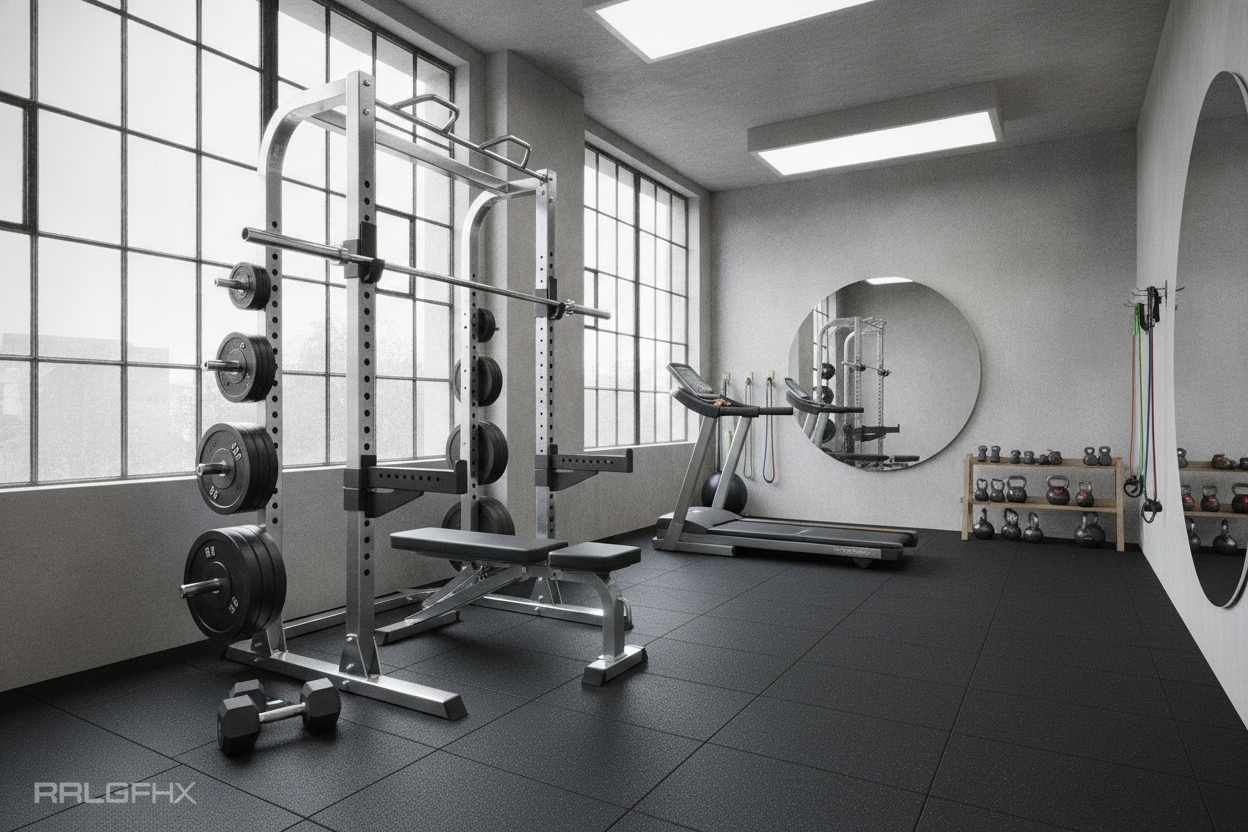
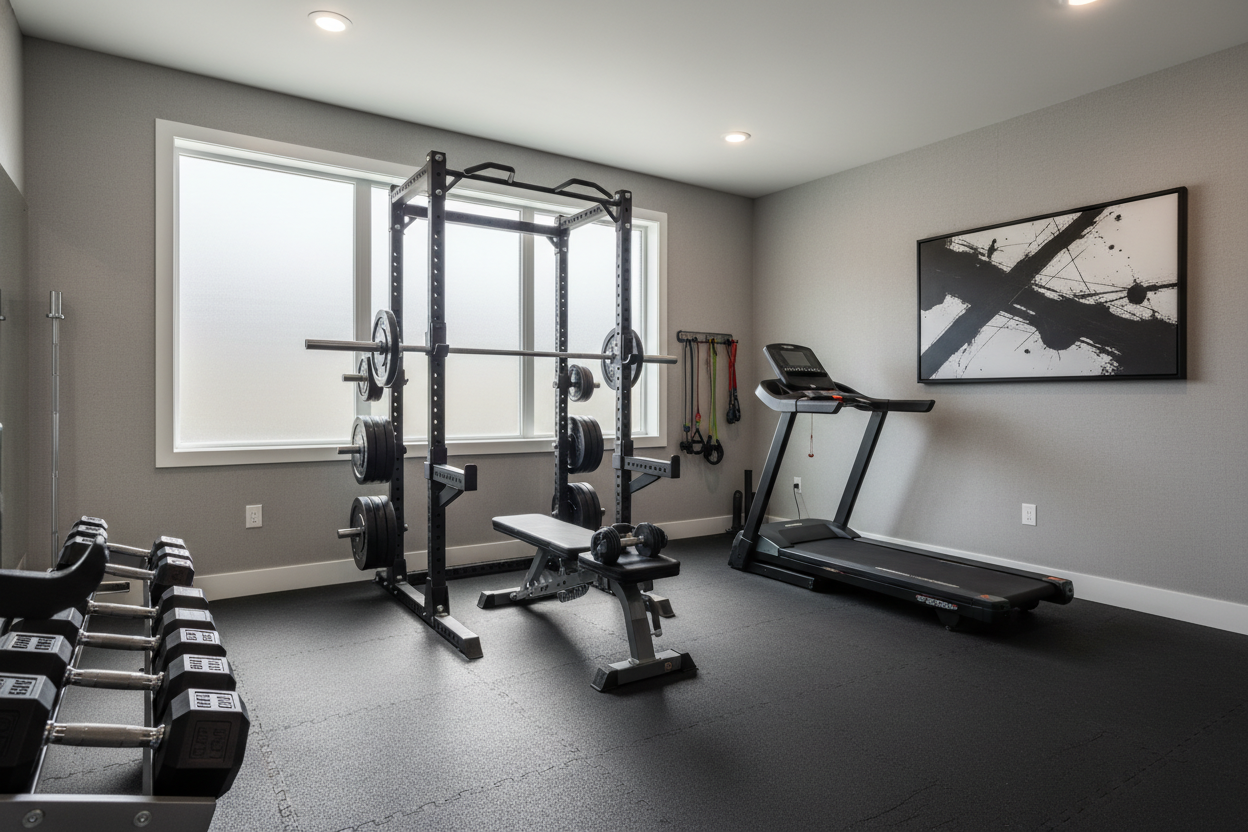
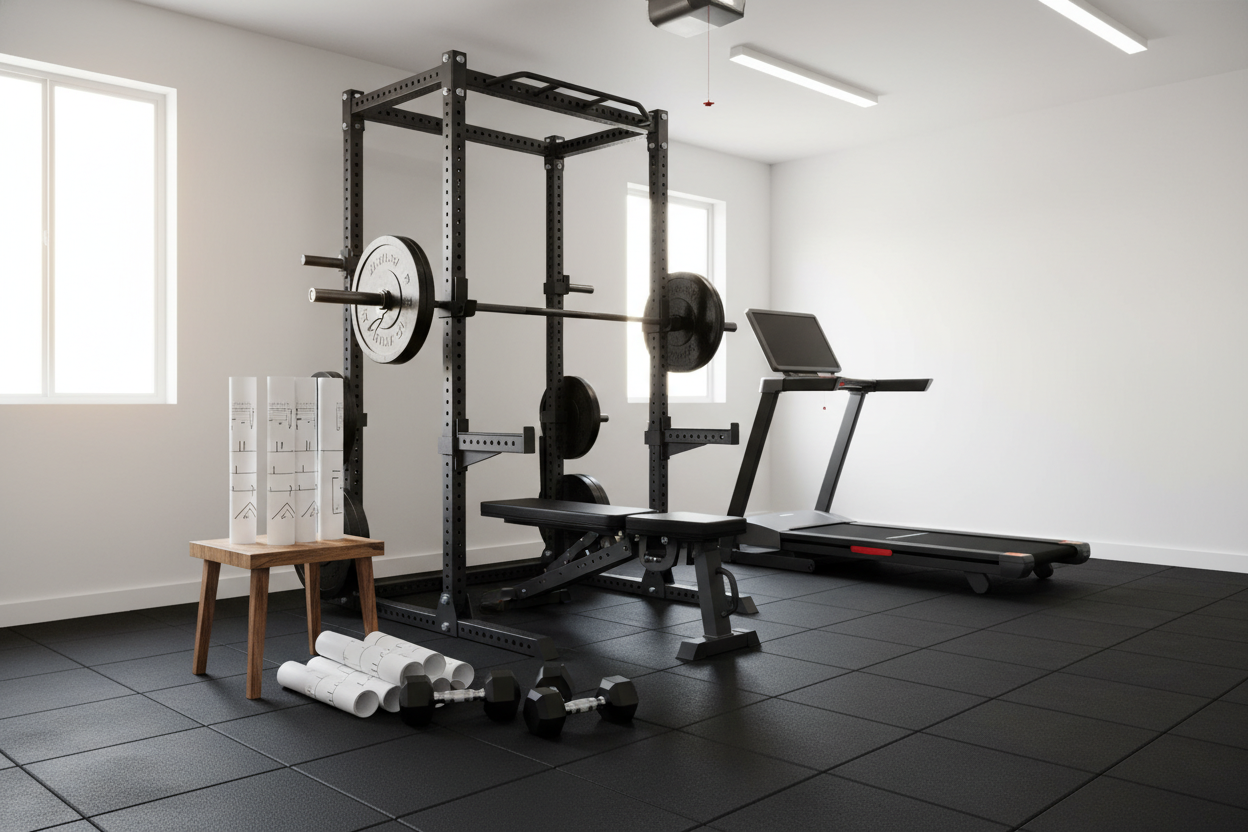
You don't need a $10,000 rack to make this work. I’ve run this exact protocol in a 6x8 ft corner of my garage. All you really need is a pair of adjustable dumbbells and a flat bench. If you're working out at home, the biggest hurdle is often the environment. If you're sliding around on a hardwood floor or worrying about waking the neighbors when you set weights down, your intensity will suffer.
I always recommend starting with a high-quality exercise mat gym flooring for home workout. It saves your joints during the high-rep bodyweight movements and protects your floor when you're grinding out that last set of heavy rows. Having a dedicated space—even if it's small—mentally prepares you to work. When you step onto that mat, the phone stays away, and the work begins.
Consistency is easier when you remove the friction of going to a commercial gym. No waiting for a squat rack, no bad music, and no one asking you how many sets you have left. Just you, your gear, and the PDF.
Ditch the Phone, Print the Sheet
In the age of smartwatches and fitness apps, the humble printer is your best friend. There is something visceral about physically checking off a set with a pen. It signals to your brain that the task is done. More importantly, it keeps your phone in your locker or on the other side of the room. Every time you open a tracking app, you’re one notification away from losing five minutes to Instagram.
I used to be a tech-tracking junkie, but my intensity skyrocketed when I went back to basics. I actually wrote a piece on The Muscle Gain Workout Plan PDF That Replaced My Fitness App because the focus shift was that dramatic. When you have a physical piece of paper in front of you, the only thing that matters is the next line on that sheet.
Print the PDF, clip it to a board, and leave it in your gym space. It becomes a contract with yourself. By day 30, that piece of paper should be wrinkled, sweat-stained, and covered in higher numbers than when you started.
Personal Experience
Early in my training, I fell for the 'variety' trap hard. I was doing a different YouTube workout every day. I was 'fit,' but I looked exactly the same for two years. It wasn't until I committed to a boring, repetitive 4-week block of heavy basics that my weight finally started to move on the scale. My biggest mistake was thinking that because I was sweating, I was growing. Sweat is just a cooling mechanism; tension and load are what build muscle.
FAQ
Can I do this every day?
No. Muscle grows while you sleep, not while you're lifting. Stick to 3-4 days a week. If you're too sore to move, you're not recovering, and you're not growing.
What if I don't have heavy enough weights?
Slow down the tempo. A 3-second descent on a lighter weight can be just as taxing as a heavier weight moved quickly. Focus on the squeeze.
Is this plan good for weight loss?
Muscle is metabolically active tissue. The more you have, the more calories you burn at rest. While this is a building plan, it's a great way to lean out if your diet is on point.