Why Most Fitness Lifestyle Equipment Is Just Overpriced Furniture
I recently saw a pair of dumbbells that cost more than my first car. They were made of polished walnut and brushed steel, designed to sit on a marble shelf like a piece of art. It looked incredible, but I knew the second I dropped those 25-pounders after a burnout set, that expensive wood would splinter into a thousand pieces. This is the reality of fitness lifestyle equipment—it is often designed for the eyes, not the muscles.
We have entered an era where brands want your gym to blend into your mid-century modern living room. While I appreciate not having a rusty power rack next to my dining table, there is a massive gap between 'looks good' and 'works well.' I have spent years testing gear that claims to be both, and more often than not, the 'lifestyle' tag is just a license to overcharge for inferior specs.
Quick Takeaways
- Aesthetic gear often carries a 30% to 50% price premium for the same weight or resistance.
- Natural materials like wood and leather require significantly more maintenance than powder-coated steel and vinyl.
- Lifestyle machines usually have lower weight capacities, often capping out at 250-300 lbs.
- Resale value for 'designer' gear is volatile compared to industry-standard brands like Rogue or Rep Fitness.
The Problem With Making Gym Gear Look Like Decor
The booming trend of lifestyle fitness gym equipment is driven by a simple desire: people want to workout at home without their house looking like a gritty basement dungeon. Brands have caught on, swapping out 11-gauge steel for ash wood and silicone. The problem is that these materials aren't always up to the task of high-intensity training. When you pay $3,000 for a wooden rower, you aren't paying for a better workout; you are paying for the way the grain matches your flooring.
Before you drop a month's rent on a set of marble kettlebells, you should probably stop buying lifestyle fitness equipment until you check the actual performance specs. Look for things like bearing quality in your dumbbells and the thickness of the frame. If a brand spends more time talking about the 'curated finish' than the tensile strength of the steel, you are buying furniture, not a fitness tool.
Do These Sleek Machines Actually Survive Real Workouts?
I have put several lifestyle exercise machines through the wringer, and the results are mixed. Take the classic wooden water rower. It is quiet, it looks beautiful, and it sounds like a mountain stream. But if you are a 220-lb lifter pulling a sub-1:40 split, you will feel that frame flex in ways that a steel Concept2 never would. The minimalist benches are even worse. Most 'lifestyle' benches lack a proper tripod base or wide foot print, making them feel tippy the moment you pick up anything over a 50-lb dumbbell.
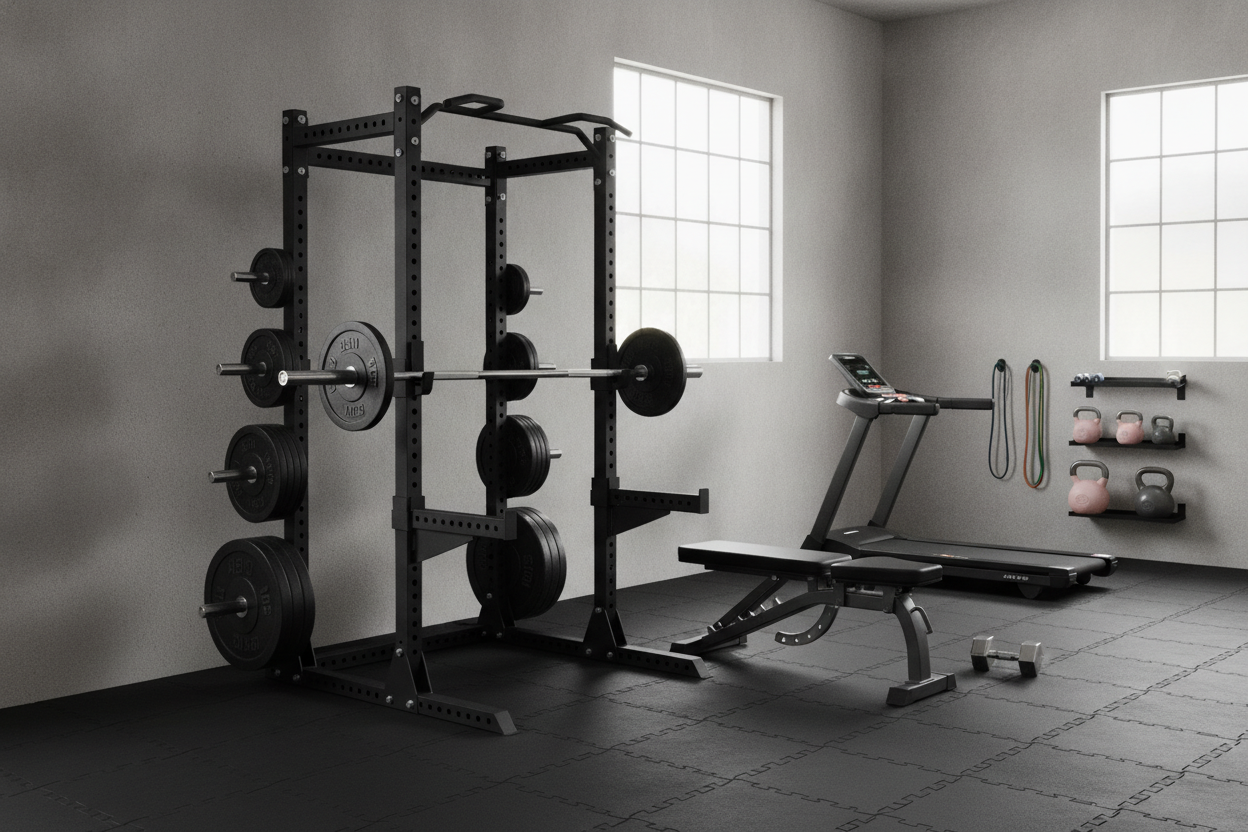
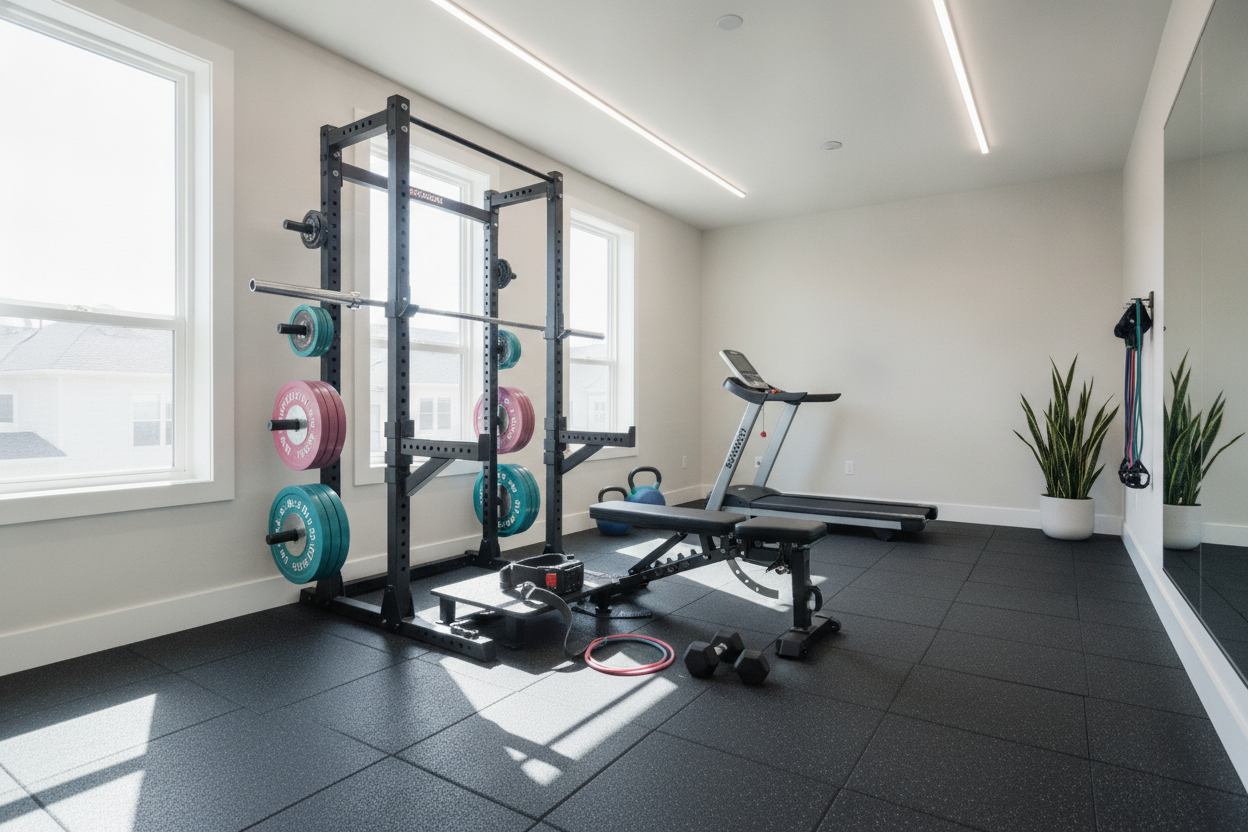
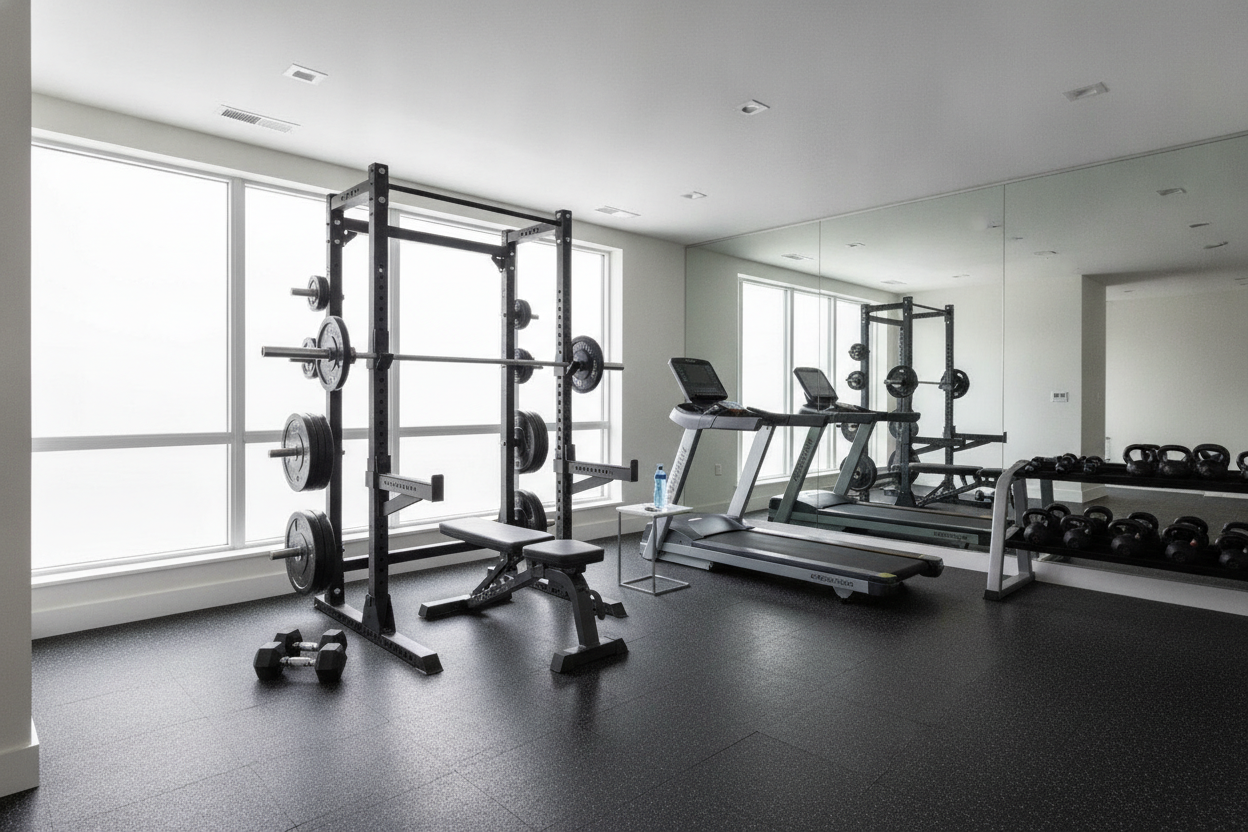
If you want longevity, you are almost always better off trying to build a pro gym with basic exercise fitness equipment. A basic black powder-coated rack might not win any interior design awards, but it won't fail when you're under a heavy barbell. I have seen 'aesthetic' dumbbells with silicone coatings that start to peel after six months of sweat exposure. Real gym gear is ugly for a reason: it is built to be abused, not admired.
When You Actually Should Buy the Pretty Stuff
Look, I get it. Not everyone has a garage or a basement. If your workout space is also your home office or your bedroom, you don't want a massive iron cage staring at you during Zoom calls. There is a place for 'pretty' gear, provided you understand the trade-offs. If your routine consists of light mobility work, yoga, or high-rep/low-weight toning, the lower durability of lifestyle gear might not matter to you.
The trick is finding the few brands that actually bridge the gap. There are some companies making stainless steel dumbbells and high-end adjustable benches that look sleek but still use commercial-grade components. You can often find these by hunting for home gym equipment deals on brands that focus on 'boutique' studio gear rather than 'home decor' gear. You want the stuff designed for high-end hotel gyms—it is built to look nice but also to survive 10 hours of daily use.
Protecting Your Hardwood (Because This Stuff Is Heavy)
One of the biggest mistakes I see people make is buying beautiful, walnut-handled dumbbells and then using them directly on their hardwood floors. Even if the weights are coated in 'soft-touch' silicone, 50 pounds is still 50 pounds. Gravity doesn't care how much you spent on your flooring. If you drop a weight, or even just set it down hard, you are going to dent your floor.
Even if you are going for a minimalist look, a large 6x8 exercise mat is a mandatory investment. It creates a dedicated 'zone' for your gear and protects your subfloor from the vibrations of a treadmill or the impact of a kettlebell. You can find mats that are low-profile and don't ruin the room's vibe, but skipping them is a recipe for a very expensive floor repair bill.
The Final Verdict: Furniture or Functional Gear?
At the end of the day, most lifestyle gear is designed for the 'aspirational' athlete—the person who likes the idea of working out more than the actual grind of it. If you are serious about your numbers and you plan on training four to five days a week, stick to the stuff made of heavy steel and high-density rubber. It might not look like it belongs in a magazine, but it will still be in one piece ten years from now.
My personal rule? If I’m afraid to drop it, I don’t buy it. If you have to baby your equipment, you aren't going to push yourself during your sets. Buy gear that inspires you to work hard, not gear that makes you worry about scuffing the finish.
FAQ
Is wooden gym equipment as durable as steel?
Generally, no. While high-quality hardwoods are strong, they can crack over time due to humidity changes or repeated impact. Steel is much more forgiving in a long-term gym environment.
Why is lifestyle fitness equipment so much more expensive?
You are paying for small-batch manufacturing, premium materials like solid wood or leather, and the marketing costs of targeting a luxury demographic. The actual mechanical components are rarely superior to cheaper, 'ugly' gear.
Can I use lifestyle gear for heavy powerlifting?
I wouldn't recommend it. Most lifestyle benches and racks have significantly lower weight ratings (often 300 lbs total capacity including the user) compared to entry-level powerlifting gear which usually starts at 600-800 lbs.