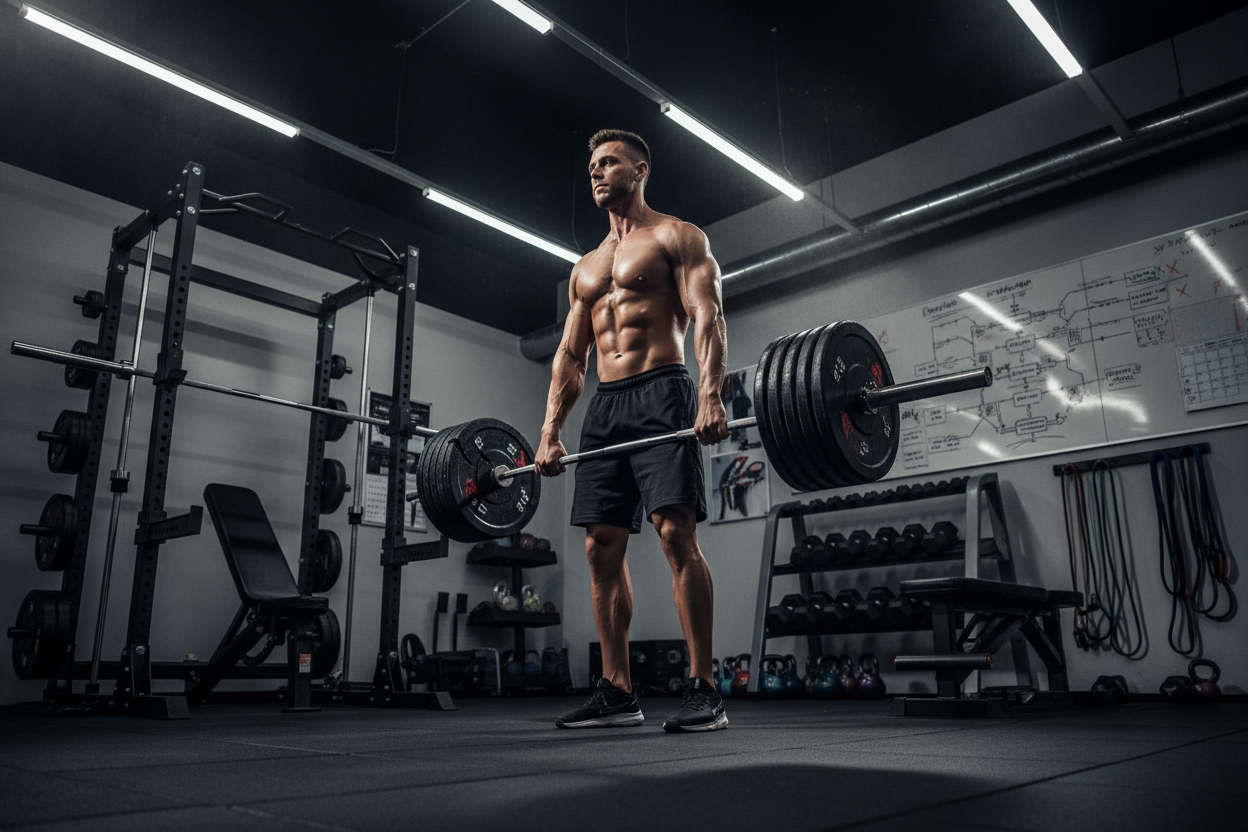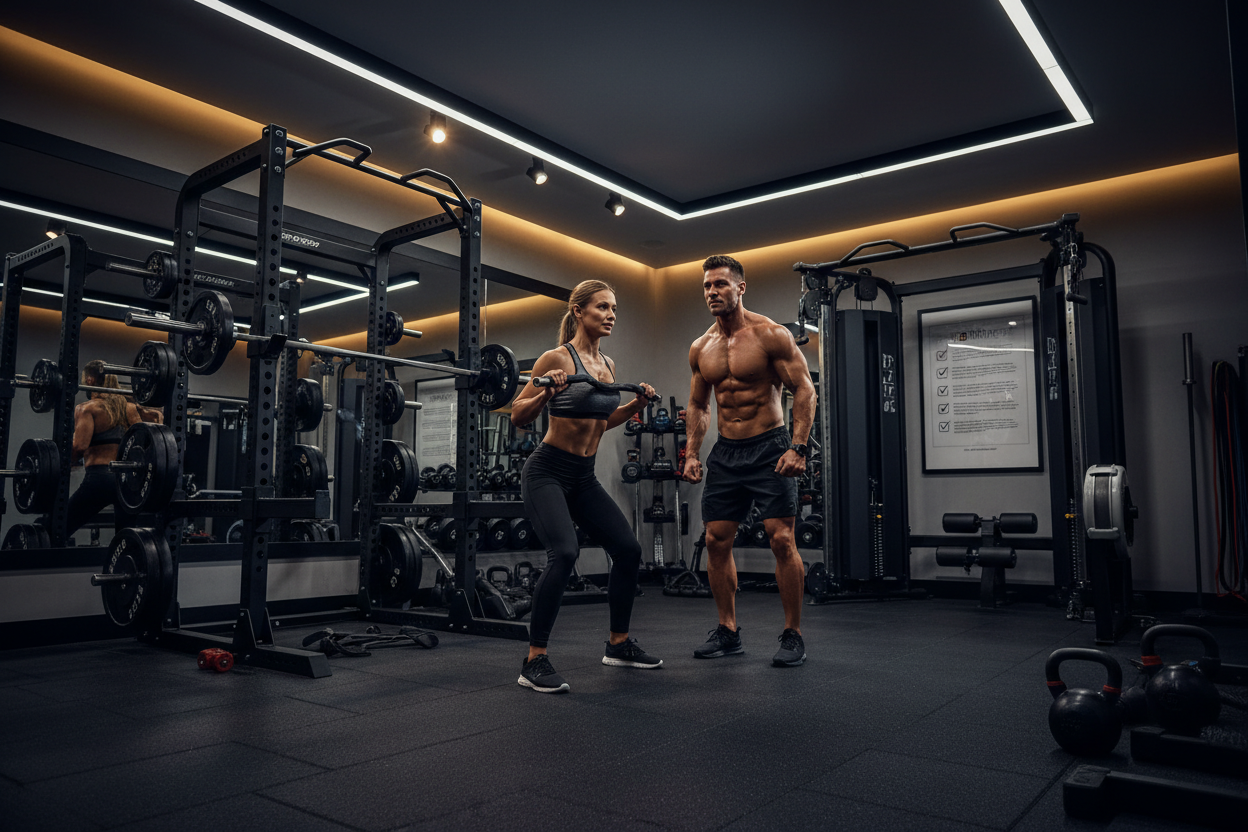
Stop Buying Lifestyle Fitness Equipment Without This Checklist
You have decided to stop renting your fitness from a commercial facility and start owning it. Whether you are outfitting a high-end home studio or upgrading a corporate wellness space, the term lifestyle fitness equipment represents a specific tier of gear. It isn't the flimsy stuff you find in a department store aisle; it is the bridge between commercial durability and residential aesthetics.
Many buyers get this wrong. They prioritize touchscreens over biomechanics or footprint over stability. If you want equipment that integrates seamlessly into your life without becoming an expensive clothes rack, you need to look past the marketing gloss.
Key Takeaways
- Prioritize Biomechanics: Lifestyle fitness machines must match your body's natural path of motion to prevent long-term joint strain.
- Commercial vs. Consumer: True lifestyle gear often uses commercial-grade welding and cabling, unlike standard home variants.
- The "Lifecycle" Standard: For cardio, look for self-powered generator systems (like lifecycle gym equipment) to reduce wiring clutter.
- Space Efficiency: Multi-functional lifestyle workout machines (like functional trainers) offer better ROI than single-station isolation tools.
Defining "Lifestyle" in the Gym Context
When industry veterans talk about lifestyle fitness gym equipment, we aren't talking about yoga mats. We are referring to machinery designed to withstand the rigors of daily use while looking good enough to sit in a finished basement or a luxury apartment complex.
This category merges the heavy-duty steel frames of club gear with softer aesthetic touches—shrouded weight stacks, matte finishes, and silent operation. The goal is performance that doesn't scream "industrial warehouse."
Evaluating Build Quality and Biomechanics
The biggest mistake I see? Ignoring the "feel" of the movement. You can have a machine with 4K Netflix integration, but if the pulley system creates friction during the eccentric (lowering) phase, it is garbage.
The Frame and Stability
Look for lifestyle exercise machines built with 11-gauge steel or lower (lower gauge means thicker steel). When you shake the frame, it shouldn't wobble. If you are looking at lifestyle gym equipment like a power rack or a functional trainer, check the weld points. They should be uniform and smooth, often referred to as "stack of dimes" welding.
The Resistance Curve
High-quality lifestyle workout equipment maintains constant tension. On cheaper machines, the weight feels lighter at the top of the movement and heavier at the bottom due to poor cam design. Brands that specialize in life sports equipment spend millions on R&D to ensure the resistance curve matches your muscle's strength curve.
The Cardio Equation: Beyond the Treadmill
Cardio pieces are the most prone to breakdown because they have moving motors and electronics. This is where the concept of lifecycle gym equipment—specifically stationary bikes and ellipticals—dominates.
For a true lifestyle setup, I recommend looking for equipment with AC motors rather than DC motors. AC motors run cooler and last longer. Additionally, consider self-powered units. These machines use your movement to generate the power for the console, eliminating the need to run ugly extension cords across your floor.
Sourcing: New vs. Remanufactured
Because lifestyle fitness machines are built to commercial standards, they hold their value. This opens up a secondary market. You can often buy a remanufactured commercial piece for the same price as a brand-new, mid-tier consumer piece.
If you choose this route, verify the "remanufacturing" process. It should involve stripping the machine to the frame, powder coating, and replacing all wear items (belts, decks, bearings). A simple "wipe down and service" is not enough.
My Training Log: Real Talk
I want to share a specific experience regarding the difference between "looking" sturdy and "feeling" sturdy. A few years ago, I tested a high-end consumer cable crossover against a commercial lifestyle fitness functional trainer.
On paper, they had the same weight stack specifications. But the moment I grabbed the handles on the consumer model, I knew it was wrong. The knurling on the pull-up bar was too aggressive—it felt like a cheese grater rather than a grip. But the real deal-breaker was the cable travel. When I pulled the handles out for a chest fly, the machine actually tipped forward about an inch.
Contrast that with the commercial unit I used later that week. The selector pin slid into the weight stack with a satisfying, magnetic thud. No rattle. When I released the weight, the stack didn't clang; it settled. That silence is what you are paying for. It’s the difference between a workout that feels like a chore and one that feels like a ritual.
Conclusion
Building a gym environment with proper lifestyle fitness equipment is an investment in your longevity. Don't get distracted by flash. Focus on the steel, the cabling, and the biomechanics. If the machine feels smooth and silent, you are far more likely to use it when motivation is low.
Frequently Asked Questions
What is the difference between lifestyle fitness equipment and commercial gear?
"Lifestyle" equipment often bridges the gap. It utilizes commercial-grade components (motors, frames) but may have a smaller footprint or different console options suited for home or boutique use rather than a 24-hour mega-gym.
Is refurbished lifestyle gym equipment safe to buy?
Yes, provided it is truly remanufactured. Commercial frames are designed to last 10-20 years. If the moving parts (bearings, belts, cables) are replaced by a certified technician, the equipment can function like new for half the price.
How much space do I need for a lifestyle fitness setup?
For a complete setup including a cardio piece and a functional trainer, you typically need a 10x10 foot area. Always account for the "live area"—the space you need to actually move around the machine, not just the machine's footprint.