Why Most Exercise Programs for Men Over 50 Wreck Your Joints
I remember the morning I realized my college-era 'Chest and Tris' routine was officially dead. I had just spent twenty minutes rolling out my lower back after a set of mediocre back squats, wondering why 225 pounds felt like a literal ton of bricks. Most exercise programs for men over 50 are designed by twenty-somethings who think 'recovery' is just a six-hour nap and a protein shake. For the rest of us, the wrong routine is a fast track to a torn rotator cuff or a blown disc.
Quick Takeaways
- Stop chasing 1RM (one-rep max) totals; focus on high-quality movement patterns instead.
- Recovery is a finite resource that shrinks as you age; three days a week is usually the sweet spot.
- Swap the traditional barbell for dumbbells and hex bars to save your joints from unnatural paths.
- Mobility isn't optional—it's the foundation that allows you to lift heavy things without breaking.
You Are Not 25 (But You Aren't Fragile, Either)
The fitness industry has a massive blind spot for guys in their fifties. You either get marketed 'Silver Sneakers' classes that are about as intense as a brisk walk to the mailbox, or you're pushed into high-volume 'bro splits' that assume you have the hormonal profile of a teenager. Neither works. A real over 50 workout men can actually stick to requires a balance of intensity and joint preservation.
You still need to lift heavy. Sarcopenia—age-related muscle loss—is a real threat, and the only way to fight it is with resistance. But you have to be smarter about how you apply that stress. An exercise routines for men over 50 shouldn't be about 'grinding' through pain; it should be about stimulating the muscle while leaving enough in the tank to actually enjoy your life outside the gym.
The Barbell Ego-Trap: Why We Swap the 'Big Three'
For decades, we were told the barbell back squat, bench press, and deadlift were the holy trinity of gains. At 52, I can tell you that the straight bar is often a liability. The fixed hand position on a bench press puts immense torque on the shoulders. If you are looking for a solid weight lifting program for men over 50, start by swapping the barbell for dumbbells. They allow your wrists and elbows to rotate naturally.
Instead of back squats, try goblet squats or landmine squats. They keep the weight in front of you, which naturally engages the core and prevents that dreaded 'butt wink' that kills the lower back. For pulling, the hex bar is your best friend. It puts the center of gravity in line with your hips rather than out in front, making it the safest weight training program for men over 50 foundation I've ever tested.
Floor Work First: Fix Your Stiff Hips and Shoulders
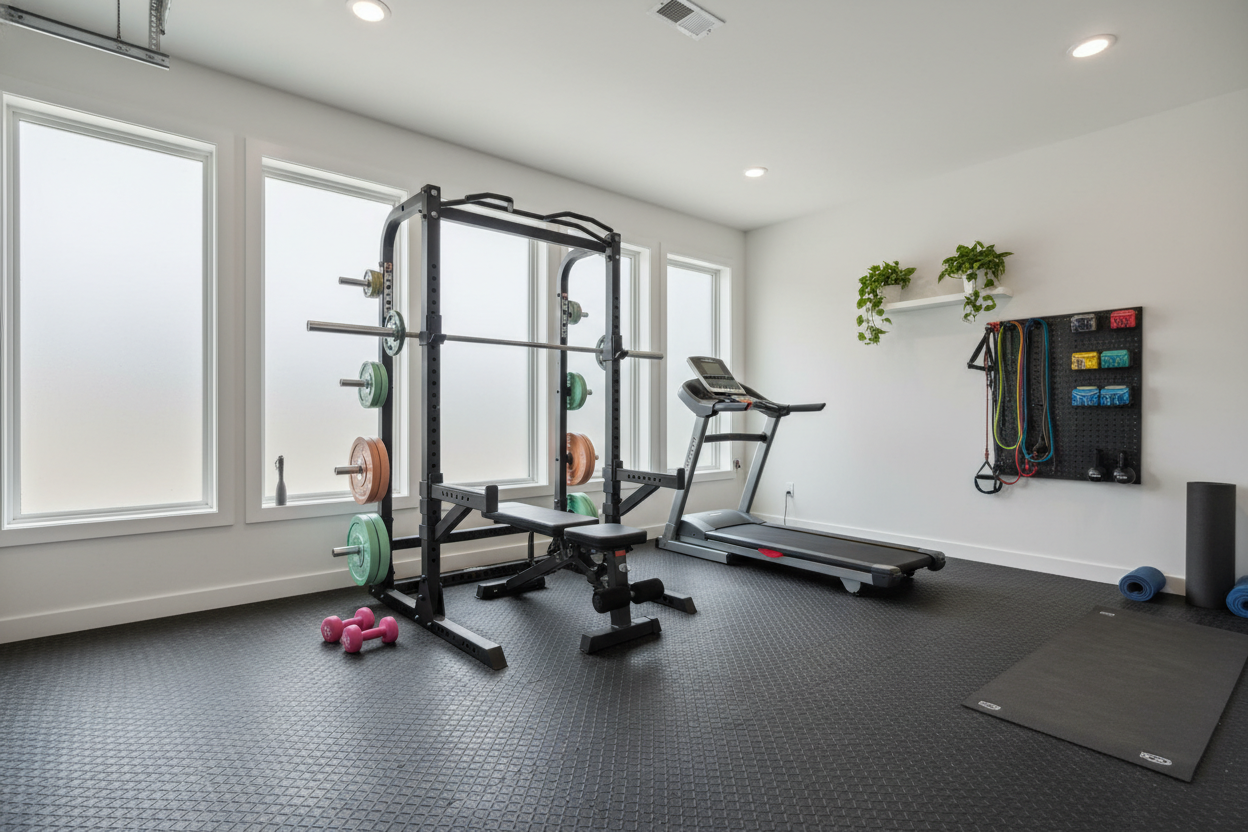
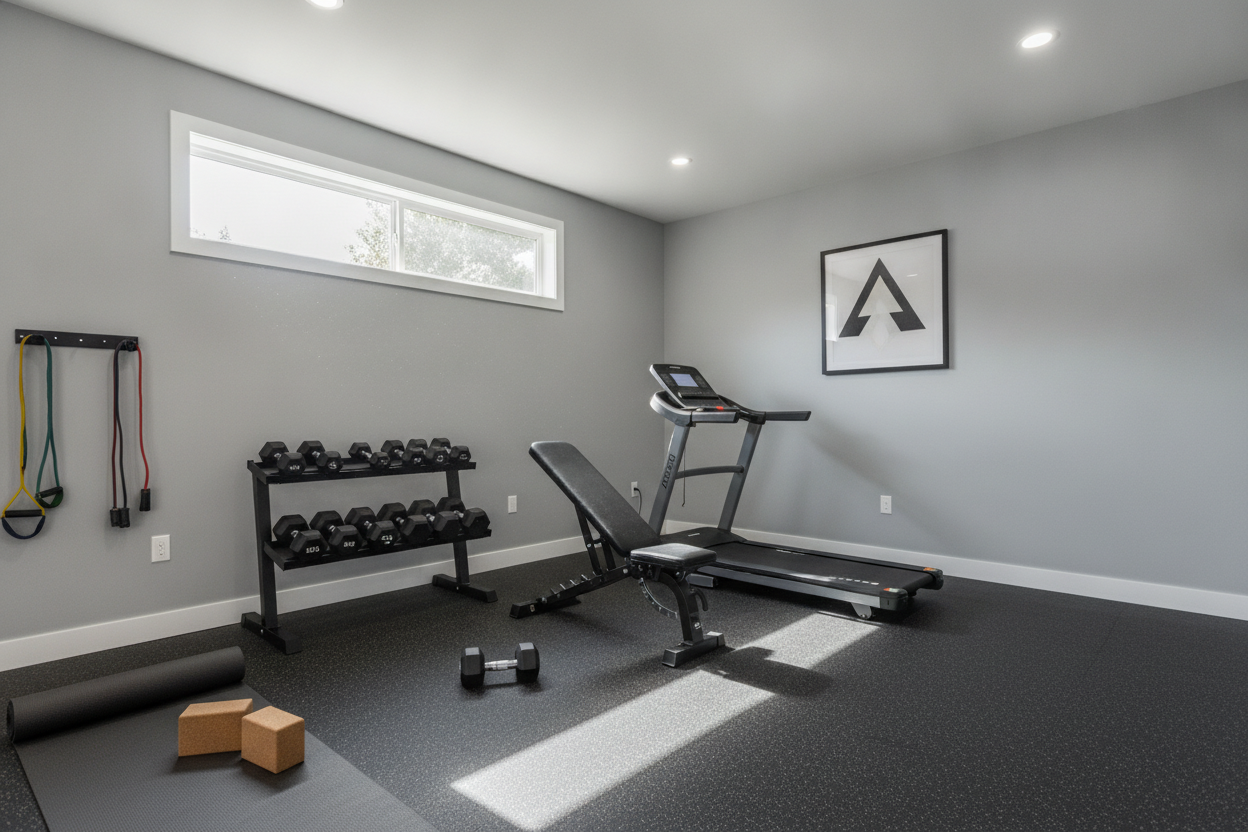
If you think you can just walk into the garage and start pressing, you're asking for a tweak. Aging tendons are like cold rubber bands; they need heat and movement before they'll stretch. I spend at least ten minutes on the floor before I touch a weight. You really need high-quality gym flooring for home workout spaces because cold concrete is a nightmare for your knees and spine during mobility drills.
I personally use a 90/90 hip flow and 'cat-cow' stretches to wake up my spine. I found that investing in a large exercise mat for home gym use was the best twenty bucks I ever spent because it actually gave me the real estate to roll around and get my hips open. If you don't have space to move, you won't do the work. It is that simple.
The 3-Day Blueprint: A Realistic Workout Schedule
You do not need to be in the gym six days a week. In fact, if you're over 50, that's probably the worst thing you can do. Your muscles might recover in 48 hours, but your central nervous system and connective tissues take longer. A workout schedule for men over 50 should focus on a Monday-Wednesday-Friday full-body split.
Focus on one big 'push' (like an overhead press), one 'pull' (like a row), and one 'hinge' or 'squat' per session. Keep the reps in the 8-12 range. This provides enough stimulus for hypertrophy without the joint-crushing weights required for low-rep powerlifting. This is the most effective strength training program for men over 50 because it prioritizes the long game over a temporary ego boost.
Why Ditching the Commercial Gym Might Save Your Tendons
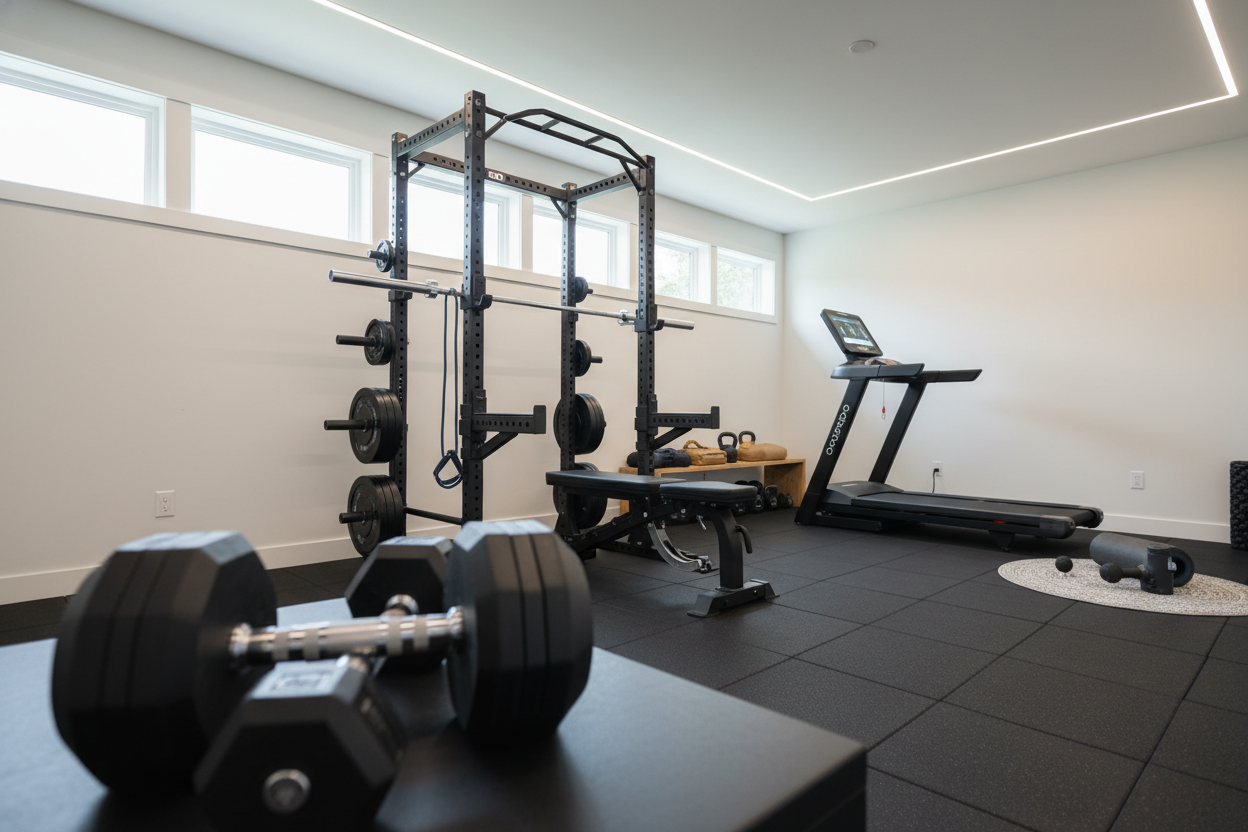
Commercial gym machines are often the enemy of the aging lifter. They lock you into a fixed path of motion. If your shoulder doesn't like that exact 45-degree angle, too bad—the machine forces you through it. A home workout for men over 50 using free weights or adjustable cables is significantly safer. Just like strength training for women over 50 doesn't use machines to get the best results, men benefit from the 'micro-adjustments' that free weights allow.
When you use a dumbbell, your body finds the path of least resistance for your specific anatomy. That freedom of movement is what keeps you out of the doctor's office. Plus, you don't have to wait twenty minutes for some kid to finish scrolling his phone on the only rack in the building.
Personal Experience: The Day I Learned My Lesson
Three years ago, I tried to hit a 315-lb back squat just to prove I still had it. I 'hit' it, but I didn't walk right for a month. I realized then that my identity wasn't tied to a number on a bar, but to my ability to stay active. Now, I stick to heavy kettlebell swings and split squats. My legs are actually bigger now than they were then because I'm never sidelined by injuries. Consistency beats intensity every single time.
FAQ
Is it too late to start lifting if I'm over 50?
Never. In fact, it's more critical now than ever. You just have to start with bodyweight movements and slowly add resistance. Your bone density and heart health will thank you.
Should I do cardio or weights first?
Always lift first. You want your central nervous system fresh for the heavy stuff. Save the walking or steady-state cardio for the end or, better yet, for your 'off' days.
How many sets should I do per muscle group?
Aim for 10-12 hard sets per muscle group per week. Any more than that and you're likely hitting a point of diminishing returns where your body can't recover fast enough to grow.