I Tracked 12 Weeks of Ladies Strength Training — Here's the Reality
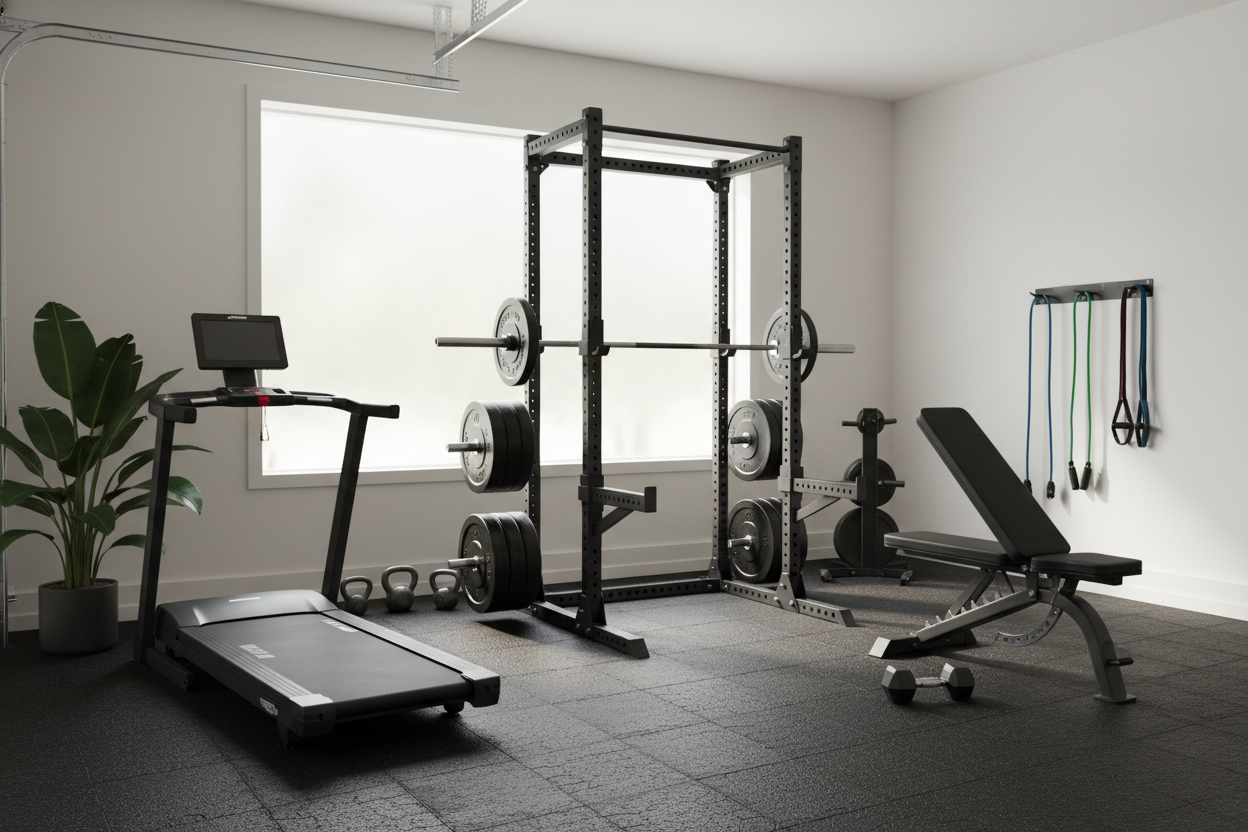
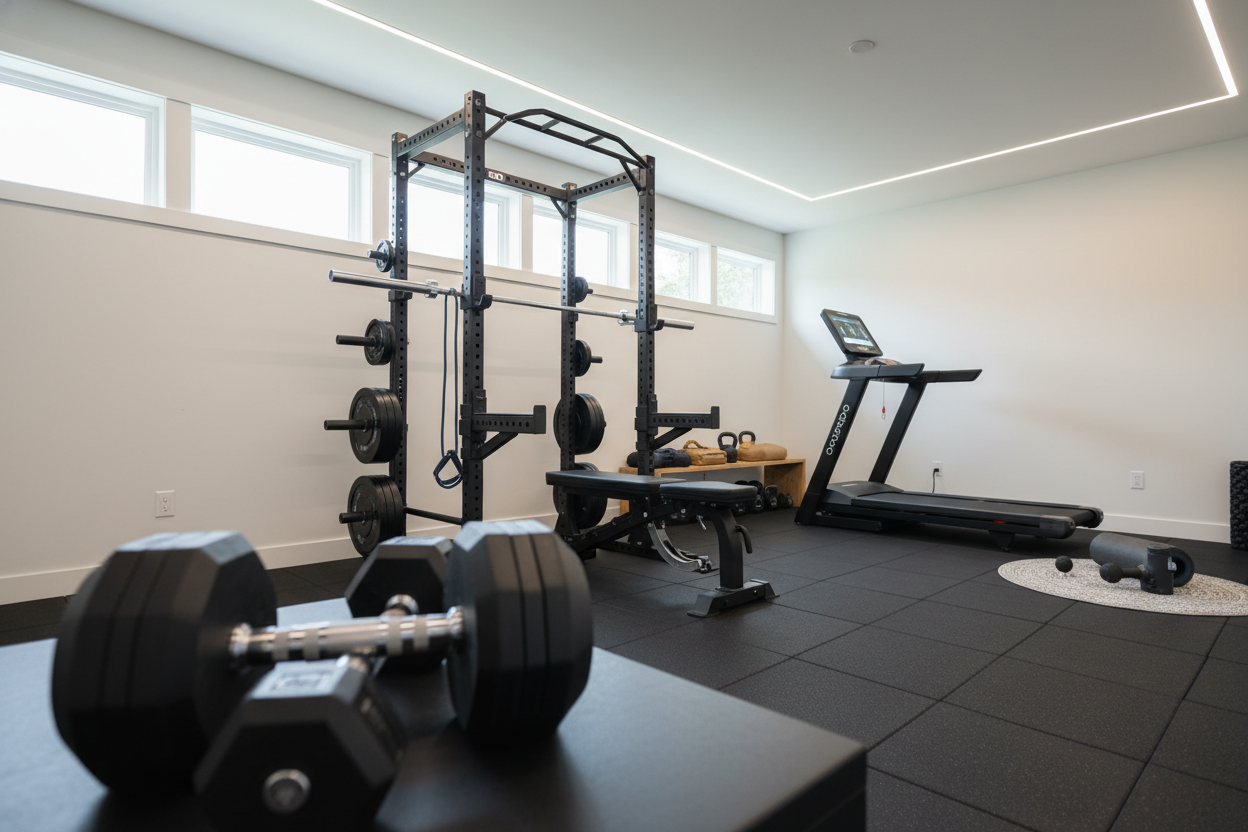
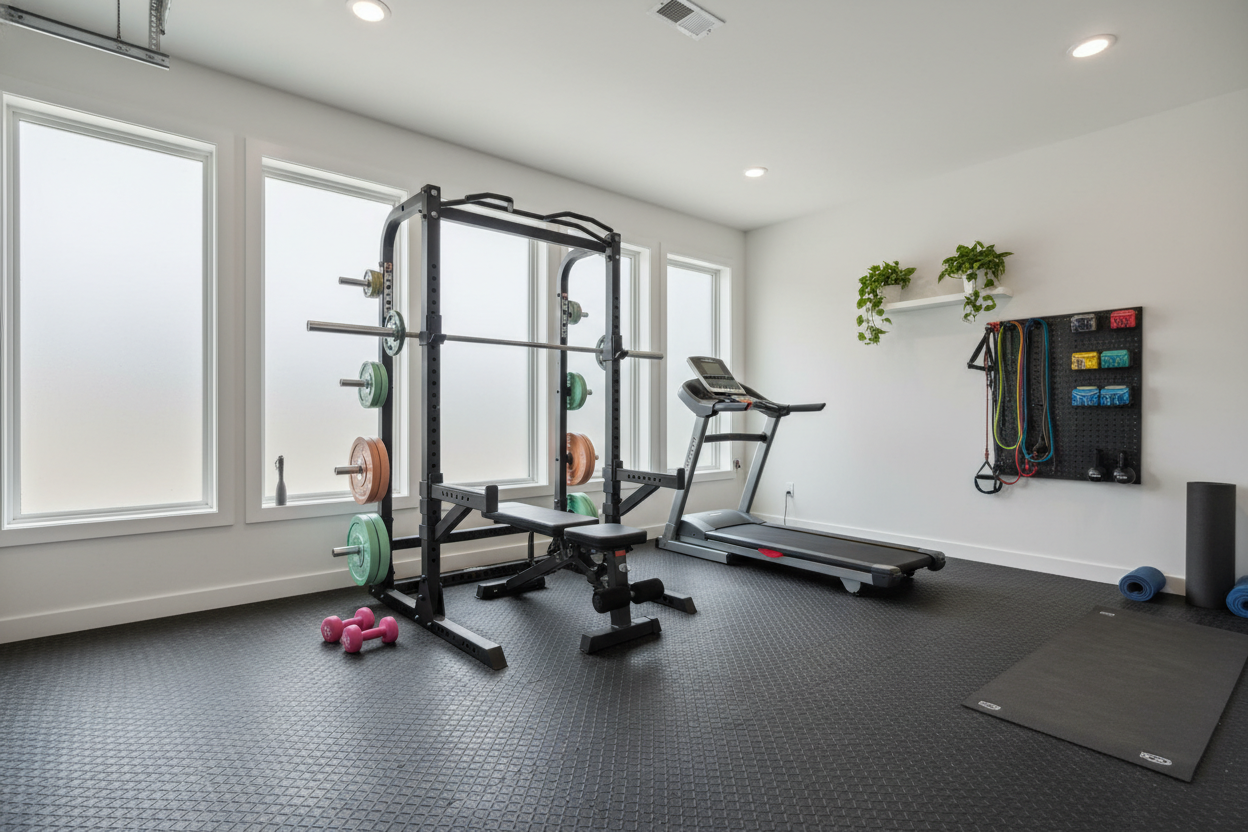
I remember standing in a big-box gym three years ago, staring at the sea of treadmills and feeling like I was stuck on a hamster wheel. I was doing 45 minutes of cardio four days a week, eating like a bird, and my body hadn't changed in six months. I finally ditched the elliptical and committed to a serious program of ladies strength training, and it fundamentally changed how I look at my garage gym setup.
The first few weeks were awkward. I felt like everyone was watching me fail at a deadlift, but the truth is, most people are too busy checking their own form in the mirror to notice yours. If you are tired of the 'toning' classes that never actually change your shape, it is time to look at the 12-week reality of what happens when women actually pick up heavy iron.
Quick Takeaways
- Weeks 1-4 are about your brain, not your muscles. You will feel clumsy, but you are getting stronger.
- The 'bulky' look is a myth; women don't have the testosterone levels to accidentally look like a bodybuilder.
- Body composition changes happen between weeks 5 and 8—your clothes will fit differently even if the scale stays the same.
- Resting metabolism spikes by week 12 as you carry more dense muscle tissue.
The 'Bulky' Myth is Ruining Your Progress
The biggest hurdle for most females lifting weights isn't the physical effort; it's the fear of waking up looking like a pro linebacker. Let's kill that right now. Muscle is dense and takes up about 20% less space than fat. When you focus on muscle training women often find they actually drop a dress size while the scale stays exactly where it is.
To get 'bulky,' you need a massive caloric surplus and a specific hormonal profile that most women simply do not have. Real strength training for women is about building a functional, resilient frame. Those high-rep, low-weight circuits you see in magazines are mostly just cardio in disguise. If you want a change, you have to provide a stimulus that forces your body to adapt.
Weeks 1 to 4: The 'Clumsy' Neurological Phase
In the first month of weight lifting for women, your muscles aren't actually growing much yet. Instead, your central nervous system is learning how to fire. You might feel shaky during a squat or find it hard to balance during a lunge. This is your brain building the 'map' to your muscles. It is the perfect time to Stop Faking It: How to Use Free Weights for Strength Training instead of relying on machines that do the stabilizing for you.
Expect some serious soreness here. Since weight training female beginners are often using new movement patterns, the Delayed Onset Muscle Soreness (DOMS) can be intense. Don't quit. This is the 'break-in' period. By week four, that 'clumsy' feeling disappears and you start feeling 'tight' and capable in your own skin.
Choosing Your Tools: Free Weights vs. Fixed Paths
When you are looking at how to start weightlifting as a woman, you have two main paths: machines or free weights. Machines are great for isolation and building confidence. If you're intimidated by a barbell, starting with Weight Lifting Machines can help you build a baseline of strength without worrying about dropping a plate on your foot.
However, for the best weight lifting for women, you eventually want to move toward independent loads like dumbbells and barbells. These force your core and stabilizer muscles to work, which burns more calories and builds a more 'functional' kind of strength. I usually recommend a 60/40 split for beginners: 60% free weights, 40% machines to round out the session.
Weeks 5 to 8: The Body Composition Shift
This is where the magic happens for female strength training. By week six, the neurological gains are mostly set, and your body starts the process of hypertrophy (building muscle tissue). You might notice your shoulders look more defined or your jeans feel looser in the waist but tighter in the glutes. This is the reality of weightlifting for women: you are becoming more compact.
During this phase of woman weight training, stop obsessing over the scale. Muscle is heavy. If you gain two pounds of muscle and lose two pounds of fat, the scale says 'zero change,' but your mirror says something completely different. This is why resistance training for woman athletes is so effective—it changes the shape of the body rather than just making a smaller version of your current self.
Weeks 9 to 12: The Resting Metabolism Boost
By the third month, you have built enough muscle to actually move the needle on your Basal Metabolic Rate (BMR). Weight training for women creates a body that burns more energy while you are sitting at your desk or sleeping. This is the 'afterburn' effect people talk about. You've moved past the beginner phase and are now into the 'intermediate' territory of women's weight training.
At this stage, you’ll find that daily tasks—carrying groceries, moving furniture, or picking up kids—feel significantly easier. You aren't just 'working out' anymore; you have built a foundation of strength for females that protects your joints and bones as you age.
How to Actually Load the Bar (Without Guessing)
The most common mistake I see in ladies weightlifting is 'under-loading.' If you can do 15 reps and feel like you could have done 10 more, you aren't lifting heavy enough to see a change. You need to learn How to Find the Right Weights for Strength Training Without Guessing so you don't waste your time in the gym.
For most lifts, you should be struggling by the last two reps of your set. If you are training at home, a solid Gxmmat Adjustable Weight Bench is a non-negotiable. It gives you a stable platform for heavy chest presses and rows, which are essential for building that 'V-taper' that makes the waist look smaller. Don't be afraid of the 25-pound dumbbells. They are your friends.
My Personal Lesson: The Ego Check
When I first started heavy resistance training women, I tried to squat 135 pounds because I saw a girl on Instagram do it. I didn't have the core stability yet, and I ended up pinned at the bottom of the rack. It was embarrassing, but it taught me that strength is a ladder, not a leap. I had to swallow my pride, go back to the 15-pound dumbbells, and master the form. Three months later, I hit that 135-pound squat safely. Consistency beats intensity every single time.
FAQ
How many days a week should a woman lift?
Three to four days is the sweet spot. Your muscles grow while you rest, so lifting every single day usually leads to burnout or injury rather than faster results.
Will lifting weights make my breasts smaller?
Breasts are mostly fatty tissue, so if you lose overall body fat, they may change size. However, building the pectoral muscles underneath can actually provide a 'lifted' appearance.
Do I need to take protein powder?
You need protein to build muscle, but it doesn't have to come from a tub. Aim for 0.8 to 1 gram of protein per pound of body weight from whole foods first, and use powder only if you can't hit that goal otherwise.