Why Most Exercise Elderly Folks Do Just Accelerates Aging
I recently watched a 'silver' fitness class at a local community center. It was heartbreaking. A room full of capable adults were sitting in folding chairs, curling 1-pound plastic dumbbells like they were made of glass. If you are looking for exercise elderly folks can actually benefit from, this isn't it. In fact, training that gently often does more harm than good by giving a false sense of security while muscle mass continues to wither away.
We have been told for decades that seniors are 'fragile.' That lie is exactly why so many people lose their independence by 70. You don't stop moving because you get old; you get old because you stop moving like a human being is designed to move. Real resistance and functional mobility are the only ways to fight back against the clock.
- Strength is Safety: Muscle mass is the best predictor of longevity and fall prevention.
- Floor Mobility: If you can't get up from the ground, you aren't truly fit.
- Intensity Matters: You need enough weight to actually challenge your bones and heart.
- Ditch the Chairs: Seated exercise should be a last resort, not the standard.
The Danger of 'Safe' Senior Workouts
The modern fitness industry treats exercise for the elderly like a liability waiting to happen. They prioritize 'safety' to the point of uselessness. Chair aerobics and 1-pound weights fail to provide the mechanical tension needed to stimulate bone density or preserve muscle mass. This is called sarcopenia, and you can't beat it with a foam noodle.
When an elderly exercise program focuses entirely on sitting, it ignores the very muscles needed to stay upright. To keep your bones strong, you need to load them. To keep your heart healthy, you need to occasionally get out of breath. These ultra-gentle elderly exercise routines are essentially teaching people how to be sedentary while moving their arms slightly. It is a recipe for physical decline disguised as wellness.
Why the Floor is Your Best Training Tool
The single most important physical skill for anyone over 65 is the ability to get down to the floor and back up again without help. In the clinical world, we call this the 'sitting-rise test,' and it is a massive predictor of all-cause mortality. If you can do it, you're in the clear. If you can't, we have work to do.
Practicing this doesn't require a fancy gym membership. It requires a safe, cushioned surface. Investing in a large exercise mat for home gym use is the first step. You start by getting to your knees, then to a seated position, then back up using a sturdy chair for balance. Eventually, you do it unassisted. This is the foundation of senior fitness routines that actually save lives. It builds hip mobility, core stability, and the confidence that a fall isn't a life-ending event.
3 Movements Every Older Adult Actually Needs
Forget the complicated machines. A solid exercise plan for seniors should focus on three foundational patterns that translate directly to real life. First is the sit-to-stand. This is just a squat, but we use a chair or bench as a depth gauge. It's how you keep the ability to use the bathroom and get out of a car independently.
Second is the heavy carry. Pick up a pair of dumbbells or even two jugs of water and walk for 30 seconds. This builds 'grip-to-hip' stability. Third is the supported row. Pulling something toward your chest keeps your posture from collapsing into that 'old age' slouch. These fitness exercises for seniors aren't about getting six-pack abs; they are about maintaining the hardware you need to live your life.
Free Weights vs. Padded Machines
I see it all the time: seniors head straight for the circuit machines. While machines have their place, relying on them entirely is a mistake. Machines stabilize the weight for you. In the real world, nothing is stabilized. If you trip on a rug, there isn't a steel frame to catch you. You need your stabilizer muscles to be awake and firing.
Instead of searching for the best exercise machines for home and gym that lock you into a fixed path, look for tools that force you to balance. Dumbbells, kettlebells, or even resistance bands require you to control the movement in three dimensions. This builds the neurological pathways that prevent falls. If you are doing an older adult workout, you want to be the one doing the balancing, not the machine.
Building a Real Home Setup Without Breaking the Bank
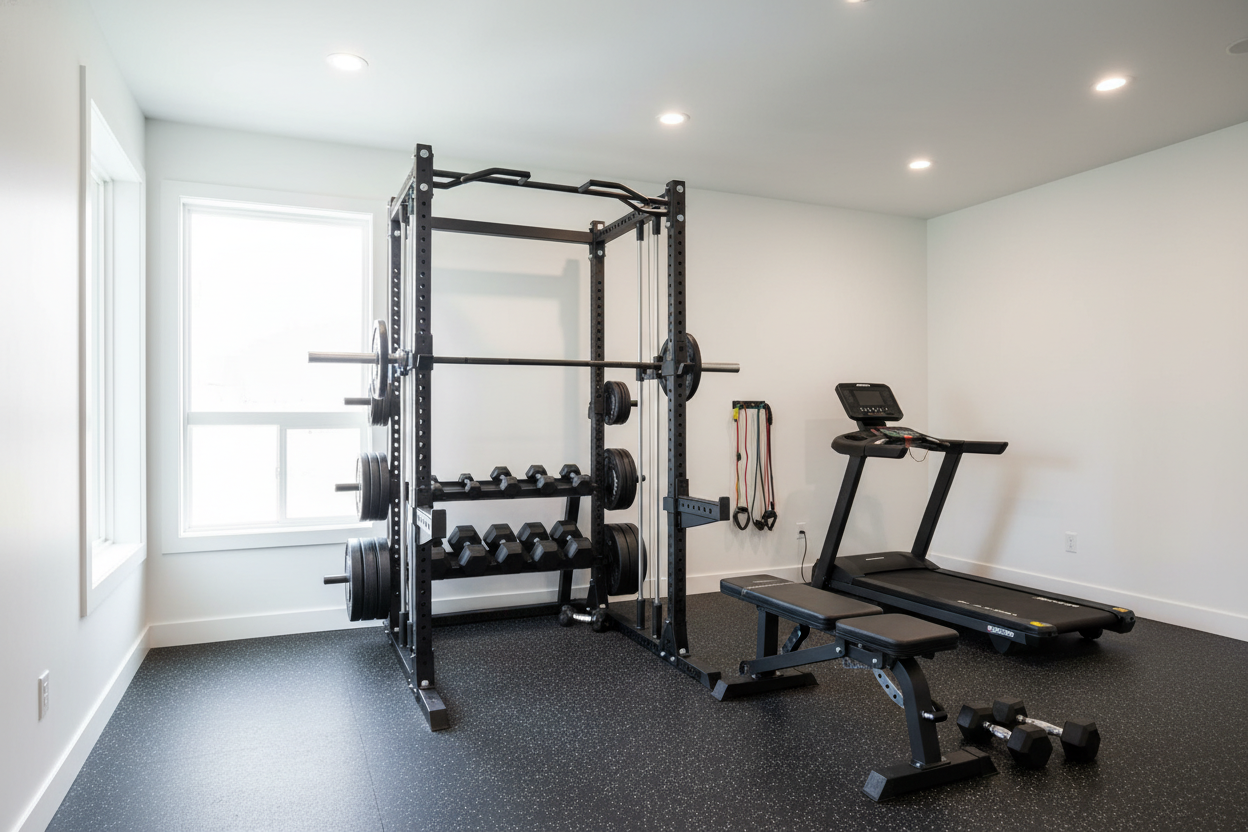
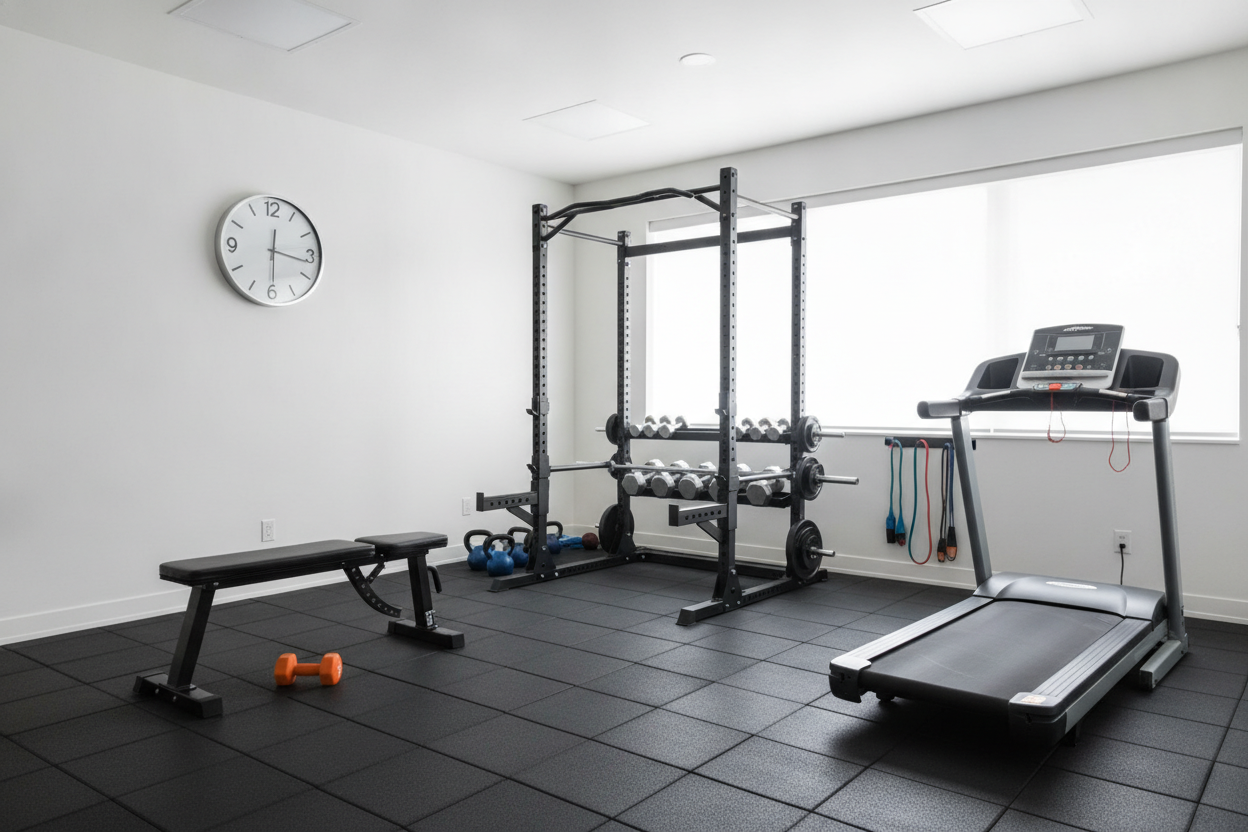
You don't need a 2,000-square-foot garage gym to get a result. Most senior fitness workouts can be done in a 6x8 foot space. The key is quality over quantity. You need a floor that won't slip, a sturdy chair without wheels, and a few progressive weights. Commercial gyms can be intimidating, loud, and frankly, a bit gross. Training at home removes those barriers.
Start by laying down solid gym flooring for home workout sessions. This gives you the traction you need so you aren't slipping on hardwood or tripping on carpet. Add a set of adjustable dumbbells or a few kettlebells, and you have a better setup than 90% of the 'senior centers' out there. This is how you build a fitness program for senior citizens that actually produces a stronger, more resilient human being.
My Experience Training My 72-Year-Old Dad
I'll be honest: I almost messed this up with my own father. When he first asked for a workout program for seniors, I went too easy on him. I was scared he'd hurt his back. After a month, he wasn't any stronger, and he was getting bored. I realized I was treating him like a patient, not an athlete.
We swapped the light bands for a 20-pound kettlebell and started doing goblet squats. The change was instant. His posture improved, his knee pain actually decreased because his quads were finally doing their job, and he felt a sense of pride he didn't get from 'stretching.' The mistake most people make is underestimating what the older body is capable of. Once I stopped babying him, he started thriving.
Frequently Asked Questions
Is it safe to lift weights if I'm over 70?
Yes, and it's actually riskier NOT to lift. Sarcopenia and osteoporosis are the real threats. Start with movements you can control, focus on form, and gradually increase the weight. Strength training is the closest thing we have to a fountain of youth.
What is the best exercise class for seniors?
Look for classes that emphasize 'functional' movement or 'strength and balance.' If the class is 100% seated or only uses 1-pound weights, it might be okay for social hour, but it won't build the physical resilience you need. Look for coaches who understand progressive overload.
How many days a week should an older person exercise?
Consistency beats intensity. Aim for 3 days of strength training (about 30 minutes) and 2-3 days of walking or active movement. Recovery takes a bit longer as we age, so listen to your joints, but don't use 'rest' as an excuse to do nothing.