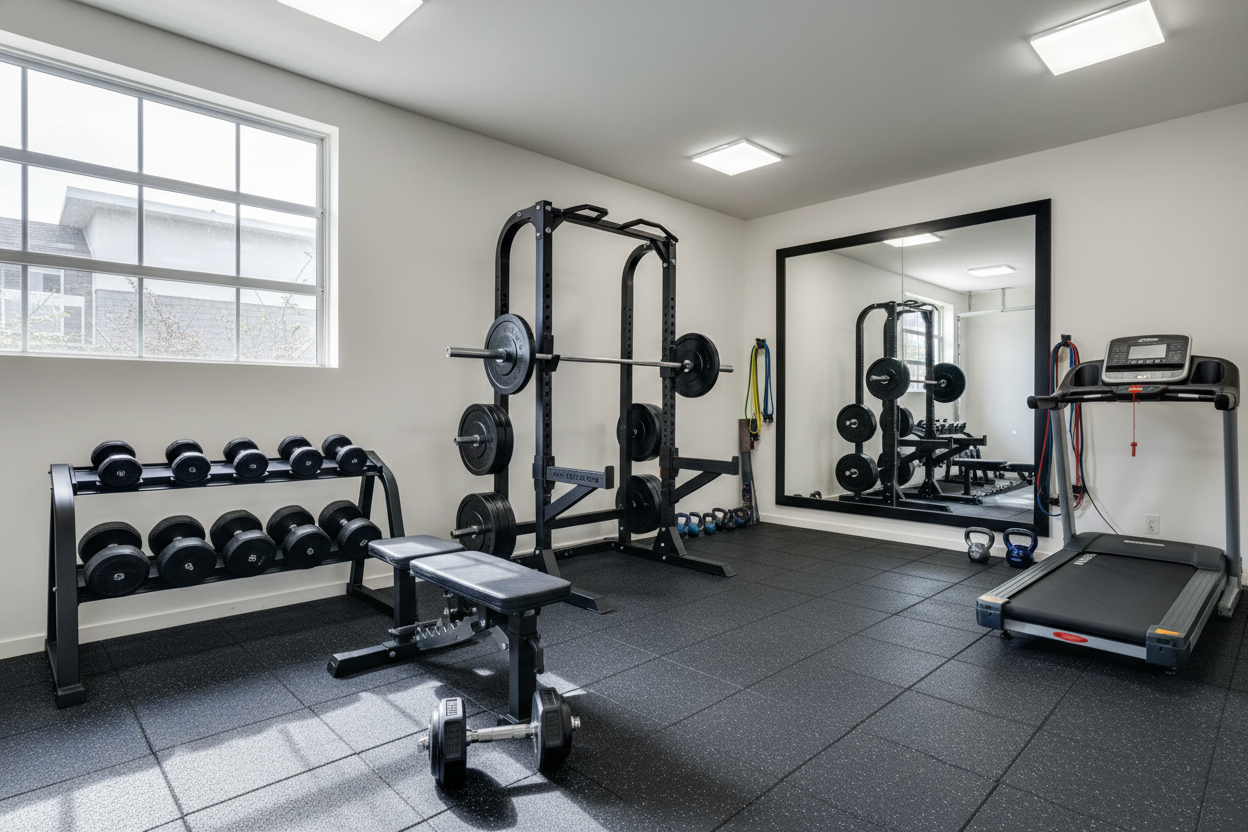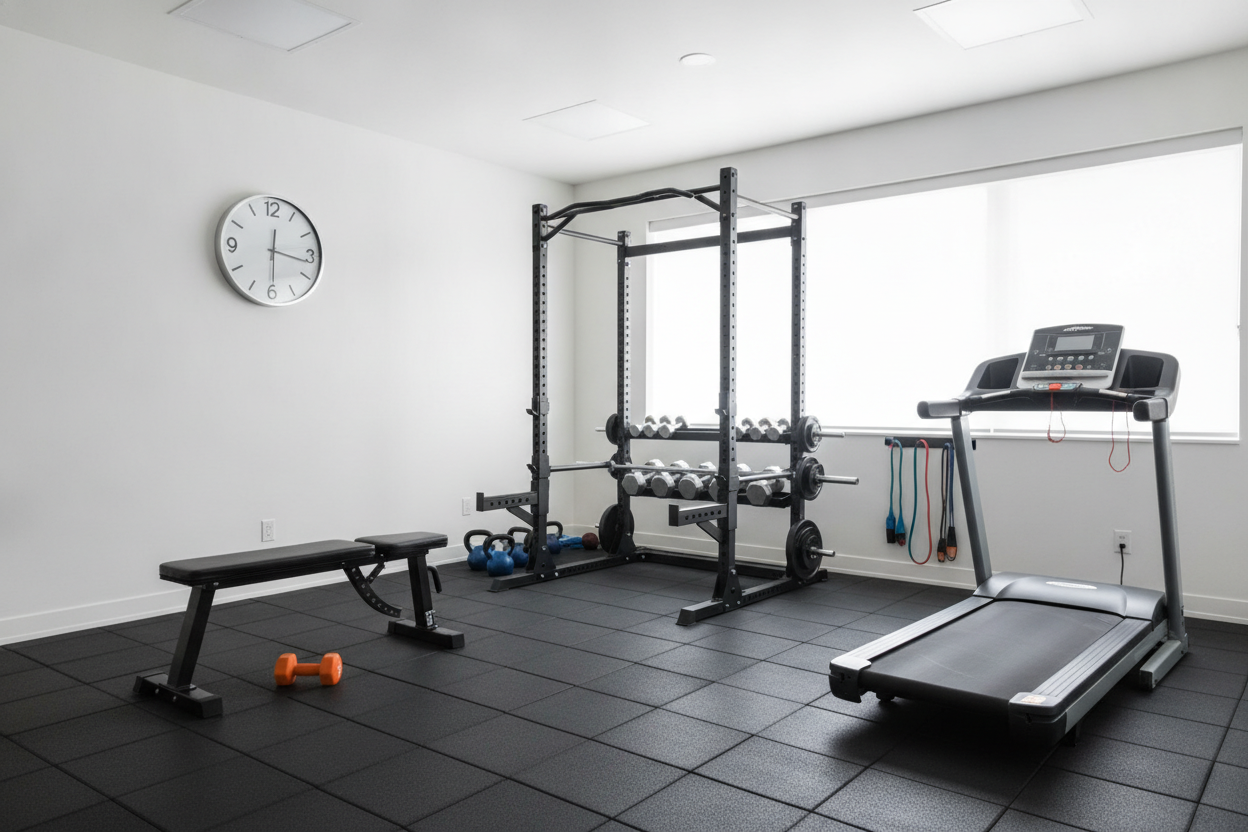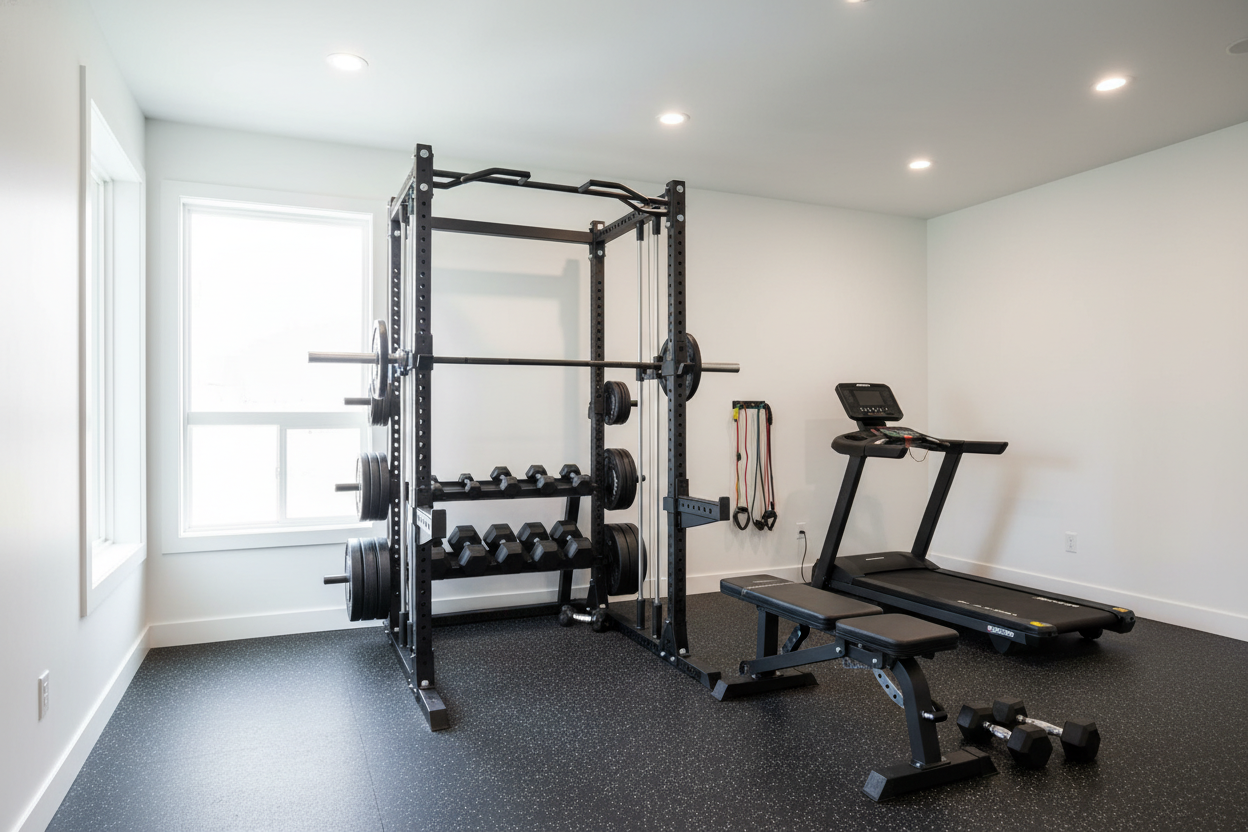
Ditch the Fluff: Real Strength Exercises Home Lifters Rely On
I watched a guy on Instagram do 50 burpees in a row last week and call it 'strength training.' It wasn't. It was just a really hard way to get out of breath. If you're serious about strength exercises home setups, you need to stop chasing the 'burn' and start chasing mechanical tension. Most people fail at home because they treat their living room like a Zumba class instead of a weight room.
I’ve spent the last decade dragging iron into garages and spare bedrooms. I’ve bought the cheap adjustable dumbbells that rattled like a box of Legos and eventually upgraded to a real rack. The truth is, you don't need a 2,000-square-foot commercial space to get strong, but you do need to stop doing junk reps.
Quick Takeaways
- Mechanical tension is the primary driver of growth, not just getting sweaty.
- Slow down your reps—a 3-second eccentric (lowering phase) changes everything.
- Unilateral movements (one leg or arm at a time) double the usefulness of your weights.
- If your feet are sliding on the floor, you aren't lifting heavy enough.
The Difference Between Breaking a Sweat and Building Muscle
Doing 100 air squats is a decent way to warm up, but it’s a terrible way to build a set of wheels. When we talk about weight training at home, we have to distinguish between metabolic fatigue and muscular failure. Your lungs giving out before your quads do is cardio, not strength training.
To actually trigger hypertrophy and strength gains, you need to recruit high-threshold motor units. This happens when the load is heavy enough or the movement is difficult enough that your muscles are forced to adapt. If you can do more than 20 reps of an exercise without feeling like your form is about to break, the resistance is too low. You aren't building muscle; you're just practicing being tired.
How to Strength Train at Home Without Treating It Like a Warm-Up
The biggest hurdle for the home lifter is the lack of a full dumbbell rack. When you only have a pair of 25s or 50s, you have to get creative with progressive overload. You can’t always just 'add more weight,' so you have to manipulate other variables like tempo and leverage.
Try adding a 2-second pause at the bottom of every chest press or squat. This removes the 'bounce' or elastic energy and forces the muscle to do all the work from a dead stop. You can also fit real strength training equipment at home even in a tiny apartment if you prioritize high-yield gear like a solid bench and adjustable bells. Don't let a small footprint be the reason you settle for pink plastic weights.
The 4 Best At Home Strength Exercises You Probably Aren't Doing
If I had to strip a program down to the bare essentials that actually force your central nervous system to wake up, it would be these four. First: the Deficit Push-Up. Put your hands on a couple of sturdy books or handles to increase the range of motion. That extra two inches of stretch at the bottom hits the pectorals harder than a standard bench press ever could.
Second: Bulgarian Split Squats. They are miserable. You will hate them. But putting one foot up on a chair and squatting with the other is the fastest way to turn a light dumbbell into a heavy-duty leg builder. It removes the stability of the second leg and forces your stabilizers to redline.
Third: The Weighted Carry. Grab the heaviest thing you own—a sandbag, a suitcase, a 50-lb dumbbell—and walk. It builds 'farm boy strength' and a core that feels like a brick wall. Fourth: The Floor Press. If you don't have a bench, lie on the floor. It limits the range of motion, which actually allows you to move heavier loads and save your shoulders from unnecessary strain.
Creating Stability for Heavy Lifts
You cannot produce maximum force if your foundation is shaky. I’ve tried doing heavy goblet squats on a hardwood floor in socks, and it’s a recipe for a groin pull. To do the best weight training at home, you need a surface that bites back. A dedicated 6x8ft exercise mat is a non-negotiable if you’re moving anything heavier than a remote control.
Having a large exercise mat for home gym use doesn't just protect your floor from dropped weights; it creates a psychological 'work zone.' When I step onto the mat, the distractions of the house disappear. It provides the grip needed for rear-foot elevated splits and heavy carries where any slipping results in a failed set.
The Secret to Outlasting the 3-Week Burnout Phase
Most people quit because they treat in home strength training as an optional activity. They wait for motivation to strike. I’ve found that the only way I stuck to a strength training routine at home was by tracking my numbers like a hawk. If I did 8 reps with the 50s last week, I’m doing 9 this week. No excuses.
Don't fall into the trap of 'everything has to be perfect.' Some days you’ll only have 20 minutes. Fine. Do two sets of heavy squats and one set of push-ups to failure. That’s infinitely better than skipping the session because you couldn't do your full 60-minute circuit. Consistency beats intensity every single time.
Personal Experience: The 'Cheap Gear' Tax
Early on, I bought a set of plastic-coated, sand-filled weights because they were $40 cheaper than the cast iron ones. Within three months, the sand started leaking out of the seams, and the handles were so thick I couldn't even grip them properly for rows. I ended up buying the iron weights anyway, effectively paying a 'cheap tax.' Buy the good stuff once. Your joints and your progress will thank you.
FAQ
How can I do strength training at home with no equipment?
Focus on leverage. A standard push-up is easy? Do them one-handed or with your feet elevated on a wall. Use tempo—5 seconds down, 5 seconds up. You can reach failure without iron if you make the physics of the movement work against you.
How to increase strength at home quickly?
Stop changing your workout every day. Pick 5 big movements and do them for 6 weeks straight. Aim to add one rep or one pound every single session. That’s how you increase strength at home, not by 'confusing' your muscles with random YouTube videos.
What is strength training at home for beginners?
It’s about learning the hinge, the squat, the push, and the pull. Master the form of a bodyweight squat and a hinge (like a deadlift motion) before you add load. Once the movement pattern is locked in, add weight as fast as your form allows.