Why Most Diets to Gain Muscle Mass Make You Quit in Week Two
I remember the first time I decided to get serious about my diets to gain muscle mass. I went to the grocery store, bought twenty pounds of tilapia, five bags of brown rice, and enough broccoli to feed a small forest. By Wednesday, my kitchen smelled like a pier in July, and I was so bored of chewing that I considered blending my meals. I quit by Friday. Most people do the same because they treat eating for growth like a prison sentence rather than a simple math problem.
Quick Takeaways
- Stop overhauling your entire pantry overnight; it’s the fastest way to burn out.
- The 'Baseline Plus' method involves adding calories to what you already eat, not starting from scratch.
- Carbohydrates are your best friend for heavy lifting sessions, not something to be feared.
- If your scale weight is jumping five pounds a week, you're likely gaining fat, not lean tissue.
- Your equipment needs to be as reliable as your nutrition if you want to see actual progress.
The Problem With the 'Overhaul' Approach to Eating Big
The biggest mistake I see in the garage gym community isn't a lack of effort; it's an excess of it in the wrong direction. You decide you want a muscle gain diet, so you delete your favorite foods and replace them with 'clean' staples you actually hate. Within 14 days, flavor fatigue sets in. Your brain starts craving anything with a soul, and suddenly that box of donuts in the breakroom looks like a five-course meal. This hyper-restrictive bodybuilding mindset is a relic of the 90s that needs to stay buried.
When you force yourself into a rigid, soul-crushing plan, your digestive system often rebels too. Suddenly you’re bloated, lethargic, and have zero appetite. If you can't stomach the food, you can't hit the surplus. A muscle mass gain diet shouldn't feel like a chore that makes you dread sitting down at the table. It should feel like your normal life, just with a bit more horsepower behind every meal. If you’re choking down dry chicken breasts at 10 PM just to hit a number, you’ve already lost the battle of consistency.
The 'Baseline Plus' Method: Adding Instead of Subtracting
Instead of throwing out your entire fridge, try the 'Baseline Plus' method. This is how I actually built my base without losing my mind. Look at what you’re eating right now—the meals you actually enjoy and can cook without thinking. Now, how do we add 500 calories to that without changing the menu? It’s infinitely easier to add a tablespoon of olive oil to your pasta or an extra scoop of rice to your bowl than it is to prep six new micro-meals a day. This is the secret to a proper diet to gain muscle that lasts longer than a fortnight.
Think about how to build muscle by eating stuff that doesn't make you miserable. If you like tacos, eat four instead of three. If you have a morning smoothie, add two tablespoons of almond butter. You’re looking for high-quality fats and dense carbs that don't take up massive amounts of volume in your stomach. This keeps your digestion moving and prevents that 'perpetually full' feeling that kills most bulks. This approach makes healthy eating for muscle gain feel like a natural progression rather than a lifestyle overhaul.
Carbs Fuel the Heavy Lifts, Protein Fixes the Damage
We’ve been conditioned to fear carbs, but if you’re training in a garage gym with real intensity, carbs are your primary fuel source. A balanced diet for muscle growth needs to prioritize glucose when it matters most: before and after you train. I like to keep my protein intake steady—roughly 0.8 to 1 gram per pound of body weight—but I fluctuate my carbs. On heavy squat or deadlift days, I’m pushing the rice and potatoes hard. This ensures that my training weight for real muscle growth keeps moving up, rather than stalling because I’m running on fumes.
Protein gets all the glory, but it’s the construction crew, not the bricks. You need enough to repair the damage, but eating 300 grams of protein won't make you grow faster; it’ll just make your grocery bill higher and your sweat smell like ammonia. Focus on a good diet to gain muscle by timing your starches around your workout window. When you have that glycogen in your system, you can push those final reps where the actual growth happens. This is the core of how to eat to gain muscle without feeling like a sluggish mess during your workday.
Are You Gaining Tissue or Just Getting Sloppy?
Here is the reality check: a healthy diet for muscle growth shouldn't make you look like a marshmallow in six weeks. If the scale is jumping up five pounds every time you step on it, you aren't building a mountain of muscle; you’re just getting fat. A true muscle mass gain diet is a slow burn. You’re looking for a gain of maybe 0.5 to 1 pound a week. Anything faster than that is usually just water and adipose tissue. You want to see your strength metrics climbing alongside your body weight.
I always tell people that the best indicator of a successful bulk isn't the mirror—it's the logbook. If you find yourself consistently buying more plates for your workouts because the old ones feel light, your diet is working. If you’re just getting 'fluffy' but your bench press is stuck at 185, you’re just overeating. Diets to gain muscle and weight need to be tied to performance. If the performance isn't there, the extra calories are just going to your waistline. Stay disciplined with a balanced diet to build muscle, and don't let a 'dirty bulk' become an excuse for poor choices.
Your Diet Only Works if Your Setup Matches Your Effort
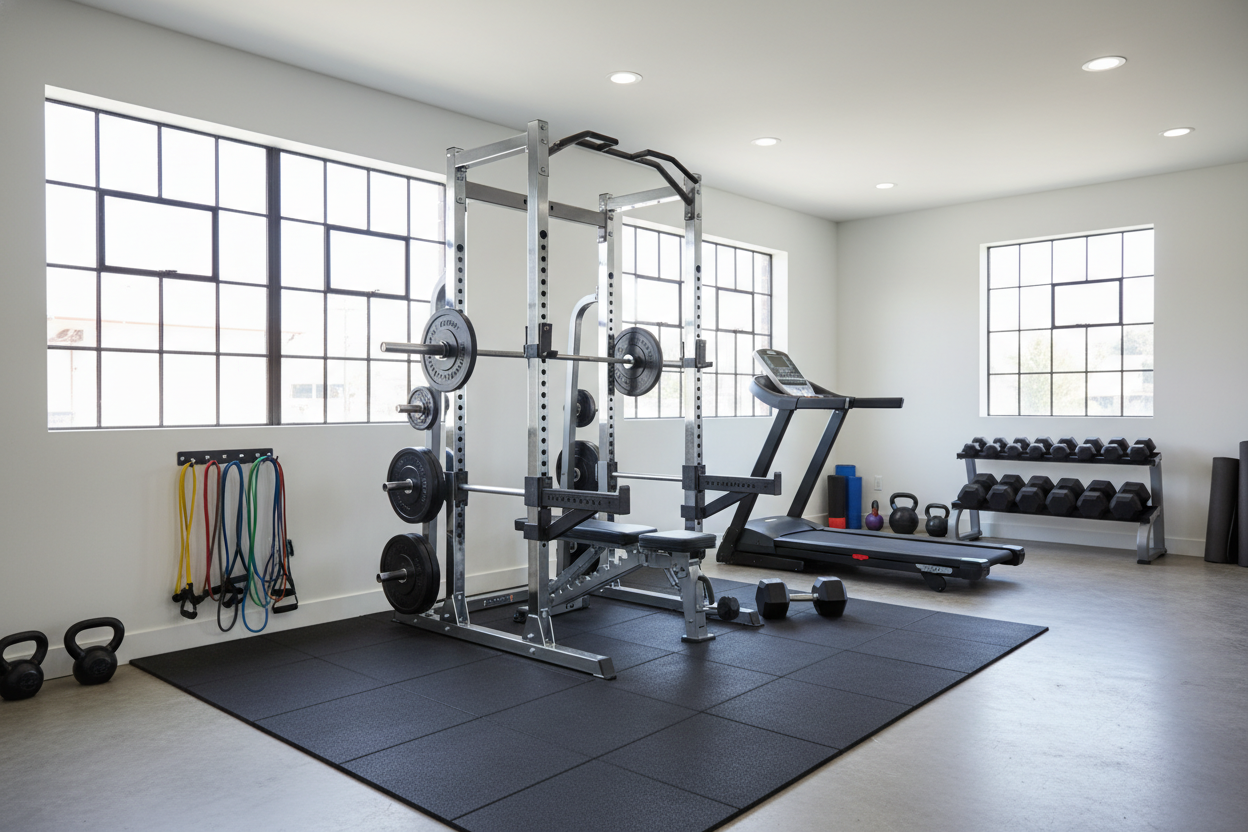
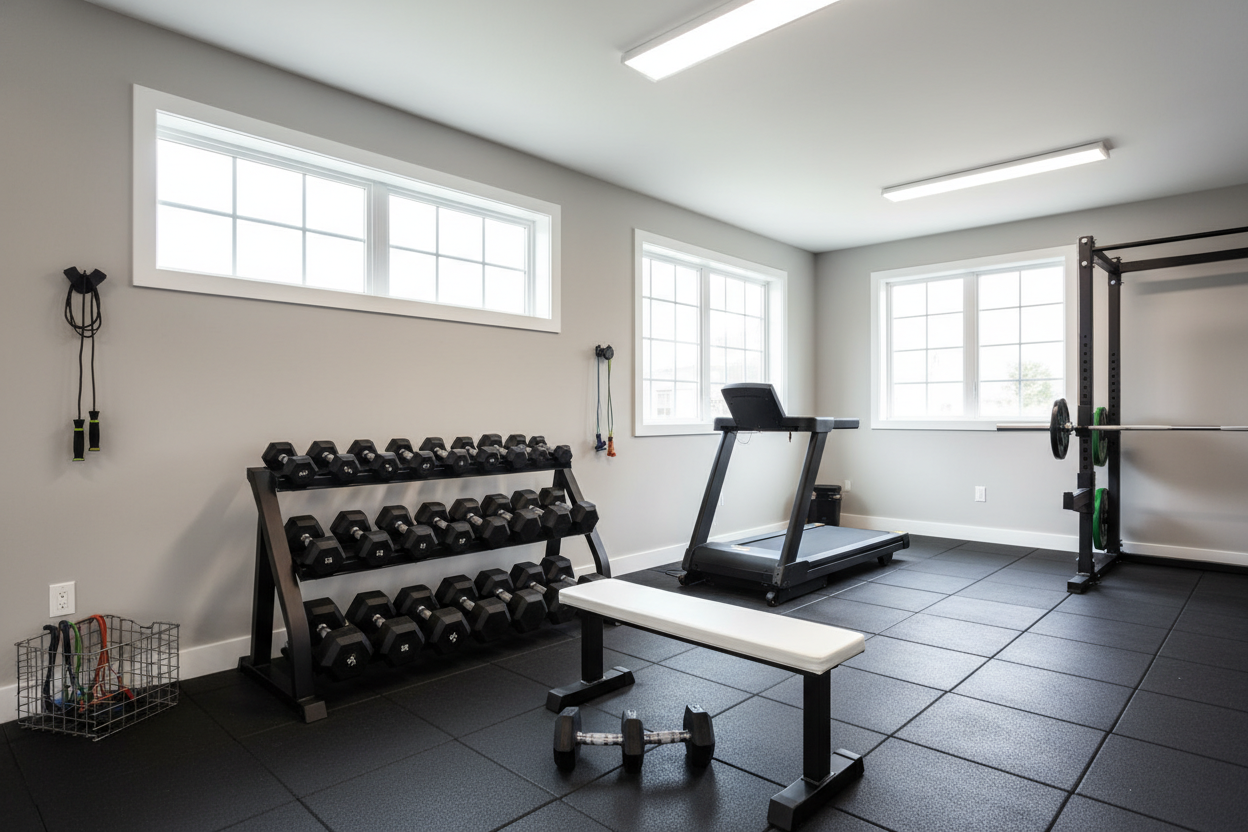
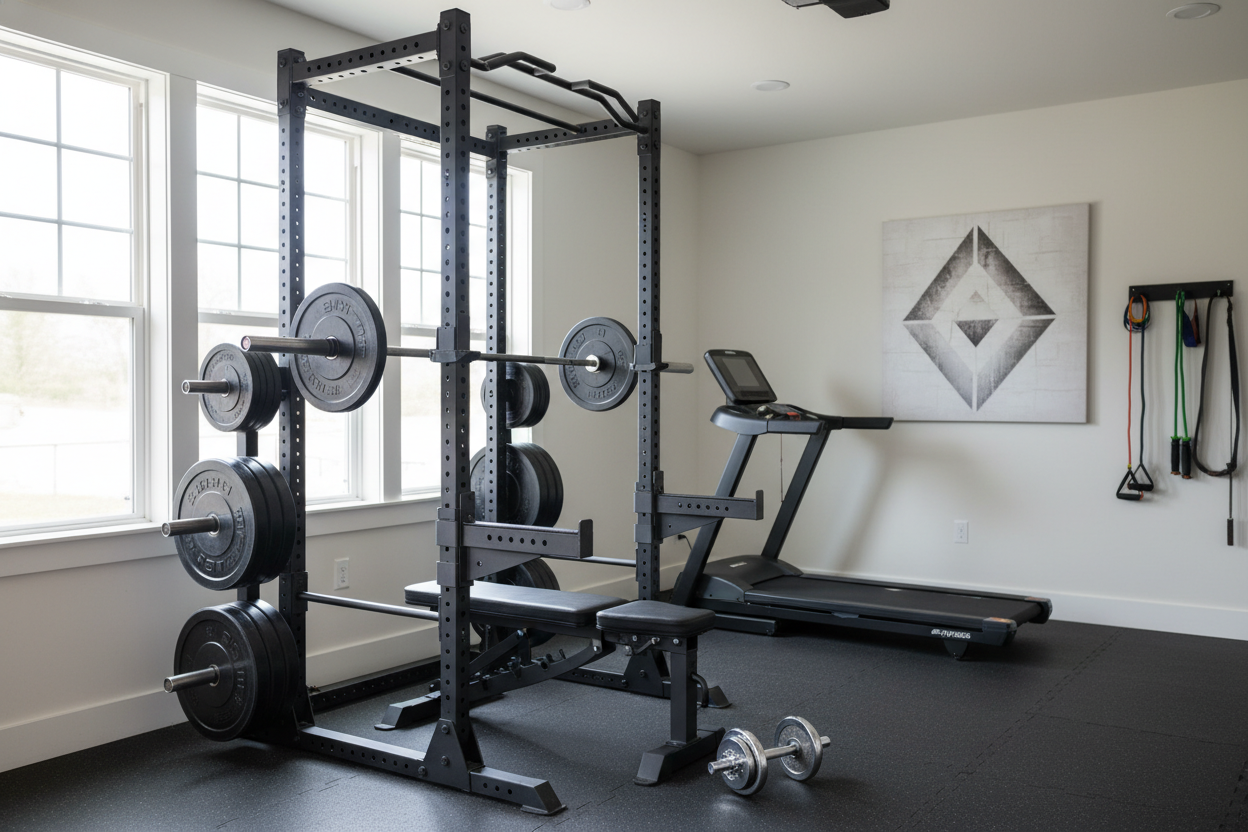
You can eat all the grass-fed beef and organic sweet potatoes in the world, but if you’re training on a rickety bench that wobbles when you hit 200 pounds, you’re going to stall. To make a good diet for gaining muscle actually pay off, your environment has to support heavy, safe lifting. I’ve seen guys try to bulk up while using a plastic-capped barbell that feels like it’s going to snap. You need a foundational weight set and bench that can actually handle the increased loads you’ll be moving as you get bigger.
When you’re in a caloric surplus, your recovery is better, which means you can handle more volume and different angles. This is the time to utilize a solid adjustable weight bench to hit incline and decline movements securely. If you’re worried about the equipment failing, you’ll never fully commit to the lift. The perfect diet for muscle gain is only half the equation; the other half is having the hardware that allows you to push to failure without ending up in the ER. Build your kitchen habits and your gym floor with the same level of quality.
Personal Experience: The 5,000 Calorie Failure
A few years back, I fell for the 'eat everything in sight' trap. I was drinking a gallon of milk a day and eating peanut butter out of the jar with a spoon. I gained 20 pounds in two months, sure. But my blood pressure spiked, I couldn't breathe when tying my shoes, and my 'muscle' was mostly just a bloated stomach. I had to spend the next four months dieting off the fat I shouldn't have gained in the first place. Now, I stick to a 300-500 calorie surplus above maintenance. It's slower, but I actually keep the gains and feel like an athlete, not a balloon.
FAQ
How many calories do I really need to gain muscle?
Most people thrive on a surplus of 250 to 500 calories above their maintenance level. If you're a 'hard gainer,' you might need more, but start small to avoid excessive fat gain.
Can I build muscle on a vegan diet?
Yes, but you have to be more calculated with your amino acid profiles. Beans, lentils, and soy are staples, but you'll likely need a high-quality pea protein supplement to hit your targets without eating massive amounts of fiber that can bloat you.
Is a 'dirty bulk' ever worth it?
Rarely. Unless you are severely underweight or a professional strongman, 'dirty bulking' usually leads to poor insulin sensitivity and a lot of extra cardio later to burn off the fat. Stick to nutrient-dense foods 80% of the time.
How much protein do I actually need?
The sweet spot for most lifters is 0.8g to 1g of protein per pound of body weight. Anything over that is usually just expensive fuel that your body will convert to energy anyway.