For These 3 Exercises Shoulder Muscles Need 30 Reps
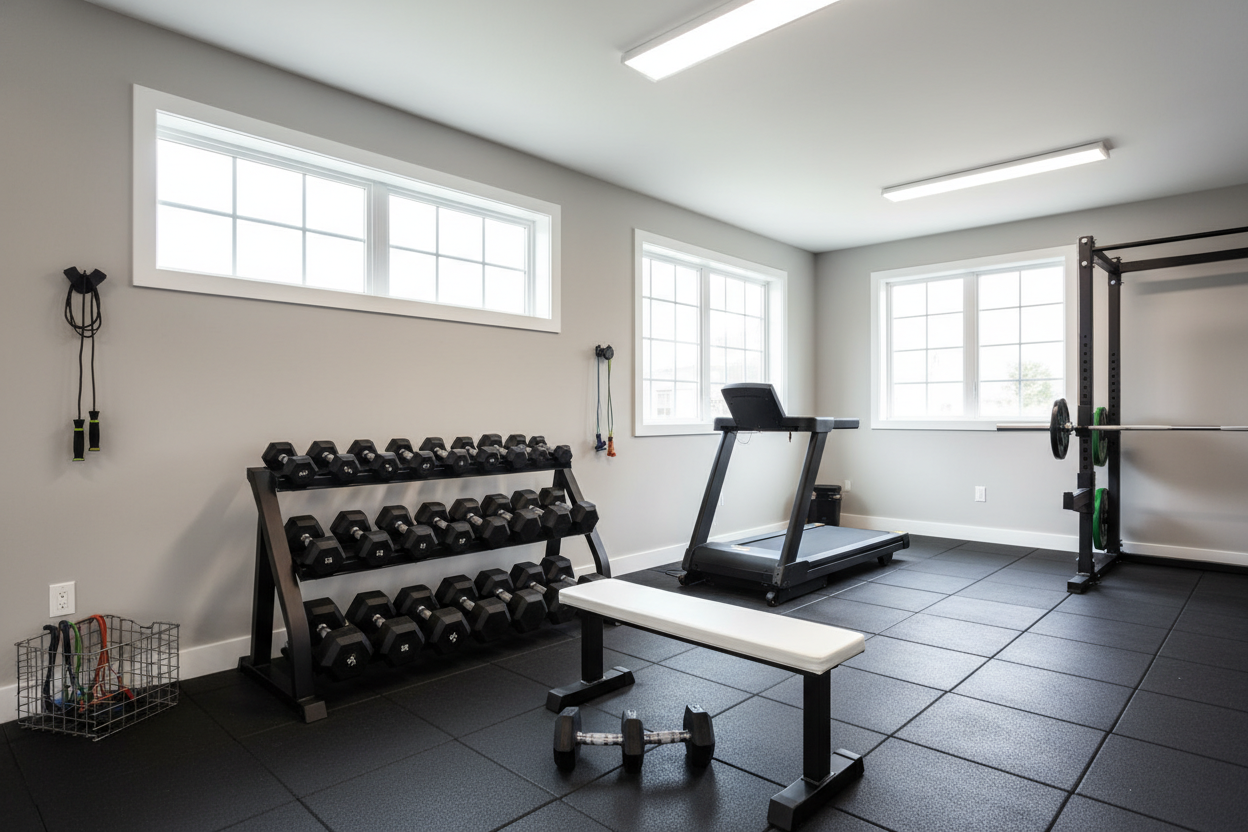
I remember staring at my rack of hex dumbbells, grabbing the 35s for lateral raises because that is what the 'big guys' in the magazines did. My shoulders did not get bigger; my traps just got tighter and my lower back started to ache from the rhythmic swinging. If you want to know which exercises shoulder muscles actually respond to, you have to stop lifting with your ego and start counting to thirty.
Quick Takeaways
- Lateral and rear delts are endurance-heavy muscles that thrive on high volume.
- Heavy weights usually force the traps and lower back to take over the movement.
- The 20-to-30 rep range maximizes metabolic stress for shoulder growth.
- Strict isolation is the only way to build that 'capped' 3D look.
The Heavy Weight Trap: Why Your Form Is Falling Apart
We have all seen it. The guy in the gym grabbing the 50-pound dumbbells for side raises, only to perform a weird, aggressive hip-thrusting dance that looks more like a seizure than a shoulder workout. When you pick up a weight that is too heavy for the medial deltoid to handle, your body finds a workaround. It is called 'body English,' and it is the enemy of growth.
The moment you use momentum, you are no longer doing shoulder exercises; you are doing a full-body explosive movement. Your traps are incredibly strong and they love to take over. If you feel your neck straining or your traps shrugging up toward your ears before your delts even start to burn, the weight is too heavy. I have spent years in my own garage gym chasing numbers on the overhead press, but my side delts stayed flat until I put the heavy iron down and picked up the 'pink' dumbbells.
High-rep shoulder muscle exercises force you to stay in the pocket. You cannot cheat a 30-rep set with momentum because the sheer volume of reps will eventually demand strict recruitment of the target muscle. It is about how to exercise shoulder heads individually, not how to move a heavy object from point A to point B by any means necessary.
The Science of Slow-Twitch: Why Delts Crave High Volume
The lateral and posterior heads of the deltoid are unique. Unlike the chest or quads, which have a more balanced or fast-twitch dominant profile, the shoulders are built for endurance. Think about it: your shoulders are active in almost every upper-body movement and stabilize your arms all day long. This high percentage of slow-twitch fibers means they do not just want weight—they want time under tension.
To build 3D delts with the right shoulder workout exercise, you need to understand metabolic stress. By pushing into the 25-to-30 rep range, you are gorging the muscle with blood and creating a massive pump. This swelling of the muscle cells is a primary driver for hypertrophy in these specific fiber types.
When you focus on how to exercise your shoulders with this high-volume approach, you are also sparing your joints. Heavy pressing is great for shoulder strength training, but the small, stabilizing muscles of the rotator cuff do not love being crushed by maximal loads four times a week. High reps allow you to train shoulder muscles without feeling like your labrum is about to pop.
The 30-Rep Gauntlet: Leave Your Ego at the Door
Shifting to a 30-rep protocol is a mental battle. The first 10 reps feel like nothing. Around rep 15, the fire starts. By rep 22, every fiber of your being wants to drop the weights. This is where the growth happens. You have to maintain the same tempo on rep 29 as you did on rep 1. It is the ultimate test of how to work on shoulder muscles without folding under pressure.
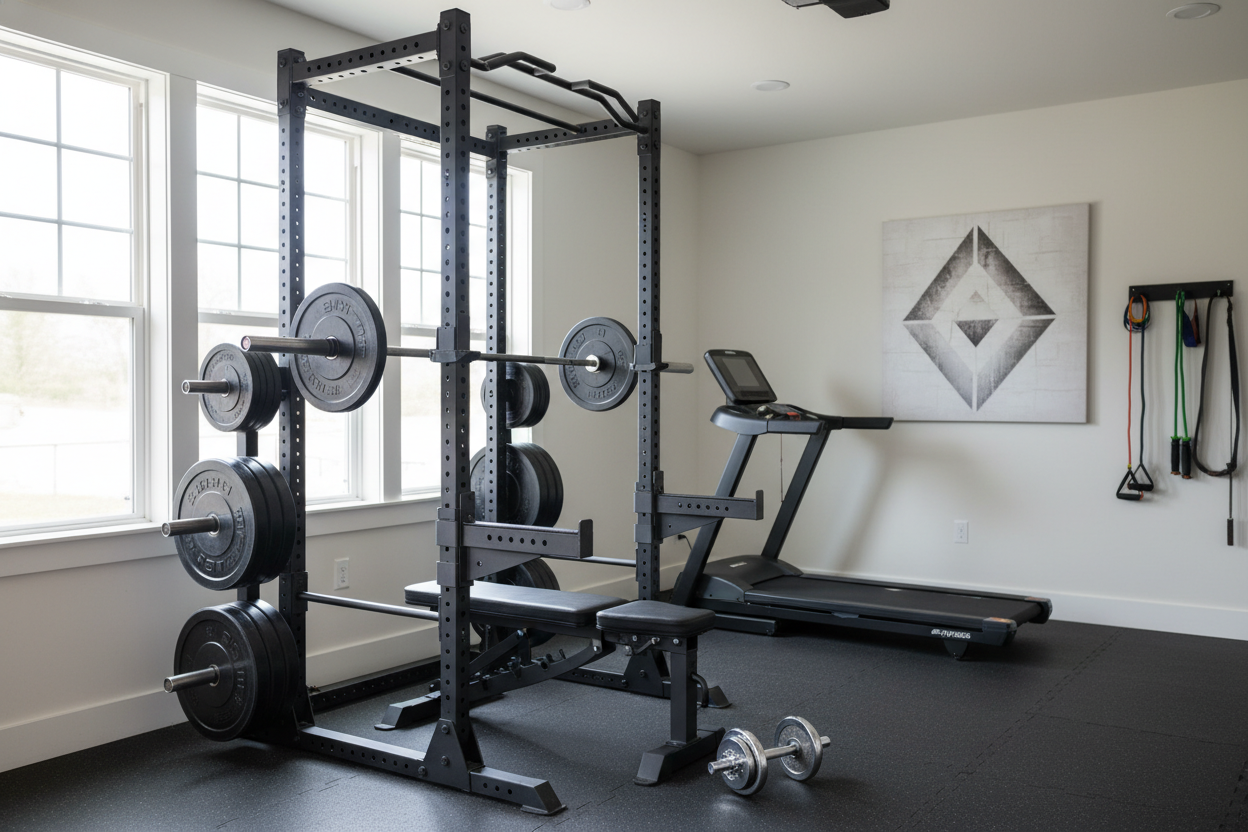
I recommend standing on a high-quality gym flooring for home workout sessions. When you are grinding out these long sets, you need a stable, grippy base. Fatigue makes your stance sloppy, and having a solid surface helps you root your feet and keep the tension in your upper body where it belongs. This is how to do shoulder exercise correctly: from the ground up, with total control.
1. The Strict Wall-Supported Lateral Raise
This is my favorite way to humble anyone who thinks they have 'strong' shoulders. Stand sideways next to a wall or a power rack upright. Lean your non-working shoulder against the wall and hold a light dumbbell in the outside hand. This lean creates a larger range of motion and, more importantly, makes it physically impossible to swing your hips.
By removing the ability to use 'body English,' a 10-pound dumbbell will feel like a 40-pounder by the time you hit rep 20. This is the gold standard for upper shoulder exercises. It forces the medial delt to do 100% of the work. If you want to build 3D delts safely, this is the movement. No swinging, no shrugging, just pure, agonizing isolation that strong shoulder muscles are built on.
2. The Chest-Supported Rear Delt Sweep
Rear delts are the most neglected part of shoulder fitness exercise. Most people try to train them with heavy rows, but the lats and rhomboids always take over. Instead, set an incline bench to about 45 degrees and lie face-down. With a pair of light dumbbells, perform a 'sweeping' motion out to the sides.
Think about pushing the weights away from you toward the walls rather than pulling them up. This 'sweep' keeps the tension on the posterior delt and prevents the shoulder blades from retracting too much, which would bring in the mid-back. For how to exercise shoulder muscles in the back, 30 reps here will give you a pump that makes your shoulders look twice as wide from the side profile.
3. The Banded Over-and-Back (Shoulder Dislocates)
Do not let the name scare you. This is the ultimate finisher and mobility tool. Using a light resistance band, hold it with a wide grip and rotate your arms from your hips, over your head, all the way to your lower back, and back again. This is a shoulder e-xercise that serves two purposes: it flushes the joint with blood and builds functional range of motion.
When you do 30 of these after your raises and sweeps, you are bulletproofing the rotator cuff. It is a staple in any serious shoulder programs. It ensures that while you are building size, you are not losing the ability to actually move your arms. This is what exercise for shoulders looks like when you care about longevity as much as aesthetics.
How to Program Ultra-High Reps in Your Garage Gym
You do not need to replace your heavy overhead pressing entirely. I still love a heavy barbell press for shoulder strength training. However, these 30-rep sets should be your finishers. After you have done your heavy work, pick two of these types of shoulder exercises and perform 3 sets of 30 reps each.
I usually set up a dedicated corner of the gym for this. Having a large exercise mat for home gym use is perfect for this because you can move between the wall-supported raises and the banded work without tripping over plates or benches. It creates a 'burn zone' where you focus solely on the pump.
Remember, the weight doesn't matter. If you have to drop to 5-pound plates to hit 30 reps with perfect form, do it. I have been training for fifteen years, and I still use 12-pound dumbbells for my high-rep lateral work. The results in the mirror don't care about the number on the dumbbell; they care about the tension in the muscle.
FAQ
Will light weights make me lose strength?
Not if you keep your heavy compound lifts at the start of your workout. These high-rep sets are for hypertrophy and joint health, complementing your strength work rather than replacing it.
What if I can't reach 30 reps?
If you fail at 20, the weight is too heavy. If you get to 40 easily, it is too light. Find the 'sweet spot' where reps 25 through 30 are a genuine struggle to maintain form.
Can I use cables instead of dumbbells?
Absolutely. Cables are actually superior for high-rep work because they provide constant tension throughout the entire range of motion. If you have a functional trainer or a plate-loaded pulley, use it.