Why Ignoring the Principles of Strength and Conditioning Ruins Gains
I remember the night I realized I was spinning my wheels. I had just finished a 'muscle confusion' circuit that left me gasping on my garage floor, yet my bench press had not moved in six months. I was chasing the burn instead of chasing the principles of strength and conditioning.
Most of us start this way. We buy the flashy gear, we follow the influencers, and we wonder why our bodies are not changing. The truth is, your muscles do not need variety; they need a reason to grow. That reason comes from following a few boring, non-negotiable biological rules.
Quick Takeaways
- Consistency beats variety every single time.
- If you are not adding weight or reps, you are just exercising, not training.
- Specificity means you cannot be a world-class sprinter and a powerlifter simultaneously.
- Muscle is built during sleep and recovery, not during the actual set.
Why 'Muscle Confusion' is Keeping You Small and Weak
The fitness industry loves the term 'muscle confusion.' It sells subscriptions because it promises that you never have to get bored. But your physiology does not care about being entertained. It cares about survival. When you constantly switch exercises, your body never gets efficient enough at a movement to actually challenge the underlying muscle.
You spend all your energy on 'neurological adaptation'—basically just learning how to do the move—rather than forcing the muscle fibers to thicken. Real change happens when you take a handful of movements and do them so often that the only way for your body to cope is to build more tissue. Randomness is the enemy of progress.
Progressive Overload: The One Rule You Can't Cheat
This is the king of strength and conditioning principles. If you lift 135 pounds today, and you are still lifting 135 pounds six months from now, you will look exactly the same. Your body is incredibly efficient; it will not waste calories building muscle it does not absolutely need.
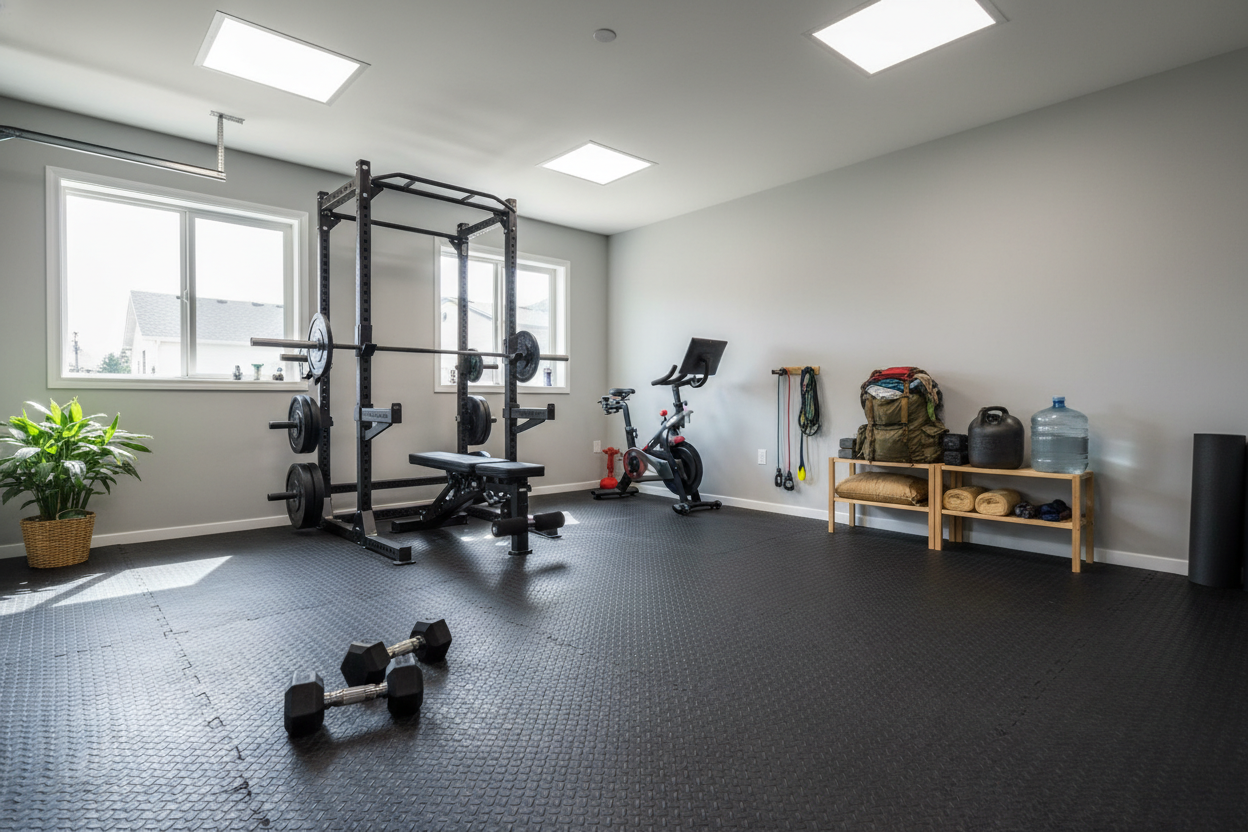
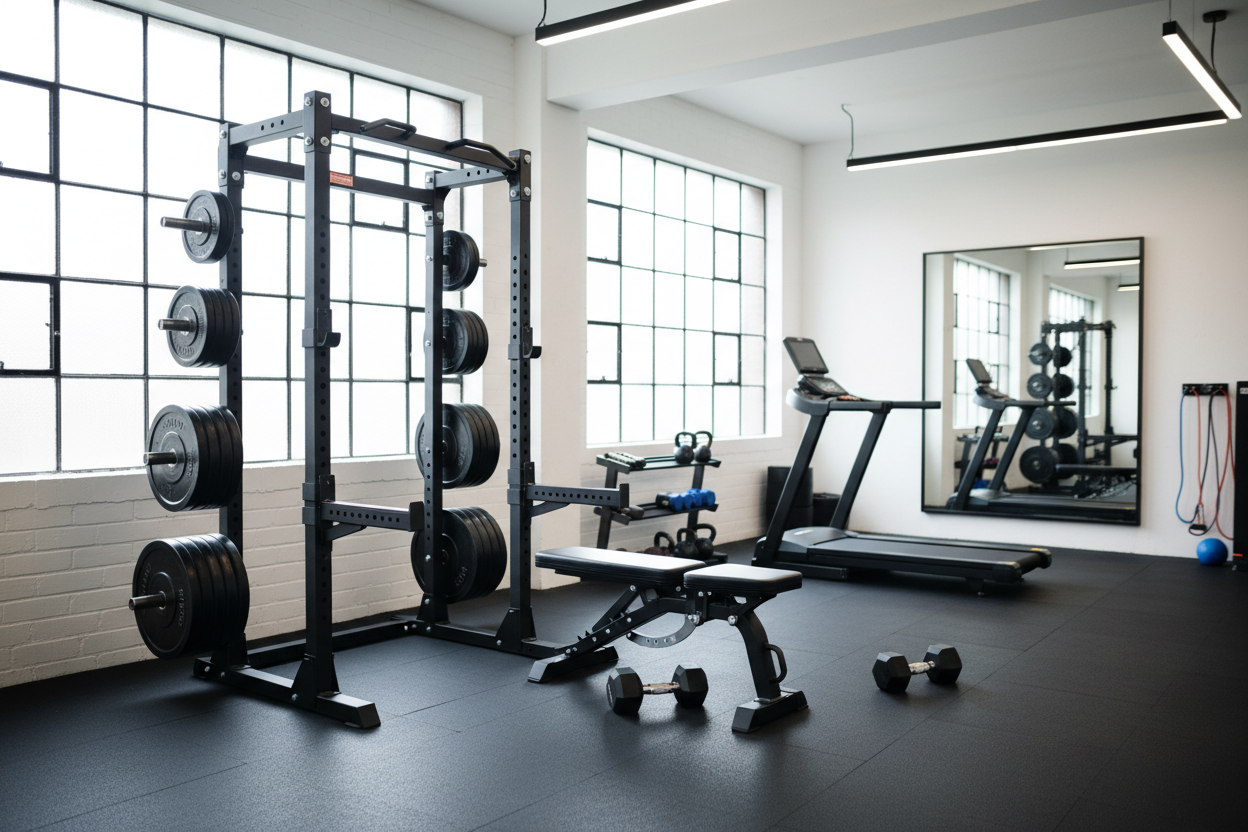
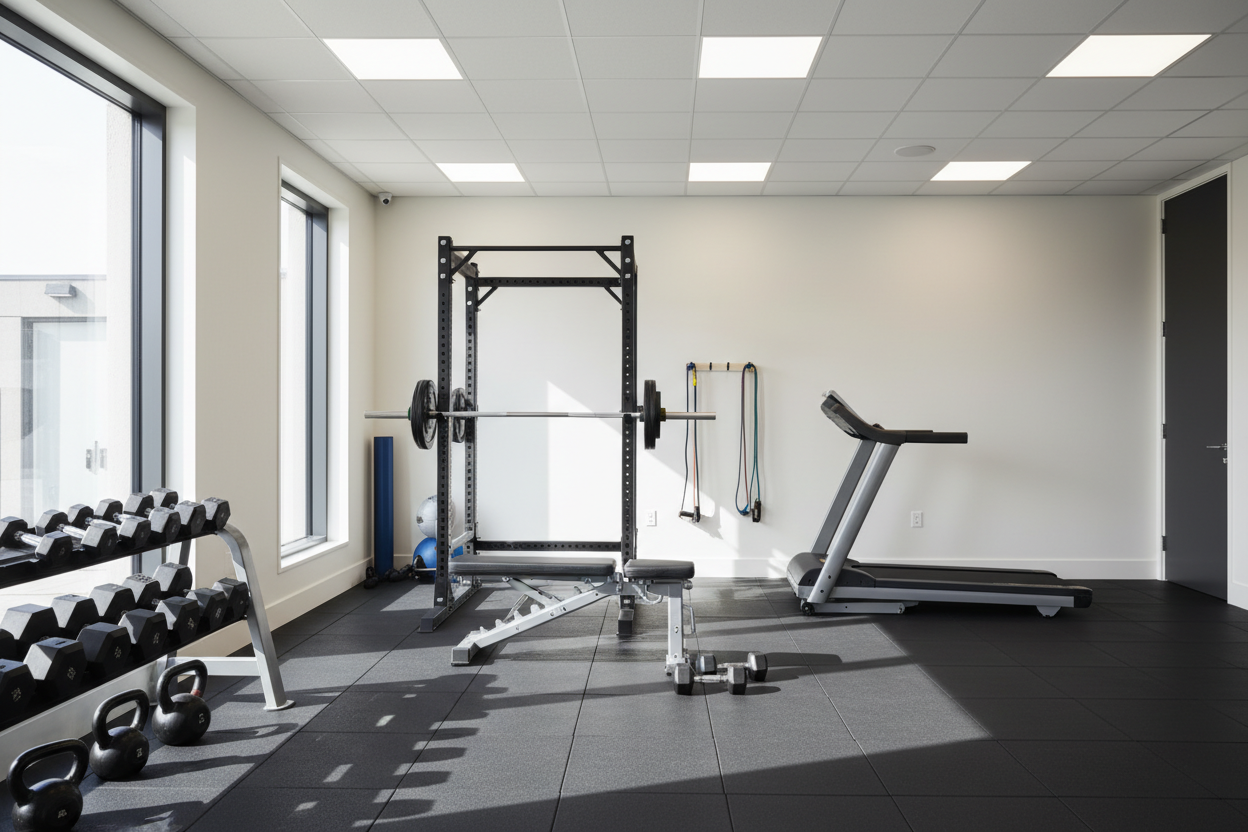
To force that growth, you need a solid core of strength equipment that allows for micro-loading. I am talking about a rack and a barbell where you can add 2.5-pound or 5-pound plates every week. Whether you increase the weight, add a rep, or slow down the tempo to increase time under tension, the demand must go up. If it doesn't, you are just maintaining, and maintenance is a slow death for gains.
Specificity: Why You Can't Train for Everything at Once
I see guys trying to run a marathon program while following a high-volume bodybuilding split. They end up mediocre at both. This is the SAID principle: Specific Adaptation to Imposed Demands. Your body has a limited pool of recovery resources. If you send it conflicting signals, it gets confused—and not the 'muscle confusion' kind.
Decide what your primary goal is for the next 12 weeks. If you want to get strong, you need essential strength and conditioning equipment that supports heavy triples and fives, not a cardio-heavy circuit. You can have it all, just not all at the same time. Pick a lane and stay in it until you hit a milestone.
Recovery and Reversibility: The Unsexy Reality of Progress
You do not get stronger in the gym. You get weaker. You are literally tearing muscle fibers and stressing your central nervous system. The growth happens when you are eating and sleeping. If you are hitting the gym seven days a week with high intensity, you are digging a hole that your body cannot fill.
I have found that using reliable strength training accessories like lifting belts or straps can actually help with recovery. They allow you to hit your required intensity without your grip or lower back becoming the bottleneck that fries your nervous system. Also, remember the rule of reversibility: if you stop, you lose it. Consistency is what turns these biological rules into a better physique.
How to Actually Program These Rules in Your Home Gym
You do not need a PhD to write a good program. Start with the big four: Squat, Bench, Deadlift, and Overhead Press. Build your week around those. Keep a logbook—if it is not written down, it did not happen. Track your sets, reps, and how the weight felt. This is how you ensure progressive overload is actually happening.
If you are overwhelmed, start with a proven full body strength and conditioning workout that hits every major group three times a week. It is simple, it is boring, and it works. Stop looking for the 'secret' and start respecting the physics of the human body.
Personal Experience: My 5x5 Failure
I once tried to run a high-intensity powerlifting program while also training for a Spartan Race. I thought I was 'built different.' Within four weeks, my joints felt like they were filled with glass, and my morning heart rate was ten beats higher than normal—a clear sign of overtraining. I had ignored specificity and recovery. I had to take two weeks off just to feel human again. Now, I pick one goal and I guard my recovery like a hawk.
FAQ
How often should I change my routine?
Only when you stop seeing progress for 3-4 weeks straight. Most people change programs because they are bored, but boredom is often where the best gains are hidden. Stay the course for at least 12 weeks.
Do I need to go to failure every set?
No. Leaving one or two reps 'in the tank' (RPE 8 or 9) allows you to accumulate more total volume over the week without burning out. Save the total failure for the last set of the day.
Can I build muscle with just bodyweight?
Yes, but it is harder to apply progressive overload. You have to find increasingly difficult variations of movements. Eventually, adding external weight is the most efficient way to keep the stimulus high.