Why I Treat Strength Training for Longevity Like a 401(k)
I remember watching my neighbor, a lifelong marathoner, struggle to lift a 40-pound bag of mulch into his truck. He had the heart of a lion, but his frame was becoming brittle. That was the moment I realized that strength training for longevity isn't about looking like a Greek god; it's about being the 80-year-old who can still carry his own groceries and get up off the floor without a struggle.
We have been conditioned to think that 'health' means three hours on a treadmill. While your heart matters, your muscles are the biological armor that keeps you out of the nursing home. Think of every rep as a deposit into a high-yield savings account for your future self.
Quick Takeaways
- Muscle mass is a primary predictor of all-cause mortality as we age.
- Strength training improves bone density and metabolic health far more effectively than cardio alone.
- You don't need to be a bodybuilder; you just need to be harder to break.
- Consistency and safety are more important than your one-rep max.
Your Treadmill Can't Save You From a Fall
The cardio vs weight training for longevity debate is often framed as an 'either/or' scenario, but that's a mistake. Cardio keeps your engine running, but strength training keeps the chassis from falling apart. Sarcopenia—the age-related loss of muscle—is a silent killer. When you lose muscle, you lose the ability to stabilize your joints, leading to the falls that often mark the beginning of the end for older adults.
Resistance training for longevity isn't about burning calories. It's about maintaining the fast-twitch muscle fibers that catch you when you trip. I've spent years in my garage gym, and I can tell you that a solid set of squats does more for your balance than any elliptical ever will. People who do strength training live longer and better because they maintain their physical independence.
Do Muscular People Actually Live Longer?
The data is pretty clear: muscle and longevity are inextricably linked. Muscle mass longevity isn't just about strength; muscle acts as a metabolic sink for blood glucose. This helps prevent Type 2 diabetes and systemic inflammation. When looking at the life expectancy of weightlifters, studies generally show they outlive the general population, provided they aren't abusing performance-enhancing drugs.
Does lifting weights increase life expectancy? Yes, but the real magic is in the 'healthspan.' It’s about being functional in your 70s and 80s. Muscle mass and longevity go hand-in-hand because muscle protects your bones. Weightlifting for longevity increases bone mineral density, making you less likely to suffer a life-altering hip fracture from a minor slip.
Lifespan Lifting vs. Chasing the Pump
I get asked a lot: 'Does bodybuilding shorten your life?' If you're talking about the 300-pound pros using massive amounts of gear, then yes, that stress on the heart is real. But for the rest of us, bodybuilding and longevity are compatible if you focus on the right things. Weight lifting for longevity means leaving your ego at the door. You aren't trying to impress the teenagers on Instagram; you're trying to stay capable.
Using strength training accessories like lifting belts or wrist wraps isn't 'cheating.' It's smart management of joint stress. As we age, our recovery capacity drops. I’ve found that using straps for heavy pulls allows me to hit my back and legs without my aging grip being the limiting factor or my tendons getting inflamed.
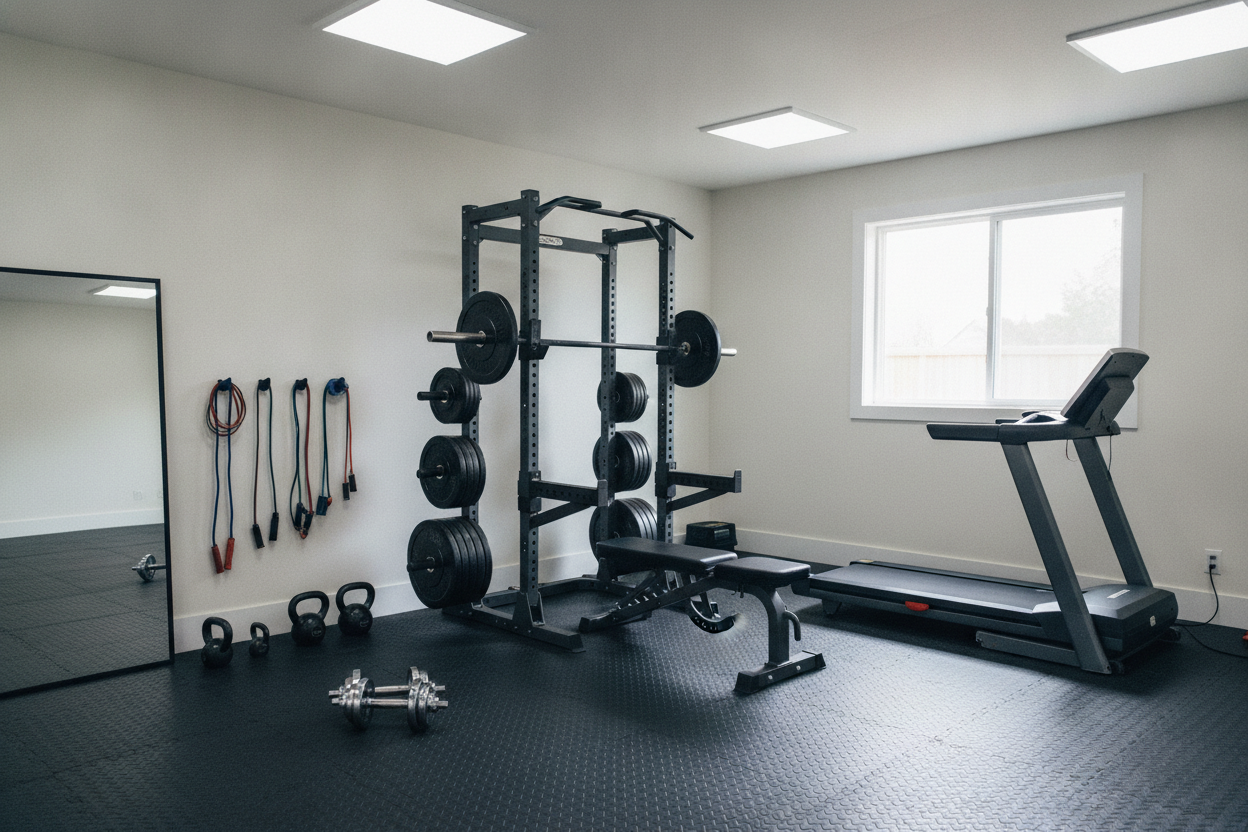
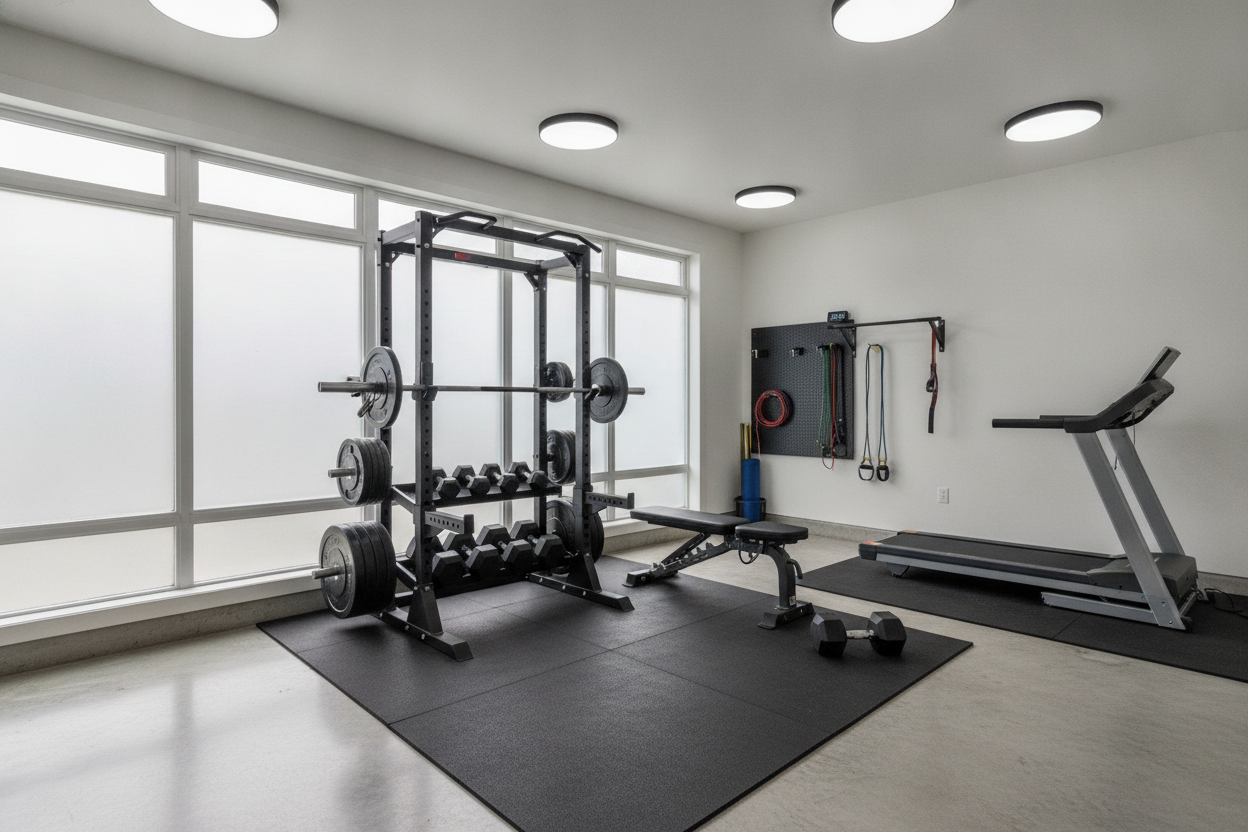
Building a Longevity Routine in Your Garage
You don't need a 2,000-square-foot facility to start weight training for life. A simple routine focusing on the 'big movements'—push, pull, hinge, and squat—is all you need. I recommend hitting the weights three days a week. This allows for the recovery that becomes so vital as we get older. Remember, you don't grow in the gym; you grow while you sleep.
When you are choosing strength and weight training equipment, prioritize versatility. You want gear that allows you to move through natural ranges of motion. I’ve seen too many people buy a cheap, shaky power rack that they’re afraid to use. Buy once, cry once. Get a rack that is bolted down and feels like an extension of the house.
Gear That Outlasts Your 50s (And Beyond)
As I’ve crossed into my 40s, my gear choices have shifted. I used to only care about how much weight a bar could hold. Now, I care about how it feels on my shoulders. Sometimes, free weights can be brutal on old injuries. That is where integrating weight lifting machines like a functional trainer or a cable crossover can be a literal life-saver for your joints. They provide constant tension without the instability that can lead to tweaks.
A rock-solid foundation is non-negotiable. I personally use an adjustable weight bench because it allows for incline and decline work, which helps target muscles from different angles without needing to increase the total load. A bench that wobbles under a 200-pound load is a safety hazard you don't need. Look for a tripod design or a wide rear base for maximum stability.
My Honest Mistake: The 'Max Out' Trap
A few years ago, I got obsessed with hitting a 500-pound deadlift. I was 38, and my joints were screaming. I hit the lift, but I spent the next three months unable to tie my shoes without a sharp pain in my L5-S1. That was my wake-up call. To live longer get stronger, but don't do it at the expense of your spine. Now, I focus on 'reps in reserve' and controlled eccentrics. I'm still strong, but I'm not broken. That’s the real win.
FAQ
Is strength training or cardio better for longevity?
Both are necessary, but strength training is often the missing piece. Cardio keeps the heart healthy, while strength training prevents the physical frailty that leads to injury and metabolic decline.
Does lifting weights make you live longer?
Yes. Research shows that adults who perform strength training twice a week have a significantly lower risk of death from all causes, including cancer and heart disease.
How many days a week should I lift for longevity?
Two to three full-body sessions per week is the sweet spot. This provides enough stimulus to maintain and build muscle while leaving plenty of time for recovery and low-impact movement like walking.