I Reviewed Team Body Project Seniors: Is It Actually Enough?
I remember watching my 70-year-old neighbor try to navigate the local big-box gym. He looked like he was walking into a lions' den—clanking iron, guys dropping 500-pound deadlifts, and machines that looked like they belonged in a NASA lab. It is no wonder people flock to team body project seniors videos in their living rooms instead. It is safe, it is quiet, and nobody is judging your old college t-shirt.
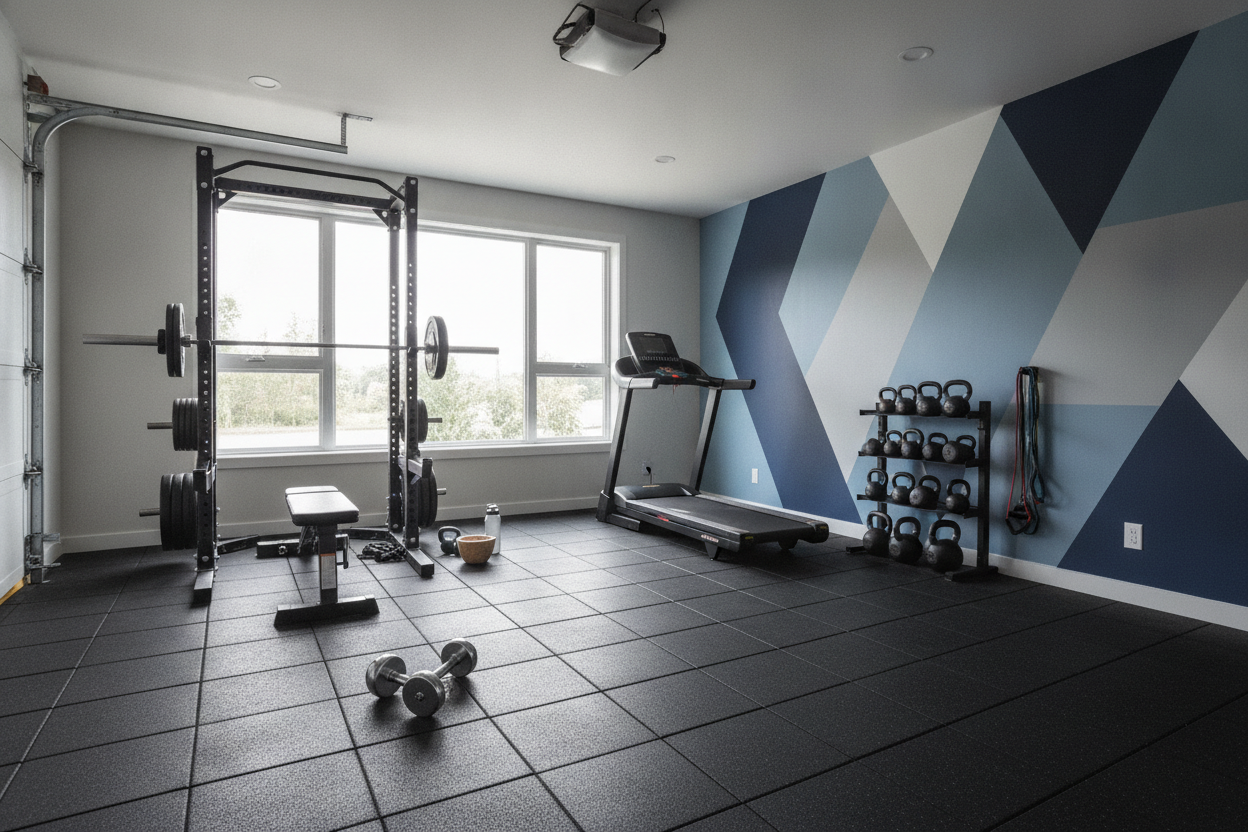
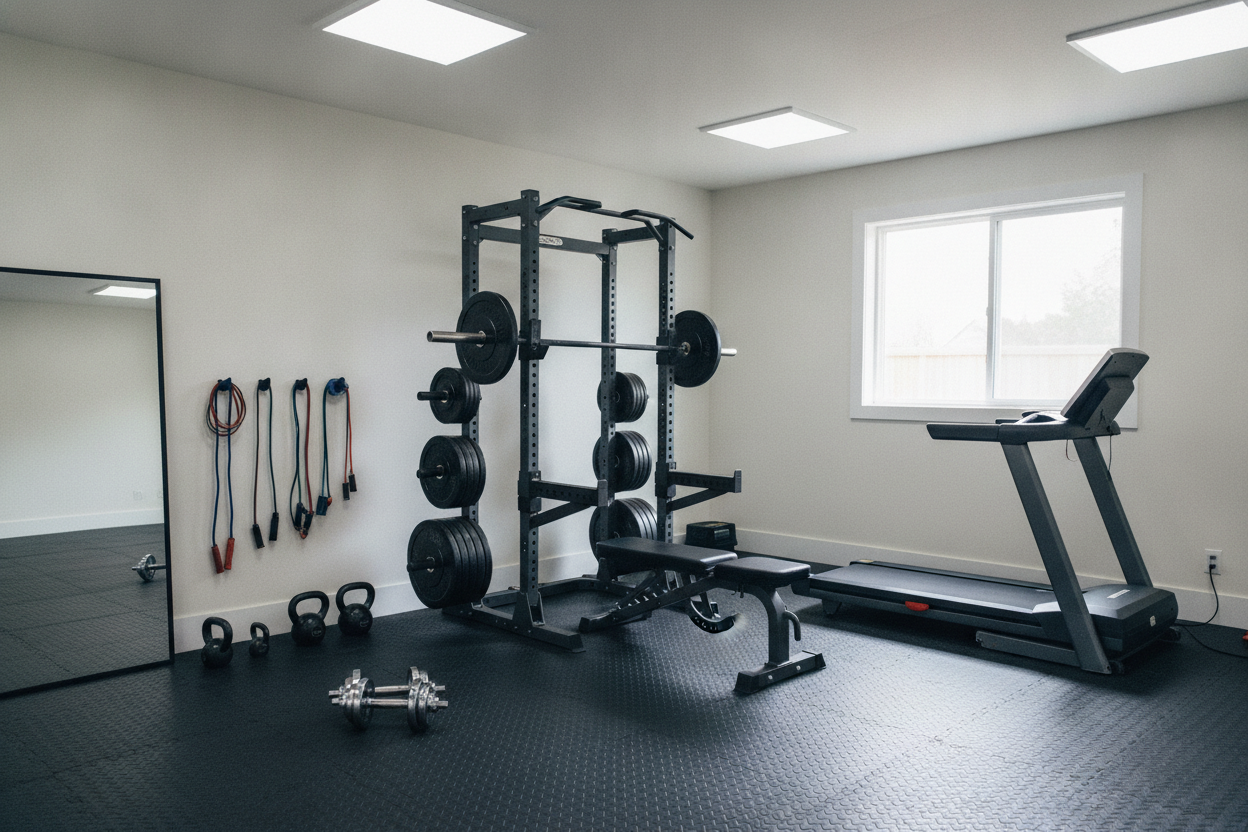
But as someone who spends eight hours a day in a garage gym, I have to ask: is a body project for seniors that consists mostly of standing marches and arm circles enough to keep you out of a nursing home? Let us get into the brass tacks of what these routines actually do for your longevity.
Quick Takeaways
- Excellent for breaking the sedentary cycle and improving cardiovascular health.
- Instructors are genuinely encouraging and focus on low-impact movements.
- Lacks the necessary resistance to combat age-related muscle loss (sarcopenia).
- Best used as a gateway program before moving into actual strength training.
The Undeniable Appeal of the Living Room Workout
There is a massive psychological barrier to entry when it comes to fitness. For seniors, that barrier is usually a brick wall. Team Body Project removes the friction. You do not need a $2,000 power rack or a membership at a place that smells like stale chalk and ego.
The instructors, Daniel and Alexandra, have this infectious, non-threatening energy. They are not screaming at you to push through the pain while veins pop out of their necks. They make exercise feel like a choice rather than a chore. For someone who has not broken a sweat in a decade, that is a massive win.
Where Team Body Project Gets It Right
Movement is medicine, period. These routines are fantastic for joint lubrication and getting the heart rate into that Zone 2 sweet spot. If you are coming off a hip replacement or just dealing with stiff knees, the low-impact nature of these videos is a godsend. It builds the habit of daily movement, which is the hardest part of the battle.
I always recommend setting up a dedicated space for this. Do not just do it on a slippery rug. Investing in a 6x8ft exercise mat gives you a stable, cushioned surface that protects your joints and defines your workout zone. It is a small psychological trick—when you step on the mat, it is go-time.
The Glaring Problem: Marching in Place Won't Stop Muscle Loss
Here is the hard truth your YouTube instructor might not tell you: your muscles are under attack. Sarcopenia—the age-related loss of muscle mass—starts accelerating after 60. To stop it, you need tension. You need to pull and push against things that want to stay put.
While marching in place and doing air squats is better than sitting, your body adapts to it within weeks. Once you can finish a 30-minute video without feeling winded, you have hit a plateau. Without progressive overload—meaning the weights get heavier or the movements get harder—your bones won't get denser and your muscles won't get stronger. You are essentially just maintaining a baseline that is slowly sinking.
How to Graduate From Cardio to Real Strength
If you can do 20 bodyweight squats without your heart pounding, you have outgrown the basic video. It is time to pick up some iron. I am not saying you need to join a powerlifting meet, but you do need to challenge your nervous system. Adding a pair of adjustable dumbbells can change your entire physiological trajectory.
The transition should be slow but deliberate. Most seniors I coach start with 5-pound weights and realize within a month they can handle 15. If you are still using the same pink plastic dumbbells after six months, you are wasting your time. A full body workout with weights for seniors only works if the weight actually forces your body to adapt. If it feels like a light breeze, it is not doing much for your bone density.
Building a Long-Term Body Project for Seniors
A sustainable plan for aging well looks like a hybrid. Keep the Team Body Project videos for your active recovery days or when you just want to get the blood flowing. But twice a week, you need to move some real weight. This is about functional independence—being able to get off a low toilet or carry your own groceries.
For those worried about balance or dropping a barbell, machines are your best friend. A dedicated lower body strength machine like a leg press or a seated leg extension allows you to push your muscles to failure without the risk of falling over. It is the safest way to build the armor your skeleton needs to survive a fall. Combine that structural strength with the mobility you get from your videos, and you will be out-walking people twenty years younger than you.
My Personal Experience
I put my own father on a video-only routine a few years back. He loved the convenience, but after three months, his balance had not improved and his back still ached when he stood up from the couch. We swapped two of his cardio days for basic goblet squats and rows. The difference was night and day. He went from just moving to actually feeling capable. The videos were the spark, but the iron was the fuel.
FAQ
Is Team Body Project good for beginners?
Absolutely. It is arguably the best entry point for anyone over 60 who is currently sedentary. It builds confidence and basic mobility without the risk of injury.
Do I need equipment for these workouts?
Most are bodyweight-only, though some use light dumbbells. I would suggest a good mat and eventually a set of adjustable weights as you progress.
Can I lose weight with these videos?
You can burn some calories, but weight loss is mostly handled in the kitchen. These videos are better for heart health and mood than for significant fat loss.