Why I Swear By These Shoulder Weakness Exercises for Shaky Lifts
I remember the day my overhead press hit a wall. It wasn't because my triceps gave out; it was because my left shoulder felt like it was made of wet cardboard. I spent weeks trying to 'power through' before I realized I was just grinding my labrum into dust. If you've ever felt that unstable, jittery sensation at the bottom of a bench press, you're likely dealing with shoulder weakness exercises that need addressing before you snap something expensive.
- Heavy pressing doesn't fix structural instability—it masks it.
- Eccentric control is the secret to stopping the 'barbell shakes.'
- High-rep, low-weight isolation is mandatory, not optional.
- Pre-hab belongs at the start of your workout, not as an afterthought.
Why You Can't Just Press Your Way Out of Joint Pain
Most garage gym lifters think more weight is the answer to everything. It isn't. I spent years chasing a 315-lb bench while completely ignoring the muscles I couldn't see in the mirror. To build bulletproof joints, you need a solid foundation of exercises to strengthen shoulder stability. If you don't deliberately strengthen back shoulder muscles, your front delts and pecs will eventually pull your humerus out of alignment, leading to that chronic ache that keeps you from sleeping on your side.
Ignoring the small stuff is a recipe for a surgical consult. You might be able to move the weight, but if your stabilizers aren't firing, your primary movers are doing double duty. This is how you end up with 'weightlifter's shoulder'—a miserable mix of impingement and inflammation that kills your gains for months at a time.
The 'Big 3' Stabilizers for Battered Home Gym Lifters
You don't need a 100-lb dumbbell for this. In fact, if you're using more than 10 or 15 lbs, you're probably cheating with your traps. These light shoulder exercises focus on the rotator cuff and the serratus anterior. We're looking for quality of movement, not ego-driven PRs. These are the specific exercises to strengthen shoulders and arms that keep you in the game for decades instead of burning out by age 35.
Banded External Rotations: Rebuilding Your Brakes
Think of your external rotators as the brake system for your press. Grab a light resistance band, pin your elbow to your ribs, and rotate your hand outward. The magic happens when you slowly resist the band pulling your hand back in. This eccentric control is how you fix that terrifying shake when you're lowering a heavy barbell. I do these for sets of 15-20 until I feel a deep, dull burn that I never get from standard pressing.
Face Pulls Done Right (Stop Using Your Lower Back)
I see people in commercial gyms doing face pulls like they're trying to start a lawnmower. Stop it. You aren't training your ego; you're trying to strengthen back shoulder muscles. Pull to your forehead, pull the ends of the rope apart, and hold for a full second. If your lower back is arching, the weight is too heavy. Keep your ribs down and feel the back of your shoulders do the work. It's not about the weight on the stack; it's about the tension in the rear delt.
How to Sneak Rehab Work Into Your Current Split
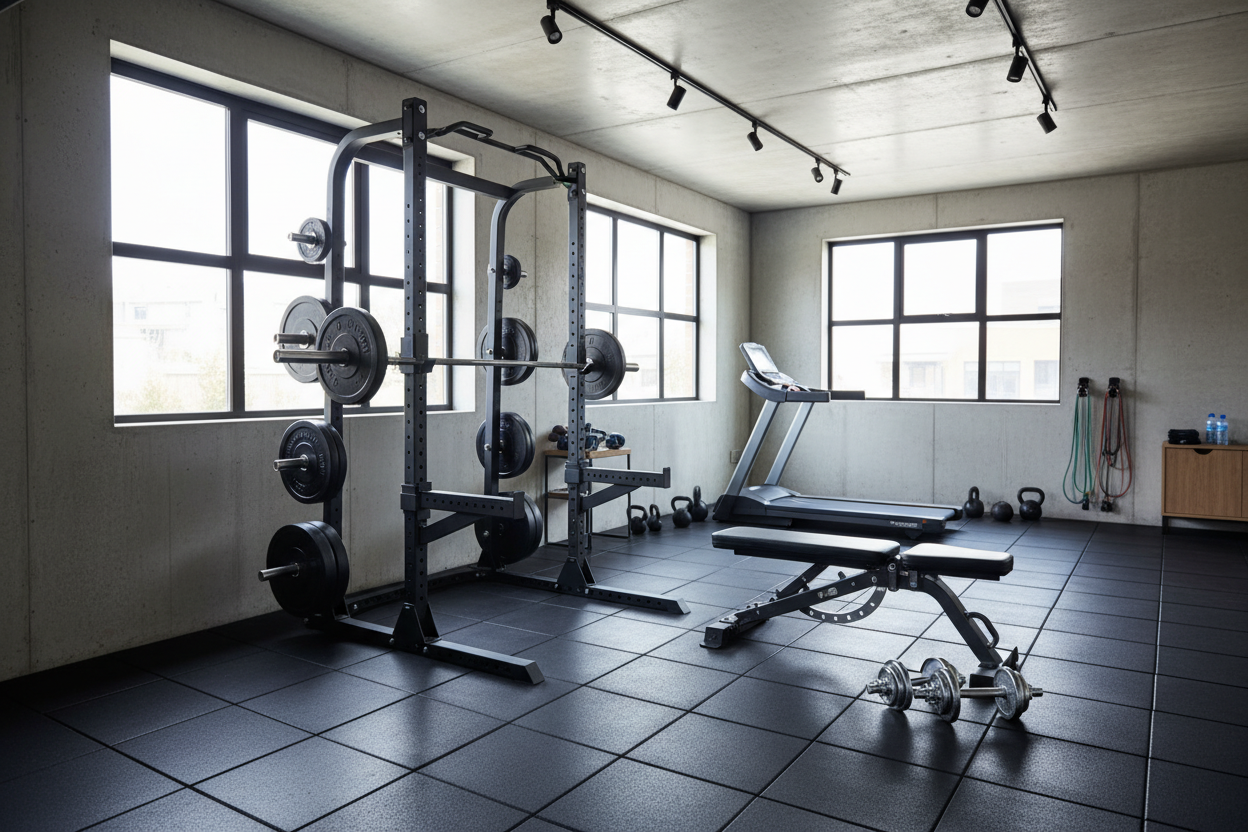
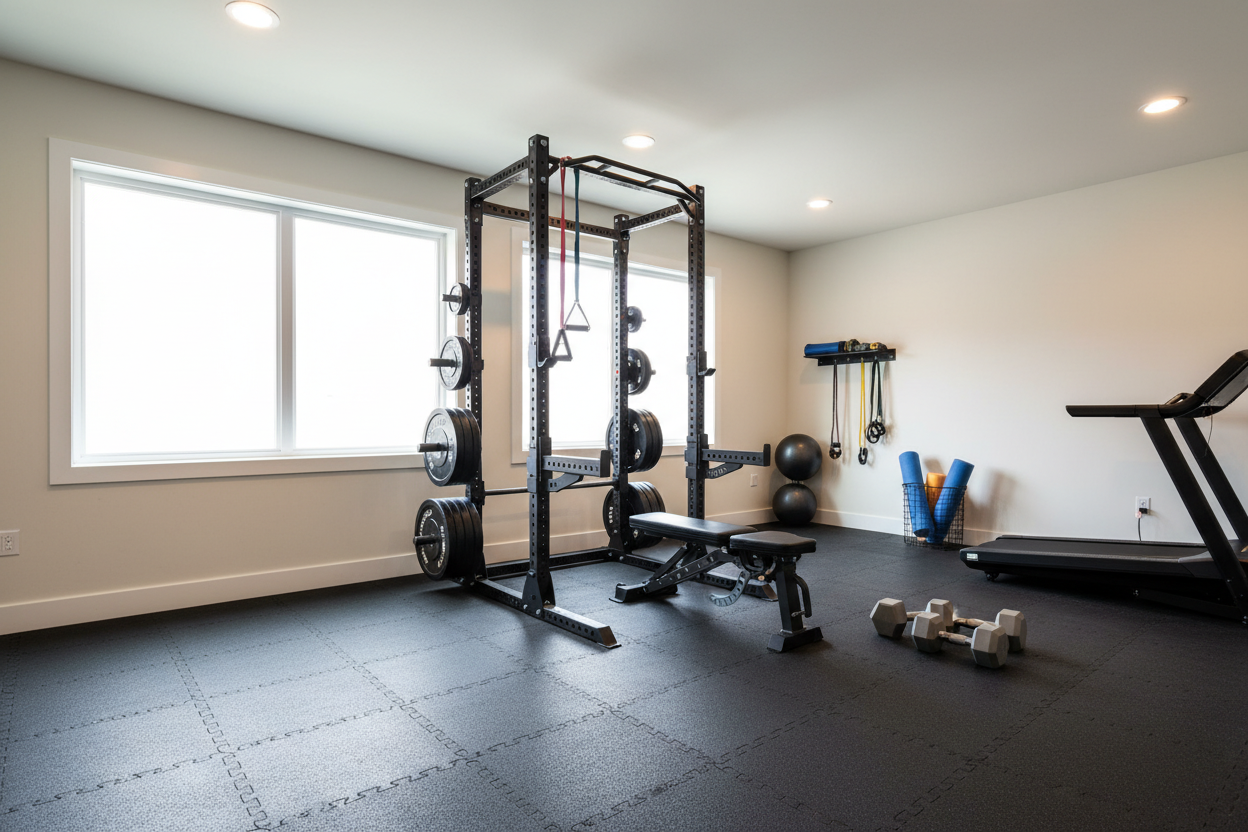
Don't make rehab a separate workout. You won't do it. I started doing my activation drills on the floor before I even looked at my power rack. Getting some extra wide exercise mats changed the way I train—it gives you enough room to sprawl out for T-spine rotations and floor slides without touching the cold concrete of the garage floor. If it's easy to access, you're more likely to actually do the work.
Slot these movements in as 'fillers' between your main sets. While you're resting from a set of squats, hit a set of banded pull-aparts. It keeps the heart rate up and ensures your stabilizers are awake and ready to support the heavy iron. This isn't 'extra' work; it's the work that makes the heavy work possible.
When to Scale Up: Moving From Rehab to Real Resistance
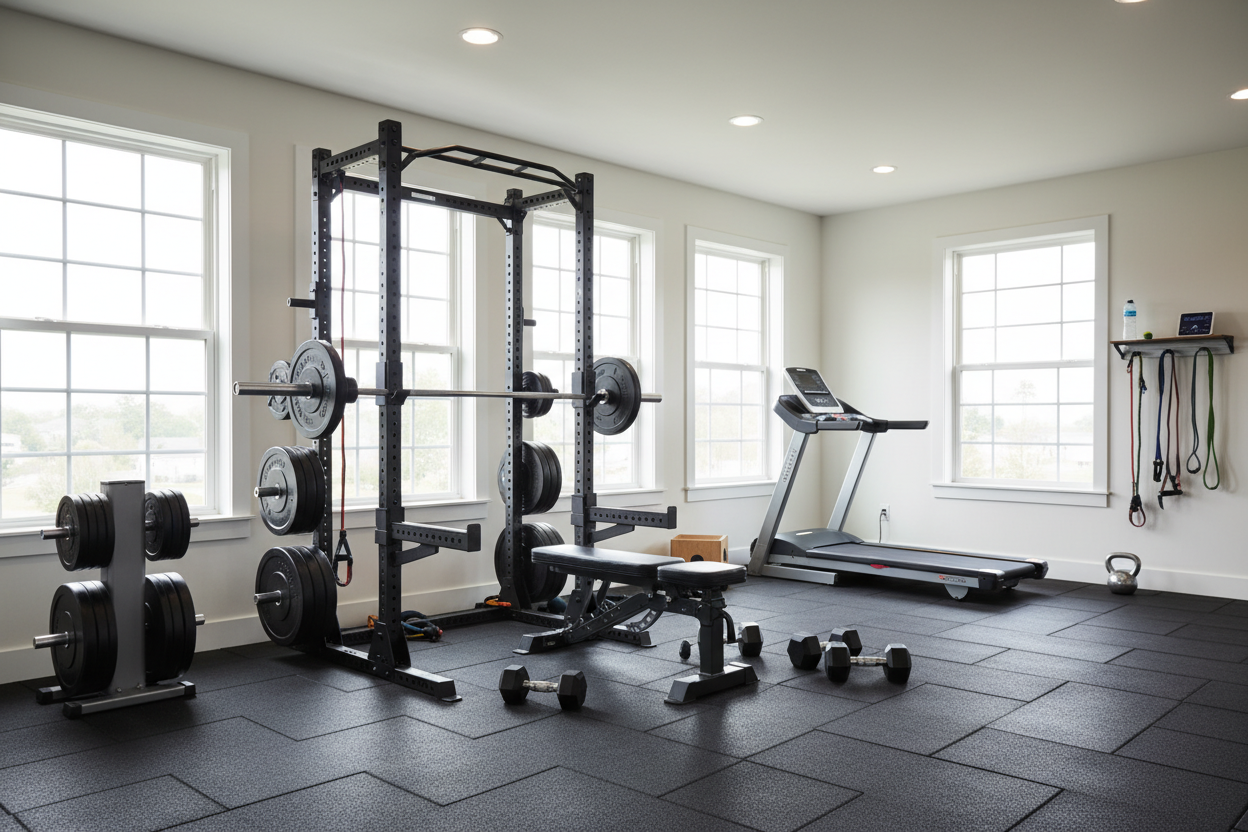
Once the clicking stops and the stability returns, it’s time to touch the iron again. Start with light dumbbells and slowly work your way back to a full weight set and bench setup. Strengthening your shoulders is a marathon, not a sprint. If you rush back to maxing out before your connective tissue is ready, you'll be right back on the physical therapist's table in six weeks.
Listen to your joints. A little muscle soreness is fine, but sharp, 'stabbing' pain is a hard red light. I usually wait until I've had two weeks of pain-free accessory work before I even think about putting a barbell on my back or over my chest again. Patience is the hardest part of the home gym life, but it's the only way to stay under the bar long-term.
My Personal Experience
I once ignored a 'twinge' in my right shoulder for three months. I kept benching because I didn't want to lose my numbers on my training app. Eventually, I couldn't even reach into the backseat of my car without a sharp, electric pain. I had to take four months off completely. My mistake was thinking isolation work was 'boring' or for people who weren't serious lifters. Now, I'd rather do 50 face pulls than one cortisone shot. The boring stuff is what keeps you strong.
FAQ
How often should I do these exercises?
I recommend doing these every time you train your upper body. Use them as a 10-minute warm-up to 'wake up' the stabilizers before you touch any heavy weight.
Can I use dumbbells instead of bands?
Bands are better for constant tension, especially for external rotations. However, if you only have light dumbbells (2-5 lbs), they can work for floor-based movements like 'Y-W-T' raises.
How long until my shoulders feel stable again?
Consistency is key. Most lifters notice a significant reduction in 'shakiness' within 3 to 4 weeks of dedicated stabilizer work. Just don't stop once the pain goes away.