Are Lateral Raises Push or Pull? Why Your Split Is Ruining Your Delts
I have spent far too many late nights staring at the laser-cut numbers on my power rack, overthinking the math of a perfect split. You know the feeling: you have your heavy compounds locked in, your recovery is mostly on point, but your side delts still look like flat pancakes. You start wondering are lateral raises push or pull, and suddenly your entire Sunday afternoon is gone down a Reddit rabbit hole.
The truth is, most lifters treat their workout split like a rigid legal contract. If it is 'Push' day, they think they can only do movements that move weight away from the body. But the shoulder joint is a complex ball-and-socket setup that does not care about your spreadsheet categories. Categorizing the lateral raise is more about recovery management than it is about the direction of the weight.
- The Technical Answer: Biomechanically, lateral raises are abduction, meaning they don't fit perfectly into a push or pull category.
- Push Day Logic: Many people slot them here because they pair naturally with overhead pressing, but this often leads to 'junk volume' when your shoulders are already fried.
- Pull Day Logic: Putting them on pull day allows you to hit the medial delt with fresh energy while your chest-pressing muscles recover.
- The Hybrid Fix: Treat side delts as high-frequency accessories rather than a main lift.
The Great Garage Gym Debate: Where Do Side Delts Belong?
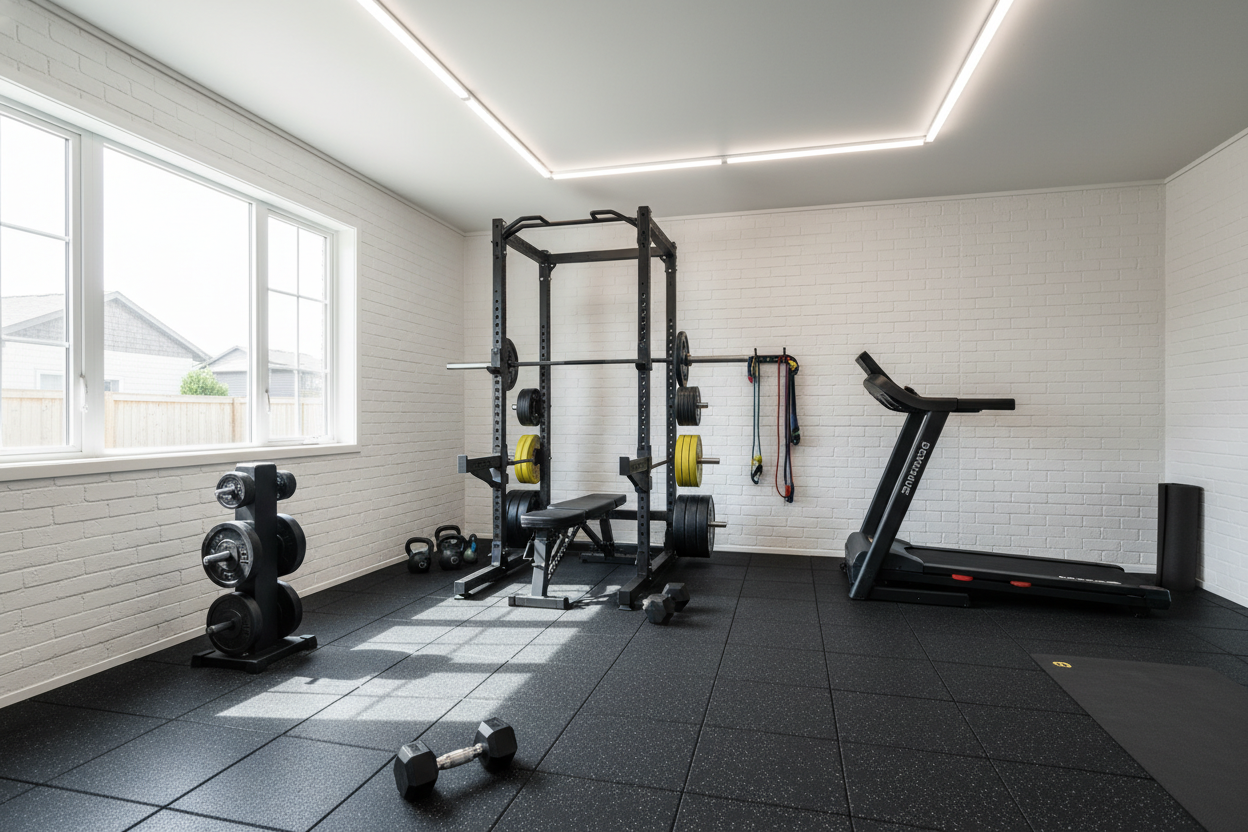
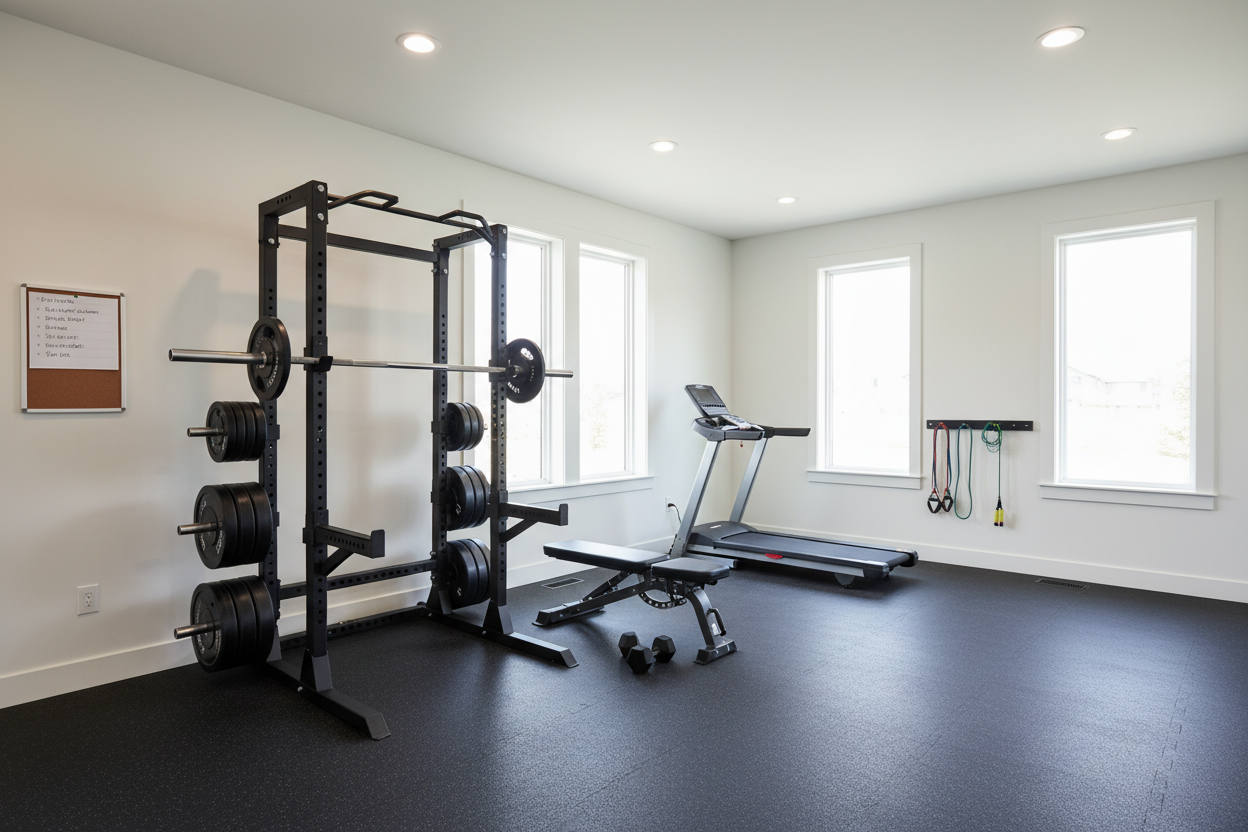
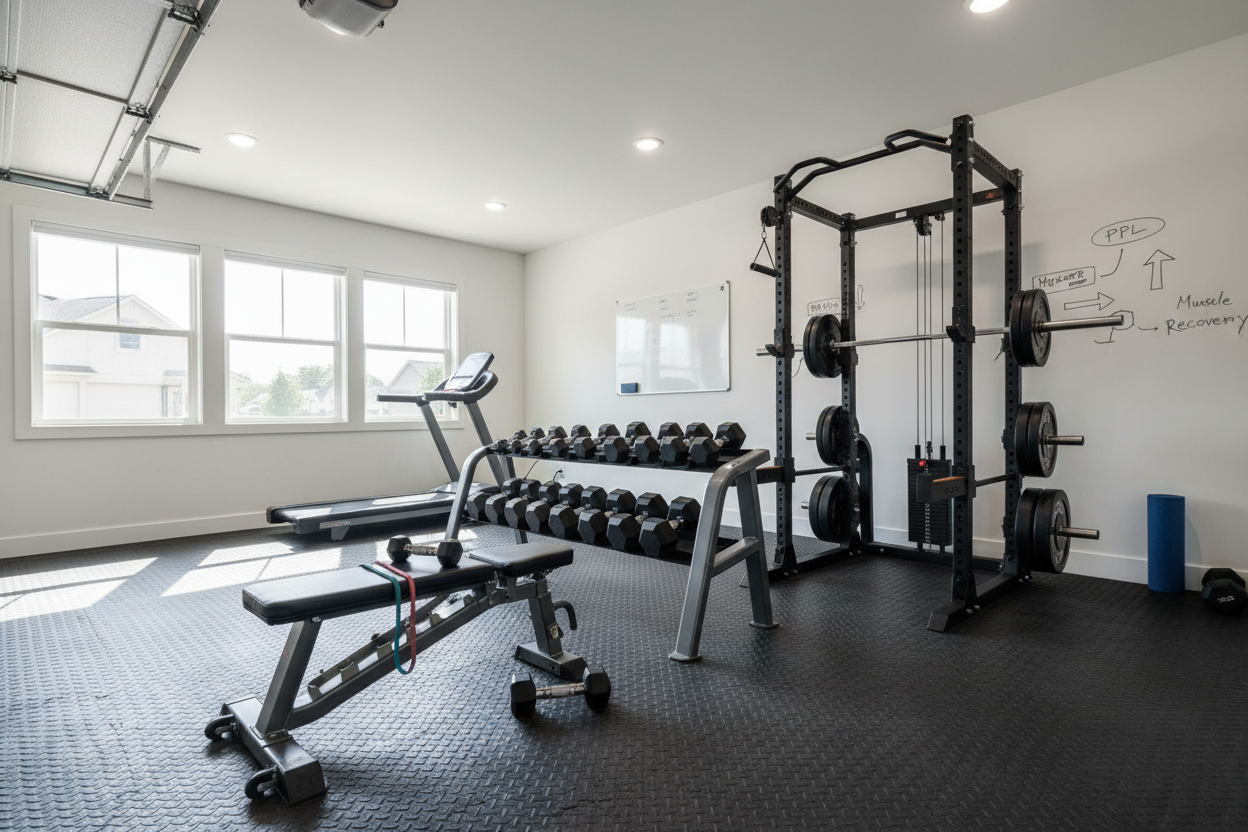
When you are running a push pull legs split at home, you quickly realize that the shoulder is the ultimate hinge point. It’s involved in almost everything. Most garage gym warriors hit their bench press and then immediately look for a way to round out the shoulder cap.
The problem is that the 'big' movements always take priority. By the time you've finished four sets of heavy overhead presses with your 12-gauge steel rack vibrating from the effort, your nervous system is cooked. Trying to squeeze in lateral raises at the end of a heavy push session often feels like an afterthought, and that is why your delts aren't growing.
Biomechanics 101: Are Lateral Raises Push or Pull?
If we are being pedantic, asking is lateral raise a push or pull is a bit like asking if a circle is vertical or horizontal. In kinesiology, a lateral raise is 'shoulder abduction.' You are moving your arm away from the midline of your body in the frontal plane. It’s not a press (push) and it’s not a row (pull).
However, we have to put them somewhere. Most people default to 'push' because they assume anything involving the deltoids belongs with the chest. But if you look at the muscle fibers being recruited, the medial delt is the star of the show. It’s a small muscle that doesn't require a massive amount of weight—I usually stick to my 15-lb or 20-lb urethane dumbbells for these—but it does require pristine form and high frequency.
Why I Tried Stacking Them on Push Day (And What Happened)
I spent two years religiously doing lateral raises on push or pull day—specifically, push day. I figured since my front delts were already screaming from the incline bench, I might as well finish the job. The result? Mediocre gains and cranky tendons.
When you do dumbbell lateral raise push or pull variations after heavy pressing, your traps tend to take over. You’re tired. Your form breaks down. Instead of a controlled lift, you start using body english to swing the weights up. I found that my side delts were never actually getting the 'peak' tension they needed because the surrounding musculature was already exhausted from the heavy compound lifts.
The Case for Moving Them to Pull Day
This is where things get interesting. Is lateral raise push or pull? If you move it to pull day, you are essentially treating it as a 'width' movement. Since pull days focus on the back and rear delts, adding the medial delt into the mix creates a massive 'upper body' pump that doesn't interfere with your heavy presses.
I’ve found that pairing is lat raises push or pull questions with upright rows—a definitive pull movement—is a killer combination. When you do a is cable lateral raise push or pull variation on a pull day, you can maintain constant tension on the muscle without the fatigue of a 225-lb bench press weighing you down. Your traps are already being used for rows, so the whole 'yoke' gets hit at once.
What About Front Raises? (A Quick Detour)
Before you ask, are front raises push or pull, let’s be clear: those are almost always a push day accessory. Your front delts are heavily active during any chest press. Doing front raises push or pull on a pull day is usually overkill and can lead to overtraining the front of the shoulder, which pulls your posture forward. If you’re wondering is front raise push or pull, keep it with your chest and triceps.
How I Actually Program Them Now (The Real-World Fix)
Stop obsessing over the label. After testing every variation, I realized that are side delts push or pull is the wrong question. The real secret is frequency. The medial delt recovers incredibly fast. It’s a small muscle group that can handle a lot of volume because it doesn't tax your central nervous system like a deadlift does.
I now use a faster muscle gaining workout plan that involves hitting lateral raises 3–4 times a week, regardless of whether it’s a push or pull day. I keep a pair of 15-lb dumbbells near my rack and knock out three sets of 15-20 reps at the end of almost every session. This high-frequency approach has done more for my shoulder width than any specific 'day' ever did.
FAQ
Is lateral raise push or pull for a PPL split?
Technically it is neither, but most people put it on Push day. If your shoulders are lagging, try moving it to Pull day or doing it on both days for extra volume.
Are shoulder raises push or pull?
Front raises are definitely push. Lateral raises are neutral/abduction. Rear delt raises are definitely pull. Don't overcomplicate it—focus on the sensation in the muscle.
Can I do lateral raises every day?
Almost. They are low-fatigue. I wouldn't do them 7 days a week, but 3-4 sessions of 3-5 sets will usually yield much better results than one heavy session a week.