The Best Beginner Strength Program Fits on an Index Card
I spent three years and about $400 on various 'hyper-optimized' fitness apps before I realized I was getting more screen time than actual tension on my muscles. I’d be mid-set, the app would lag, or a notification from Slack would pop up, and suddenly my rest period had ballooned from 90 seconds to six minutes. The beginner strength program you actually need doesn't require a monthly subscription or a high-speed data plan. It requires a piece of cardstock and the ability to add five pounds to a barbell.
Quick Takeaways
- Ditch the phone; use an index card to eliminate gym distractions.
- Focus on the 'Big Five' compound lifts for maximum efficiency.
- Linear progression is the only metric that matters for the first six months.
- Invest in a solid rack and barbell before buying fancy gadgets.
Put Down the Phone and Pick Up a Pen
The biggest enemy of a best beginner strength program isn't lack of knowledge; it's lack of focus. Every time you unlock your phone to log a set of squats, you're opening a portal to Instagram, email, and the endless scroll. That blue light is a focus killer. I’ve watched guys at my local warehouse gym spend 20 minutes on a 'warm-up' that was mostly just texting. When you use an index card, the plan is static. It doesn't ping you. It doesn't ask for a review. It just sits there, judging you if you don't fill in the next box.
An index card forces you to keep things simple. You can't fit 40 different isolation exercises and 'tempo' notes on a 3x5 piece of paper. This simplicity is a feature, not a bug. By tracking your lifts manually, you develop a better 'feel' for the weight. You see the physical ink showing your progress from a 95-pound squat to 225 pounds. That tactile feedback is worth more than any digital chart. If you want the best strength program for beginners, you need to be present in the rack, not lost in the cloud.
Why the Best Strength Program for Beginners is So Damn Boring
If your workout looks like a circus act with Bosu balls and cable crossovers, you’re wasting your time. For a novice, the goal is to build a foundation of absolute strength. This means you need to ditch the bro split where you hit chest on Monday and don't touch it again for a week. Your muscles don't need seven days to recover when you're just starting out; they need frequent practice with heavy, compound movements.
We’re talking about the Squat, Bench Press, Overhead Press, Deadlift, and Row. These movements recruit the most muscle mass and allow for the greatest amount of weight to be moved. Doing three sets of five reps on a squat will do more for your physique and strength than twenty sets of leg extensions. It’s boring. It’s repetitive. It’s also the only way to ensure you aren't a 'skinny-fat' trainee six months from now. The best strength training program for beginners prioritizes frequency and intensity over variety.
The Bare Minimum Gear You Need to Start
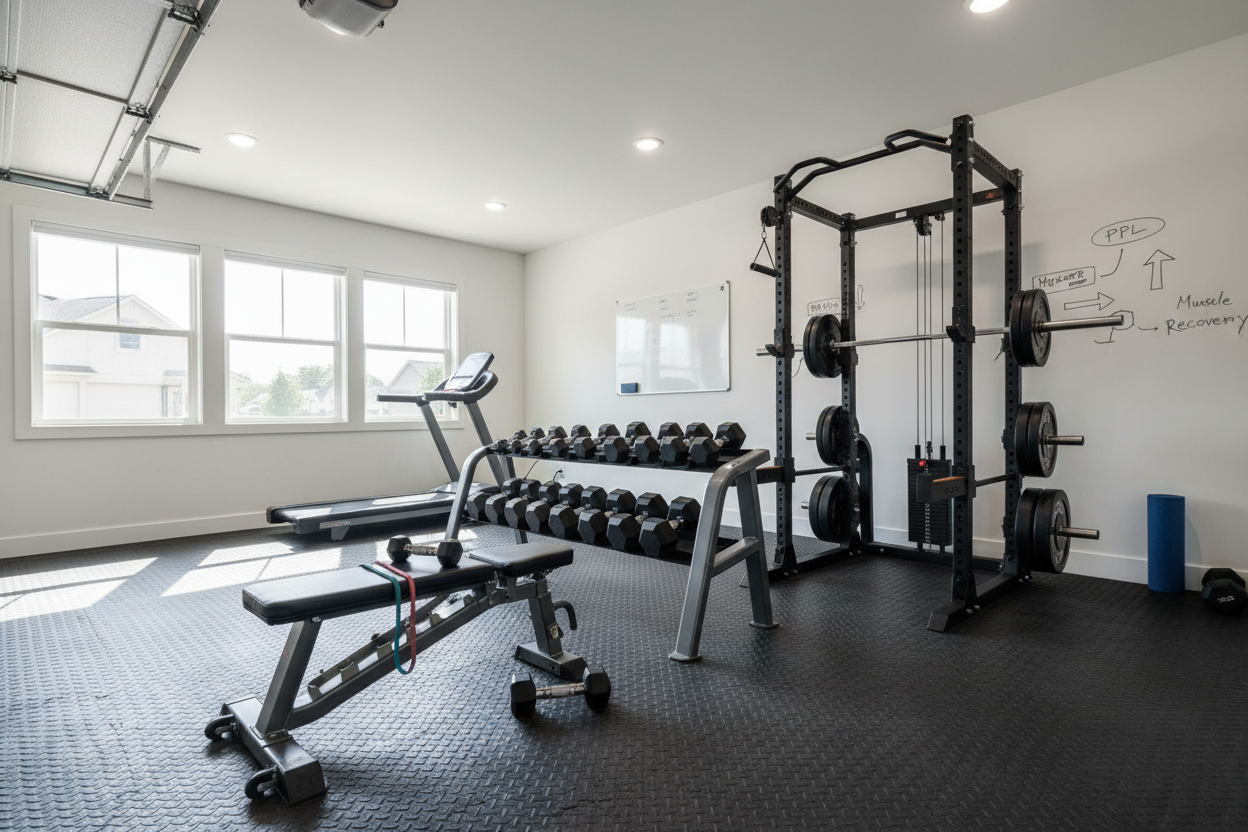
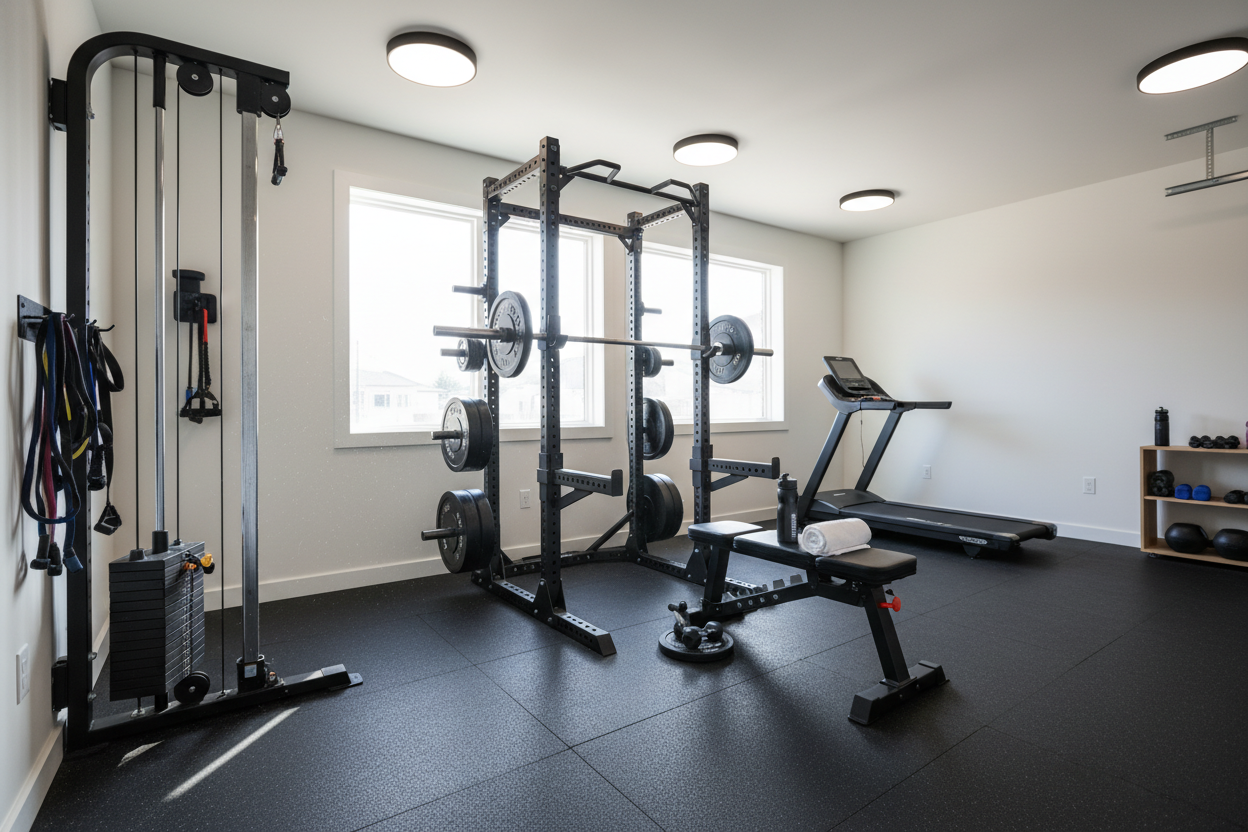
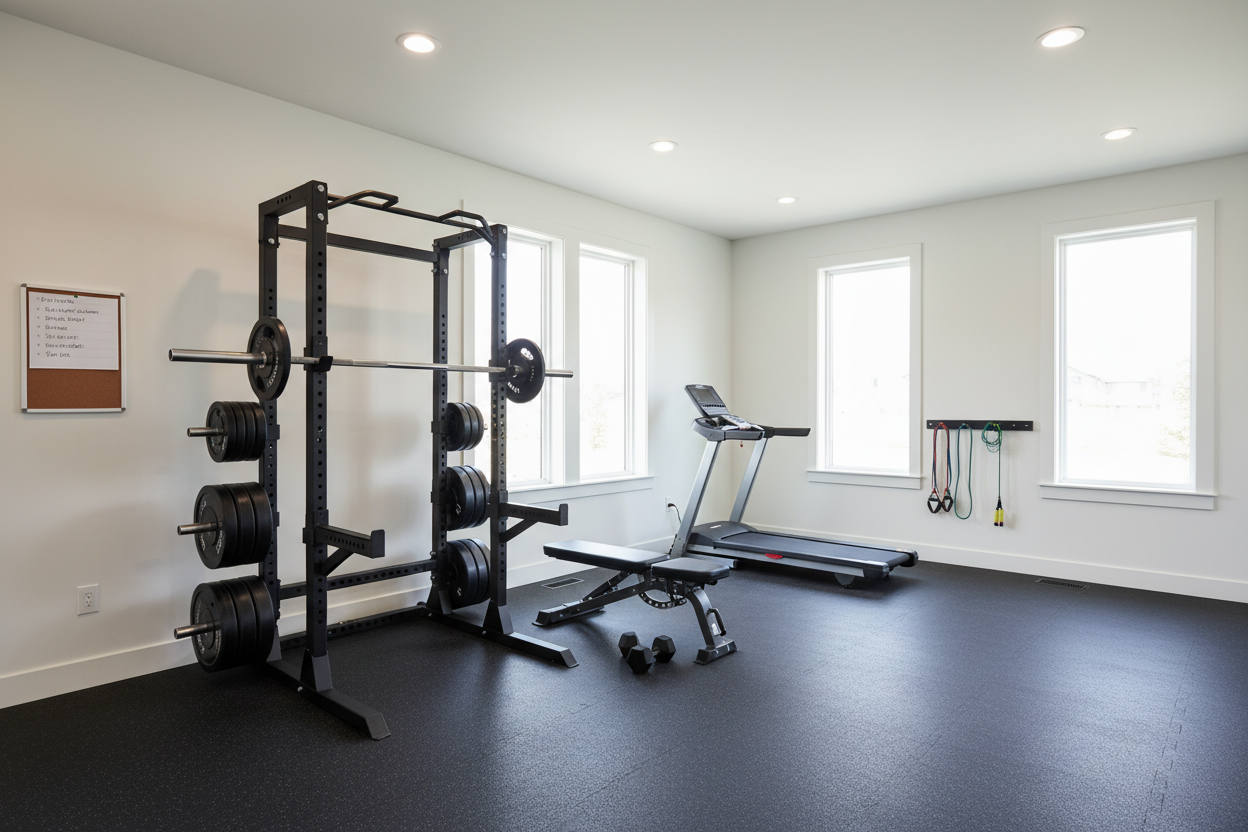
You don't need a $3,000 smart gym that mounts to your wall. In fact, most of those systems are glorified cable machines that won't help you build real-world power. When choosing the best strength and weight training equipment, you should spend 80% of your budget on three things: a power rack, a barbell, and iron plates. I’ve tested enough budget bars to know that a $50 'beater' bar will have its sleeves seize up in three months. Look for a bar with at least 190,000 PSI tensile strength and decent knurling that won't cheese-grate your hands.
A power rack with 2x3 or 3x3 11-gauge steel is the gold standard for a reason—it won't wobble when you re-rack 300 pounds. Once you have the basic strength equipment, you can ignore the rest of the catalog. You don't need a leg press. You don't need a pec deck. You need a flat bench that doesn't feel like it's going to tip over when you're holding a heavy pair of dumbbells. Keep the floor clear and the ego in check.
The Index Card Blueprint: Your First 8 Weeks
This is the best beginner strength training program I’ve ever used, and it’s what I put all my friends on. You’ll alternate between two workouts, A and B, three days a week (e.g., Monday, Wednesday, Friday).
Workout A:
Squat: 3 sets of 5 reps
Bench Press: 3 sets of 5 reps
Barbell Row: 3 sets of 5 reps
Workout B:
Squat: 3 sets of 5 reps
Overhead Press: 3 sets of 5 reps
Deadlift: 1 set of 5 reps
That’s it. Every single time you go to the gym, you add 5 pounds to the bar for every exercise. If you did 135-lb squats on Monday, you do 140-lb squats on Wednesday. This is linear progression. It works because it forces your central nervous system to adapt to a constantly increasing load. As the weights get heavier, you might want some strength training accessories like a 10mm lever belt or some liquid chalk. But for the first month? Just show up and do the work. Don't add 'extra' stuff. If you have energy for 10 sets of curls at the end, you didn't squat hard enough.
When (and How) to Graduate from the Basics
Eventually, you’ll hit a wall. You won't be able to add 5 pounds every session. This usually happens around the 4-to-6-month mark for most guys. Don't panic and switch to a high-volume bodybuilding program immediately. First, check your recovery. Are you sleeping 8 hours? Are you eating enough protein? If the answer is yes and you've stalled for three sessions in a row, it’s time to deload—drop the weight by 10% and build back up.
This is also the time to look at your training environment. If you're pulling heavy deadlifts on a concrete garage floor, you're going to crack the slab. Upgrading to a large exercise mat or building a DIY platform will save your equipment and your floor. Once you've milked the index card for every pound of strength it's worth, then—and only then—can you start looking at more complex intermediate programs. But until you're squatting at least 1.5 times your body weight, stay on the card.
FAQ
Can I do this program every day?
No. Strength is built during recovery, not in the gym. If you lift every day, you'll burn out your CNS and stall within three weeks. Stick to three days a week.
What if my gym doesn't have a power rack?
Find a new gym. Seriously. You cannot safely perform the best strength training program for beginners without a way to safely rack and unrack a heavy barbell at shoulder height.
Do I need to do cardio?
You can, but don't let it interfere with your lifts. A 20-minute walk or some light steady-state work on your off days is fine. Just don't run a marathon while trying to double your squat.