The Best Strength Building Workout is Actually Just a Formula
I spent three years downloading every PDF program I could find on Reddit. My hard drive was a graveyard of abandoned 12-week blocks and 'ultimate' spreadsheets. I was convinced the best strength building workout was hidden in a secret Russian powerlifting template or a $50 influencer ebook. I was wrong.
After building out a garage gym and actually tracking my numbers, I realized that most of those programs are just different ways of dressing up the same boring math. Real strength doesn't come from a magic sequence of exercises; it comes from a formula that most people ignore because it isn't flashy enough for Instagram.
- Progressive Overload: If the weight isn't going up, you're just exercising, not training.
- Compound Priority: Big movements move big weight. Curls come later.
- Frequency: Hitting a lift once a week is the bare minimum; twice is the sweet spot.
- Recovery: You don't get strong in the gym; you get strong in bed while you're sleeping.
The Trap of the 'Perfect' Spreadsheet
We've all been there. You spend four hours researching the best routine for strength training, comparing three different variations of 5/3/1 or trying to decide if Starting Strength has enough volume. You print out a beautiful color-coded chart, buy a new logbook, and then quit by week four because life got in the way. This cycle of 'program hopping' is the single biggest progress killer in the home gym world.
The truth is that the best strength building routine is the one you actually finish. I see guys in the forums arguing over whether a 5x5 or a 3x10 set-rep scheme is superior for 'optimal' hypertrophy. Meanwhile, the guy who just goes into his garage and adds five pounds to his squat every Monday for a year is the one who actually gets strong. Stop looking for a magic bullet.
A rigid template often fails because it doesn't account for your specific setup or your bad days. If your program demands a 1RM attempt on a day you stayed up all night with a sick kid, you're going to fail and feel like the program is broken. The best strength workout plan is a flexible framework built on principles, not a set of commandments etched in stone.
The 3-Part Formula Behind Real Strength
Every successful weightlifting program since the dawn of the barbell relies on three things: progressive overload, frequency, and compound movements. If your current 'best strength workout routine' has you doing sixteen different variations of lateral raises but only one set of squats, you're running a cardio circuit in disguise.
Progressive overload is simple: do more than you did last time. That could mean five more pounds on the bar, one more rep with the same weight, or shorter rest periods. In my experience, for pure strength, nothing beats the iron math of adding weight. If you're using a 20kg bar and standard plates, your goal should be to see those 45-lb wheels multiply over time.
Frequency is the next pillar. Most people following a 'bro split' hit each muscle group once a week. That’s fine for aesthetics, but the best strength training programs usually have you squatting or pressing 2-3 times a week. Strength is a skill. Your nervous system needs to practice the movement pattern under load to get efficient at it. You wouldn't practice a guitar solo once a week and expect to shred; the bench press is no different.
Finally, you have to prioritize compound movements. Squats, deadlifts, presses, and rows. These are the best weightlifting workouts because they recruit the most muscle mass and allow for the greatest amount of weight to be moved. If you aren't exhausted after your first two movements, you didn't go heavy enough.
Your Setup Dictates Your Success
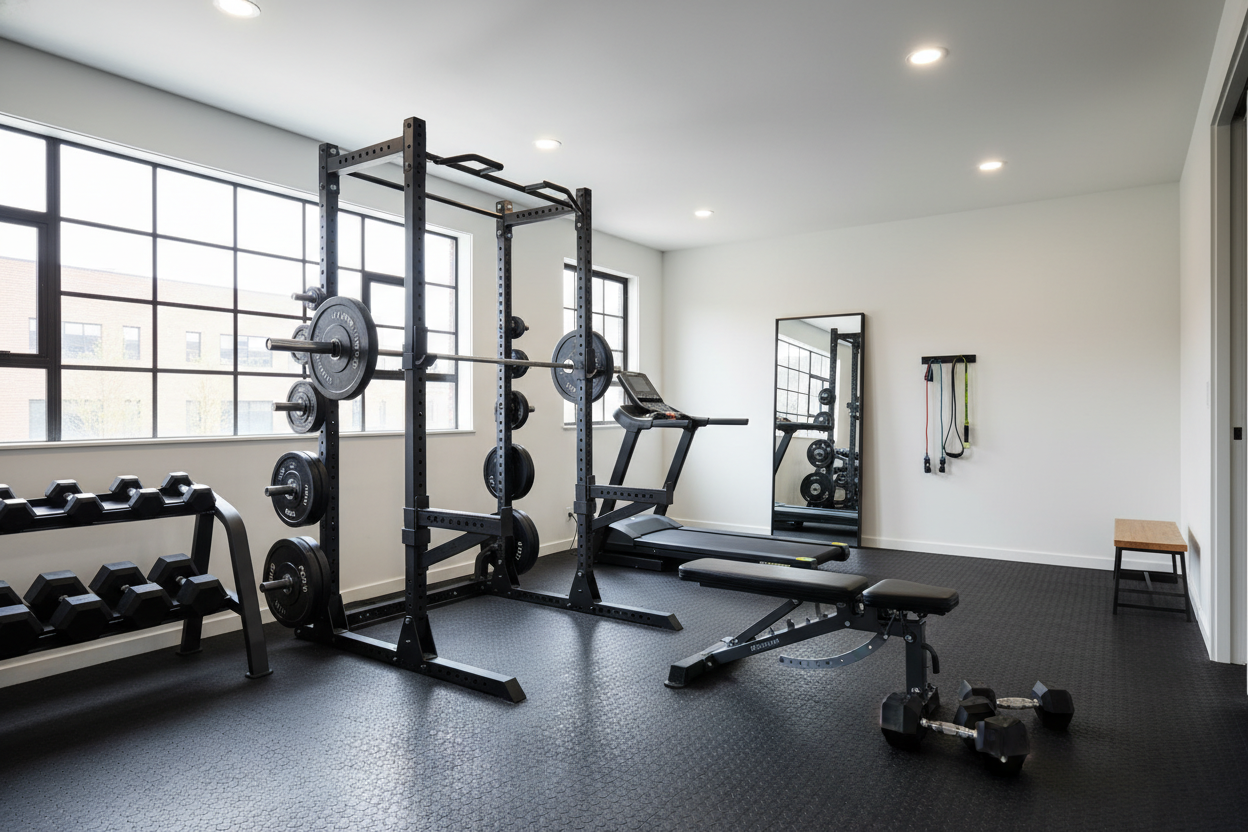
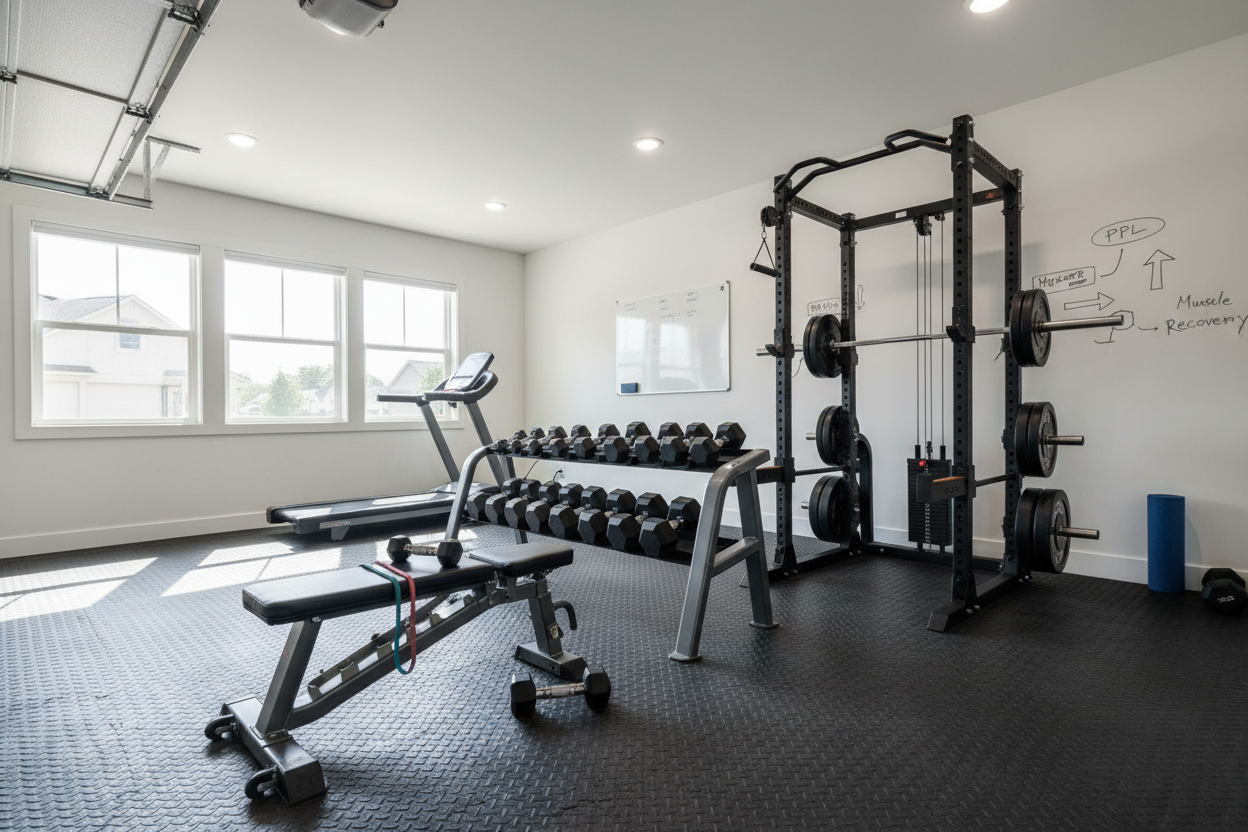
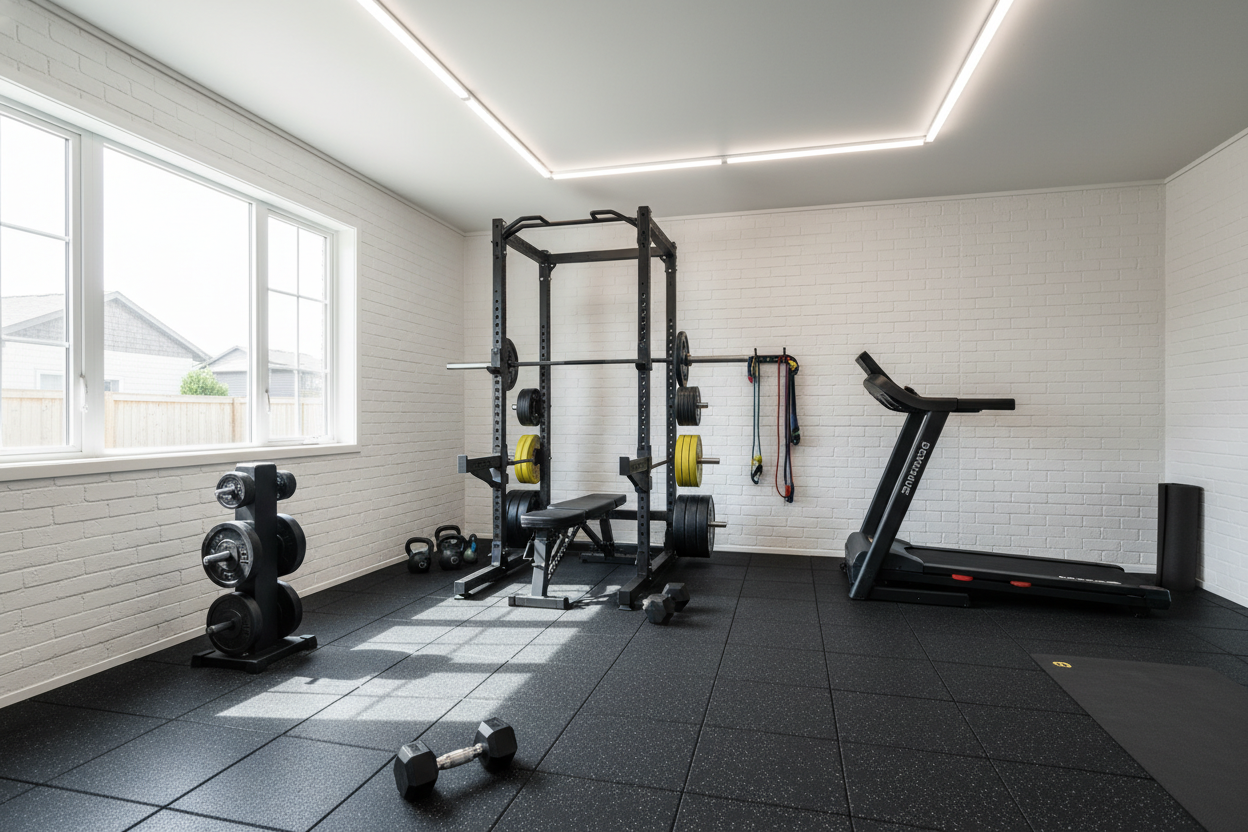
You can have the best weight lifting program in the world, but if your equipment feels like it's going to collapse, you'll subconsciously hold back. I remember trying to hit a PR on a cheap, bolt-together rack that swayed every time I racked the bar. I wasn't focused on the lift; I was focused on not dying. That's why I tell people to invest in reliable strength equipment before they worry about the nuances of their programming.
Your environment needs to match your intent. If you want to move 400 lbs, you need a rack with at least 11-gauge steel and a bar with a decent tensile strength—usually 190,000 PSI or higher. If your bar has too much whip or the knurling is so passive it feels like a pool cue, your grip will fail long before your back does. A solid setup removes the mental barriers to lifting heavy.
I always recommend doing an audit of your space. Are your floors level? Do you have enough overhead clearance for a strict press? Taking a few minutes for choosing the best equipment for your goals saves you from the frustration of buying gear that you'll outgrow in six months. A 300-lb capacity bench might seem fine now, but when you're 200 lbs and benching 225, you're pushing that limit dangerously close.
A Barebones Template You Can Start Today
If you're tired of overthinking, here is a simple 3-day full-body split that hits every LSI requirement for the best weight training program. It’s boring, it’s hard, and it works. I’ve used variations of this for a decade whenever I need to get back to basics and rebuild my base.
Day A: Squat (3x5), Overhead Press (3x5), Deadlift (1x5). Day B: Squat (3x5), Bench Press (3x5), Barbell Row (3x8). Rotate these three days a week (Mon/Wed/Fri). This is the foundation of the best strength training routines because it hits the major movers frequently and allows for clear, linear progression. Add 5 lbs to each lift every session until you can't, then reset by 10% and build back up.
This isn't just the best strength training routine for beginners; it's a diagnostic tool. If you can't get strong on a 3-day full-body split, the problem isn't the routine—it's your food or your sleep. It forces you to focus on the best strength routines instead of getting distracted by 'finisher' sets of cable flies. Keep your logbook simple: date, lift, weight, reps. If the numbers are going up, the program is working.
The simplicity of this best workout routines for strength is its power. You aren't spending 20 minutes setting up different machines. You're staying in the rack, moving the bar, and getting out. For a home gym owner with a job and a family, this is the best lifting routine for strength because it respects your time while demanding your effort.
When to Add the Fluff (And When to Stop)
Once you've finished your heavy sets, you can add 'accessory' work. This is where people usually mess up the best workout routine for strength. They add so much extra work that they can't recover for their heavy squats two days later. Think of accessory work as 'prehab' or 'filling the gaps.' It should support your main lifts, not compete with them.
I like to use strength training accessories like resistance bands, pull-up bars, or fat grips during this phase. High-rep face pulls for shoulder health, some bicep curls to keep your elbows from getting cranky from low-bar squats, and maybe some lunges if you're a masochist. Keep these to 2-3 exercises at the end of your session, 2-3 sets of 10-15 reps.
The moment your accessory work starts making you too sore to hit your main lift numbers, cut it. Your goal is a bigger total, not a better pump. If you find yourself spending more time on the cable machine than under the barbell, you've lost the plot. Stick to the formula, trust the heavy iron, and stop chasing the 'perfect' spreadsheet.
FAQ
How long should a strength workout take?
If you're resting 3-5 minutes between heavy sets to ensure full recovery, expect to be in the gym for 60 to 75 minutes. If you're finishing in 30 minutes, you aren't lifting heavy enough or you're doing a cardio circuit.
Can I get strong with just dumbbells?
You can get stronger, but a barbell is the king of the best strength training routine because of its infinite scalability. Loading 400 lbs onto a bar is easy; finding and handling 200-lb dumbbells is a nightmare for most home gym owners.
Should I lift to failure every set?
No. For strength, you should leave 1-2 reps 'in the tank' on most sets. Grinding to absolute failure fries your nervous system and makes it harder to hit your frequency goals later in the week.