I Stopped Training Muscles Bodybuilding Style (And Finally Grew)
I remember standing in my garage at 11 PM, my chest feeling like it was about to burst through my shirt. I’d just finished a 50-set marathon of cable flyes and high-rep presses. In that moment, looking in the mirror under the flickering LED shop lights, I felt like a god. But six hours later, the pump was gone, and I looked exactly like I did twelve months prior. I was obsessed with training muscles bodybuilding style, but I was essentially just spinning my wheels in a 200-square-foot box.
- The 'pump' is metabolic stress, which is only one small piece of the hypertrophy puzzle.
- Natural lifters often lack the recovery capacity for high-volume, pro-level isolation routines.
- Progressive overload on compound lifts is the most reliable way to trigger actual tissue growth.
- A logbook and a heavy barbell beat 'mind-muscle connection' for building a foundation.
The Day I Realized the 'Pump' Was Lying to Me
I used to spend two hours every single night chasing a sensation. I had a cheap cable crossover attachment bolted to my power rack, and I would do endless drop sets until I couldn't even lift my arms to open the garage door. I was addicted to the burn. I figured if it hurt this much, and if I was this sore the next morning, I must be growing. I was chasing muscles bodybuilding enthusiasts talk about in the forums, but my physique was stagnant.
The reality hit me when I looked at my training logs from a year prior. I was still using the same 25-pound dumbbells for my lateral raises. I was still struggling with the same weight on my accessory movements. I was getting really good at being tired, but I wasn't getting any bigger. The pump is a temporary flood of blood and metabolic byproducts; it’s a physiological illusion that makes you feel bigger than you actually are.
Why Chasing Muscles in Bodybuilding Magazines Fails
We’ve all seen the routines in the glossies. They feature 300-pound monsters doing 30 sets of isolation movements. The problem is that those routines are designed for people with 'enhanced' recovery capabilities. For the average guy training in a garage with a standard barbell and a rack, trashing your muscles bodybuilding style often leads straight to systemic fatigue rather than new muscle fibers.
When you focus too much on muscles in bodybuilding through the lens of high-volume isolation, you miss out on the mechanical tension required for a natural lifter to thrive. We need a reason for our bodies to keep that expensive muscle tissue. That reason is heavy, consistent tension. If you're doing 20 reps of a 'squeezy' movement, you're barely tickling the high-threshold motor units that actually drive growth. You're just doing fancy cardio for your biceps.
Tension vs. Sensation: The Big Difference
There is a massive psychological trap in lifting: the idea that if you don't 'feel' the muscle working, it isn't growing. This is why people love the leg extension but hate the heavy back squat. One burns like hell and makes you feel the quads; the other just feels like your whole soul is being crushed. Guess which one actually builds a set of wheels?
Mechanical tension is the king of hypertrophy. This means moving a heavy load through a full range of motion. Metabolic stress (the burn) and muscle damage (the soreness) are secondary. If you are constantly choosing exercises based on how much they burn rather than how much weight you can progressively add to them, you are leaving gains on the table. My garage gym progress exploded when I stopped worrying about the 'squeeze' and started worrying about the weight on the bar.
How I Actually Train My Bodybuilding Muscles Now
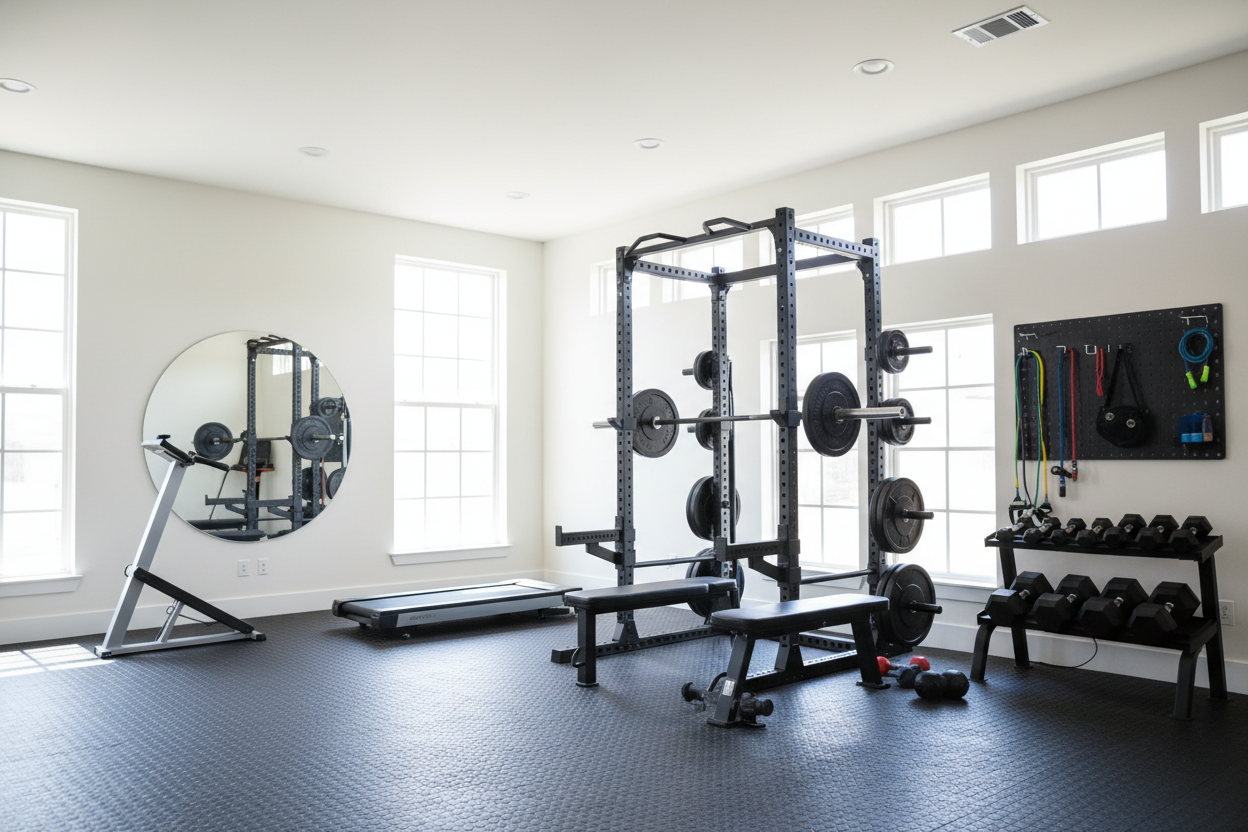
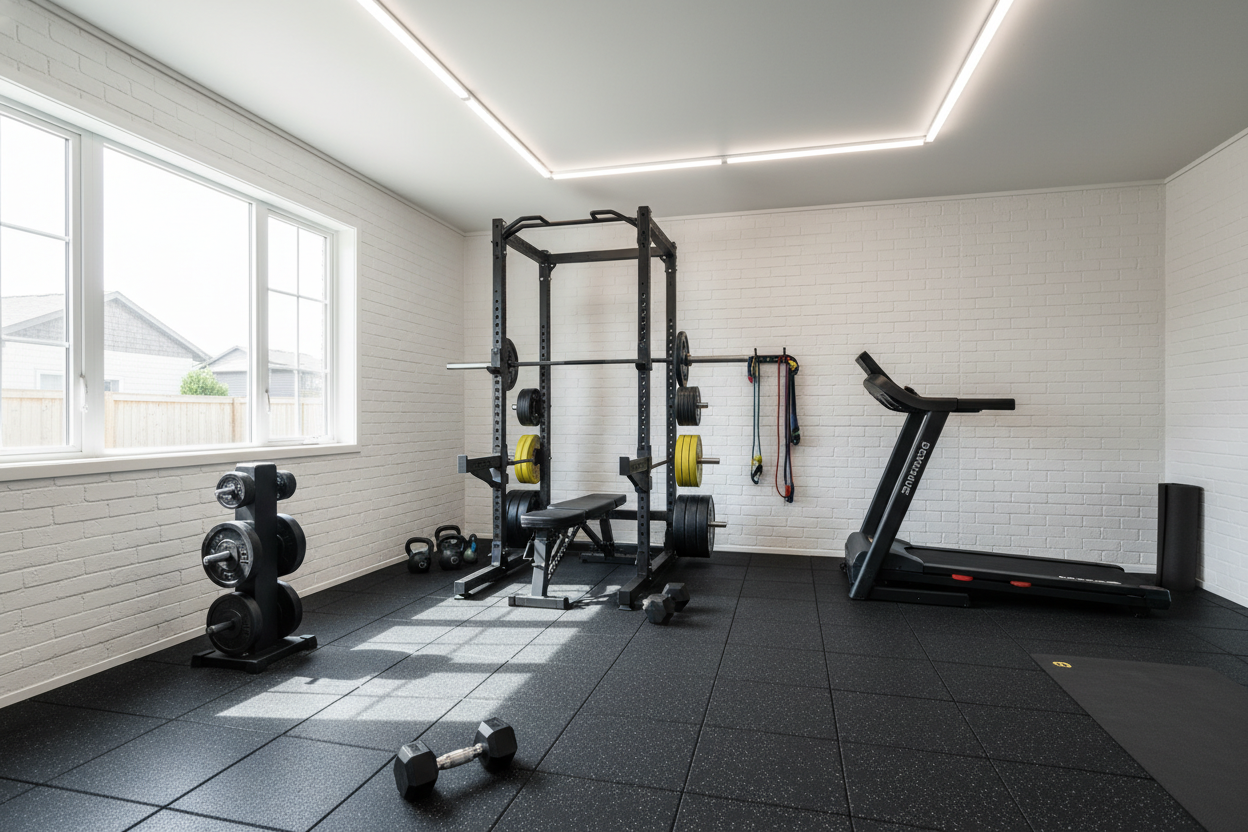
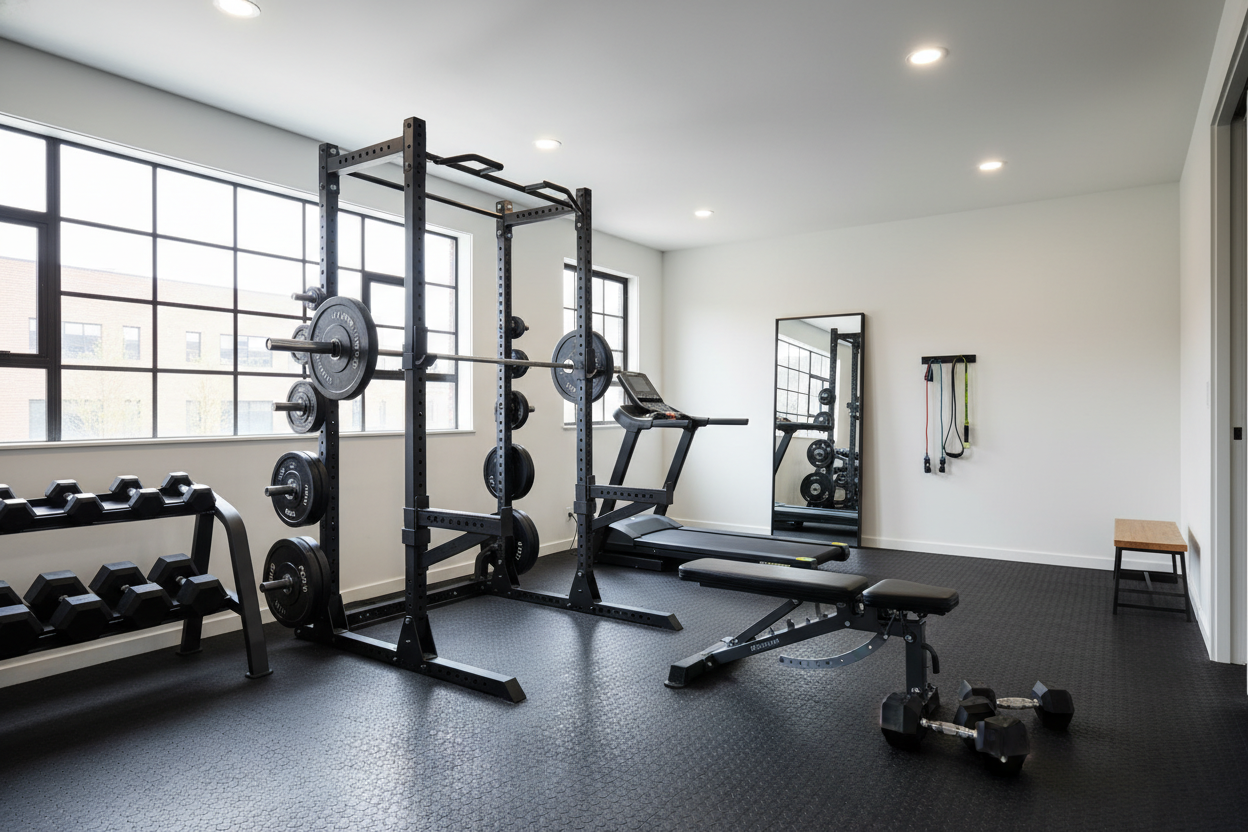
My routine now is boring, and that’s why it works. I stopped the 5-day body part split and moved to a heavy upper/lower split. I focus on the 6-10 rep range for my primary movements. I want to see a 5-pound increase every few weeks. When you are trying to build bodybuilding muscles at home, you don't need a dozen different machines. You need a rack that doesn't wobble when you re-rack 315 and a bar with knurling that actually bites into your palms.
To execute this, you need the top gym equipment for bodybuilding—specifically a solid power rack with 1-inch hole spacing for precise safety heights and a set of iron plates that don't have a 5% weight variance. I stopped doing 15 variations of cable flyes. Instead, I do heavy weighted dips, incline bench presses, and rows. I still do my curls and lateral raises, but they are the dessert at the end of a very heavy, very simple meal.
Stop Squeezing, Start Lifting
The mind-muscle connection isn't a total myth, but it’s been overblown. You can 'feel' your lats all day with a 10-pound dumbbell, but you'll never have a back like a barn door until you're rowing significant weight. The math of the logbook is the only thing that doesn't lie to you in the gym. If you're stronger today than you were six months ago in the 8-rep range, you're bigger. Period.
Drop the ego-burn and the 50-set marathons. Focus on the brutal, basic math of adding weight to the bar. Your garage gym isn't a place for pampering your muscles with light-weight 'sculpting'—it's a place for forcing them to adapt to heavy loads. Put the 15s down and pick up the 45s.
FAQ
Is the pump completely useless for growth?
No, it's not useless, but it's the 'icing.' Metabolic stress does signal growth, but it should never come at the expense of heavy mechanical tension. Use it for your last 10% of training, not the first 90%.
How do I know if I'm using enough tension?
If you can't add weight or reps to an exercise for three weeks straight, you aren't creating enough stimulus or you're doing too much junk volume to recover. The logbook is your tension gauge.
Can I build a bodybuilding physique with just a barbell?
Absolutely. Some of the greatest physiques in history were built with nothing but a bar, a rack, and a flat bench. Don't let a lack of fancy machines be your excuse for a lack of progress.