The Easy Strength Training Workout I Give My Busiest Friends
I remember scrolling through my phone at 11:00 PM, comparing the knurling on three different power bars while my own garage gym sat cold and unused. I’d spent hours obsessing over the 'perfect' periodized program, convinced that if I didn't have a spreadsheet with 12 accessory movements, I was wasting my time. I’ve seen my friends do the same thing: they sign up for a high-intensity boot camp, buy a 300-lb Olympic set, and then quit two weeks later because they don't have two hours a day to suffer. That’s why I developed this easy strength training workout for the people who actually have a life outside the weight room.
Quick Takeaways
- Focus on four primary human movements to hit every muscle group.
- Keep the total time under 30 minutes to ensure you actually do it.
- Prioritize consistency over the 'no pain, no gain' mentality.
- Use minimal gear that fits in a standard 6x8 ft space.
Why Your Routine Doesn't Need to Be Miserable
There is a weird masochism in the lifting world. People think if they aren't crawling to their car after a session, they haven't worked hard enough. I’m here to tell you that’s total nonsense. Most of the guys I know who are actually strong—the ones who can pull 500 lbs without a belt—don't spend their lives in a state of total exhaustion. They show up, do the work, and go home.
The problem is that most people confuse 'sweating' with 'progress.' If you’re just jumping around until your lungs burn, your daily workout isn't actual strength training. Strength is a skill. It requires tension, load, and recovery. When you strip away the fluff, you realize that you don't need a 90-minute session to see results. You need a quick strength workout that hits the big movers and lets you get back to your family or your job.
I’ve tested this with busy dads, corporate grinders, and even my own spouse. When you lower the barrier to entry, the consistency skyrockets. You stop dreading the gym because you know you’ll be done before the coffee gets cold. This isn't about being lazy; it's about being efficient with the limited energy you have.
The 4 Core Pillars of a Stupid-Simple Routine
If you look at any effective program, it boils down to four things: pushing something, pulling something, squatting, and hinging at the hips. That’s it. You don't need a dedicated 'bicep and forearm' day. If you do heavy rows and pull-ups, your arms will grow. If you squat and hinge, your legs will be solid. By focusing on these four pillars, you can build a sustainable daily strength workout that covers all the bases without the mental fatigue of tracking twenty different exercises.
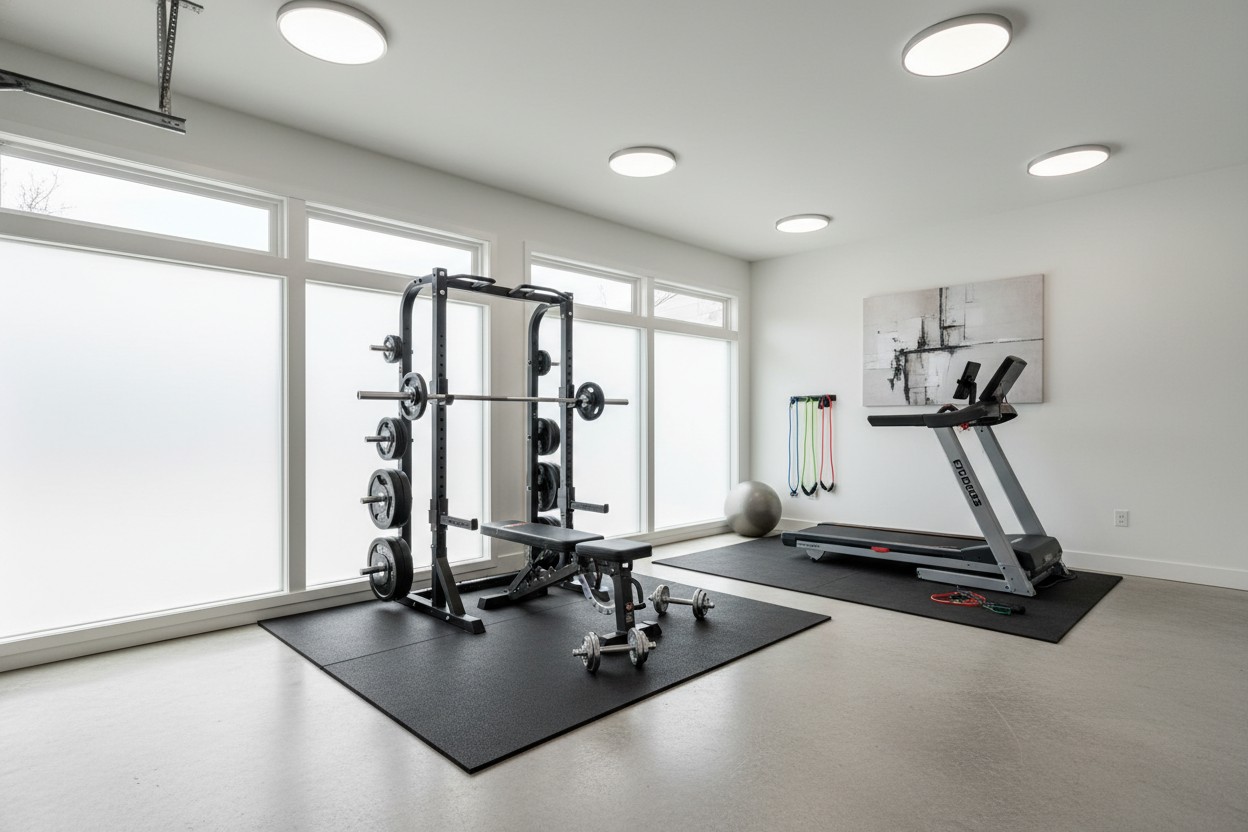
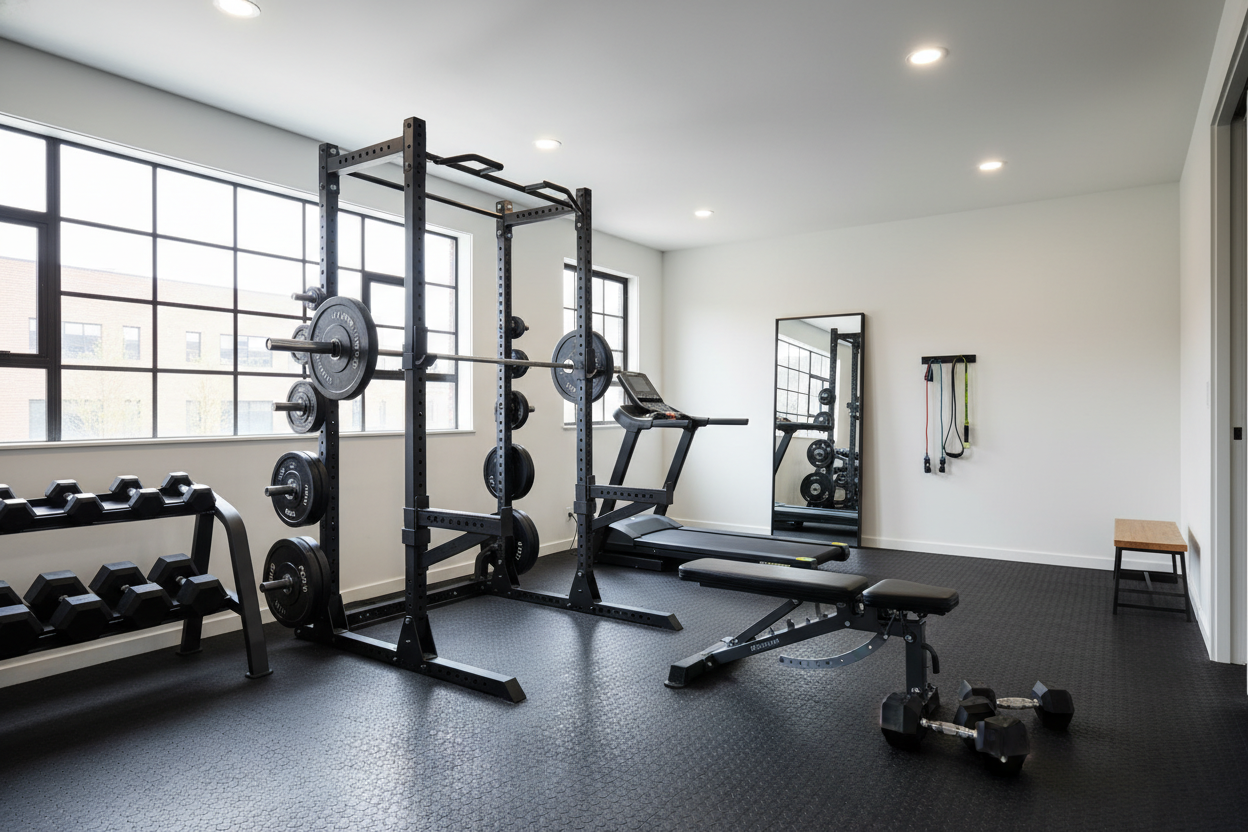
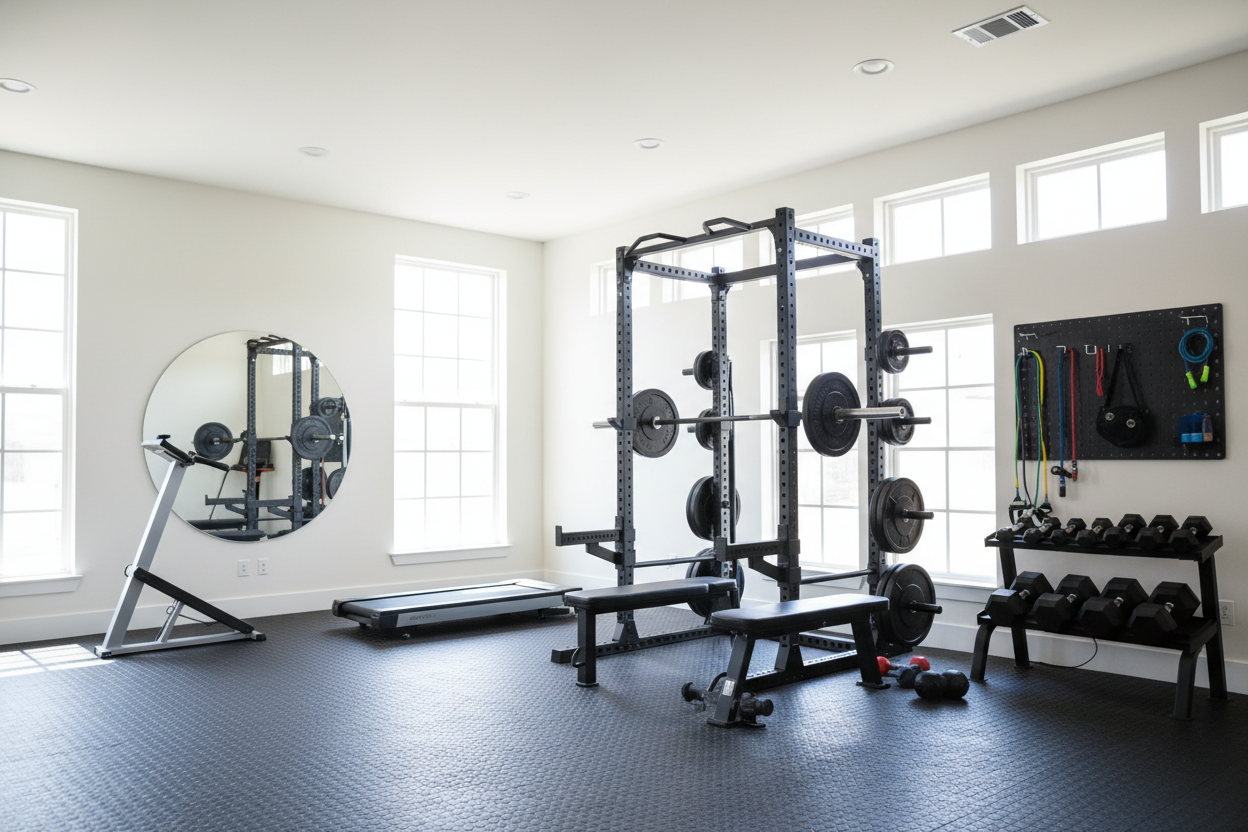
This simplicity also saves you a fortune on gear. You don't need a 12-station cable machine or a leg press that takes up half your garage. You can get 90% of your results with quality strength equipment like a pair of adjustable dumbbells or a single high-quality kettlebell. I’ve seen guys build incredible physiques in a 6x8 ft corner of their basement just by mastering these four movements.
When you limit your exercise pool, you get better at the movements faster. Instead of being 'okay' at twelve exercises, you become 'excellent' at four. That technical proficiency allows you to lift heavier weights safely, which is the fastest way to get strong. It’s about doing the boring things exceptionally well.
The 30-Minute Easy Strength Training Workout
Here is the exact protocol. No fluff, no 'burnout sets,' just the work. Perform this as a circuit or back-to-back sets. If you're short on time, this quick lifting workout will get you in and out in 25 minutes flat.
- Goblet Squats: 3 sets of 8-10 reps. Hold a weight at your chest, sit back until your elbows touch your knees, and stand up. Simple.
- Dumbbell Overhead Press (or Pushups): 3 sets of 8-10 reps. If you have a low ceiling, do these seated.
- One-Arm Dumbbell Rows: 3 sets of 10 reps per side. Use your bench or even the back of a sturdy chair for support.
- Romanian Deadlifts (Hinge): 3 sets of 10-12 reps. Focus on feeling the stretch in your hamstrings, not your lower back.
If you have solid gym flooring, you can do this entire routine right in the middle of your living room. The key is the rest periods. Keep them to 60-90 seconds. You want to feel recovered enough to move the weight with good form, but you don't want to start scrolling through Twitter between sets. This is a quick strength workout, not a social hour. Focus on the tension in the muscle and the control of the weight.
I usually recommend doing this three times a week. Monday, Wednesday, and Friday. On the off days, go for a walk. Don't overthink it. You aren't training for the Olympics; you're training to look better in a t-shirt and carry all the groceries in one trip.
How to Progress Without Making It Complicated
The biggest mistake people make with a quick strength training workout is staying at the same weight forever. If you use the same 20-lb dumbbell for six months, you aren't training—you're just maintaining. To see actual muscle growth and strength gains, you need progressive overload. But that doesn't mean you need a complex percentage-based calculator.
If the workout calls for 10 reps and you can do 12 with perfect form, it’s time to go up. If you don't have heavier weights, slow down the tempo. Take three seconds to lower the weight and one second to explode up. You can also use strength training accessories like resistance bands to add 'variable resistance' to your dumbbells, making the top of the movement harder without needing a whole new rack of weights.
Small wins add up. Adding 2.5 lbs a week might seem like nothing, but over a year, that’s 130 lbs. I’ve seen people get frustrated because they didn't double their bench press in a month. Forget that. Focus on the small, incremental gains. That is the only way to stay injury-free and keep the momentum going for the long haul.
Stop Chasing Perfection (Just Do the Work)
I once bought a fancy $2,000 rower because I thought it would finally be the thing that got me in shape. It ended up being a very expensive clothes rack. Why? Because I didn't actually like rowing, and the 'perfect' program I found for it was too long. I learned that the best routine is the one you actually do when you’re tired, busy, and the basement is cold.
Don't wait for the perfect time to start. Don't wait until you have the perfect rack or the perfect shoes. Use what you have, keep it simple, and get moving. The results come from the hundreds of 'average' workouts you do, not the three 'perfect' ones you manage once a year. Stop overcomplicating the science and just start lifting.
FAQ
Do I need a full power rack for this?
Absolutely not. While I love a good rack, this routine is designed to be done with dumbbells or kettlebells. It’s perfect for home gyms with limited space or people who don't want to deal with a barbell yet.
Can I do this every day?
I wouldn't recommend it. Your muscles grow while you rest, not while you're lifting. Aim for 3-4 times a week. If you feel like you have extra energy, go for a rucking session or a long walk on your off days.
What if I can't do a pushup?
Start with your hands on a bench or a sturdy table to incline your body. As you get stronger, move your hands closer to the floor. Everyone starts somewhere; the goal is to move the needle forward, not to be a pro on day one.