Why Your Training Program for Lean Muscle Needs to Be Boring
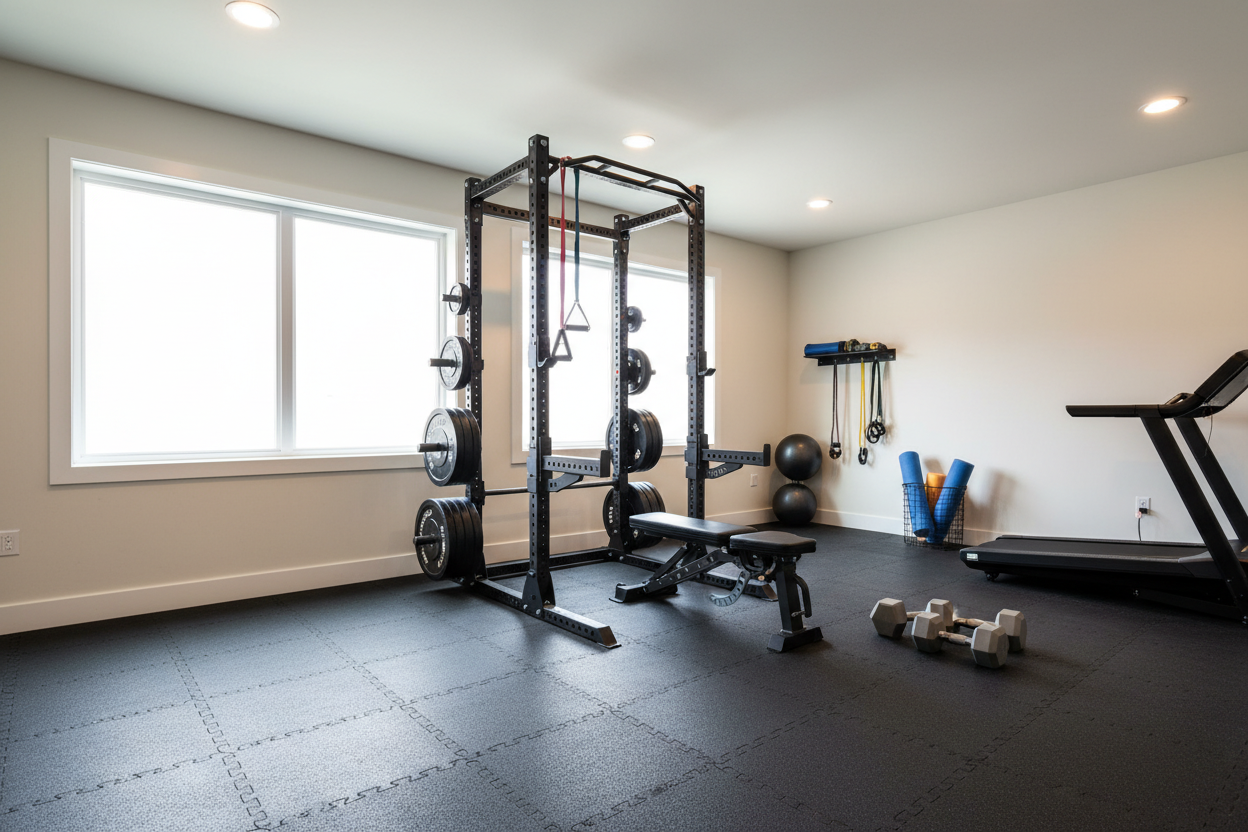
I remember sitting in my garage at 11 PM, scrolling through Instagram and feeling like a failure. Every influencer I followed was doing some 'innovative' Bulgarian-split-squat-to-curtsy-lunge hybrid, while I was just staring at my basic power rack. I almost pulled the trigger on a $60 'muscle confusion' PDF because I thought my progress had stalled. It hadn't; I was just bored. But that boredom is exactly where a training program for lean muscle actually starts to work.
Quick Takeaways
- Consistency beats variety every single time for muscle density.
- The 'Muscle Confusion' theory is a marketing tactic to sell new subscriptions.
- You need at least 8-12 weeks on the same movements to see real neurological adaptation.
- Progressive overload is impossible if you’re constantly changing the variables.
The Muscle Confusion Myth Needs to Die
The fitness industry is built on the 'new.' New apps, new gadgets, and new workout plans for lean muscle that promise to 'keep the body guessing.' Here is the cold truth: your muscles don't have eyes, and they aren't 'surprised' by a new movement. They respond to mechanical tension, metabolic stress, and muscle damage. When you swap your exercises every week, you never actually get good enough at a movement to push it to the limit.
Think about the first time you tried a heavy overhead press. You were probably shaky. That wasn't because your muscles were weak; it was because your central nervous system (CNS) didn't know the 'groove' of the lift yet. If you switch to a different press next week, you’re just constantly in that 'learning' phase. You never reach the point where the CNS is efficient enough to recruit the maximum amount of muscle fiber. To build a workout program lean muscle goals actually require, you have to stop being a beginner at ten different things and start being a master of four.
Most people bail on a program right when the real gains are about to start. They hit that wall where adding 5 pounds feels like a chore, so they go find a 'fresh' routine. In reality, that wall is where the lean muscle training program begins. By staying the course, you force your body to adapt to a specific stressor rather than just throwing random stimulus at it and hoping something sticks.
Why Repetition Builds the Best Physiques
The most impressive physiques I’ve ever seen weren't built on variety. They were built on 'repetition tolerance.' This is the ability to show up and perform the exact same workout programs for lean muscle week after week, month after month, with slightly more intensity each time. You need to do the same movements for at least 8 to 12 weeks to see what your body is actually capable of.
When you repeat a movement, your brain gets better at firing the motor units required for that lift. This efficiency allows you to lift heavier weights or perform more reps with the same weight. This is the bedrock of progressive overload. The Best Workout Program for Building Muscle Ignores Your Spreadsheet because it focuses on the raw effort of the lift rather than the novelty of the data points. If you’re constantly changing your exercises, your 'progress' on paper is often just you getting better at a new skill, not actually building new muscle tissue.
I’ve found that the 'boring' middle weeks—weeks 4 through 9—are where the magic happens. Your joints feel the groove, your confidence is high, and you can finally push to true failure without your form falling apart. This is the secret to a workout program for lean body success: finding the discipline to stay bored. If you can’t handle doing the same 5x5 for two months, you’ll never have the density that comes with long-term adaptation.
The 4 Movements That Should Never Change
You don't need 50 machines. You need four categories of movement that anchor your entire existence. If these aren't in your workout program lean muscle block, you're leaving gains on the table. First, a squat variation. Whether it’s a high-bar back squat or a heavy goblet squat, you need a knee-dominant move. Second, a hip hinge. Think deadlifts or RDLs. Third, a horizontal press—the classic bench or floor press. Fourth, a vertical pull, like weighted chin-ups or lat pulldowns.
In a garage gym, these four moves are your bread and butter. But you need to set your environment up for success. I once tried to max out my squats on a dusty, bare concrete floor in my basement. My foot slipped about two inches mid-rep, and I nearly blew out my back. Now, I tell everyone to get a 6X8Ft Exercise Mat Yoga Mat Gym Flooring For Home Workout. Having a dedicated, high-traction surface means you can focus on the movement rather than wondering if your feet are going to slide out like you're on ice.
These four movements should be the first thing you do in every session. They require the most energy and provide the most 'bang for your buck.' Everything else—the curls, the lateral raises, the calf work—is just seasoning. If you get stronger at these four pillars over a 12-week period, I guarantee your physique will change more than it would with any 'high-intensity' circuit-based workout programs for lean muscle.
How to Progress When the Routine Gets Stale
So, what happens when you’re on week 7 and you absolutely hate the sight of a barbell? You don't change the exercise; you change the execution. This is how you maintain a workout program for lean body goals without losing your mind. One of my favorite methods is micro-loading. Most gyms only have 2.5-lb plates, but buying a set of 1-lb or even 0.5-lb 'fractional' plates can keep you progressing for months after you would have otherwise stalled.
Another trick is manipulating tempo. If you can't add weight to your bench press, try taking 3 seconds to lower the bar and a 1-second pause at the bottom. You’re doing the same movement, but the increased time under tension creates a new stimulus for workout plans for lean muscle. You can also shorten your rest periods. If you did 3 sets of 10 with 90 seconds of rest last week, try doing it with 60 seconds this week. You’ve increased the density of the workout without changing a single exercise.
For those who find free weights too taxing on the joints during high-volume phases, How To Build Muscle With A Machine Only Workout Program For Beginners offers a great perspective on building that initial repetition tolerance. Machines allow you to push to absolute failure with less risk, which can be a great way to 'bridge' the gap between heavy barbell phases without abandoning your core goals.
A Brutally Basic 3-Day Framework
If you want a lean muscle training program that actually delivers, stop overcomplicating it. Here is a 3-day framework that works for almost anyone with a basic home setup. Day 1: Heavy Squat variation, Overhead Press, and Chin-ups. Day 2: Deadlift or RDL, Bench Press, and Barbell Rows. Day 3: A 'Full Body' day where you hit slightly higher reps (8-12) of all four categories. That’s it. No finishers, no 'burnouts,' no fluff.
Track every single set in a notebook. If you did 225 lbs for 5 reps last Monday, you better do 225 for 6 or 230 for 5 this Monday. If you can't do either, you keep that weight until you can. This level of accountability is what makes workout plans for lean muscle effective. Most people fail because they don't actually know if they're getting stronger; they're just getting 'tired.' Tired is not a metric. Pounds and reps are metrics.
Refuse to add 'fun' exercises until you have completed your main work with 100% focus. If you have energy left for 5 sets of cable flyes, you probably didn't push your bench press hard enough. For specific movement tutorials to fill in this framework, check out our Workout Hub. Stick to this for 90 days. It will be boring. You will want to quit by week 6. But by week 12, you'll look in the mirror and realize that 'boring' was exactly what you needed.
Personal Experience: The Summer of 5x5
A few years ago, I got caught up in the 'functional fitness' craze. I was doing box jumps, kettlebell swings, and burpees until I vomited. I was 'fit,' sure, but I looked exactly the same as I did when I started. I decided to strip everything back to a basic 5x5 program—just squats, presses, and pulls. For six months, I didn't change a single lift. I bought a cheap barbell that actually ended up bending under the load (lesson learned: don't buy the $89 specials), but I put on 12 pounds of actual, lean muscle. It was the most boring six months of my life, but it was the only time I saw a dramatic shift in my physique. Variety is for entertainment; consistency is for results.
FAQ
How long should I stay on one program?
At least 8 to 12 weeks. Anything less and you're just scratching the surface of neurological adaptation. If you're still seeing progress at week 12, keep going until the wheels fall off.
Can I add cardio to a lean muscle program?
Yes, but keep it low-impact. Walking or light cycling is great. If you start doing HIIT five days a week, you’ll likely eat into the recovery resources your body needs to build muscle tissue.
What if I don't have a power rack?
You can build a great physique with dumbbells and a bench. The principles remain the same: pick a few heavy movements and get progressively better at them over time. The equipment matters less than the effort and consistency.